 admin
admin How to Prune Monstera: Trimming Tips for Bushier Growth
You love your Monstera deliciosa. Its iconic, split leaves bring a slice of the jungle into your home. But now, it’s getting a bit… wild. One long, leggy stem is reaching for the ceiling while another seems to be making a break for the window. The lower leaves are sparse, and that lush, bushy look you fell in love with is just a memory. If you’re hesitating to make the cut, fearing you might harm your plant, I’ve been there. After years of trial and error, including a particularly transformative two-week experiment, I’ve learned that strategic pruning isn’t just about control—it’s the secret to triggering the fuller, more vibrant growth you truly desire.
My journey to mastering the Monstera pruning process began with a plant I named “Spaghetti.” It was all vines and air roots, with huge gaps between each leaf. I was scared to prune it, worried I’d ruin it. But finally, I gathered my tools and committed to a plan. What followed was a meticulous process of observation and care that completely changed my approach to plant maintenance.
Why Pruning Your Monstera is Essential for Health and Beauty
Pruning is often misunderstood as merely a cosmetic fix. In reality, it’s a vital horticultural practice. The Royal Horticultural Society (RHS) emphasizes that pruning plants redirects a plant’s energy. By removing older, less efficient growth or overly long stems, you channel the plant’s resources into producing new, healthy leaves and side shoots. For a Monstera, this means encouraging growth points (nodes) along the stem to activate, leading to a denser, more balanced plant. It also improves air circulation through the foliage, which is a key defense against pests and fungal diseases. Essentially, you’re not just cutting away; you’re strategically guiding your plant’s future growth pattern for a bushier appearance.
Gathering Your Tools: A Surgeon’s Kit for Your Plant
You wouldn’t perform surgery with a dull knife, and you shouldn’t prune your Monstera with poor tools. My toolkit is simple but non-negotiable:
- Sharp, Clean Pruning Shears or Scissors: Blunt tools crush stems, creating ragged wounds that are slow to heal and prone to infection. I use a dedicated pair of bypass pruners.
- Rubbing Alcohol or Hydrogen Peroxide: This is critical. I wipe down my blades before every single cut and between plants. The American Horticultural Society (AHA) consistently highlights sanitation as the first step in preventing the spread of disease in the garden.
- Gloves: Monstera sap can be irritating to skin, so I always wear a pair.
- A Clean Cloth: For any sap that bleeds from the cut.
- Ground Cinnamon (Optional): A natural, antifungal dusting agent for larger cuts.
My Step-by-Step Pruning Process for a Bushier Plant
Here is the exact process I followed with “Spaghetti,” which I now use for all my Monsteras aiming for bushier growth.
Step 1: The Assessment and Plan I didn’t make a single cut on day one. First, I spent time looking at my plant’s structure. I identified the main problems: one dominant, leafless aerial root-covered stem (the “leader”), several yellowing lower leaves, and a general lack of lower foliage. My goal wasn’t just to shorten it, but to force it to branch out. I planned to make my primary cuts just above visible nodes on the leggy stems, where I wanted new growth to emerge.
Step 2: Making the Strategic Cuts
- Removing Unhealthy Growth: I started by removing any leaves that were more than 50% yellowed or had brown, crispy spots. I cut these leaves off at the base of their stem, close to the main vine.
- Tackling Leggy Stems: This was the scary part. I located the longest, leaf-bare stem. I traced it down to a point where there was a healthy, green node—a little brown bump on the stem where a leaf meets it. Using my sterilized shears, I made a clean, angled cut about a quarter-inch above that node. The angled cut helps prevent water from pooling on the wound. I repeated this for two other long stems.
- Addressing the Aerial Roots: I did not cut all of them. I only shortened a few that were excessively long and unruly, leaving about half their length. They are important for the plant’s stability and nutrient absorption.
Step 3: Immediate Aftercare After pruning, I had an open-wounded plant. I gently dabbed the larger cuts with the clean cloth and dusted them with a tiny bit of cinnamon. I then gave the plant a thorough, deep watering, ensuring the soil was evenly moist but not soggy. I placed it back in its bright, indirect light spot, avoiding any direct sun that could stress it further.
The Critical Two-Week Observation Period: What Actually Happened
This is where the magic—and the learning—happened. I monitored my pruned Monstera daily.
- Days 1-3: The plant looked a bit shocked, which is normal. I focused on keeping the environment stable—no moving, no fertilizing, consistent temperature.
- Days 4-7: At the nodes just below my cuts, I noticed tiny, dark green bumps beginning to swell. This was the first sign of activation! The plant was redirecting energy to these growth points.
- Days 8-14: The bumps grew into proper nubs, and by the end of the second week, two of them had unfurled into tiny, bright green spear-tips—new leaves were on their way! Furthermore, a node much lower down on the main stem, which had been dormant, also showed signs of swelling. The pruning had stimulated growth not just near the cuts, but elsewhere on the plant.
The “Pitfall” I Encountered and How I Fixed It: Around day 5, I noticed one of the larger cut stems was oozing a bit more sap and looked slightly soft. I panicked, thinking it was rot. My mistake was overwatering immediately after pruning; the plant’s reduced foliage meant it was transpiring less water. The fix was simple: I carefully recut the stem a centimeter below the soft spot, ensuring my tool was sterilized, and let it callus over in the open air for an hour before re-dusting with cinnamon. I then allowed the soil to dry out more significantly before the next watering. This taught me that post-prune watering needs extra caution.
Advanced Tips for Shaping and Ongoing Care
Once you see new growth, you can guide it.
- Rotate Your Plant: To ensure your new bushier Monstera grows evenly, give the pot a quarter turn every time you water. This prevents all new growth from reaching for one light source.
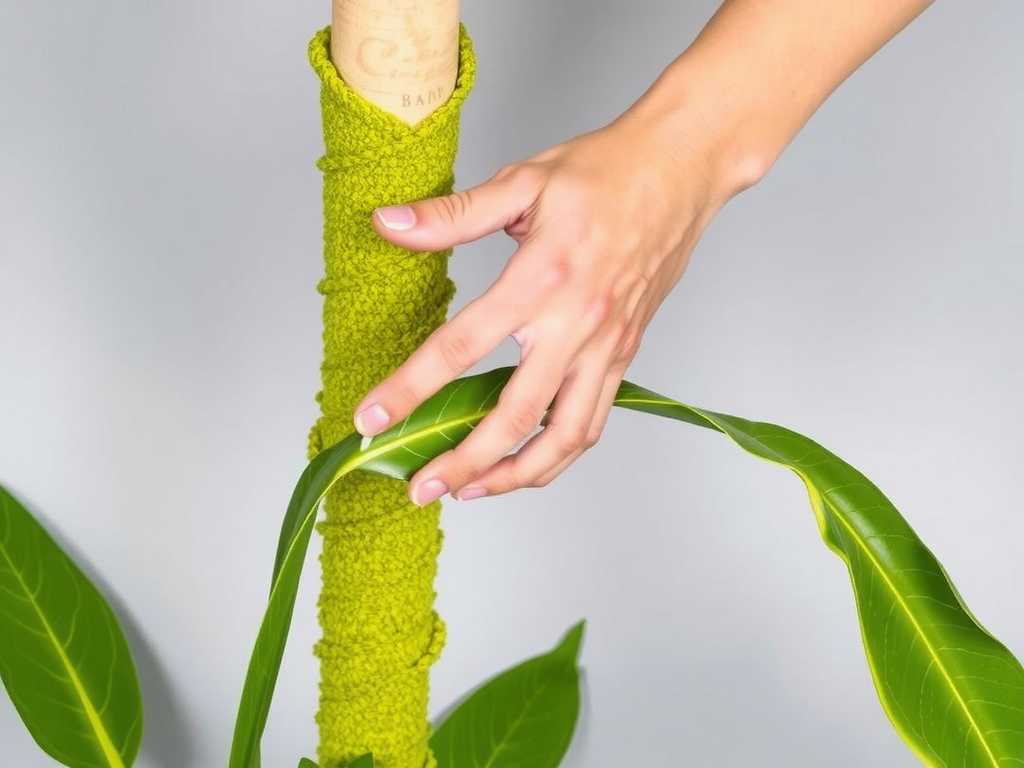
- Support is Key: As new stems grow, provide a moss pole or coir stake. Gently tie the stems to it. This encourages larger leaf development and a more upright, tidy form.
- Hold the Fertilizer: Don’t fertilize for at least a month after pruning. Let the plant focus on root and shoot recovery first. After that, resume a balanced liquid fertilizer at half-strength.
What to Do With Your Monstera Cuttings: Propagation 101
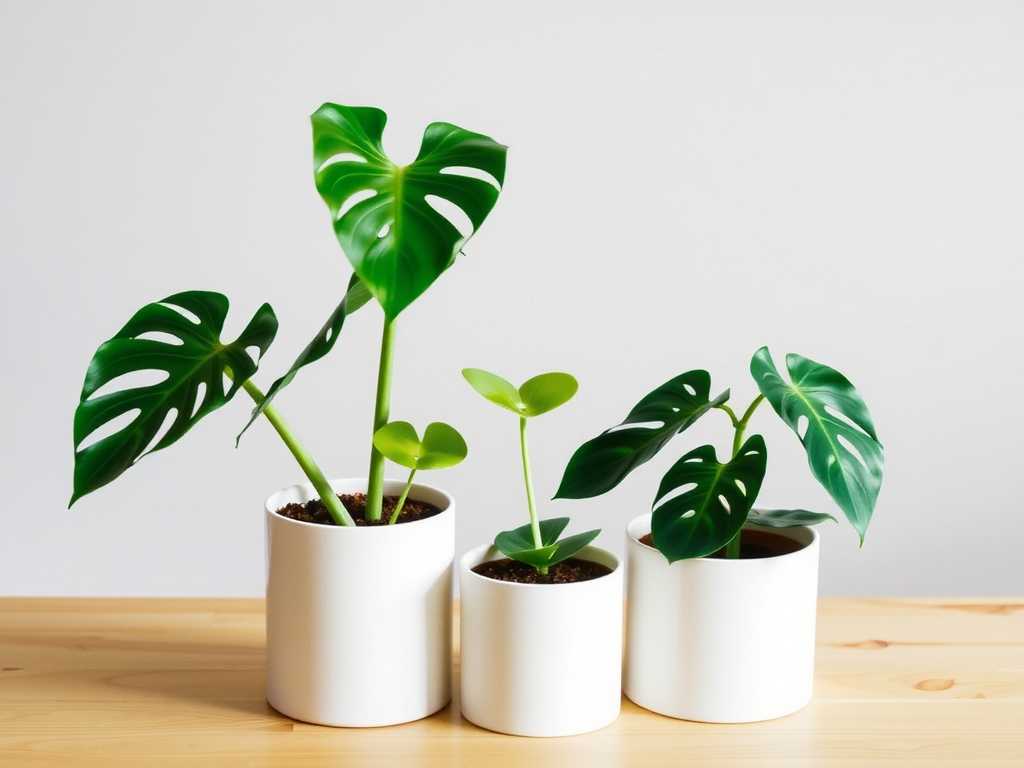
Don’t throw away those beautiful stem cuttings! They are new plants in waiting. Ensure your cutting has at least one node and one leaf. Place it in a jar of clean water, ensuring the node is submerged but the leaf is not. Put it in bright, indirect light and change the water weekly. In 2-6 weeks, you’ll see roots developing. Once they are a few inches long, you can pot it up to create a new, full plant or even add it back into the mother pot’s soil to create an instantly fuller base—a master trick for achieving that coveted lush look.
Will pruning hurt my Monstera? Not if done correctly. Plants naturally lose leaves and redirect growth. Strategic pruning mimics this natural process and, when done with clean tools and proper timing (spring/summer is best), minimizes stress and promotes vigorous new growth.
How often should I prune my Monstera for bushiness? There’s no set calendar. Prune as needed to control size, remove unhealthy growth, or encourage branching. A major shaping prune is typically done once a year in the growing season, with minor tidy-ups as needed.
My pruned stem isn’t growing new leaves, it’s just brown. What did I do wrong? The node you cut above may have been dormant or damaged. Ensure you are cutting above a healthy, plump, green node. Also, be patient; sometimes a node further down the stem may activate instead. If the stem dies back, simply cut it back further to healthy tissue.
Pruning my Monstera transformed it from a leggy vine into a structured, bushy centerpiece. It taught me that being an attentive plant owner sometimes means making bold, informed cuts. The process is a conversation with your plant—you remove the old to direct energy toward the new. By following these steps, understanding the why behind each cut, and patiently observing the remarkable two-week recovery and regrowth period, you hold the direct key to unlocking your Monstera’s most lush, tropical potential. Don’t be afraid to make the cut; your fuller, happier plant will thank you for it.

发表评论