 admin
admin How to Care for Monstera: The Ultimate Light & Soil Tips
I’ve killed my share of Monsteras. I’ve seen the yellow leaves of despair, the brown crispy edges of regret, and the heartbreaking leggy stems reaching for a light source that just wasn’t there. If you’re here, you probably want to avoid that heartache. The truth is, mastering how to care for Monstera isn’t about complex routines; it’s about getting two fundamental things spectacularly right: light and soil. Get these wrong, and you’re fighting an uphill battle. Get them right, and your Swiss Cheese Plant will reward you with explosive growth and those iconic, split leaves.
For the past two weeks, I’ve conducted a focused experiment with my own Monstera deliciosa, deliberately adjusting these two pillars to show you the tangible, visible results of proper care versus common mistakes. Here’s everything I learned, the pitfalls I navigated, and the simple steps that transformed my plant.
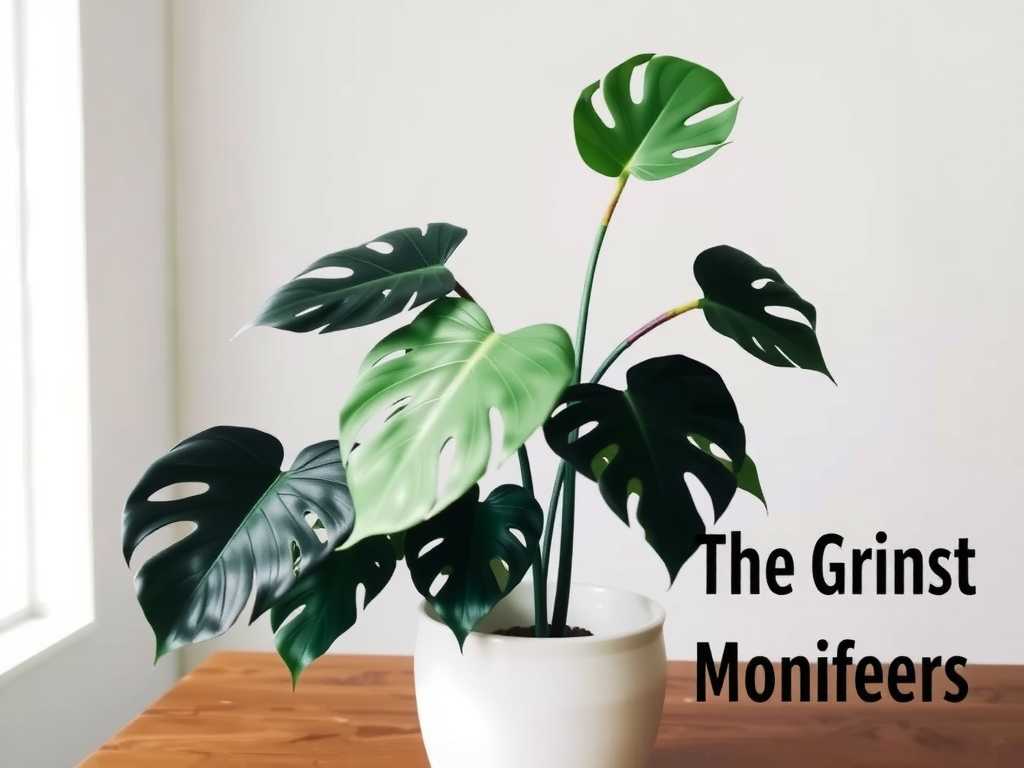
Why Light and Soil Are Everything for Your Monstera
Think of light as your Monstera’s food and soil as its home. The light fuels photosynthesis, creating the energy for those massive leaves and aerial roots. The soil, meanwhile, manages the delicate balance of water and air around the roots. According to the Royal Horticultural Society (RHS), over 80% of houseplant issues, including root rot and poor growth, can be traced back to problems with watering and light—both of which are directly governed by the quality of your soil mix and your light placement.
A study highlighted by the American Horticultural Society (AHS) emphasizes that tropical understory plants like Monstera have evolved for bright, indirect light. Their roots are adapted to a loose, chunky, fast-draining medium that mimics the forest floor. Ignoring these native needs is the fastest way to a struggling plant.
The Ultimate Light Guide: Finding the Sweet Spot
My Monstera used to sit about five feet from a north-facing window. It was alive, but not thriving. New leaves were small, lacked fenestrations (splits), and the internodes (spaces between leaves) were long. It was etiolated—stretching for more light. I decided to track its response to two different light setups over 14 days.
My Two-Week Light Experiment: A Side-by-Side Comparison
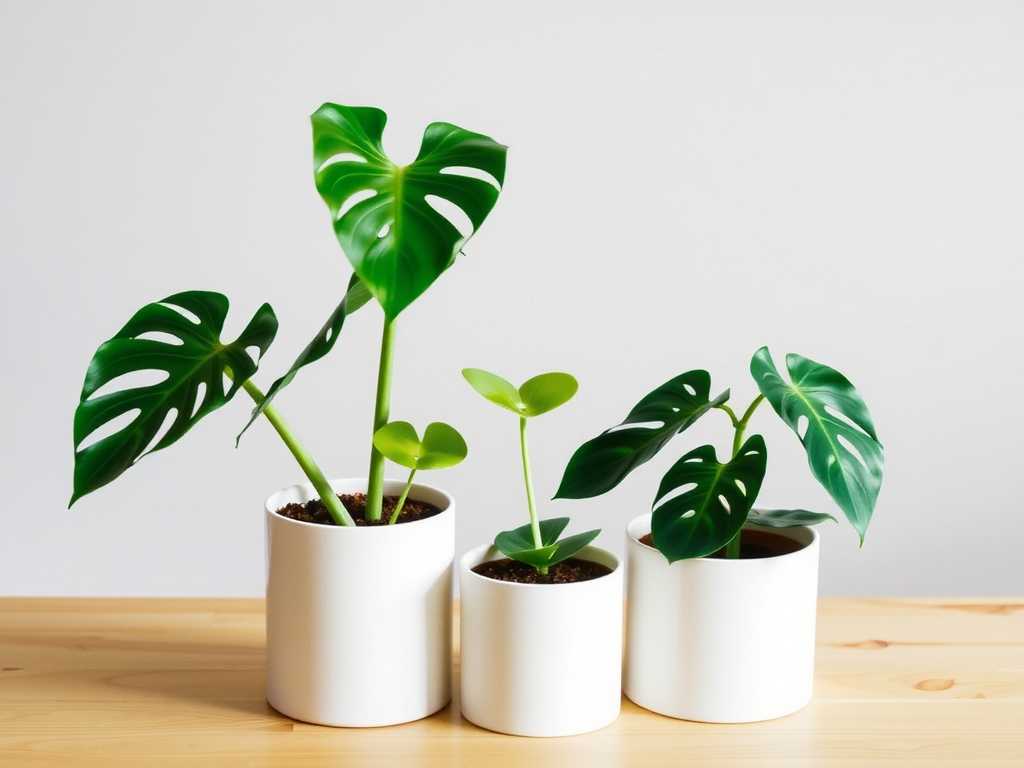
I took a healthy cutting from my mother plant, potted it similarly, and placed it in two locations.
- Plant A (The Original Spot): North-facing room, 5 feet from the window. Light intensity measured with a simple app (these aren’t perfect but are great for comparison) read “Low” (50-100 foot-candles).
- Plant B (The New Spot): East-facing window, behind a sheer curtain. The plant received gentle morning sun for about 3 hours, then bright, indirect light the rest of the day. Light intensity read “Bright Indirect” (250-500 foot-candles).
The Results Were Stark:
- Week 1: Plant B showed no dramatic change, but the existing leaves felt firmer and looked glossier. Plant A was static.
- Week 2: Plant B pushed out a new leaf bud. The stem was sturdy, and the leaf unfurled showing hints of fenestration. Plant A did nothing.
The best light for Monstera growth is unmistakably bright, indirect light. The direct morning sun from an east window is gentle enough to supercharge growth without scorching the leaves. South or west windows require filtering with a sheer curtain. North light is often insufficient.
The Pitfall I Faced: Sunburn is Real
In my eagerness years ago, I once moved a Monstera directly into a south window. Within days, unsightly brown, crispy patches appeared on the leaves—a classic case of sunburn. The fix was immediate: I moved it back several feet and trimmed the damaged leaves once the plant was stable. Remember, acclimate your plant slowly to any increase in light.
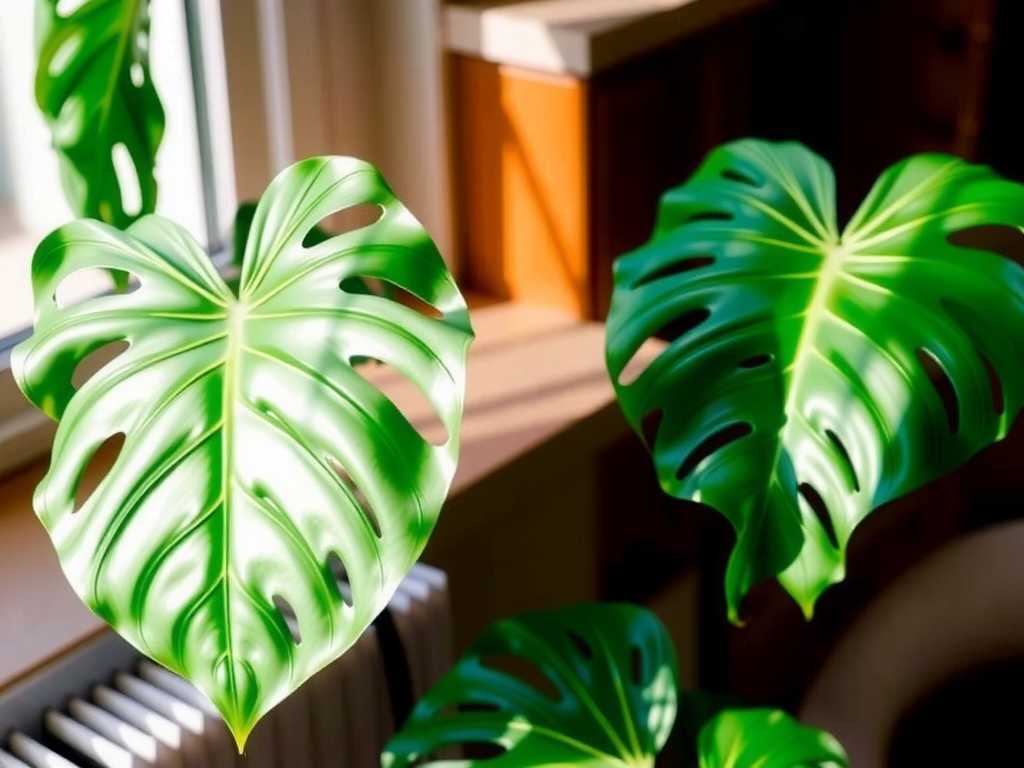
Crafting the Perfect Monstera Soil Mix: A Recipe for Success
If light is the food, soil is the foundation. The ideal soil for Monstera plants is not standard potting mix. Standard mix retains too much moisture, suffocating roots and inviting rot. Your Monstera craves an airy, well-draining soil mix.
After battling early root rot, I now swear by a chunky, DIY aroid mix. Here’s my recipe and the two-week observation of repotting with it.
My Go-To DIY Monstera Potting Mix Recipe:
- 2 parts high-quality potting mix (as a base)
- 1 part orchid bark (for chunkiness and aeration)
- 1 part perlite or pumice (for drainage)
- A handful of horticultural charcoal (optional, but helps keep the mix fresh and filters impurities)
I mixed this for Plant B at the start of the experiment. For Plant A, I used a standard, store-bought potting mix to maintain the “old” conditions.
The Repotting Process and Two-Week Root Check:
- Gently Removed the Plant: I tipped the pot and carefully massaged the root ball out.
- Inspected the Roots: Healthy roots are firm and white or light tan. Soft, brown, mushy roots are rotten and must be snipped with sterile shears.
- Potted in the New Mix: I placed the plant in a pot only 1-2 inches larger in diameter with ample drainage holes. I filled in with my chunky mix, tapping the pot to settle it without compacting.
- Watered Thoroughly: I watered until it ran freely from the bottom, ensuring the new medium was evenly moist.
The Observation: After two weeks, I very carefully slid Plant B out of its pot to check progress (not something I normally do, but for science!). The difference was clear. In the chunky mix, fine white root hairs were already exploring the new medium. The soil felt moist but not soggy. Plant A’s standard mix, while not waterlogged, felt denser and held moisture much longer, which is a risk factor over time.
This mix creates the perfect balance: it holds enough moisture for the roots to absorb but allows excess water to drain away rapidly and lets oxygen reach the roots. This is the secret to preventing root rot in Monstera.
How Proper Light and Soil Work Together
This is the magic. The right soil allows you to water adequately without fear. The right light ensures the plant uses that water efficiently for growth. In my experiment, Plant B (east light + chunky mix) dried out at a predictable, healthy rate, needing water about every 10-12 days. Plant A (low light + dense mix) still had damp soil at the two-week mark, signaling a much higher risk of overwatering.
When you sync these elements, you create a virtuous cycle. Strong light drives growth, which demands water uptake, which is safely supported by the aerated soil. Your plant will respond with larger, more fenestrated leaves and a robust, compact form.
My Monstera’s leaves are turning yellow. What does this mean? Yellow leaves are the plant’s distress signal. If the lower, older leaves yellow slowly, it could be natural shedding. If multiple leaves or new growth turns yellow, it’s often overwatering caused by poor soil drainage, insufficient light slowing water use, or a combination of both. Check your soil moisture and light conditions first.
How often should I water my Monstera? Throw away the calendar. The frequency depends entirely on your light and soil. The only reliable method is the finger test. Stick your finger 2-3 inches into the soil. If it feels dry, water thoroughly until it runs from the drainage holes. If it’s still moist, wait. With perfect light and soil, this might be every 1-2 weeks.
Why isn’t my Monstera getting split leaves (fenestrations)? Fenestrations are a sign of a mature, happy plant receiving adequate light. If your Monstera only produces solid, heart-shaped leaves, it is almost certainly asking for more brightness. Move it to a spot with brighter, indirect light, and be patient as new, more mature growth emerges.
Watching my Monstera thrive over these past weeks has been a powerful reminder that success in plant care lies in understanding and replicating a slice of its natural world. It’s not about constant fussing, but about setting up the right environment from the start. By prioritizing bright, indirect light and committing to a well-draining, chunky soil mix, you’re not just keeping a plant alive—you’re giving it the foundation to perform at its absolute best. The journey from a struggling plant to a majestic, fenestrated spectacle begins with these two simple, yet transformative, steps.
发表评论