 admin
admin Monstera Temperature Tolerance: Protect Your Plant in Winter
I’ve lost a plant to the cold before. It’s a sickening feeling. You come home on a chilly evening, and there it is—your once-vibrant Monstera, now sporting sad, drooping, or even blackened leaves. The heartbreak is real. If you’re worrying about your Monstera’s temperature tolerance as the seasons change, you’re not alone. This guide is born from my own trial, error, and a two-week winter vigil that saved my favorite Swiss Cheese Plant. I’ll walk you through exactly how to protect your green companion, sharing the practical steps I took, the mistakes I made, and the science that makes it all work.
Understanding Your Monstera’s Comfort Zone
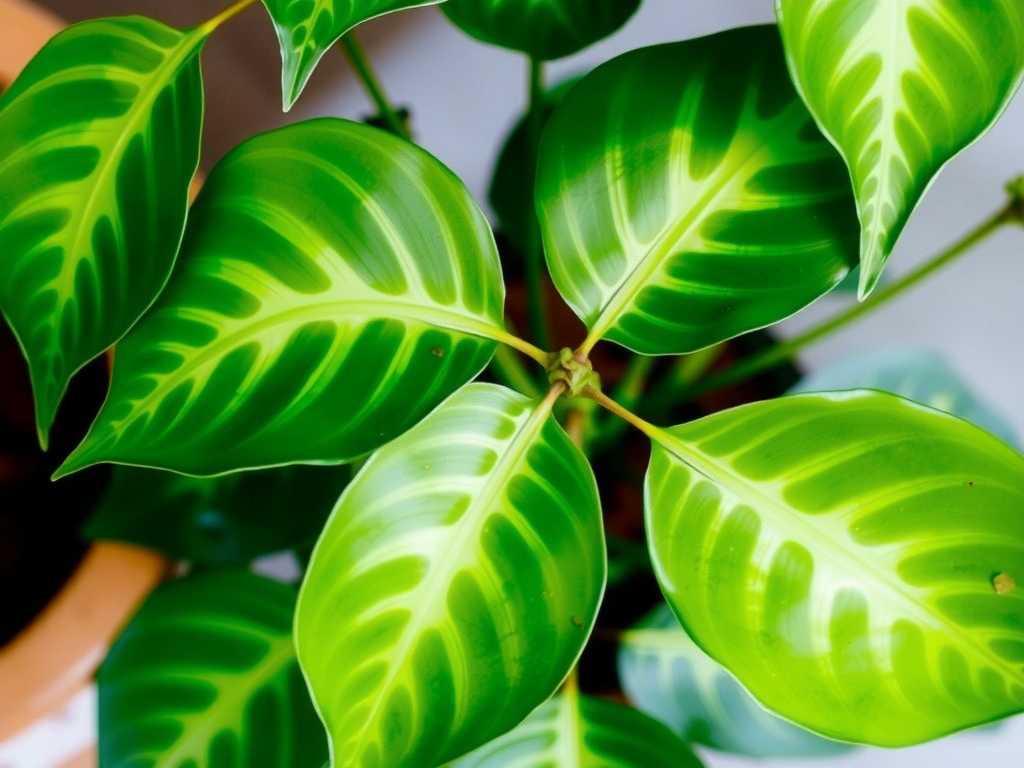
Monsteras are tropical natives. In their natural habitat under the rainforest canopy, they enjoy stable, warm conditions. This is the key to understanding their needs. While we often focus on light and water, temperature is the silent backbone of Monstera health.
The ideal range for robust growth is between 65°F and 85°F (18°C – 29°C). Within this bracket, your plant can efficiently photosynthesize, push out those magnificent fenestrated leaves, and generally thrive. However, Monstera temperature tolerance has its limits. Most varieties can temporarily withstand dips down to 50°F (10°C), but this is survival mode, not growth mode. Prolonged exposure below this threshold, or sudden cold drafts, triggers stress and can lead to irreversible cellular damage.
As noted by the Royal Horticultural Society (RHS), tropical foliage plants like Monstera deliciosa are highly susceptible to chilling injury. This damage occurs above freezing point and manifests as soft, water-soaked patches on leaves, which eventually turn black and collapse. It’s not just about freezing; it’s about staying consistently warm.
My 2-Week Winter Protection Protocol: A Step-by-Step Diary
When the forecast predicted a sustained cold snap, I implemented a full protection plan. Here’s what I did, what happened, and the critical lessons learned.
Week 1: Assessment and Immediate Actions
My first step was a thorough home audit. I carried a digital thermometer around for a day, checking readings near my windows, doors, and in the plant’s usual spot.
- Step 1: The Great Migration (Day 1): I discovered that my large east-facing window, perfect for summer, was now a cold draft hotspot. Nighttime temperatures by the glass plummeted to 55°F (13°C). Immediately, I moved all my Monsteras to a stable interior wall, away from any direct window drafts. The new spot received bright, indirect light from a south-facing window several feet away.
- Step 2: Humidity Intervention (Day 2): Winter air is dry air. Heaters running made it worse. I grouped my Monstera with other humidity-loving plants to create a microclimate. I also placed a wide, shallow pebble tray filled with water beneath the group. A simple hygrometer showed humidity jumped from 35% to around 50% in their little zone.
- Step 3: Watering Discipline Adjustment (Day 3): This is where I almost failed. In cooler temperatures and lower light, soil evaporation slows dramatically. I stuck my finger deep into the soil—it was still moist from a watering a week prior. I did not water. I committed to checking soil moisture twice as often but watering only when the top 2-3 inches were completely dry.
The First Week’s Observations and a Near-Disaster
By Day 5, the plants looked stable but not necessarily happy. Growth had visibly paused. Then, on Day 6, I noticed a single, small yellow leaf on the lower part of my oldest Monstera. Panic set in. Was it cold damage? Overwatering? I investigated:
- I felt the leaf: not mushy or cold.
- I checked the stem: firm.
- I reviewed my care: I hadn’t watered, and it wasn’t in a draft.
I concluded this was likely a natural senescence—the plant conserving energy by shedding an older, less efficient leaf in sub-optimal conditions. I removed it and monitored closely. No other leaves followed. Lesson learned: Not every yellow leaf is a crisis. Context is everything. Rushing to water a yellowing plant in winter is a classic mistake that can cause root rot.
Week 2: Refinement and Long-Term Stabilization
- Step 4: Insulation Tactics (Day 8): The cold snap intensified. Even the interior wall felt cooler. I took two actions for my plant near the window (which couldn’t be moved further due to light):
- I placed a thick, insulating curtain between the plant and the window at night.
- I lifted the pot off the cold tile floor using a wooden plant stand. According to the American Horticultural Society’s (AHA) principles, protecting roots from cold surfaces is as crucial as protecting foliage from cold air.
- Step 5: Fertilizer? A Firm Hold (Ongoing): I did not fertilize at all. Fertilizing in slow-growth conditions can lead to salt buildup in the soil and root burn. The plant’s energy was focused on maintenance, not expansion.
The Two-Week Verdict and Key Takeaways
After 14 days of consistent monitoring and intervention, all my Monsteras came through the cold snap without any signs of chilling injury. The pause in growth was expected, but the foliage remained firm, green, and perky. The protocol worked.
The biggest pitfalls I navigated were:

- The Draft Deception: Assuming a sunny window is always warm. Always check with a thermometer.
- The Watering Reflex: Fighting the urge to “do something” by watering on a schedule.
- Misdiagnosing Stress: Learning to distinguish between natural leaf drop and environmental damage.
Advanced Tips for Extreme or Specific Situations
What if your home is chronically cold? Consider a plant heating mat placed under the pot to provide gentle, root-zone warmth. For small plants, a DIY cloche or even a clear plastic bag (with ventilation holes) can act as a temporary greenhouse. Always ensure supplemental heat sources like space heaters are not blowing hot, dry air directly on the foliage, as this causes desiccation.
Your Monstera Temperature Questions, Answered
Can my Monstera recover from cold damage? It depends on the extent. Slight leaf edge browning is cosmetic. If the main stem and roots are firm, the plant will recover, though damaged leaves will not repair. Prune away fully blackened or mushy tissue with sterile shears to prevent rot. If the stem is mushy and the damage is severe, recovery is unlikely. Focus on prevention.
Is it okay to have my Monstera near a heater? No. This is a major threat to your Monstera’s winter survival. Heaters create intensely dry, hot air that rapidly dehydrates leaves, causing crispy brown edges. They also create uneven, stressful temperature fluctuations. Keep plants several feet away from any direct heat vent or radiator.
How do I know if my Monstera is too cold? Watch for these signs: leaves turning dark green to black and becoming soft or mushy (chilling injury), excessive leaf drooping that doesn’t improve with watering, and a complete halt in new growth. Slower growth alone in winter is normal, but black, watery spots are a red flag.
Protecting your Monstera in winter boils down to mimicking the stable, warm, and humid understory of its home. It’s not about coddling, but about providing consistent, thoughtful care that respects its biological limits. By understanding its true temperature tolerance, preemptively moving it from harm’s way, mastering the art of restrained watering, and boosting ambient humidity, you give your plant the resilience it needs to not just survive the winter, but to emerge ready for a spectacular spring. My two-week experiment proved that with a little vigilance and these adjustments, you can avoid that heartbreak and enjoy your tropical beauty year-round.
发表评论