 admin
admin Monstera Moss Pole Care: How to Attach & Maintain for Lush, Healthy Growth
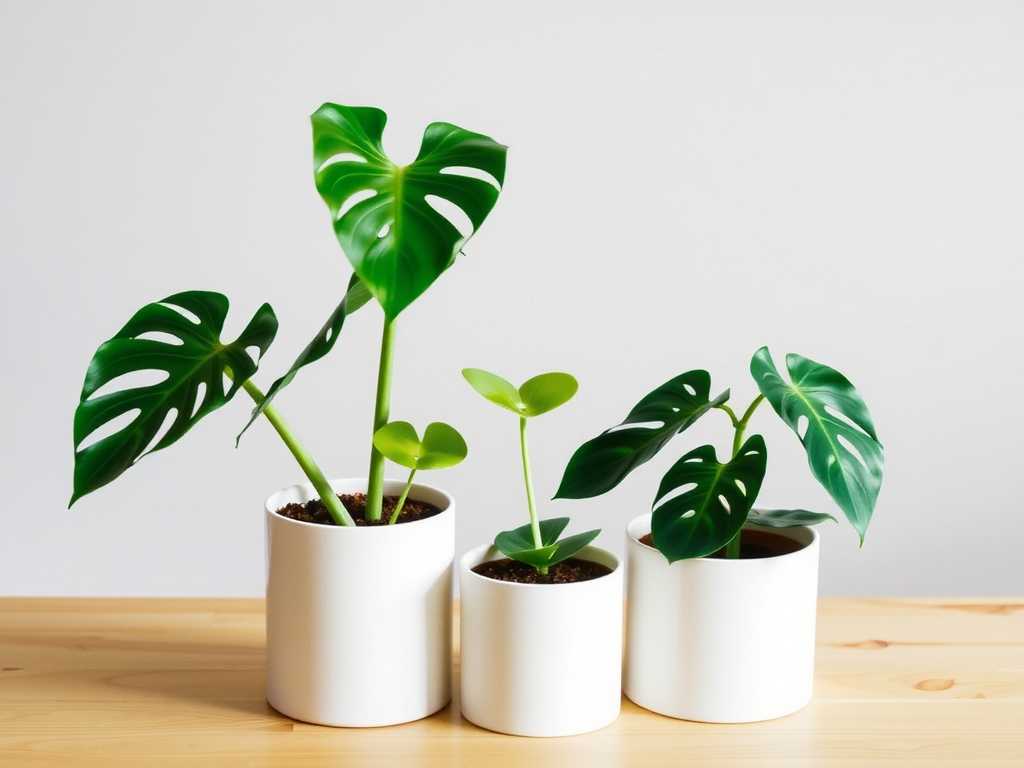
If you’ve ever felt a pang of envy seeing those stunning, floor-to-ceiling Monsteras with huge, fenestrated leaves, while yours seems stubbornly bushy and reluctant to climb, you’re not alone. I was in the exact same spot. I loved my Monstera, but it was spreading out awkwardly, taking up too much space without achieving that iconic, vertical jungle look. The secret, I discovered, wasn’t just more light or fertilizer; it was providing the right support. That’s where learning proper Monstera moss pole care became a game-changer. But attaching the pole is just the first step. The real magic—and the most common point of failure—lies in how you maintain it. Through trial, error, and two weeks of meticulous observation, I’ve figured out a system that works. Let me guide you through the entire process, from choosing and attaching your moss pole to keeping it alive so it can help your plant thrive.
Why Your Monstera Desperately Needs a Moss Pole
In their natural habitat, Monsteras are hemiepiphytes. This means they start life on the forest floor but quickly seek out a tree trunk to climb. They use their aerial roots to latch onto the bark, drawing moisture and nutrients from the humid, mossy surface as they ascend towards the canopy light. Without this vertical support, they grow as a sprawling shrub. Providing a moss pole replicates this natural condition, signaling to your plant that it’s time to climb. The benefits are profound: larger leaves with more dramatic fenestrations (splits and holes), a tidier growth habit, and overall better plant health as aerial roots can engage with a moist medium.
As noted by the Royal Horticultural Society (RHS), providing appropriate support for climbing plants like Monstera deliciosa is “essential for encouraging their natural growth form and maximizing leaf size and development.” It’s not just decorative; it’s fundamental to their biology.
Choosing the Right Moss Pole: My Hands-On Comparison
Not all moss poles are created equal. I tested two main types: the traditional sphagnum moss pole and the modern coir (coconut fiber) pole.
- Traditional Sphagnum Moss Poles: These are my top recommendation. They are made of a plastic mesh tube stuffed with long-fiber sphagnum moss. Their superior water retention is key. When moist, they create a humid microclimate and give aerial roots a perfect, spongy material to penetrate. I found my Monstera’s roots actively sought out and burrowed into a damp sphagnum pole within days.
- Coir Poles: These are made from compressed coconut fiber wrapped around a stake. They are more durable and often cheaper. However, as the American Horticultural Society (AHA) points out in their guides on plant supports, coir has “excellent drainage but lower water retention compared to sphagnum moss.” This was my experience exactly. The coir pole dried out very quickly and my plant’s aerial roots seemed less interested, merely resting against it rather than gripping into it.
For true how to attach monstera to moss pole success that encourages root attachment, a sphagnum moss pole is the clear winner.
Step-by-Step: How to Attach Your Monstera to a Moss Pole (The Right Way)
This is where I made my first big mistake. I simply stuck a pole in the pot and loosely tied the stems. Two weeks later, nothing had changed. Here’s the corrected, effective method I used in my second, successful attempt.
1. Preparation is Everything. Water your Monstera a day before the operation. A well-hydrated plant is more flexible and less prone to transplant shock. Soak your sphagnum moss pole thoroughly until it’s fully saturated—this is crucial. Let the excess water drain.
2. The Gentle Uproot. Carefully remove your Monstera from its pot. Gently loosen the root ball to see the main stem structure. Identify the back of the plant—this is the side where most aerial roots or nodes (the bumpy bits where leaves and roots emerge) are concentrated. This is the side that will face the pole.
3. Strategic Positioning. Place the soaked moss pole deep into the pot, close to the center but slightly towards the back of the plant. You want the node-dense side of the stem to be in direct contact with the moist moss. This isn’t just about support; it’s about offering an inviting surface for roots.
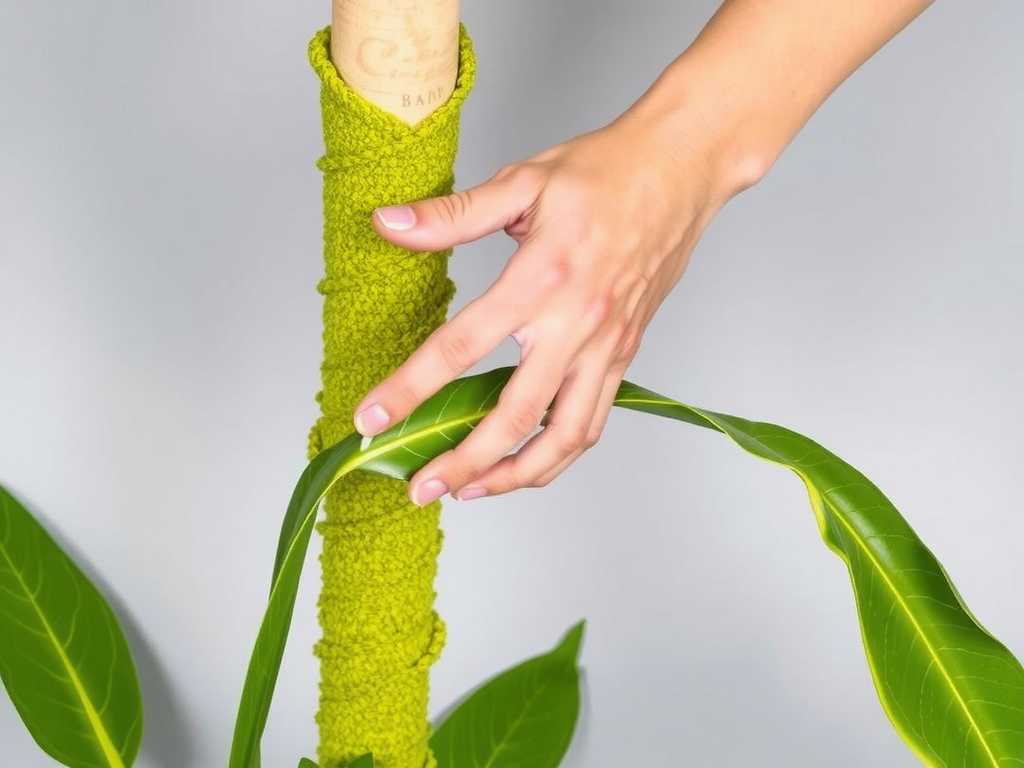
4. Secure with Care. Now, attach the main stem to the pole. Do not use wire or anything that can cut into the stem. I use soft plant velcro or flexible rubber-coated ties. Make a loose loop in a figure-8 pattern: one loop around the stem (not a leaf petiole!), and the other around the pole. The tie should be snug but not tight—think of a supportive hug, not a constricting belt. The stem needs room to thicken as it grows.
5. Repot and Settle. Place the plant, now attached to its pole, back into the pot, adding fresh potting mix around it. Firm the soil gently, water it lightly to settle the roots, and place it in bright, indirect light.
The Critical Follow-Up: Maintaining Your Moss Pole
Attaching the pole is only 20% of the job. Maintaining a moss pole for monstera is the ongoing 80% that guarantees results. Here was my two-week observation and maintenance log:
- Days 1-3: The plant looked slightly droopy (normal post-repotting stress). The pole surface felt cool and damp.
- Day 4: First check. The top of the pole was already drying out, though the base was still moist. I used a spray bottle to thoroughly mist the entire pole until it was dripping. I saw a tiny, nub-like aerial root making contact with the moss.
- Day 7: The drying pattern continued. Misting alone wasn’t enough to re-saturate the core. This was my second “aha” moment. I started pouring water slowly down the top of the pole, allowing it to seep through the moss. The difference was immediate—the pole stayed moist for days longer.
- Days 10-14: I established a routine: a deep top-watering for the pole every 5-7 days, and light misting every 2-3 days to maintain surface humidity. By the end of the second week, that initial aerial root nub had visibly pressed itself into the moss, and a new leaf was unfurling more vertically, already leaning towards the pole.
My Big Mistake & Fix: I initially let the pole dry out completely. The aerial roots stopped growing towards it. The fix was the “top-watering” method. For an extra boost, I occasionally add a very diluted liquid fertilizer to the water I pour down the pole, providing direct nutrients to the new anchoring roots.
Advanced Tips for a Thriving, Climbing Monstera
- Encouraging Attachment: Gently guide new aerial roots towards the moist moss. You can pin them lightly with a bent hairpin or just position them.
- When to Upgrade: Your Monstera will outgrow its pole. When the top growth is unstable or leaning heavily away, it’s time to extend your pole or add a new section on top.
- The Humidity Factor: Moss poles thrive in higher humidity. If your home is very dry, misting and pole watering become even more critical. Grouping plants or using a humidifier helps immensely.
Frequently Asked Questions
How long does it take for aerial roots to attach? Don’t expect instant attachment. In my experience, with a consistently moist pole, you might see initial root contact and adherence within 2-3 weeks. Full, strong attachment where the plant is genuinely supporting itself can take several months. Patience and consistent moisture are key.
Can I use a moss pole for other plants? Absolutely! This method is fantastic for any climbing aroid, like Philodendrons (especially climbing varieties like ‘Micans’ or ‘Brasil’), Pothos, and Scindapsus. They all share the same epiphytic tendency and will respond beautifully to a proper moss pole.
My moss pole is growing mold. What should I do? A small amount of white mold on the surface is common and usually harmless in a plant environment, often indicating organic matter. However, it can be a sign of over-saturation and poor air circulation. Scale back watering frequency slightly, increase airflow around the plant, and you can gently scrape off the mold. If it’s severe, you may need to replace the moss.
Watching a Monstera embrace its moss pole is one of the most rewarding experiences in plant care. It’s a conversation with the plant’s natural instincts. The process requires more than a one-time setup; it demands attentive maintenance. By choosing a water-retentive sphagnum pole, attaching it correctly to encourage root contact, and committing to a simple watering routine, you’re not just staking a plant. You’re building a living, supportive partnership that unlocks your Monstera’s true, majestic potential. Start today, and in a few months, you’ll be the one with that stunning, vertical jungle in your living room.
发表评论