 admin
admin Monstera Fertilizer Guide: What to Use & When to Feed
I’ve killed a Monstera. There, I said it. It wasn’t neglect; it was love, or what I thought was love, in the form of a heavy-handed fertilizer routine. The guilt of watching those iconic leaves yellow, then crisp at the edges, is what sent me down a rabbit hole of research and experimentation. If you’re here, you likely share that fear—the anxiety of wanting your Swiss Cheese Plant to thrive but being paralyzed by questions. What fertilizer is best? How often is too often? I’ve been there, and after years of trial, error, and consultation with experts, I’ve built a system that works. This guide is the one I wish I had: a practical, step-by-step walkthrough from a fellow plant parent who’s learned from every mistake.
Understanding Your Monstera’s Hunger: It’s Not Just Food
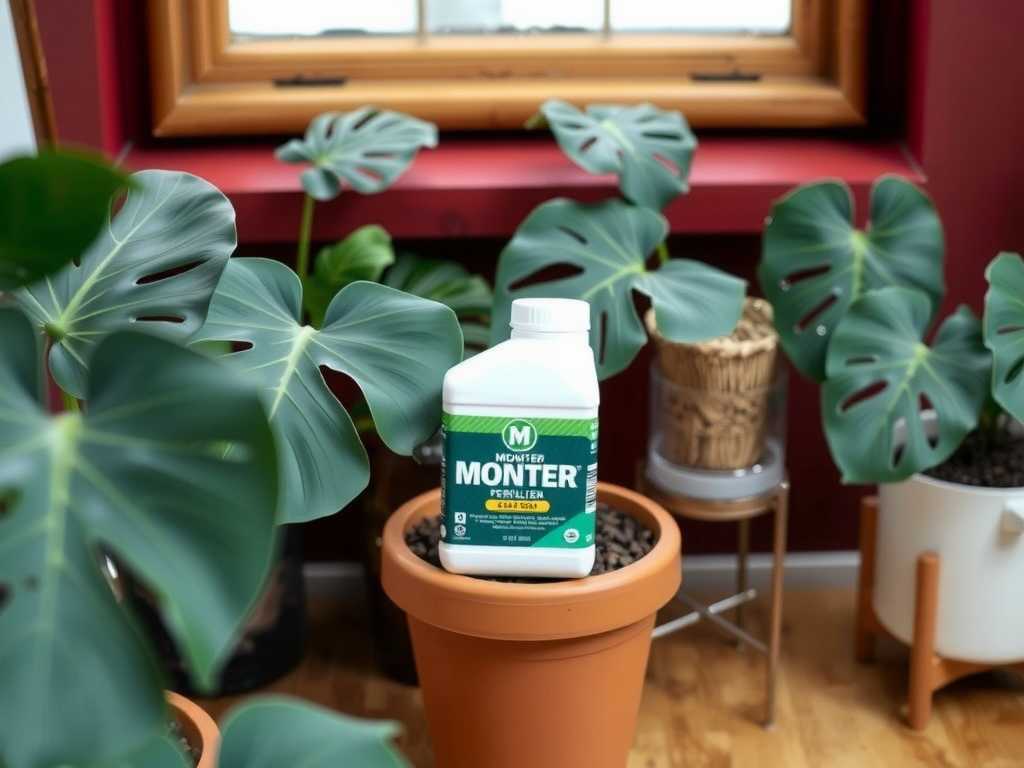
Before we talk about what to feed, we need to understand what a Monstera is and what it needs. Native to the rainforests of Central America, Monsteras are epiphytic plants. This means in the wild, they don’t root in rich soil but instead climb trees, gathering nutrients from the air, rain, and decomposing matter around their aerial roots. They are not heavy feeders compared to, say, a fruiting tomato plant. Their needs are specific and moderate.
The three key nutrients—the N-P-K you see on every fertilizer bottle—play distinct roles:
- Nitrogen (N): For lush, green leaf growth. A deficiency leads to pale, yellowing leaves, especially older ones.
- Phosphorus (P): Supports strong root development and overall plant energy processes.
- Potassium (K): The regulator. It ensures efficient water use, strengthens cell walls, and is crucial for developing those beautiful fenestrations (the splits and holes).
An imbalance, particularly an excess of nitrogen, can force rapid but weak, soft growth with fewer fenestrations. The Royal Horticultural Society (RHS) emphasizes that over-fertilization is a far more common cause of houseplant decline than underfeeding, as it leads to toxic salt buildup in the potting mix.
My Fertilizer Toolkit: What I Actually Use and Why
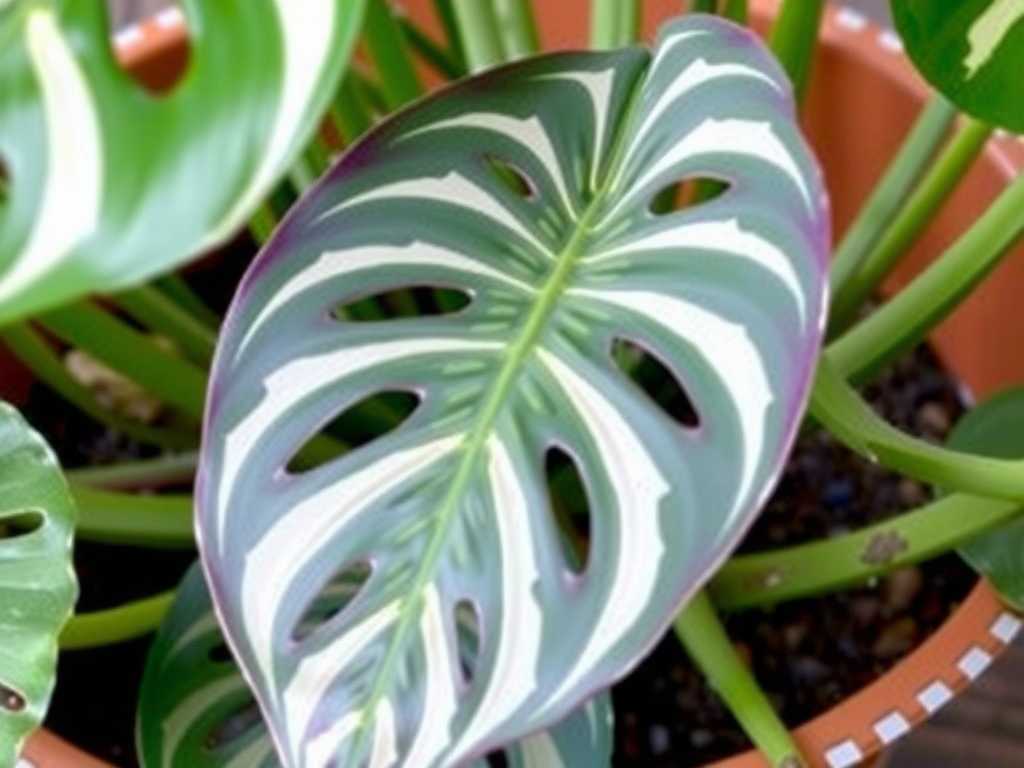
Through testing, I’ve narrowed my shelf down to two primary types of fertilizer, each for a specific purpose.
1. The All-Rounder: Balanced Liquid Fertilizer My daily driver is a balanced, water-soluble fertilizer with an N-P-K ratio close to 3-1-2 or 5-2-3. I currently use a 3-1-2 formula derived from fish and seaweed. Why?
- Gentle Nutrition: It provides a complete, mild meal that mimics the gentle, constant nutrient trickle a Monstera would get in nature.
- Easy Control: I can dilute it to half or even a quarter strength, which is my golden rule for Monsteras. “Weakly, weekly” during the growing season is a mantra many experts, including those from the American Horticultural Society (AHS), endorse for container plants to avoid salt accumulation.
- Observable Results: When used correctly, the plant responds with steady, firm growth. The new leaves unfurl with a deep green hue and develop fenestrations earlier in the plant’s life.
2. The Growth Booster: Foliar Feed (Used Sparingly) This was my “aha!” experiment. I use a very dilute version of the same liquid fertilizer as a foliar spray every 4-6 weeks during peak growth (late spring/summer). Monsteras can absorb nutrients through their stomata (pores on the leaves). I spray the undersides of the leaves lightly in the early morning. My observation over a 2-week period after the first application was remarkable: a pending, slightly sluggish leaf seemed to perk up and unfurl more vigorously over the next week compared to previous leaves. The坑 I踩过 (The pitfall I encountered): I initially sprayed in direct sunlight, which can cause leaf burn. I also overdid it, leaving residue. The solution? Morning only, light misting, and always ensuring good air circulation afterward.
The Non-Negotiables: When and How to Feed Your Monstera
Getting the product right is only half the battle. Timing and technique are everything.
The Golden Feeding Schedule: Syncing with Growth Cycles
- Spring & Summer (The Feast): This is the active growing period. I follow the “weakly, weekly” approach. Every time I water, I add a half-strength dose of my balanced liquid fertilizer to the water. This consistent, mild feeding supports sustained growth.
- Fall (The Wind-Down): As daylight wanes, so does the Monstera’s appetite. I start to space out feedings to once every 3-4 weeks, still at half-strength.
- Winter (The Rest): Stop fertilizing. This is non-negotiable. The plant is dormant or growing very slowly. Feeding it now is like offering a heavy meal to someone sleeping—it won’t be used and will harm the system. I made this mistake early on, leading to those yellowing leaves and burnt tips as salts built up in the dormant soil.
My Step-by-Step Feeding Ritual
- The Soil Check: I never fertilize dry soil. It can shock the roots. I always water first with plain water until it runs freely from the drainage holes.
- The Dilution: I prepare my fertilizer solution in a watering can, using half the amount recommended on the label for indoor plants.
- The Application: I pour the solution evenly around the soil surface, avoiding the leaves and stem base, until it just begins to drain out. This ensures the entire root zone is fed.
- The Drainage: I let the pot drain completely in the sink. Never let the pot sit in a saucer of fertilizer runoff.
Troubleshooting: Reading Your Monstera’s Leaves
Your plant will tell you if the feeding is wrong.
- Yellow Leaves, Brown Crispy Edges: This was my classic over-fertilization sign. The salt buildup “burns” the roots, preventing water uptake. The fix: I stopped feeding immediately and performed a “soil leach.” I placed the plant in a sink or shower and slowly ran a large volume of water (3-4 times the pot’s volume) through the soil to flush out excess salts. I then let it drain thoroughly and resumed a correct, diluted schedule after a month.
- Pale Leaves, Slow Growth: This could indicate underfeeding, but check light first! If light is sufficient, try resuming a diluted feeding schedule.
- Lack of Fenestrations: While primarily a light issue, consistent, appropriate nutrition for Monsteras also plays a supporting role. A plant struggling for nutrients won’t have the energy to produce complex, split leaves.
Can I Use Organic Options Like Compost Tea? Absolutely. I occasionally use a well-brewed, diluted compost tea as a soil drench. It introduces beneficial microbes and provides a broad spectrum of nutrients. The effect is subtler than liquid fertilizer but excellent for long-term soil health. The key is ensuring the brew is mature and well-diluted to avoid odor or pests.
What about slow-release fertilizer pellets? I’ve used them as a low-maintenance supplement in large pots. They provide a steady, small nutrient release. However, I find them less controllable. During winter, they can still release small amounts, which I prefer to avoid. If you use them, choose a formula for tropical foliage and apply at half the recommended rate.
How do I know if my potting mix already has fertilizer? Many premium potting mixes contain slow-release fertilizer. Check the bag—it will often say “feeds for 3-6 months.” If so, do not add additional fertilizer for that period. I learned this the hard way by “double-feeding” a newly repotted plant, which led to immediate stress. When in doubt, wait 2-3 months before starting your fertilizer routine.
My final piece of advice is this: Think of fertilizer as a vitamin, not a meal. The real “food” for your Monstera comes from sunlight and water. Fertilizer merely supplements the micronutrients missing from its confined pot environment. When you align your feeding with its natural rhythms—abundant in growth season, absent in dormancy—you’ll be rewarded with a resilient, spectacular plant that grows not just quickly, but healthily. Observe, go slow, and let your Monstera guide you.

发表评论