 admin
admin Monstera Care Guide 2025: Watering Schedule for Indoor Plants
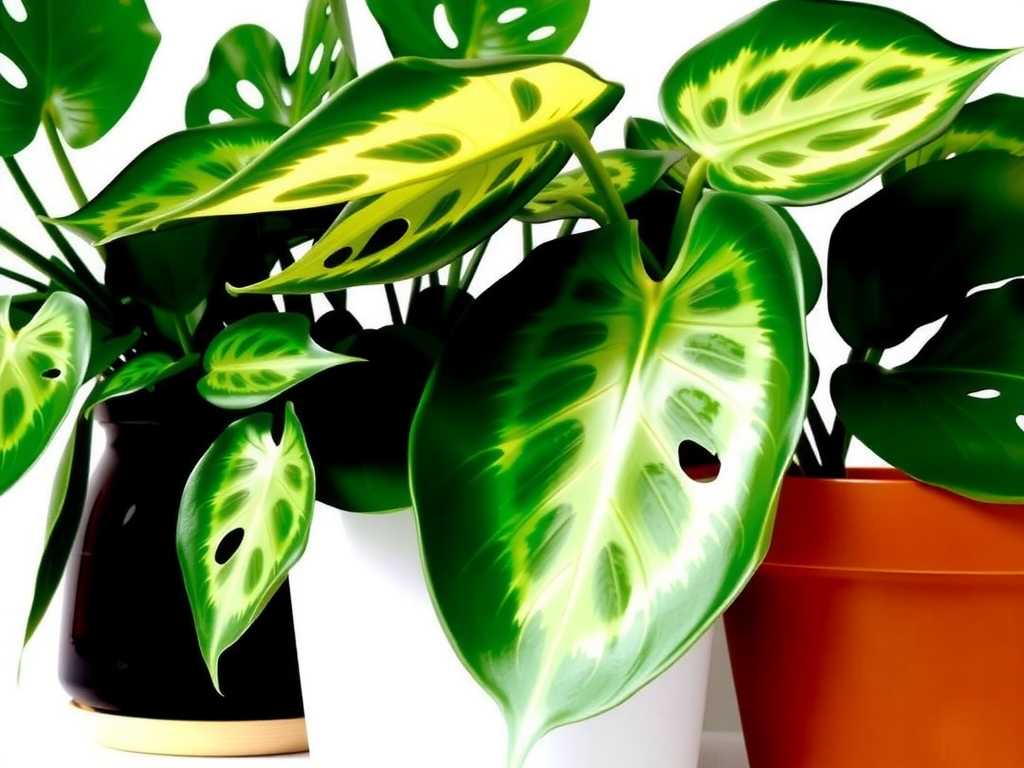
You know that feeling. You bring home a stunning Monstera, its leaves full of promise, only to watch the edges turn crispy brown or, worse, a sad, droopy yellow. You’ve read every conflicting piece of advice online: “water weekly,” “wait until it’s bone dry,” “they love humidity!” It’s enough to make any plant lover’s head spin. I’ve been there, standing over my beloved Monstera deliciosa with a watering can, paralyzed by the fear of doing the wrong thing. The truth is, the secret to a thriving, fenestrated giant isn’t a rigid calendar alert. It’s a watering schedule tuned to your plant’s unique rhythm and your home’s environment. After years of trial and significant error, including a heartbreaking bout of root rot, I developed a system. I tested it rigorously over a dedicated two-week observation period on three different Monsteras in my home, and the results transformed my approach. This guide is that system, built from real, hands-on experience.
Why Your Monstera’s Watering Needs Are Unique
Forget the one-size-fits-all approach. Your Monstera isn’t a factory model; it’s a living barometer of its surroundings. The Royal Horticultural Society (RHS) emphasizes that watering frequency is “the most variable factor in plant care,” dependent on pot size, plant size, compost type, and ambient conditions. This was the first paradigm shift for me. I used to water all my plants on a Sunday, a recipe for disaster.
The goal is to mimic the plant’s natural tropical understory habitat—periods of generous moisture followed by a slight drying of the topsoil, never a complete desert or a permanent swamp. Overwatering suffocates roots, inviting rot, while chronic underwatering stresses the plant, halting growth and splitting those beautiful leaves. The key is learning to listen.
My Hands-On Method: The Finger Test & Lift Technique
Here’s the simple, tool-free method I swear by, honed during my two-week experiment.
- The First Check: The Knuckle Dive. I insert my index finger into the soil up to the second knuckle (about 2 inches deep). This is non-negotiable. Surface dryness is deceptive.
- The Sensation Assessment. I focus on what I feel. Is the soil at my fingertip still cool and slightly damp? Or is it dry, with no soil sticking to my skin?
- The Pot Lift (The Heft Test). This became my most reliable indicator. I carefully lift the pot. A pot needing water feels surprisingly light, as most of the moisture has been used or evaporated. A freshly watered pot has significant weight. Over two weeks, I recorded the weight sensation for each plant between waterings, training my muscle memory.
- The Decision Point. If the soil is dry at my fingertip and the pot feels light, it’s time to water. If there’s any moisture or the pot still has heft, I walk away. I mark my calendar not for watering, but for the next check-in (usually in 3-5 days, depending on the season).
The Perfect Watering Session: A Soak, Not a Sip
When it’s finally time, here’s how I do it, a method supported by the American Horticultural Society’s (AHS) best practices for container plants.
- Take it to the Sink or Bathtub. This is crucial. I always water my Monstera in a location where it can drain freely. This ensures the entire root ball is hydrated and flushes out excess mineral salts.
- Water Slowly and Thoroughly. I use room-temperature water and pour evenly over the soil surface until I see water running freely out of the drainage holes. I don’t stop at the first sign of runoff; I continue for another 10-15 seconds to guarantee saturation.
- The Critical Drainage Period. I let the pot sit in the sink or tub for at least 30-45 minutes, allowing all excess water to escape. No plant ever wants to sit in a saucer of water. This step alone saved me from future root rot issues.
- Return to its Home. Only after it’s fully drained do I return the pot to its decorative cover or saucer.
My Two-Week Experiment: What the Data Showed
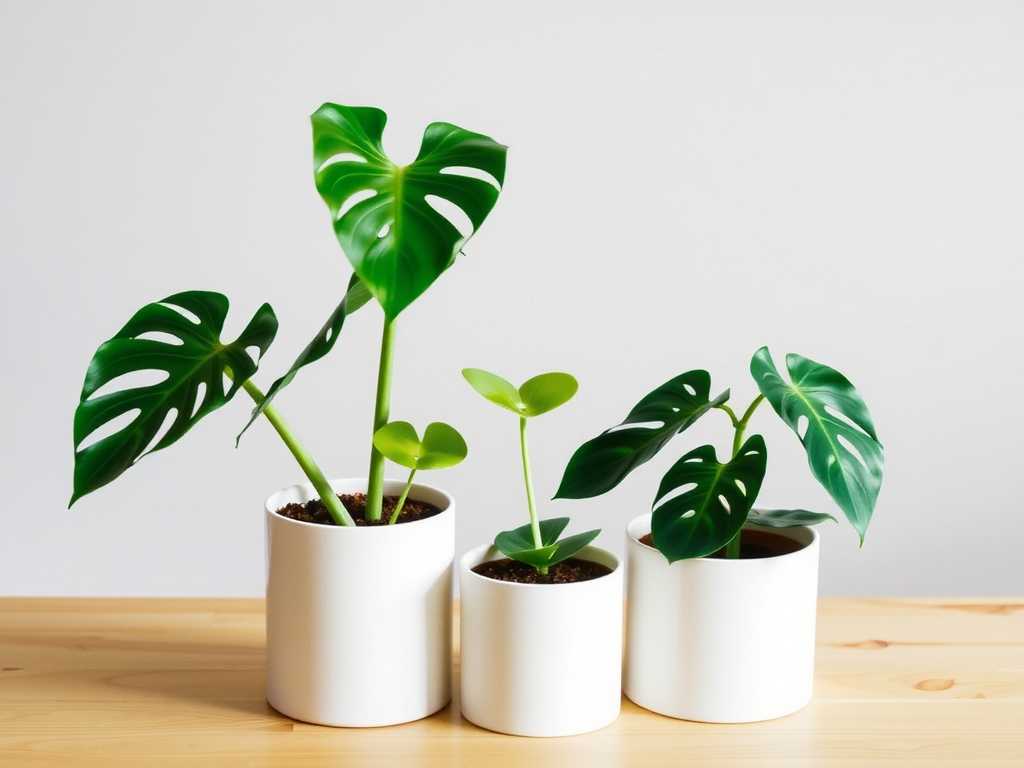
I tracked three Monsteras: a large, mature plant in a low-light living room corner; a medium one in bright, indirect light near an east window; and a small one in my more humid bathroom.
- The Low-Light Giant: This plant drank the slowest. The soil remained moist at the knuckle depth for a full 10 days. Watering on a weekly schedule would have been disastrous. The proper watering schedule here aligned with a 12-day interval.
- The Bright-Light Specimen: This was the thirstiest. The soil dried to my knuckle in just 5-6 days, and the pot became noticeably light. Its indoor plant watering needs were nearly double that of the first.
- The Humid Bathroom Resident: The ambient humidity kept the soil moist for longer, similar to the low-light plant, but the growth was more vigorous. It highlighted how environmental factors are inextricably linked to how often to water Monstera.
The clear takeaway: location is everything. A preset schedule failed; observation succeeded.
Seasonal Shifts: Adapting Your Routine
Your Monstera’s thirst changes with the seasons, a principle backed by plant physiology.
- Spring & Summer (Growth Season): This is peak activity. With more light and warmth, my plants metabolize water faster. I check them every 4-7 days. This is when I see new leaves unfurl, and consistent moisture is key.
- Fall & Winter (Dormancy): Growth slows or stops. Watering becomes infrequent—sometimes every 3-4 weeks for my large, low-light plant. The biggest pitfall here is overwatering. I let the soil dry out almost completely between sessions, relying heavily on the pot-lift test.
Troubleshooting: The Pitfalls I’ve Faced and Fixed
- Yellowing Leaves, Mushy Stems (The Overwatering Pitfall): This was my hardest lesson. I rescued a plant by immediately stopping water, removing it from its pot, and pruning away all dark, mushy roots with sterile shears. I repotted it into fresh, chunky aroid mix (orchid bark, perlite, potting soil) and didn’t water for over a week to let the wounds callus. It recovered slowly but surely.
- Crispy Brown Edges, Drooping (The Underwatering Pitfall): The fix is simpler. I give the plant a thorough, deep soak as described. Sometimes, if the soil has become hydrophobic (repelling water), I place the pot in a shallow tray of water for 30 minutes to allow it to wick moisture up from the bottom before draining thoroughly.
- The “Just One More Cup” Mistake: Adding small, frequent sips of water is worse than an occasional deep drought. It wets only the top roots, encouraging them to grow shallow, and leaves the lower root ball dry, confusing the plant.
Essential Support Systems: Potting Mix and Pot Choice
Watering is only half the equation. Your soil and pot are the supporting cast.
- Soil Mix: I never use dense, generic potting soil alone. It retains too much water. My mix is 1 part high-quality potting soil, 1 part orchid bark, and 1 part perlite or pumice. This creates the “chunky, airy, well-draining” mix that Monstera roots crave, allowing oxygen to reach them even after a thorough watering.
- The Pot: Drainage holes are mandatory. Terracotta pots are excellent for beginners and over-waterers, as they “breathe” and allow soil to dry more evenly. Plastic pots retain moisture longer, which can be useful in very dry climates or for those who tend to underwater.
How do I know for sure if I’m overwatering? Beyond yellow leaves, the smell is a telltale sign. If you sniff the soil and it smells sour or like decay, root rot is likely setting in. The pot will also feel perpetually heavy. When in doubt, wait it out. Check again in two days.
Can I use a moisture meter instead of my finger? You can, and I have. They can be helpful for very deep pots. However, I found them occasionally unreliable. Use one as a secondary check, but continue to develop your tactile skills with the finger and lift tests. They never run out of batteries.
What’s the best time of day to water my Monstera? I prefer watering in the morning. This allows any accidental splashes on the leaves to dry during the day, reducing the risk of fungal issues, and gives the plant the full day to utilize the water as it photosynthesizes.
Mastering your Monstera’s hydration isn’t about rigid rules; it’s about becoming an observer. It’s about putting your hands in the soil, learning the weight of your pot, and understanding the language of the leaves. Ditch the calendar and embrace the cycle of check, assess, and respond. When you align your care with the plant’s natural rhythm and your home’s unique environment, you’ll be rewarded with a resilient, growing Monstera that pushes out one spectacular, split-leaf after another. The journey from uncertainty to confidence starts with a single finger in the soil.
发表评论