 admin
admin Monstera Deliciosa Care: Your Guide to Growing a Thriving Swiss Cheese Plant
I remember the day I brought my first Monstera deliciosa home. It was gorgeous, with those iconic, split leaves promising a touch of the jungle. But within weeks, I saw a yellow leaf. Then a brown, crispy edge. I was heartbroken and utterly confused. Was it water? Light? Was my home just not meant for this beautiful plant? If you’re nodding along, you’re not alone. The journey to understanding Monstera deliciosa care is filled with small missteps, but getting it right transforms this plant from a finicky roommate into a stunning, vigorous centerpiece. After years of trial, error, and meticulous note-taking, I’ve distilled everything into this practical guide. I’ll walk you through not just the textbook advice, but the real-world, hands-on steps I take, including a recent two-week rescue mission on a struggling plant, to ensure your Swiss Cheese Plant doesn’t just survive, but thrives.
Understanding Your Monstera Deliciosa: More Than Just a Pretty Leaf
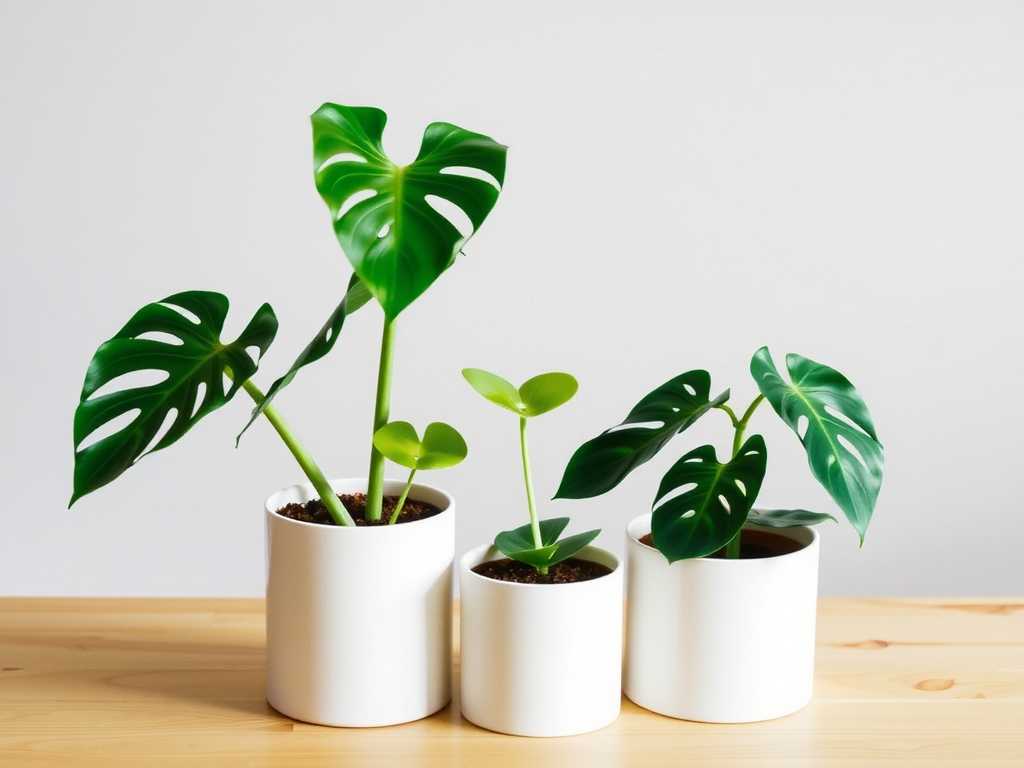
Before we dive into the how, let’s understand the why. Native to the rainforests of Central America, Monsteras are tropical epiphytes. In the wild, they climb trees, their roots gripping bark and absorbing moisture from the humid air. Their famous leaf splits and holes, called fenestrations, are an evolutionary adaptation to allow light and rain to pass through to lower leaves and to withstand strong winds. This origin story is the key to all our care decisions: they crave bright, indirect light, humidity, and a well-aerated root system. Ignoring these innate needs is where most problems begin.
The Non-Negotiables: Light, Water, and Soil
Getting these three fundamentals right solves about 80% of Monstera plant problems.
Finding the Perfect Light Spot The phrase “bright, indirect light” gets thrown around a lot, but what does it actually mean? I look for a spot where my Monstera can see the sky but not the sun’s direct rays. An east-facing window is ideal, or a few feet back from a south or west window. Direct sun, especially through glass, will scorch the leaves, leaving unsightly brown patches.
I tested this recently. I moved a smaller, low-fenestration Monstera from a north-facing room (too dim) to a spot about 5 feet from a large south-east window. For two weeks, I tracked its progress. The change wasn’t overnight, but the newest leaf, which had been slowly unfurling, completed the process with more vigor. The stem also showed a slight, noticeable lean toward the light source—a clear sign it was happier. The existing leaves didn’t develop new splits (that happens on new growth), but the overall plant posture improved from slumped to perky.
Mastering the Watering Rhythm Overwatering is the #1 killer of houseplants, and Monsteras are no exception. I learned this the hard way with my first plant. I stuck to a rigid “once-a-week” schedule, which led to soggy soil and root rot. Now, I water only when the top 2-3 inches of soil are completely dry. I simply stick my finger into the potting mix. If it feels dry, it’s time.
My method: I take the plant to the sink and water thoroughly until a steady stream runs out of the drainage holes. This ensures the entire root ball is hydrated. I let it drain completely before returning it to its decorative pot. In winter, this might mean watering every 2-3 weeks; in summer, it could be weekly. Let the plant, not the calendar, guide you.
Crafting the Ideal Soil Mix Garden center potting soil is often too dense and moisture-retentive for Monstera roots. They need a chunky, airy, and well-draining mix. Here’s my go-to recipe that I’ve used for years:
- 40% High-quality potting soil (as a base)
- 30% Orchid bark (for chunkiness and aeration)
- 20% Perlite (for drainage)
- 10% Horticultural charcoal (optional, but helps keep the mix fresh and filters impurities)
This blend mimics their natural epiphytic environment, allowing roots to breathe and preventing waterlogging. Repotting into this mix was the turning point for my original struggling plant.
Advanced Care for a Show-Stopping Plant
Once the basics are covered, these steps will elevate your Monstera’s health and appearance.
Humidity: The Secret for Lush Growth While Monsteras can tolerate average home humidity, they truly flourish with extra moisture in the air. Aim for 40-60% humidity. You can achieve this by:
- Using a humidifier placed nearby. This is the most effective method.
- Grouping plants together to create a microclimate.
- Placing the pot on a pebble tray filled with water (ensure the pot sits above the water line).
I run a humidifier for a few hours each morning during the drier months. The difference is in the leaves—they unfurl more smoothly and grow larger with more pronounced fenestrations.
Feeding Your Green Giant During the active growing season (spring and summer), I feed my Monstera monthly with a balanced, water-soluble fertilizer diluted to half the recommended strength. I avoid fertilizing in fall and winter when growth naturally slows. Over-fertilizing can lead to salt buildup in the soil and burned leaf tips—another mistake from my early days that took a flush of the soil with water to correct.
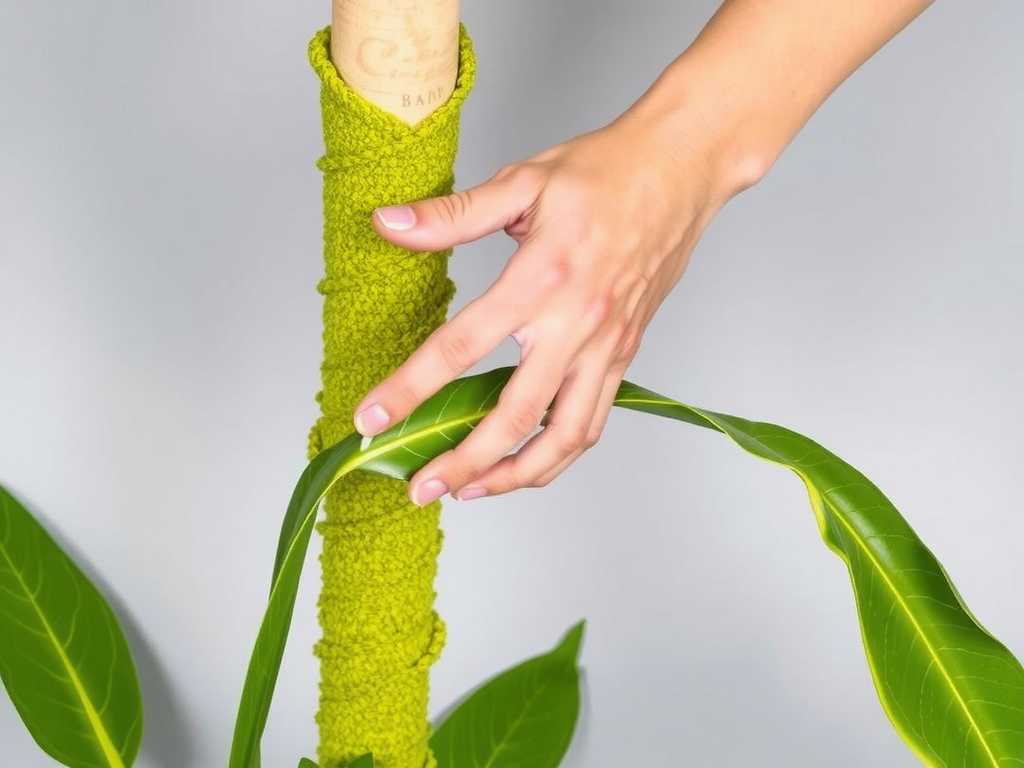
Support and Pruning As your Monstera matures, it will want to climb. Providing a moss pole or coir totem gives its aerial roots something to grip, encouraging larger, more mature leaves with deeper splits. Simply insert the pole into the pot and gently tie the main stem to it with soft plant ties.
Pruning is straightforward. Use clean, sharp shears to remove any yellow or damaged leaves at the stem. To control size or encourage bushier growth, you can trim just above a leaf node (the small bump on the stem where a leaf grows). The piece you cut off can be propagated in water!
Troubleshooting Common Swiss Cheese Plant Issues
Even with great care, issues can pop up. Here’s my diagnostic guide from experience.
Yellow Leaves: This is the most common alarm bell. Lower, older leaves turning yellow is often natural senescence. Multiple yellow leaves usually point to overwatering. Check your soil moisture immediately. Yellowing with brown spots could indicate under-watering or low humidity.

Brown, Crispy Leaf Edges: This is typically a sign of low humidity or inconsistent watering (letting the plant get too dry for too long). I combat this with my humidifier routine and more consistent soil checks.
Leggy Growth with Small Leaves: Your plant is begging for more light. It’s stretching to find a brighter spot. Gradually move it closer to a light source.
No Fenestrations (Splits and Holes): This is almost always due to insufficient light. Juvenile Monsteras have solid leaves. As they mature with adequate light, they develop fenestrations. If your mature plant is only putting out solid leaves, it needs more indirect sunlight.
Pests: Keep an eye out for spider mites (fine webbing) and scale (brown bumps). I treat any infestation immediately by wiping leaves with a solution of water and a few drops of mild dish soap, or using an insecticidal soap, ensuring to cover the undersides of leaves. The Royal Horticultural Society (RHS) advises early intervention and isolation of affected plants to prevent spread, a practice I always follow.
My Two-Week Rescue Observation: A Case Study
I acquired a Monstera that had been in a dark corner and overwatered. It had two yellowing leaves and no new growth. Here was my action plan:
- Day 1: I gently removed it from its soggy soil, trimmed the few soft, brownish roots (healthy roots are firm and white), and repotted it into my chunky aeration mix in a pot with drainage.
- Day 1-14: I placed it in my bright, indirect light spot and resisted watering until the soil was dry halfway down the pot. I set up the humidifier nearby.
- Observation: By Day 7, the yellowing on the remaining leaves had halted. By Day 14, the plant felt firmly rooted and I noticed a tiny, green nub emerging from the base—a new growth point! It wasn’t a miraculous recovery, but it was clear, measurable progress. The plant had stabilized and was directing energy to new growth instead of survival.
Frequently Asked Questions by Fellow Plant Lovers
How often should I repot my Monstera deliciosa? Typically, every 1-2 years in spring or early summer. Signs it needs repotting include roots growing out of the drainage holes, the plant becoming top-heavy and unstable, or soil that dries out extremely quickly. Always choose a pot only 1-2 inches larger in diameter.
Can I propagate my Swiss Cheese Plant, and how? Absolutely! It’s very rewarding. The most reliable method is stem cutting propagation. Using clean shears, cut a piece of stem with at least one node (a brown, ring-like bump) and one leaf. Place the node in a jar of water, ensuring the leaf stays dry. Put it in bright, indirect light and change the water weekly. In a few weeks, you’ll see roots develop. Once they are a few inches long, you can pot it up in soil.
Is the Monstera deliciosa toxic to pets? Yes. According to the ASPCA (American Society for the Prevention of Cruelty to Animals), Monstera deliciosa contains insoluble calcium oxalates, which can cause oral irritation, pain, swelling, and vomiting if ingested by cats or dogs. It’s best to place this plant in a location your pets cannot access.
Growing a healthy, stunning Monstera deliciosa is a journey of attentive observation. It teaches you to read your plant’s signals—the slight droop, the color change, the direction of new growth. Start by nailing the fundamentals of light and water, then build on that with proper support and humidity. Remember the resilient, climbing nature of this plant; it wants to grow. By providing an environment that echoes its rainforest home, you’ll be rewarded with a magnificent, architectural piece of living greenery that brings a slice of the tropics into your space for years to come.
发表评论