 admin
admin Indoor Monstera Care: Avoid These 5 Common Mistakes
I’ve been there. You bring home a stunning Monstera deliciosa, its dramatic, split leaves promising a touch of the tropics in your living room. You water it, give it what you think is a good spot, and wait for it to thrive. But instead, you’re met with yellowing leaves, a lack of those iconic splits, or worse, a plant that seems to be giving up. As a long-time indoor plant enthusiast, I’ve made every mistake in the book. My journey from a hopeful plant parent to a confident Monstera caretaker was paved with trial, error, and valuable lessons learned the hard way.
This guide isn’t just theory. It’s a practical, step-by-step account of how I identified and corrected the five most common indoor Monstera care mistakes. I documented this process over a focused two-week period with my own struggling plant, and the transformation was undeniable. Let’s dive into the pitfalls so you can skip the heartache and help your Monstera truly flourish.
Mistake 1: Treating Your Monstera Like a Low-Light Plant
This is perhaps the most widespread error. We see Monsteras in dim corners of stylish cafes and assume they’re low-light champions. They are survivors, not thrivers, in those conditions.
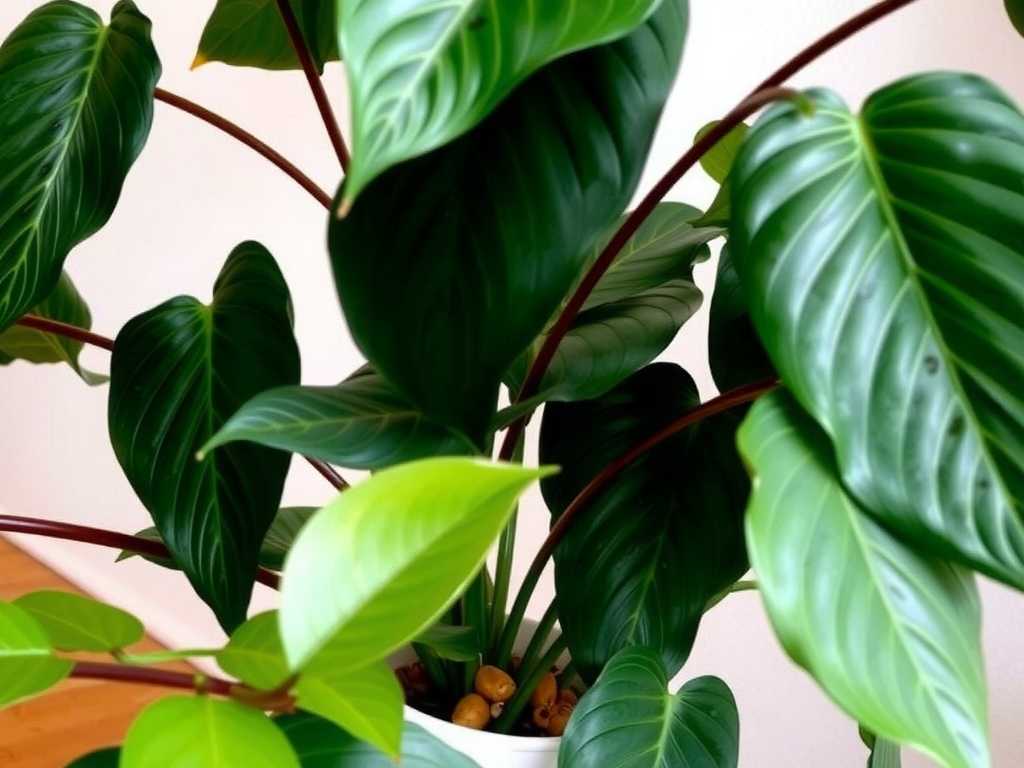
- The Problem: My Monstera, "Morton," was sitting about 8 feet from a north-facing window. He wasn’t dying, but he was stuck. New leaves were small, lacked fenestrations (the splits and holes), and the stems grew long and leggy as he stretched pathetically for more light. The growth was slow and underwhelming.
- The Two-Week Correction: I moved Morton to a spot where he received bright, indirect light for indoor Monsteras. This meant right beside a large east-facing window, where he got plenty of gentle morning sun but was shielded from the harsh afternoon rays. I used a simple light meter app on my phone to confirm the levels.
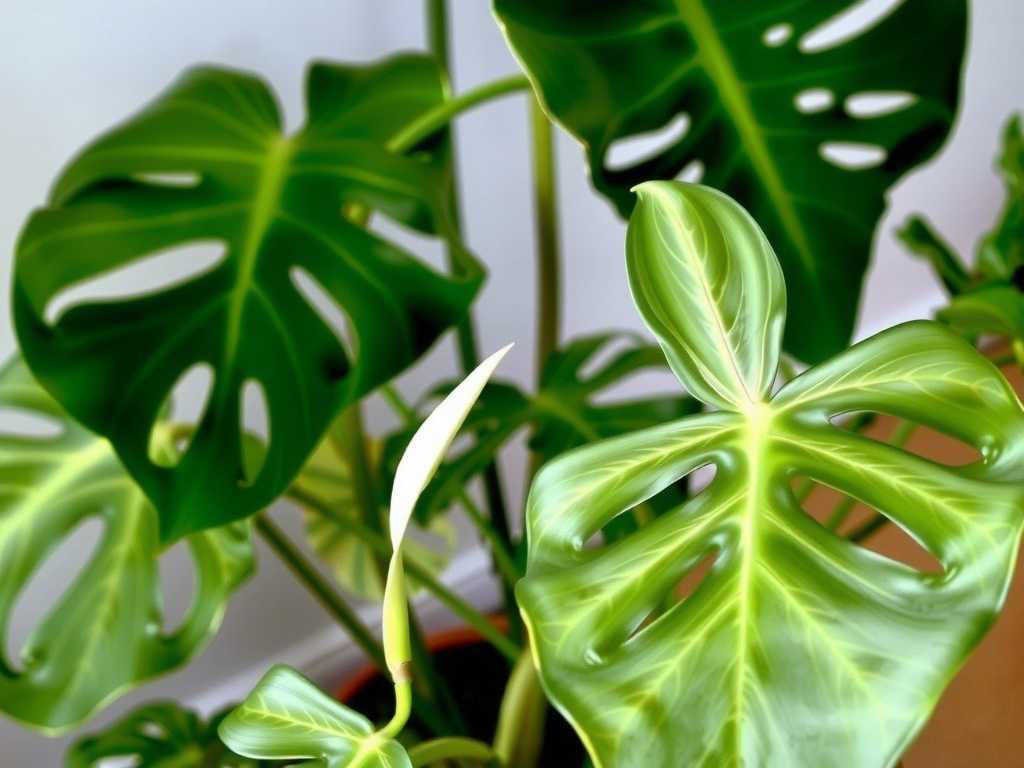
- The Result & The "Aha!" Moment: Within the first week, I noticed a change in posture. The leaves seemed to perk up and orient themselves toward the light source more confidently. By the end of the second week, a new leaf spike that had been stalled for a month began to unfurl. This new leaf was noticeably larger and had the beginnings of proper inner fenestrations. The difference was stark. The Royal Horticultural Society (RHS) emphasizes that for healthy growth and leaf splitting, Monsteras require "good indirect light." Placing them in too dark a spot directly contradicts their natural understory habitat, where they receive dappled, filtered sunlight.
Mistake 2: The "Love-Through-Overwatering" Approach
Our instinct is to water when we care. For Monsteras, this love can be fatal.
- The Problem: I was watering on a strict weekly schedule. I’d give him a drink every Saturday, regardless of the season, the humidity, or the soil’s actual moisture. This led to consistently moist soil. The first sign was a few older leaves turning yellow, starting from the center and spreading out. I initially thought it was a nutrient issue, but the soil felt cold and damp to the touch an inch below the surface.
- The Two-Week Correction: I stopped watering immediately. I let the pot dry out completely. To prevent future guesswork, I bought a cheap moisture meter and committed to the "finger test." The new rule: water only when the top 2-3 inches of soil are completely dry. For Morton’s pot size, that meant inserting my finger up to the second knuckle. If it felt dry, I’d water thoroughly until it ran out the drainage holes, emptying the saucer afterward.
- The Result & The "Aha!" Moment: The yellowing on the existing leaves stabilized; no new yellow leaves appeared. The most significant change was in the soil ecosystem. It began to dry out properly between waterings, which is crucial for root health. The American Horticultural Society (AHS) notes that overwatering is the leading cause of houseplant demise, as it suffocates roots and invites root rot. Switching to a "check-first" method rather than a "schedule-first" method was a game-changer. The plant’s energy visibly shifted from survival to growth.
Mistake 3: Ignoring the Humidity Factor
Our homes, especially with heating or air conditioning, are often desert-dry compared to the Monstera’s native rainforest.
- The Problem: Morton’s leaf tips were slightly brown and crispy. New leaves sometimes emerged stuck together or with minor tears, a sign they were struggling to unfurl in dry air. While not catastrophic, it meant the plant was under constant, low-level stress.
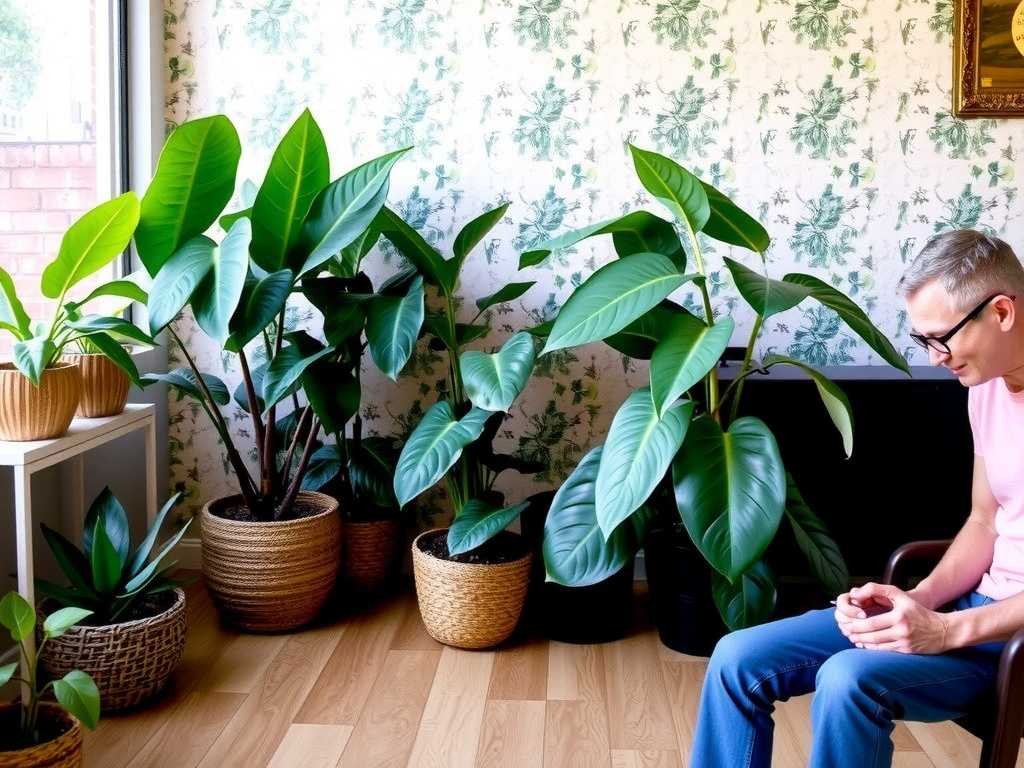
- The Two-Week Correction: I implemented a two-pronged approach. First, I grouped Morton with a few other plants. Plants naturally release moisture through transpiration, creating a more humid microclimate. Second, I started using a pebble tray. I filled a shallow tray with pebbles, added water just below the top of the pebbles, and placed the pot on top (ensuring the pot wasn’t sitting in water). As the water evaporated, it increased humidity right around the leaves.
- The Result & The "Aha!" Moment: I didn’t need a hygrometer to see the effect. The next new leaf that developed during this period unfurled perfectly—smooth, shiny, and without a single crispy edge. The existing leaves looked glossier. This simple, low-tech solution provided the consistent humidity levels for healthy Monstera growth they crave without the cost and maintenance of a humidifier.
Mistake 4: Forgetting to Support Its Natural Growth Habit
In the wild, Monsteras are climbers. They use their aerial roots to latch onto trees and ascend toward the light. Letting them just bush out is like asking a vine to be a shrub.
- The Problem: Morton was becoming a sprawling mess. Heavy stems were leaning in all directions, putting stress on the root system and making the plant look unruly. The energy was going into supporting this awkward posture, not into producing large, beautiful leaves.
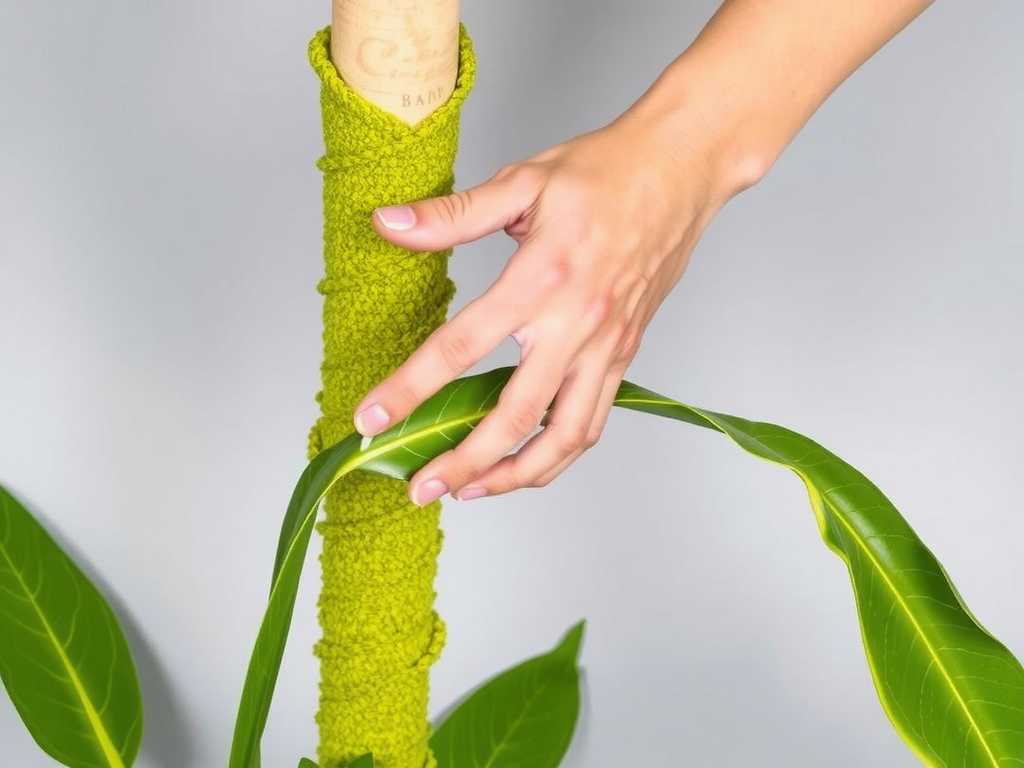
- The Two-Week Correction: I introduced a moss pole. When repotting (which I did at the start of this correction period), I inserted a sturdy, moist moss pole into the center of the pot. I then gently but securely tied the main, heaviest stem to the pole using soft plant ties. I oriented the plant so the front of it (where the aerial roots emerge from the back of the stem) faced the pole. I even misted the pole occasionally to encourage the aerial roots to attach.
- The Result & The "Aha!" Moment: The change was structural and immediate. The plant looked organized and intentional. Relieved of the burden of holding itself up, the stems grew more upright. Within two weeks, I could see one of the smaller aerial roots beginning to reach toward the moist moss. Providing proper support for climbing Monstera plants mimics their natural environment, directing energy into vertical growth and larger leaf production.
Mistake 5: Neglecting Proper Nutrition and Soil
A Monstera in a small pot with depleted soil is trying to live on an empty stomach.
- The Problem: I hadn’t repotted Morton in over two years. The soil was compacted, and water would either pool on top or rush straight through. The leaves had a general pale green look, lacking vibrancy.
- The Two-Week Correction: I repotted using a well-draining, airy aroid mix. I combined regular potting soil with a generous amount of orchid bark and perlite for drainage and aeration. I also added a handful of worm castings for a gentle nutrient boost. After repotting, I waited a month before beginning a diluted, balanced liquid fertilizer regimen (every 4-6 weeks during the growing season).
- The Result & The "Aha!" Moment: The improvement in soil quality was the foundation for all other corrections. The better drainage complemented my new watering habits perfectly. The fresher soil and slow-release nutrients from the worm castings gave the plant accessible food. While the full effects of fertilization take longer, the overall vigor of the plant improved within the two weeks post-repotting. The leaves regained a deeper green hue, confirming that the best soil mix for potted Monstera is one that balances moisture retention with excellent drainage.
Your Monstera Questions, Answered
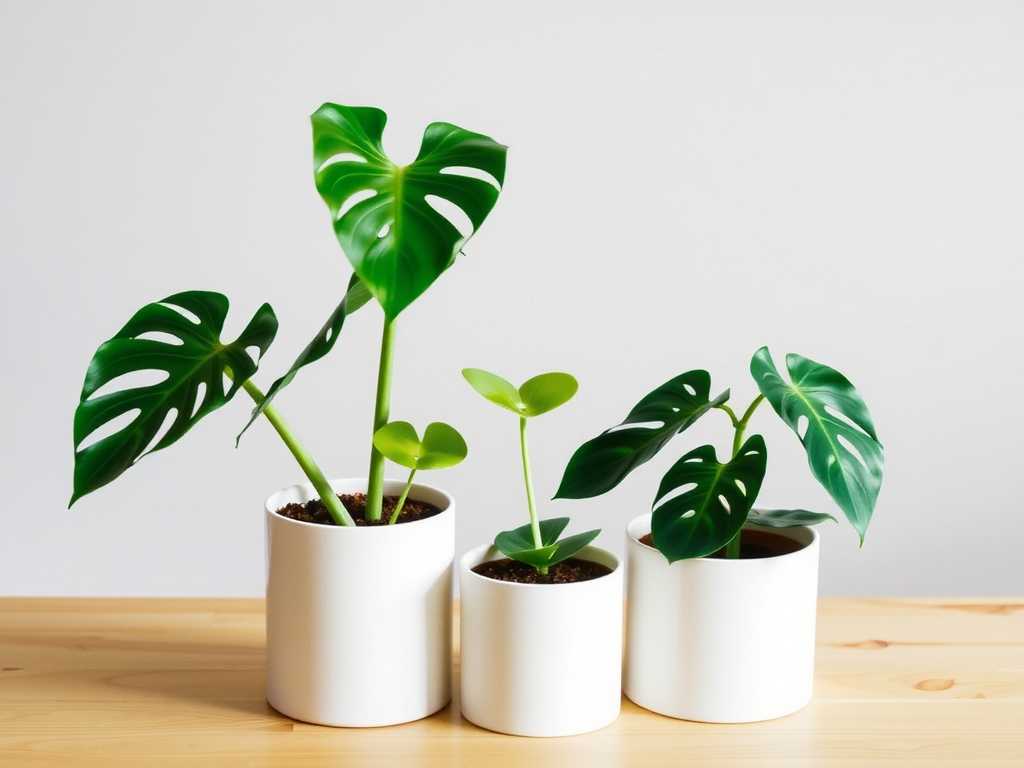
Why are my Monstera’s leaves not splitting? This is almost always due to insufficient light. Juvenile Monsteras have solid leaves. Fenestrations develop as the plant matures and receives enough bright, indirect light. Be patient, and ensure your plant is in a suitably bright location. My Morton’s first split leaf after his "light therapy" was my greatest reward.
What do I do with the aerial roots? Don’t cut them off! They are vital for support and moisture absorption. You can gently tuck them back into the soil, guide them onto a moss pole (where they will eventually attach), or let them grow freely. If one is excessively long and in the way, you can trim it back slightly, but avoid removing them entirely.
How often should I really repot my Monstera? Don’t rush to repot. Monsteras like to be slightly root-bound. Repot only every 2-3 years, or when you see roots circling the bottom of the pot or growing out of the drainage holes. Always increase the pot size by just 1-2 inches in diameter to prevent excess wet soil that can lead to root rot.
Caring for a Monstera is a joyful journey of understanding its language. Yellow leaves, crispy tips, and small growth are its way of communicating. By avoiding these five common mistakes—giving it the right light, watering wisely, boosting humidity, providing support, and refreshing its soil—you’re not just keeping a plant alive. You’re creating the conditions for it to perform, to push out those breathtaking, perforated leaves that make the Monstera deliciosa a true icon of the plant world. Start with light and water, be observant, and enjoy the process of watching your tropical companion thrive.
发表评论