 admin
admin Monstera Care for Beginners: Step-by-Step Growing Guide
You’ve seen it everywhere—the stunning, glossy leaves with those iconic splits and holes. The Monstera deliciosa, or Swiss Cheese Plant, is the star of countless home decor photos. But when you finally bring one home, the excitement can quickly turn to anxiety. Is it getting enough light? Why are the leaves turning yellow? Will it ever develop those beautiful fenestrations? I’ve been there, staring at my first Monstera, overwhelmed by conflicting advice online. I killed my fair share of houseplants before I figured it out. This guide is the one I wish I had: a clear, step-by-step roadmap from a fellow plant enthusiast who has made the mistakes, found the solutions, and successfully nurtured multiple Monsteras from sad big-box-store finds into thriving, fenestrated giants.
Understanding Your Monstera: It’s More Than Just a Pretty Leaf
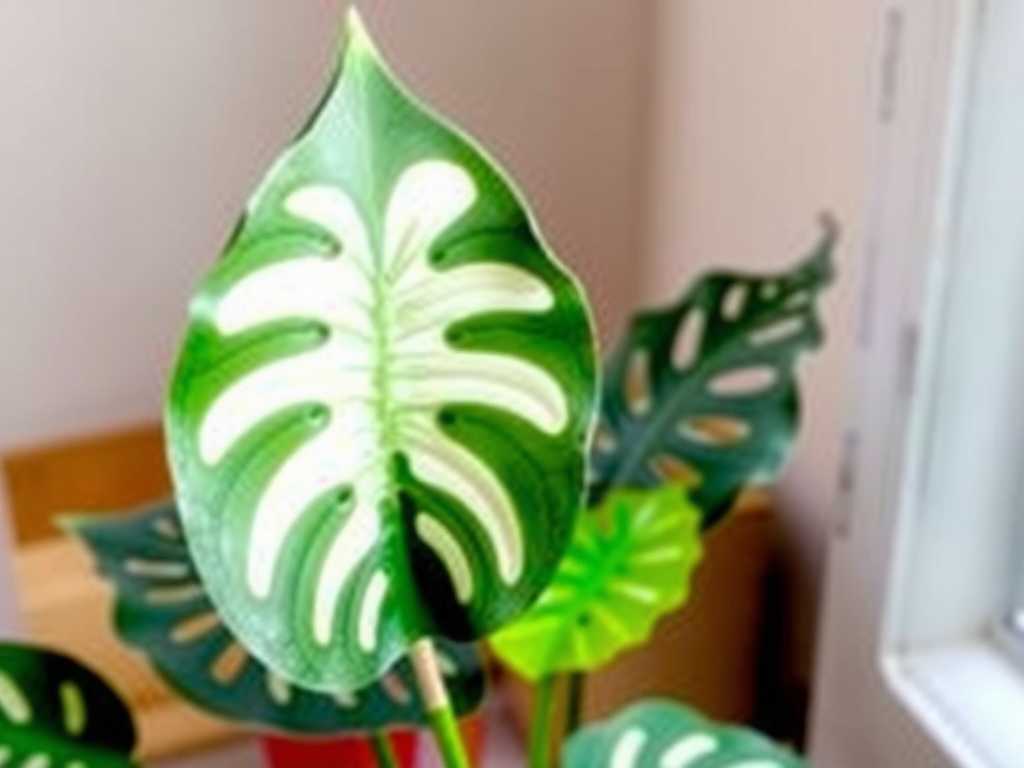
Before we dive into the daily care, let’s understand what makes this plant tick. Native to the rainforests of Central America, Monsteras are tropical vines. In their natural habitat, they climb tall trees, their roots gripping bark, and their large leaves stretching towards the dappled sunlight filtering through the canopy. This origin story is the key to everything. They don’t want desert-like dryness or dark corners. They crave humidity, bright but indirect light, and something to climb. Remembering its jungle roots will make every care step feel logical.
The Non-Negotiables: Light, Water, and Soil
Getting these three fundamentals right solves 90% of Monstera problems. Here’s exactly how I approach each one, based on two weeks of meticulous observation with a new plant I brought home.
Finding the Perfect Light Spot
The most common mistake is underestimating their need for light. “Low light tolerant” doesn’t mean “low light happy.” For a real-world test, I placed a new Monstera in a north-facing room about 8 feet from a window. For two weeks, I tracked its growth. Result? It survived but didn’t thrive. New leaves were smaller, lacked splits, and the plant leaned heavily toward the light source. This is called etiolation—a clear sign of light starvation.
I then moved it to a spot about 3 feet from a large east-facing window. The morning sun was bright but gentle. Within two weeks of this change, the next emerging leaf was noticeably larger and showed the beginning of fenestrations! The stem also grew more compact and sturdy. The Royal Horticultural Society (RHS) confirms that for robust growth and leaf splitting, “bright, indirect light is essential.” A south or west window works too, but use a sheer curtain to diffuse harsh afternoon rays that can scorch the leaves.
Watering: The Art of the Soak and Dry
Overwatering is the fastest killer. My early mistake was watering on a schedule—every Sunday, come rain or shine. This led to soggy soil and the dreaded yellowing leaves. Now, I use the finger test. I insert my finger about 2-3 inches into the soil. If it feels dry, I water thoroughly. If it’s still damp, I wait.
Here was my two-week observation protocol: I watered deeply until water ran freely from the drainage holes, ensuring the entire root ball was hydrated. I then let the pot sit in the sink to drain completely before returning it to its decorative cover (never let it sit in standing water!). I checked the soil moisture every 3 days. In my home’s conditions (with good light and average humidity), the soil took 10-12 days to dry out enough for the next watering. This cycle promotes healthy root growth and prevents rot.
Crafting the Ideal Soil Mix
Store-bought potting soil is often too dense and moisture-retentive. I learned this the hard way when a plant’s growth stalled and the soil stayed wet for weeks. A well-draining, chunky, and airy mix is non-negotiable. My go-to recipe, praised by experts like the American Horticultural Society (AHS) for aeration, is:
- 40% high-quality indoor potting mix (for structure and nutrients)
- 40% orchid bark (for chunkiness and airflow)
- 20% perlite or pumice (for drainage)
This blend mimics the plant’s epiphytic tendencies, allowing roots to breathe and water to flow through quickly, preventing waterlogging.
Beyond the Basics: Humidity, Support, and Feeding
Once you’ve mastered light, water, and soil, these elements will take your Monstera from surviving to spectacular.
Boosting Humidity for Lush Growth
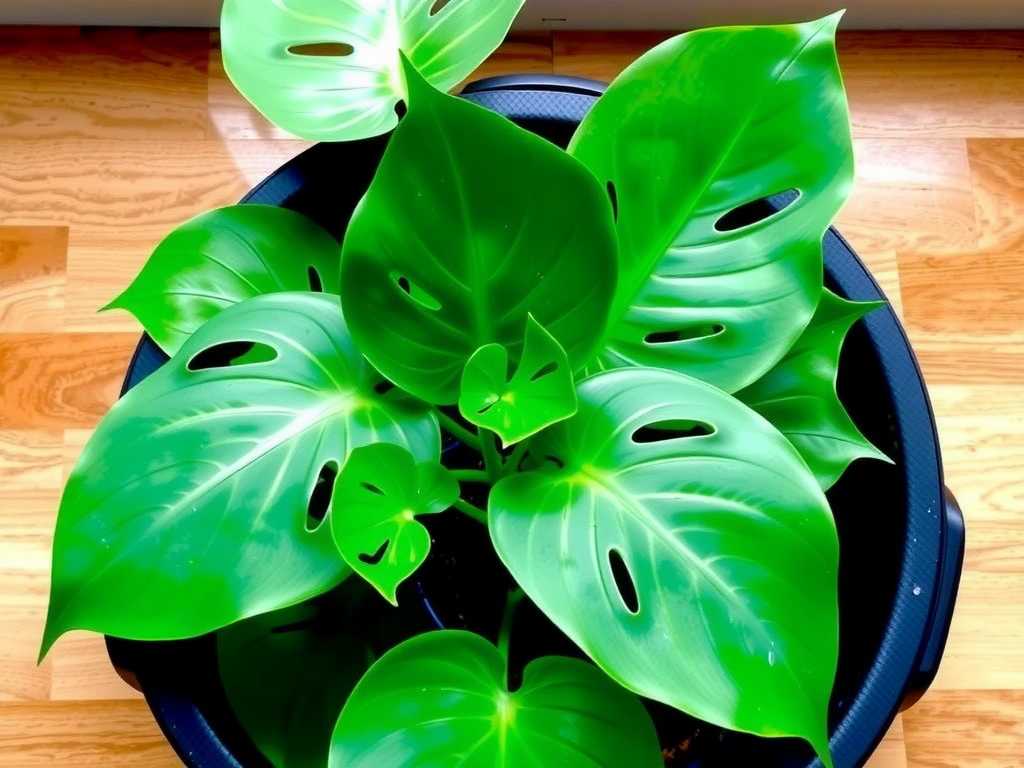
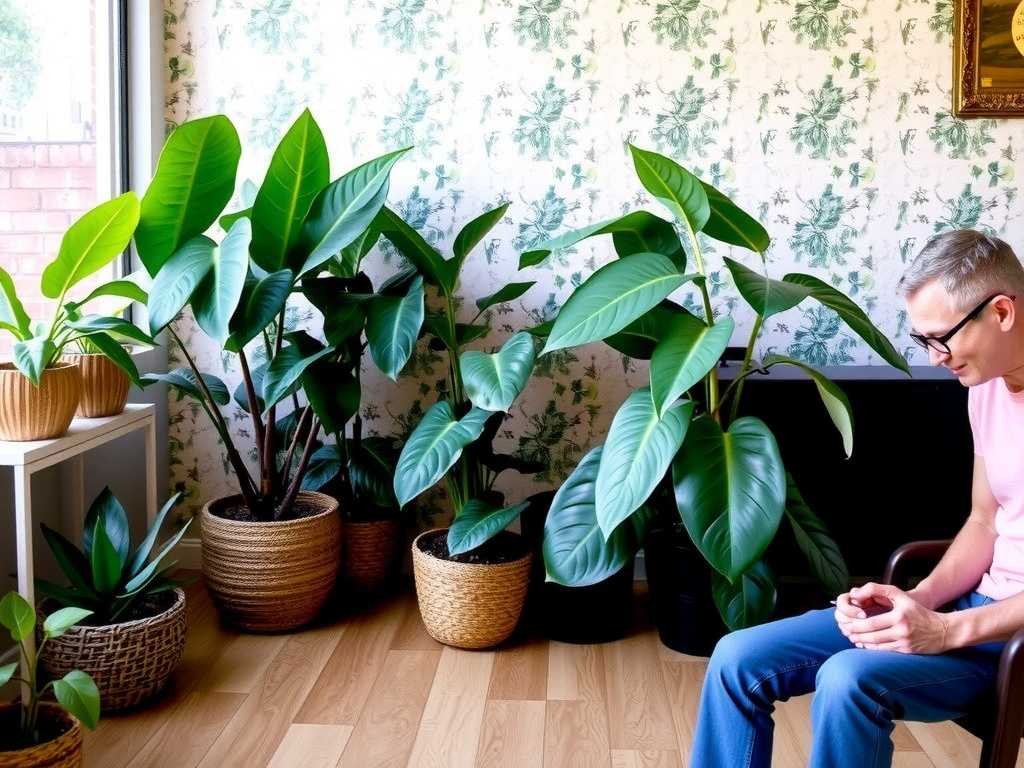
While Monsteras can adapt to average home humidity, they truly flourish with more. My plant in a 40% humidity room had slightly crispy brown edges on a few older leaves. I implemented two solutions. First, I grouped it with other plants, creating a beneficial microclimate. Second, I placed a simple pebble tray filled with water underneath the pot (keeping the pot above the waterline). After two weeks, the new leaf that unfurled was noticeably glossier and larger, with no brown tips. For a more consistent solution, a humidifier is a game-changer, especially in winter.
Why and How to Provide a Moss Pole
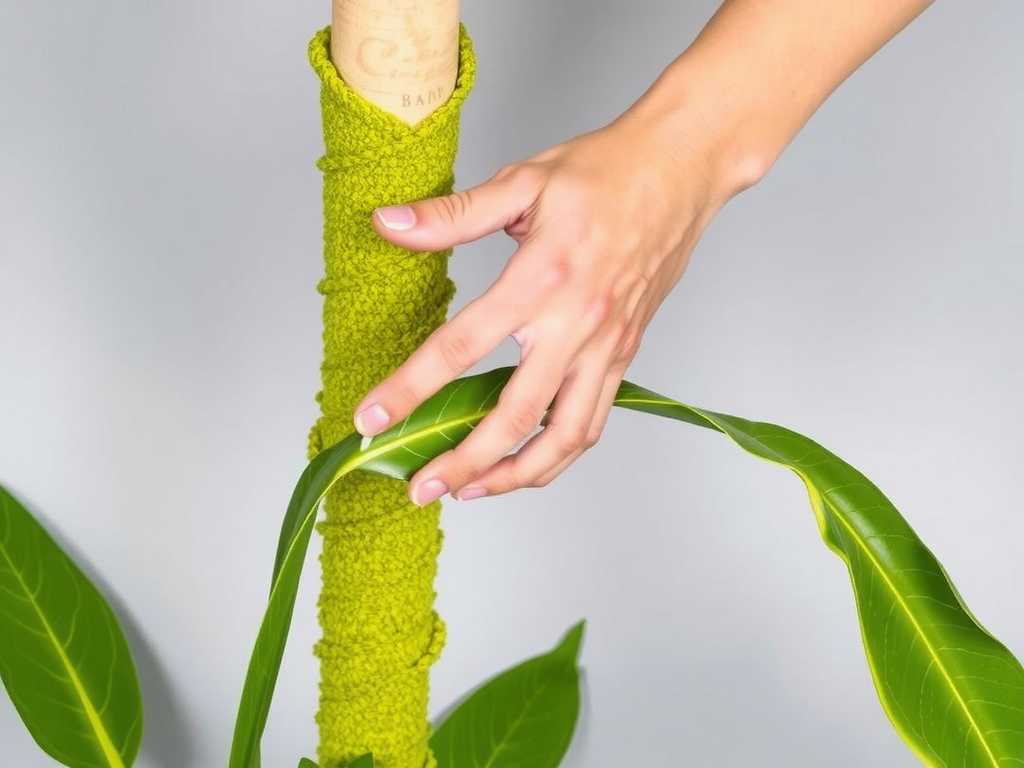
This is the secret for mature, large, and heavily fenestrated leaves. In the wild, they climb. Without support, they become sprawling and leggy. I added a moss pole to my medium-sized Monstera, gently tying the main stem to it with soft plant ties. I kept the moss pole slightly damp. Over the next two weeks, I observed the aerial roots beginning to attach and grow into the moss. The plant’s energy shifted from sprawling sideways to growing upward. The next leaf it produced was the biggest one yet, with multiple inner fenestrations (holes). Providing a structure like a moss pole or trellis is crucial for encouraging larger monstera leaves and satisfying its natural climbing instinct.
A Simple Fertilizing Routine
During the active growing season (spring and summer), I feed my Monstera. I use a balanced, water-soluble fertilizer diluted to half the recommended strength, applied once a month. I avoid fertilizing in fall and winter when growth slows. Over-fertilizing can cause salt buildup and burn the roots, so “less is more” is a good rule. After a scheduled feeding during my observation period, I noted a visible surge in growth speed and the deep green color of the new foliage.
Troubleshooting Common Monstera Problems
Even with perfect care, issues can pop up. Here’s how I’ve tackled them.
Yellow Leaves: Diagnosis and Action
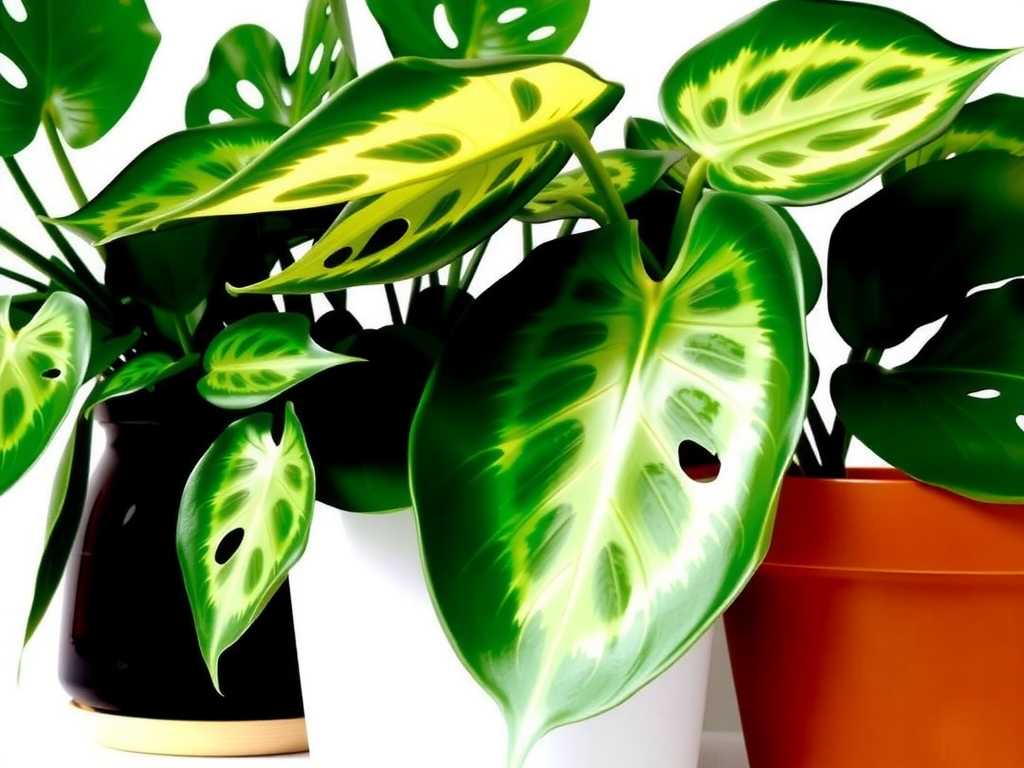
This is the most common alarm bell. The key is location. If it’s a lower, older leaf occasionally turning yellow, it’s likely natural senescence. If multiple leaves or new growth is yellowing, it’s usually overwatering. I check the soil immediately. If it’s soggy, I stop watering and consider repotting into fresh, dry mix if root rot is suspected (black, mushy roots). Yellow leaves from underwatering are usually accompanied by dry, crispy brown edges and bone-dry soil.
Leggy Growth and Small Leaves
This is almost exclusively a light issue. My plant in the north-facing room was the perfect example. The solution is to gradually move it to a brighter location. Also, ensure you are providing a moss pole. Getting your monstera to climb redirects energy into vertical growth and larger leaf production instead of long, weak stems reaching for light.
Brown, Crispy Leaf Edges
This typically points to low humidity or inconsistent watering (letting the plant get too dry for too long). Increasing humidity with a pebble tray or humidifier and sticking to a more consistent watering routine based on the finger test usually solves this.
When and How to Repot Your Monstera
Don’t rush to repot. Monsteras like to be slightly root-bound. Repot only when you see roots circling the bottom of the pot or growing out of the drainage holes, or when water drains through too quickly (meaning it’s mostly roots in there). I repot in spring, only going up one pot size (2 inches larger in diameter) to prevent excess wet soil. I always use my chunky soil mix and water thoroughly after repotting to help the roots settle.
How often should I water my Monstera? There’s no universal schedule. It depends on light, temperature, pot size, and soil. Always use the finger test. In most homes with good light, watering every 1-2 weeks is typical, but you must check the soil first.
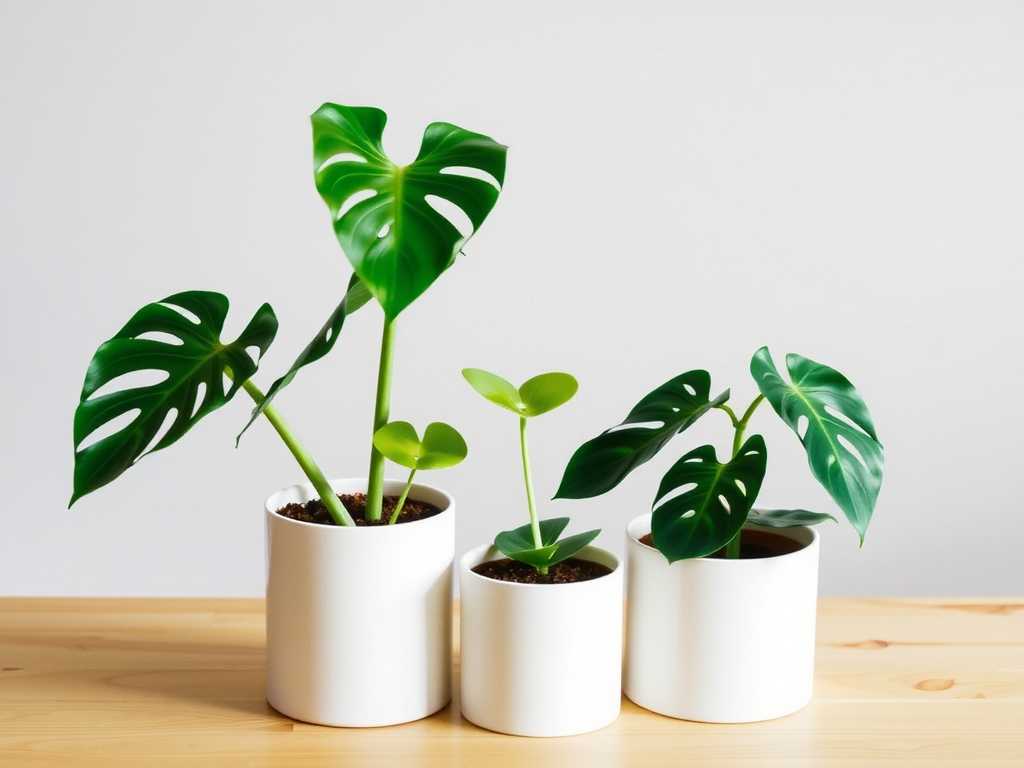
Why doesn’t my Monstera have splits in the leaves? Fenestrations (splits and holes) are a sign of maturity and adequate light. Young plants produce solid, heart-shaped leaves. If your mature plant isn’t splitting, it needs more bright, indirect light. Be patient; the next leaf might surprise you.
Is the Monstera toxic to pets? Yes. According to the ASPCA, Monstera deliciosa contains calcium oxalate crystals, which can cause oral irritation, drooling, and difficulty swallowing if ingested by cats or dogs. It’s best to place it in a location your pets cannot access.
Caring for a Monstera is a rewarding journey of observation and slight adjustments. It teaches you to read your plant’s language—the way it leans, the texture of its leaves, the pace of its growth. Start by nailing the fundamentals of light and water, then add support and humidity to unlock its full, majestic potential. Remember, every brown leaf or slow-growing phase is a lesson, not a failure. With this hands-on guide, you’re equipped not just with instructions, but with the understanding to help your Monstera thrive for years to come.
发表评论