 admin
admin How Often to Water Monstera? A Seasonal Watering Guide
I’ve killed a Monstera. There, I’ve said it. My first beautiful, fenestrated Monstera deliciosa met its end not from pests or lack of light, but from my own overzealous watering can. I loved it to death, literally. The heartbreak of seeing those majestic leaves turn yellow, then brown, and the stems go mushy taught me a brutal lesson: mastering how often to water Monstera is the single most critical skill for any plant parent. It’s not about a fixed schedule; it’s about understanding a rhythm—a rhythm that changes with the seasons, the light in your home, and the very heartbeat of the plant itself. After that failure, I committed to becoming a student of my plants. I spent two weeks closely monitoring, experimenting, and documenting to crack the code. This guide is the result of that hands-on journey, filled with my real steps, observations, and the solutions to the problems I created along the way.
Understanding Your Monstera’s Thirst Cues
Before we dive into seasons and schedules, we must learn the plant’s language. Monstera communicates its needs clearly if you know what to look for.
The most reliable method I’ve adopted, and one championed by horticultural experts like the Royal Horticultural Society (RHS), is the finger test. It sounds simple, but consistency is key. I insert my index finger into the potting mix up to the second knuckle (about 2 inches deep). If the soil at that depth feels completely dry, it’s time to water. If I feel any coolness or moisture, I wait. This technique alone saved my next Monstera from the fate of the first.
During my intensive two-week observation period, I used this test daily on two Monsteras: one in a bright, indirect light spot and another in moderate light. For the bright-light plant, the top 2 inches dried out in about 5-6 days. The other took 8-9 days. This was my first “aha!” moment—light directly drives thirst. I also monitored leaf posture. When perfectly hydrated, the leaves were firm and perky. As the soil dried, they remained healthy but felt slightly less rigid. True wilting or dramatic drooping, I learned, is a sign of significant stress, either from prolonged drought or, ironically, from root rot where the roots can’t absorb water.
The Golden Rule: How to Water Monstera Correctly
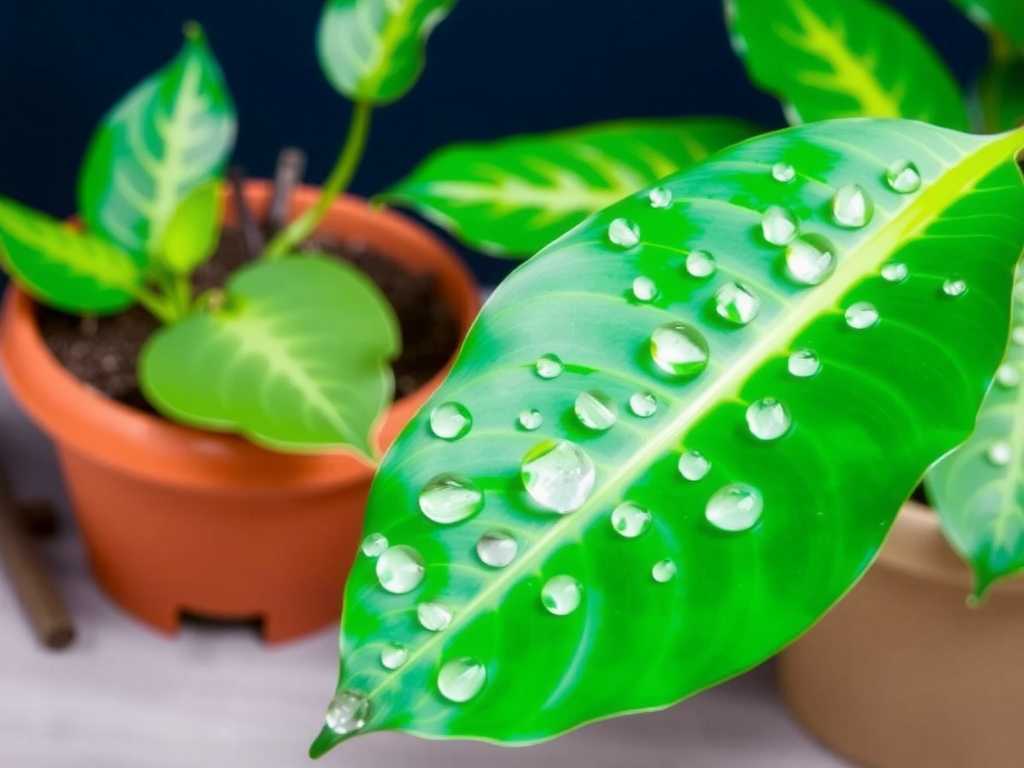
Knowing when to water is half the battle; how you water is the other crucial half. My early mistake was giving small, frequent sips, which only moistened the surface and encouraged weak roots.
Now, I practice thorough, deep watering. I take my plant to the sink or use a watering can without a narrow spout. I water slowly and evenly over the entire soil surface until I see water freely draining out of the bottom drainage holes. This is non-negotiable. I let it drain completely in the sink for 15-20 minutes, ensuring no water is left sitting in the saucer or cache pot. This process ensures the entire root ball is hydrated and encourages roots to grow deep and strong, making the plant more resilient.
The pot and soil are foundational. A well-draining, chunky aroid mix is essential. I make my own with equal parts regular potting soil, orchid bark, and perlite. This mix mimics their natural epiphytic environment, holding moisture but allowing excess to flow away quickly, preventing the dreaded “wet feet.” Always, always use a pot with drainage holes.
Your Seasonal Monstera Watering Guide
This is where static advice fails and understanding the plant’s growth cycle succeeds. Your Monstera’s water needs shift dramatically throughout the year.
Spring and Summer: The Growing Season This is your Monstera’s time to shine. With longer days and more intense light, it’s actively pushing out new leaves and growing roots. During this period, watering frequency for Monstera will be at its highest. In my bright indoor environment, my plant typically needed water every 7-10 days in late spring and summer. The key is to check the soil more frequently—about twice a week—using the finger test. The plant will drink more predictably. This is also the time I incorporate a diluted, balanced fertilizer every other watering to support the growth spurt.
Fall: The Slowdown As daylight wanes and temperatures cool, your Monstera begins to slow its growth. This was a critical period in my observation. I had to consciously resist my summer watering rhythm. The soil took longer to dry out, stretching the interval to 10-14 days, sometimes longer. The plant’s metabolism is decreasing, and its water requirements drop accordingly. I also stop fertilizing by mid-fall to allow the plant to rest.
Winter: The Resting Period Winter is the most dangerous season for overwatering. Growth is minimal or has halted. The plant uses very little water. In my home with central heating, the air is dry, but the soil still takes an age to dry because the plant isn’t actively transpiring. My winter Monstera watering schedule became very sparse—sometimes going 3-4 weeks between waterings. I rely heavily on the finger test and even sometimes use a wooden skewer, inserting it deep into the pot to check for moisture at the core. I also group plants together or use a humidifier to combat dry air, which addresses leaf moisture without affecting the soggy soil.
My Two-Week Experiment: Lessons from the Trenches
To truly internalize this, I conducted a deliberate experiment. I took a healthy Monstera and documented its soil moisture daily for two weeks in early autumn. I used the finger test and a simple moisture meter for comparison.
Week 1: After a deep watering on Day 1, the surface felt dry by Day 3, but at 2 inches, it was still moist. By Day 6, the top two inches were dry. The leaves were firm. I waited. Day 7: The finger test confirmed dry soil at the checkpoint. I watered thoroughly. The moisture meter read “dry.” This aligned perfectly. Week 2: The drying process was slower. The soil reached the “dry” point only on Day 9. This highlighted the changing seasonal rhythm even within a fortnight.
The “pit” I hit was on Day 5 of the first week. The surface was bone dry, and my old instincts screamed “WATER!” I had to physically stop myself. Checking deeper revealed plenty of moisture. Had I watered, the lower roots would have remained soggy for days, inviting rot. The solution was patience and trusting the deeper test. This experiment cemented that visual surface dryness is a terrible indicator. The real truth is in the soil’s depth.
Advanced Factors That Influence Watering Frequency
Beyond seasons, several variables fine-tune the schedule.
- Light: This is the biggest driver. A Monstera in a south-facing window (with filtered light) will need water far more often than one in a north-facing room.
- Pot Size and Material: A plant root-bound in a small pot dries out faster than one in a large pot with lots of soil. Terracotta pots are porous and wick away moisture, drying soil quicker than plastic or ceramic.
- Temperature and Humidity: Warm, dry conditions increase water uptake and evaporation. Cool, humid conditions slow everything down.
- Plant Size and Health: A large, mature Monstera with many leaves transpires more than a small starter plant.
Troubleshooting: Signs You’re Watering Wrong
- Yellowing Leaves, Especially Lower Ones: This was my first plant’s signature. Often a sign of overwatering and early root rot. The soil may smell musty.
- Brown, Crispy Leaf Edges: Can indicate underwatering, but more commonly points to low humidity combined with irregular watering.
- Soft, Mushy Stems or Black Spots: A severe sign of overwatering and advanced root rot. Action is required immediately.
- Wilting with Wet Soil: A paradox that screams root rot. The roots have decayed and cannot take up water, so the plant wilts even though the soil is wet.
If you suspect overwatering, stop watering immediately. Remove the plant from its pot and inspect the roots. Healthy roots are firm and white or tan. Rotten roots are mushy, brown, or black and may fall apart. Prune all affected roots with sterile shears, repot in fresh, dry, well-draining mix, and water very sparingly until new growth indicates recovery.
Expert Insights for Best Practices
To move beyond anecdote, I align my practices with authority. The Royal Horticultural Society (RHS) emphasizes the “soak and dry” method for most houseplants, including aroids, warning against letting plants sit in water. Similarly, the American Horticultural Society (AHS) advises tailoring care to seasonal light changes, not the calendar. This expert consensus validates the seasonal, check-don’t-guess approach. It’s not just my experience; it’s established horticultural best practice.
How can I tell if my Monstera is thirsty without touching the soil? While the finger test is best, you can use a wooden chopstick or skewer as a dipstick. Insert it deep into the pot, leave it for a minute, then pull it out. If it comes out clean and dry, it’s time to water. If soil particles stick to it or it looks damp, wait. You can also learn to judge the pot’s weight—a thoroughly dry pot is significantly lighter.
Is it better to underwater or overwater a Monstera? It is always, always safer to slightly underwater. A Monstera stressed by drought will often recover beautifully after a good drink. A Monstera with root rot from chronic overwatering faces a much harder, uncertain battle for survival. When in doubt, wait another day or two.
Can I use ice cubes to water my Monstera? I strongly advise against it. The concept of slow melting is appealing, but ice-cold water can shock the tropical plant’s roots, potentially damaging them. It also rarely provides enough water to soak the entire root ball thoroughly. Room-temperature water applied generously is the safest and most effective method.
Mastering your Monstera’s watering needs is a journey of observation and adaptation. It’s a dialogue between you and your plant, mediated by the simple touch of a finger in the soil. Forget the rigid weekly schedule. Embrace the seasonal flow—the abundant hydration of growth in summer, the cautious restraint of winter. By learning its language, responding to its environment, and applying the deep-watering technique, you’ll move from a nervous plant owner to a confident caretaker. The reward is a thriving, dramatic Monstera that pushes out lush, split-leaf after split-leaf, a living testament to your understanding and care.
发表评论