 admin
admin Monstera Light Requirements: Finding the Best Spots in Your Home
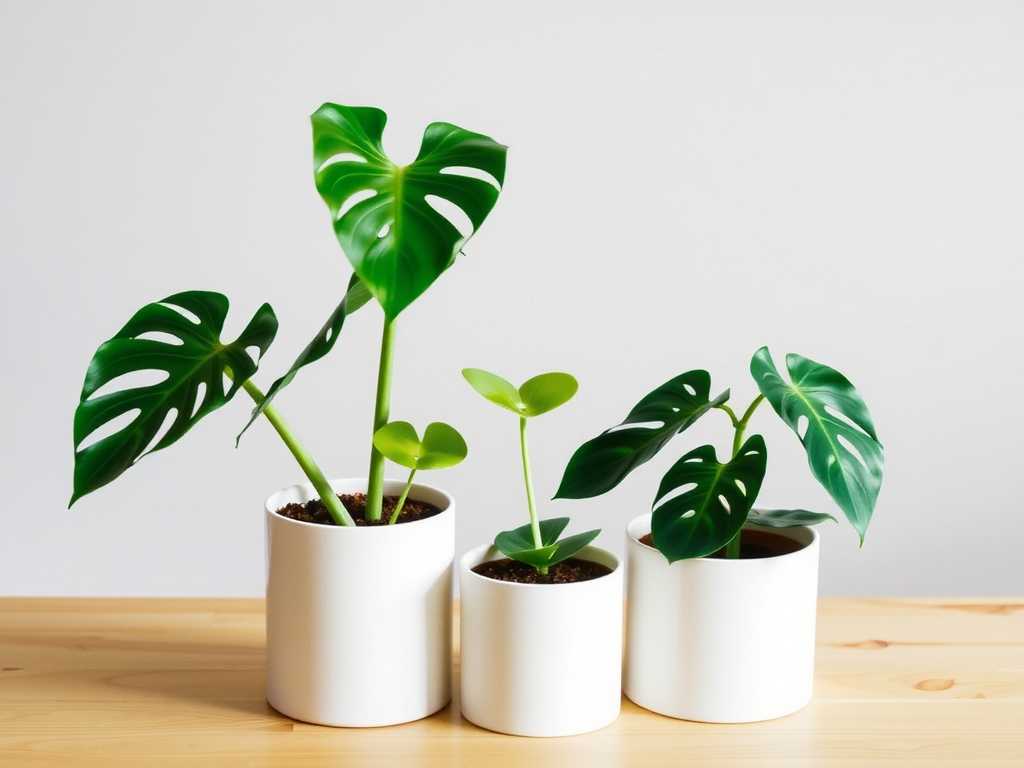
I remember the day I brought my first Monstera deliciosa home. It was lush, with those iconic split leaves just beginning to form. I placed it in what I thought was a perfect, cozy corner. Fast forward a month, and my heart sank. The new leaves were small, lacked any fenestrations (those beautiful splits and holes), and the plant just looked… sad. It wasn’t dying, but it certainly wasn’t thriving. The culprit? Incorrect light. I’ve learned since then that understanding Monstera light requirements is the single most important factor in transforming a surviving plant into a spectacular, jungle-worthy showpiece. If your Monstera isn’t pushing out large, split leaves, it’s likely telling you it needs a better spot.
My journey to lighting mastery wasn’t instant. It involved a two-week experiment, moving the same plant around my home, observing daily changes, and learning from my mistakes. Here’s exactly what I discovered about finding the best light for your Monstera.

Why Light is Everything for Your Monstera
Think of light as your plant’s food. Through photosynthesis, it converts light into energy. For a Monstera, which in its native habitat climbs tall trees to reach the dappled sunlight of the rainforest canopy, this energy is directly linked to leaf size and fenestration. Low light means survival mode: small, solid leaves. Bright, indirect light is the golden ticket to those massive, perforated leaves we all crave. The Royal Horticultural Society (RHS) categorizes Monsteras as suitable for “bright indirect light,” warning that prolonged direct summer sun can scorch leaves, while deep shade stifles growth.
Decoding "Bright, Indirect Light": What It Really Means
This is the phrase every plant guide uses, but what does it feel like in your living room? Through my experiment, I defined it practically:
- The Shadow Test: This is my go-to method. On a sunny day, place your hand between the light source and where the plant will sit. A fuzzy, soft-edged shadow indicates perfect bright, indirect light. A sharp, defined shadow means harsh, direct light that can burn leaves. A very faint or barely-there shadow signals low light.
- Direction Matters: I observed my windows over two weeks.
- North-facing windows (in the Northern Hemisphere) provided consistent, gentle light but it was often too weak for robust growth. My Monstera here grew slowly.
- East-facing windows were morning light champions—bright yet gentle, perfect for Monstera light needs.
- South/West-facing windows were light powerhouses. Here, placement was critical. I found the sweet spot was 3-5 feet back from the window or off to the side, shielded by a sheer curtain. This filtered the intense afternoon sun into that perfect indirect glow.
My Two-Week Spot Experiment: A Diary of Discovery
I dedicated 14 days to testing spots. I used a simple journal, noting location, time of day, and weekly observations.
-
Spot 1: The Deep Shelf (Low Light) I started my Monstera on a shelf about 8 feet from a south-facing window. It was aesthetically pleasing but, as the shadow test confirmed, deeply shaded.
- Observation (Day 7): Zero new growth. Existing leaves seemed duller.
- Observation (Day 14): Still no growth. The soil stayed wet for over 10 days, risking root rot because the plant wasn’t using water efficiently.
- The Lesson: This was a classic “low light” issue. The plant was stagnant. I moved it immediately.
-
Spot 2: The South-Facing Window Sill (Direct Light) Eager for growth, I plopped it right on the sill of my big south window.
- Observation (Day 3): I noticed the first sign of trouble—a slight yellowing on the part of one leaf facing the glass.
- Observation (Day 7): The yellowing intensified to a pale, bleached color. A crispy, brown edge began to form. This was sunburn.
- The Fix: I moved it back 4 feet onto a side table, where the direct sunbeam ended. The harsh light was now diffused by the room. This spot passed the “fuzzy shadow” test perfectly.
-
Spot 3: The East-Facing Bathroom (Bright, Indirect & Humid) As a final test, I tried my east-facing bathroom. It had a frosted window providing soft morning light and higher humidity.
- Observation (Day 7): A new leaf spike (cataphyll) was already emerging! The existing leaves looked perky and vibrant.
- Observation (Day 14): The new leaf unfurled—larger than the previous ones and with a single, perfect fenestration. Bingo.
- The Lesson: The combination of consistent, gentle morning light and boosted humidity created an ideal microclimate. This became its permanent home.
Common Lighting Pitfalls and How to Avoid Them
I’ve made the mistakes so you don’t have to.
- The "One-Sided Growth" Problem: My Monstera started leaning dramatically toward the light source. Solution: I now rotate the pot a quarter turn every time I water. This encourages even, upright growth.
- Seasonal Amnesia: The perfect summer spot can become too dark in winter. Solution: I’m prepared to move my plants closer to windows in fall and winter, or supplement with a grow light for 2-3 hours on gloomy days. The American Horticultural Society (AHS) notes that light levels can drop by up to 50% in winter, so adjusting plant placement is key.
- Over-Reliance on "Low Light" Labels: Many nurseries label Monsteras as “low light tolerant.” This is misleading. They survive in low light but will not thrive. Aim for bright, indirect light for the best results.
What If Your Home Lacks Ideal Light?
Not every home is flooded with perfect light. Don’t despair—get strategic.
- Use Reflective Surfaces: Placing a mirror or a light-colored wall opposite a window can bounce significant light back onto your plant.
- Consider a Grow Light: This was a game-changer for my dark home office. I use a simple, white LED full-spectrum bulb in a desk lamp, running it for about 8-10 hours a day. It provides the consistent light my Monstera needs to push out beautiful leaves even in an interior room. Look for lights that mention being suitable for “foliage plants” or that provide “PAR” value.
Signs Your Monstera is Talking to You About Light
Your plant is constantly communicating.
- Leaning Stems & Small New Leaves: It’s stretching for more light. Move it closer to a source.
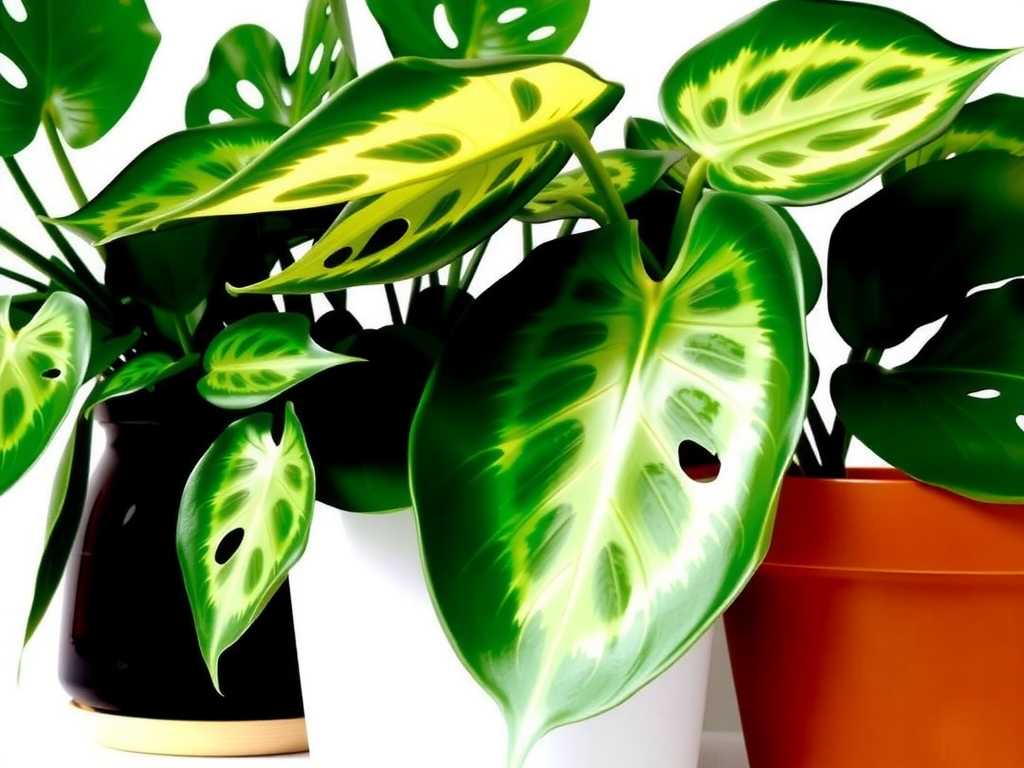
- Yellowing or Bleached Leaves, Brown Crispy Patches: This is often sunburn from too much direct light. Relocate to a shadier spot.
- Leggy Growth with Long Spaces Between Leaves (Internodes): Another sign of insufficient light. The plant is “reaching.”
- Large, Deeply Fenestrated Leaves: This is your Monstera’s way of giving you a green thumbs-up. You’ve nailed the light conditions!
Questions I Get Asked All the Time
Can a Monstera recover from sunburn? The burned, crispy parts of the leaf will not heal or turn green again. You can leave them if they are small, as the rest of the leaf is still functional. For severe damage, I carefully trim off the browned areas with clean scissors, following the natural shape of the leaf. Focus on providing perfect light going forward, and the new growth will be healthy.
How do I clean my Monstera’s leaves and why does it matter? Dust blocks light! Every month, I gently wipe both sides of each leaf with a soft, damp cloth. For a deeper clean, I sometimes use a drop of mild castile soap in water. This maximizes the leaf’s surface area for absorbing every bit of available light, making your care more efficient.
My Monstera is in a bright spot but still isn’t splitting. What’s wrong? Patience is key. Fenestration is a sign of maturity. A young plant or a new cutting will often produce solid leaves first. Ensure all other needs are met—consistent watering (when the top few inches of soil are dry), well-draining soil, and occasional feeding during the growing season. If the plant is mature and the light is truly sufficient, the splits will come. My experimental plant took several weeks in its perfect spot before the fenestrated leaf emerged.
Finding the best spot for your Monstera is a dynamic process of observation and adjustment. It’s less about finding a single perfect forever-home and more about understanding the language of light in your unique space. By using the shadow test, learning from the signs your plant gives you, and being willing to experiment over a couple of weeks, you’ll unlock the secret to a truly spectacular Monstera. The reward—those magnificent, architectural leaves unfurling in your care—is absolutely worth the effort.
发表评论