 admin
admin Monstera Baby Plant Care: Your Essential After Propagation Guide
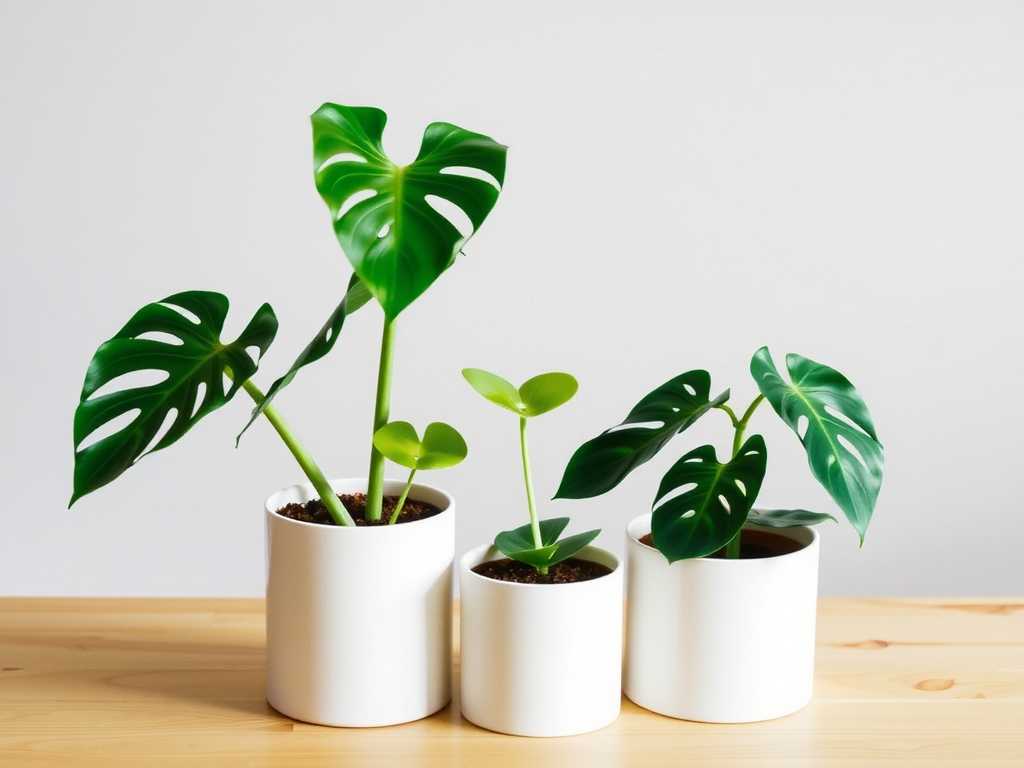
You’ve successfully propagated your Monstera! Seeing those first roots on a cutting is incredibly rewarding. But now, the real journey begins. The transition from a jar of water or a small pot of sphagnum moss to a thriving, independent plant is a critical phase. Many new plant parents ask, "What's next?" The fear of your delicate Monstera baby developing yellow leaves, stunted growth, or worse, not surviving, is all too common. This guide is designed to eliminate that uncertainty. We will walk you through every essential step, from the moment you take your cutting out of propagation to nurturing it into a robust, juvenile plant. This comprehensive resource focuses entirely on Monstera baby plant care after propagation, providing the expert-backed knowledge you need for success.
The First Critical Step: Potting Your Rooted Monstera Cutting
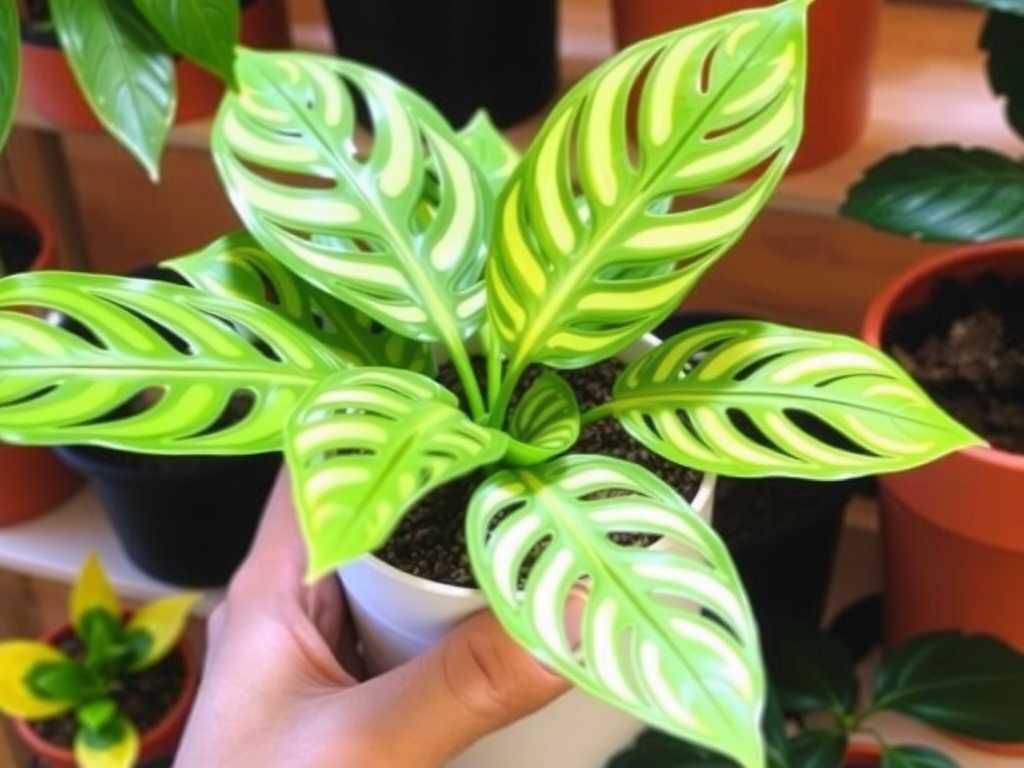
Knowing exactly when and how to move your propagated cutting into soil is the first test. Getting this right sets the foundation for all future growth.
Identifying the Perfect Root Readiness Patience is your greatest ally here. Do not rush this process. For cuttings propagated in water, wait until the primary roots are at least 3-4 inches long and, crucially, have developed secondary roots (smaller, branch-like roots coming off the main roots). This robust root system is much better equipped to handle the transition to soil. A cutting with just one or two thin, weak roots is likely to struggle and fail.
Choosing the Optimal Potting Mix This is non-negotiable for healthy Monstera babies. They require a well-aerated, chunky, and fast-draining mix to prevent root rot. Do not use dense, moisture-retentive garden soil. A perfect potting mix for young Monstera could be:
- 40% High-Quality Potting Soil: Provides a base of nutrients and organic matter.
- 40% Chunky Amendments: Such as orchid bark or coco chips, which create essential air pockets.
- 20% Drainage Materials: Like perlite and horticultural charcoal.
This combination mimics the plant's natural epiphytic growing conditions, allowing roots to access both moisture and oxygen.
Selecting the Right First Home Your baby Monstera does not need a mansion. Choose a small pot with excellent drainage holes. A pot that is only 1-2 inches larger in diameter than the root ball is ideal. A pot that is too large will hold excess water around the small root system, leading to soggy soil and root rot. Terracotta pots are an excellent choice as they are porous and help wick away excess moisture.
Creating the Ideal Environment for Your Young Monstera
Once potted, your baby plant's environment dictates its health and growth speed. Mastering these elements is key to caring for a newly propagated Monstera.
Lighting: The Engine of Growth Bright, indirect light is the single most important factor for strong growth. Place your plant near an east-facing window or a few feet back from a south or west-facing window. Direct sunlight will scorch the delicate leaves, causing brown, crispy patches. Insufficient light will lead to leggy growth, small leaves, and a failure to develop the iconic fenestrations (splits and holes). If your space lacks natural light, consider using a grow light.
Watering Practices: Finding the Balance This is where most new plant parents stumble. The goal is consistently moist but never soggy soil. Before watering, check the moisture level. Stick your finger about 2 inches into the soil. If it feels dry, it’s time to water. Water thoroughly until it runs out of the drainage holes, then empty the saucer underneath promptly. Your plant will need less water in winter and more during its active growing season (spring and summer).
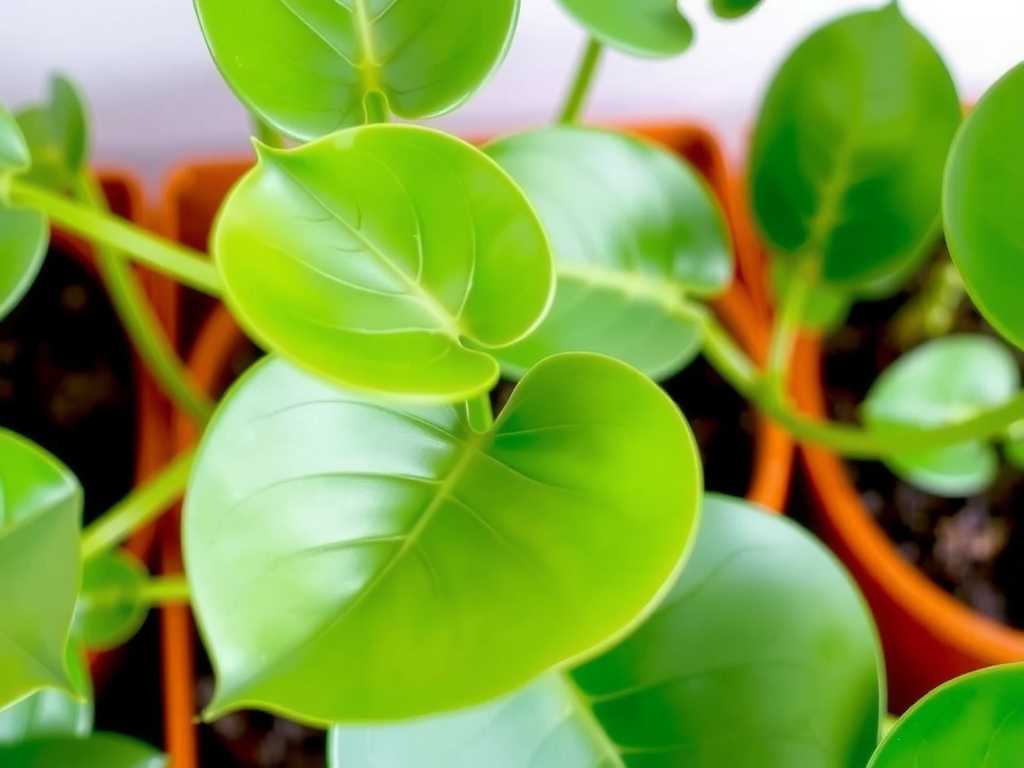
Humidity and Temperature: Recreating the Tropics Monstera babies adore humidity. Aim for levels above 50%. Low humidity can cause brown, crispy leaf edges.
- Use a humidifier: The most effective and consistent method.
- Pebble Tray: Place your pot on a tray filled with water and pebbles, ensuring the pot sits above the water line.
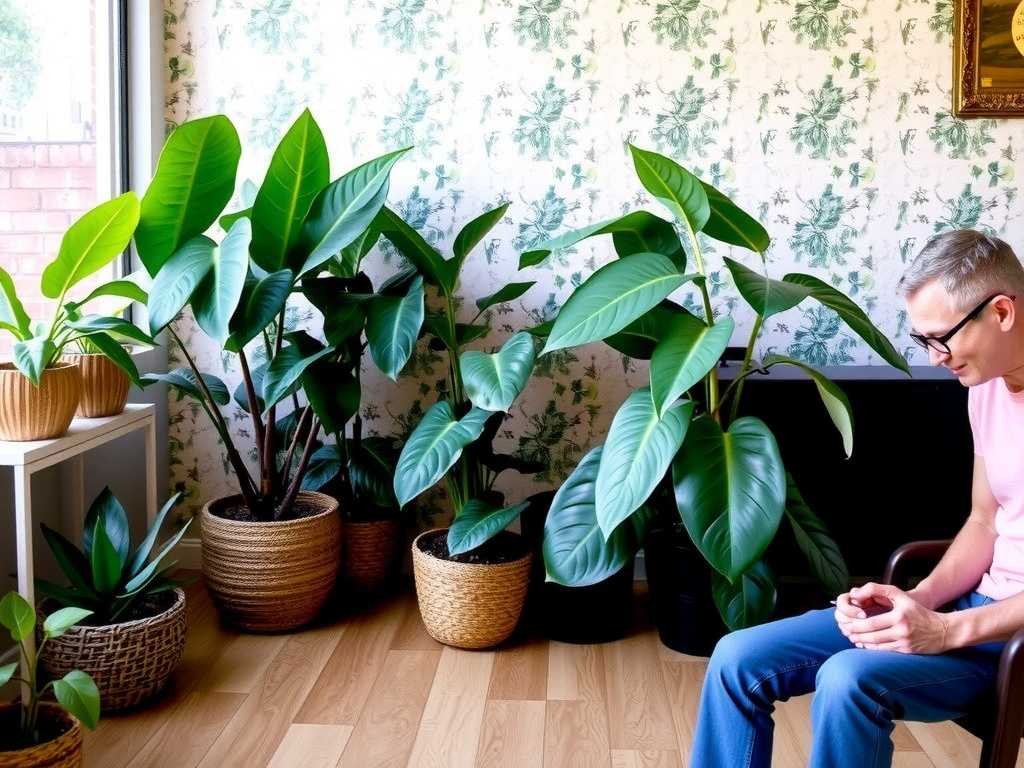
- Group Plants: Cluster your plants together to create a microclimate of higher humidity. Maintain temperatures between 65°F and 85°F (18°C - 29°C) and protect your plant from cold drafts and sudden temperature changes from heating or air conditioning vents.
Nurturing Growth and Troubleshooting Common Issues
With the basics in place, your focus shifts to supporting long-term vitality and knowing how to solve problems before they escalate.
Feeding Your Baby Monstera: A Gentle Approach Wait at least 4-6 weeks after potting before you begin fertilizing. The fresh potting mix contains enough nutrients to sustain it initially. After this period, during the growing season, feed it with a balanced, water-soluble fertilizer diluted to half-strength once a month. Over-fertilizing can burn the tender new roots of a young Monstera plant.
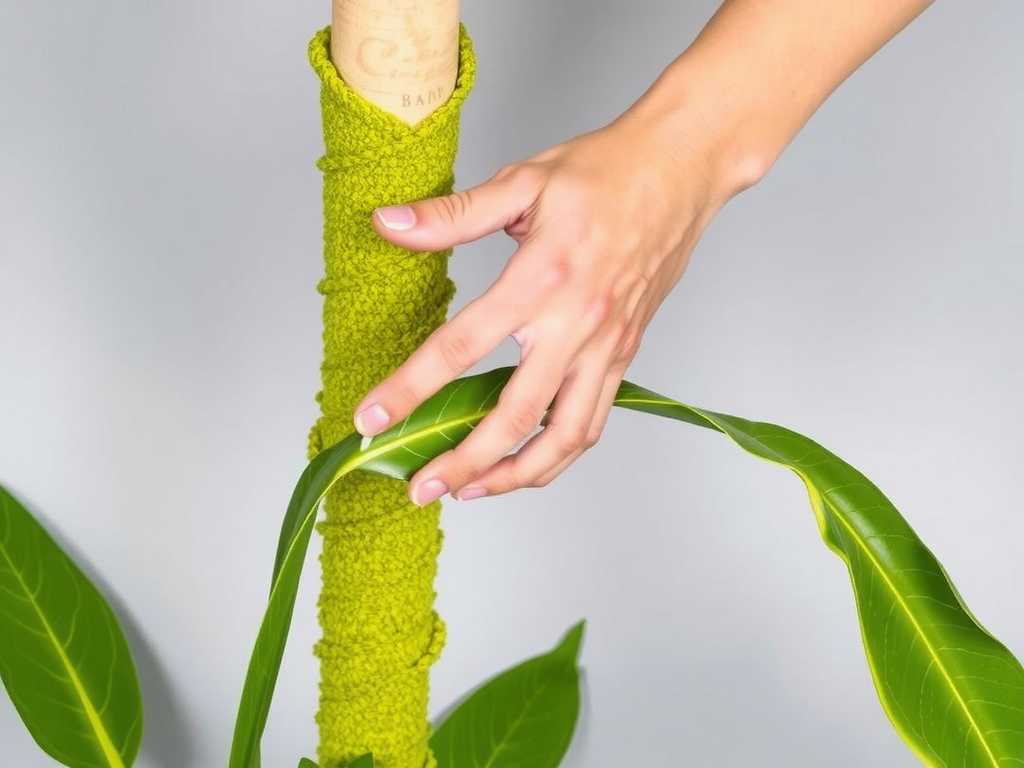
Supporting the Growing Plant While a very young Monstera won’t need a moss pole immediately, it’s good to plan ahead. As it begins to put out new leaves with longer stems, introducing a small stake or moss pole will encourage vertical growth and provide stability. This trains the plant early and prevents it from becoming unruly later.
Solving Early-Stage Problems
- Yellowing Leaves: Often a sign of overwatering. Check your soil moisture and ensure the pot drains well.
- Drooping Leaves: Can indicate either underwatering or overwatering. Feel the soil to diagnose which.
- Brown Leaf Tips: Typically caused by low humidity or a buildup of salts and minerals from tap water. Use filtered or distilled water if possible.
- Pests: Keep an eye out for common invaders like spider mites and fungus gnats. Wipe leaves regularly and treat any infestations early with insecticidal soap or neem oil.
Frequently Asked Questions
My propagated Monstera’s leaves are drooping after potting. Is it dying? This is often a temporary shock from the transition. The roots are adapting from water to soil. Ensure you are not overwatering, provide bright indirect light, and increase humidity slightly. The plant should perk up within a week or two as it acclimates.
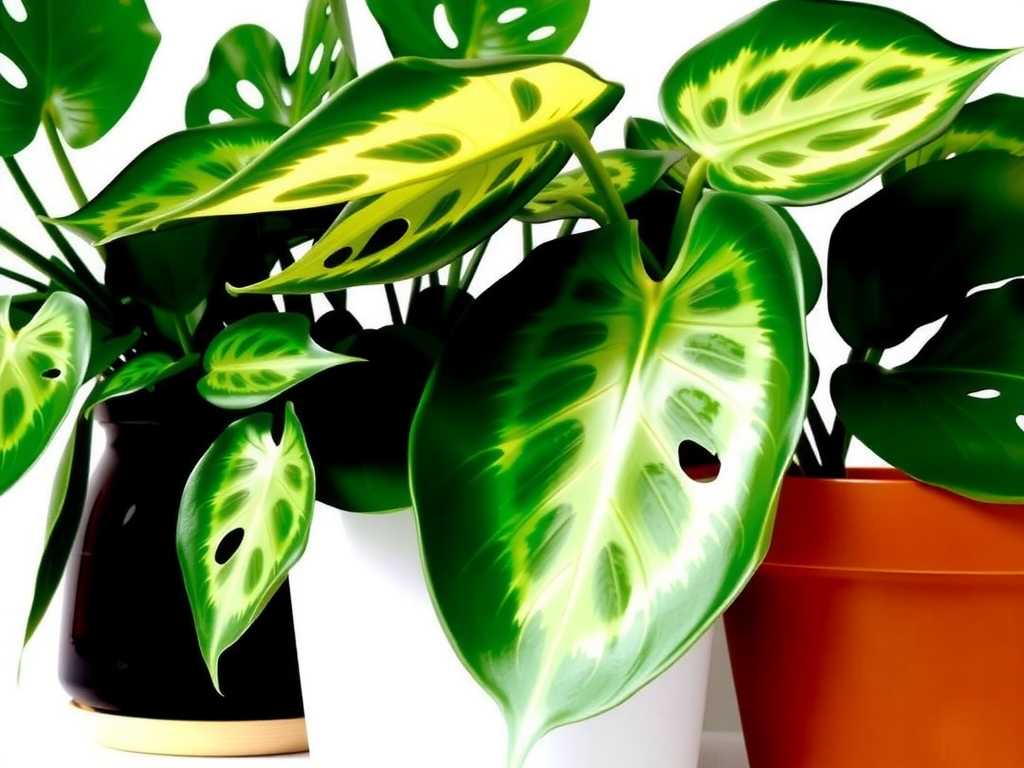
How long does it take for a baby Monstera to get fenestrations? Don't be discouraged if your plant's first few new leaves are solid. Fenestrations are a sign of maturity and ample light. A well-cared-for propagated Monstera may take 1-2 years, or until it has produced 5-10 mature leaves, before it starts developing splits and holes.
When should I repot my Monstera baby? You will know it's time to repot when you see roots growing out of the drainage holes, or when the plant dries out very quickly after watering. This typically happens every 12-18 months. Always only move up one pot size (about 2 inches larger in diameter) to prevent soil from staying wet for too long.
Watching a Monstera baby grow from a single cutting is a deeply satisfying experience. Success hinges on a mindful transition to soil, providing a stable environment with perfect light and moisture, and responding to the plant's subtle cues. By following these post-propagation tips, you are not just keeping a plant alive—you are actively guiding it toward a future of lush, fenestrated beauty. Your patience and attentive care during these early stages will be rewarded with a stunning, resilient plant for years to come.
发表评论