 admin
admin Monstera Variegata Propagation: Preserving Variegation Tips
That stunning white or yellow patch on your Monstera Variegata is what makes it so special. But if you've ever tried to propagate it, you know the heartbreak. You carefully take a cutting, wait for roots to grow, and then... the new leaf emerges completely green. Your prized variegation is gone. This is the single biggest fear for owners of these beautiful plants. The good news is that losing that marbled pattern isn't fate. It's a science. By understanding how to preserve variegation during propagation, you can successfully multiply your spectacular plant.
Understanding Variegation in Monsteras
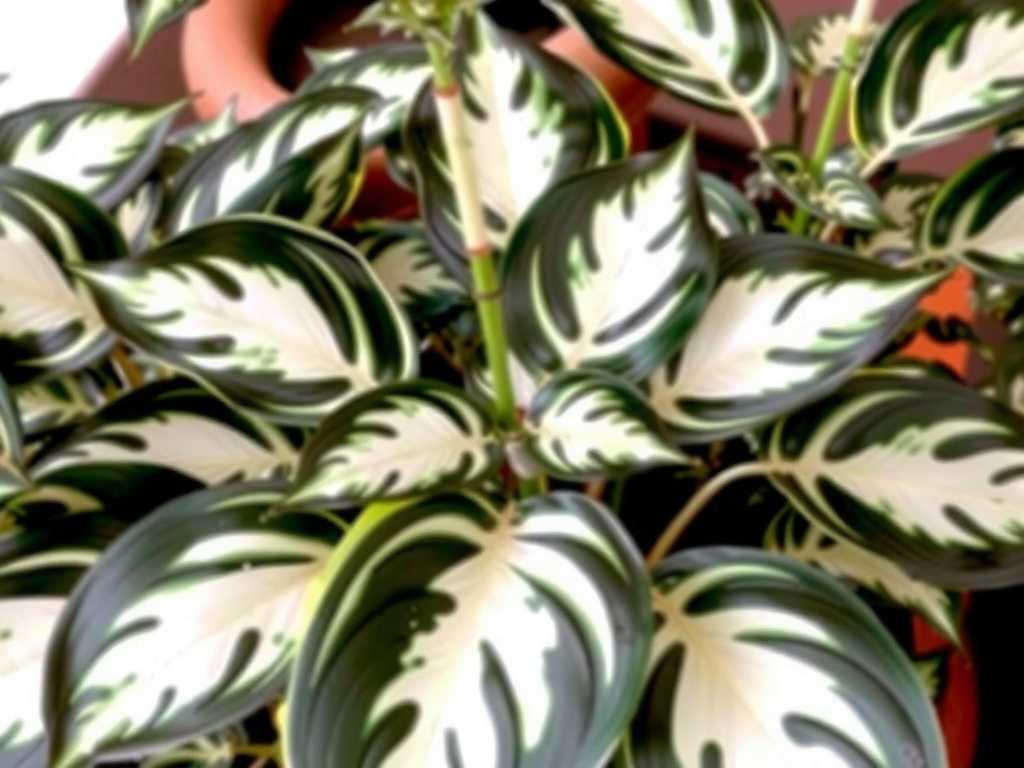
Before you make the first cut, you need to know what you're working with. Variegation isn't just a color; it's a genetic characteristic.
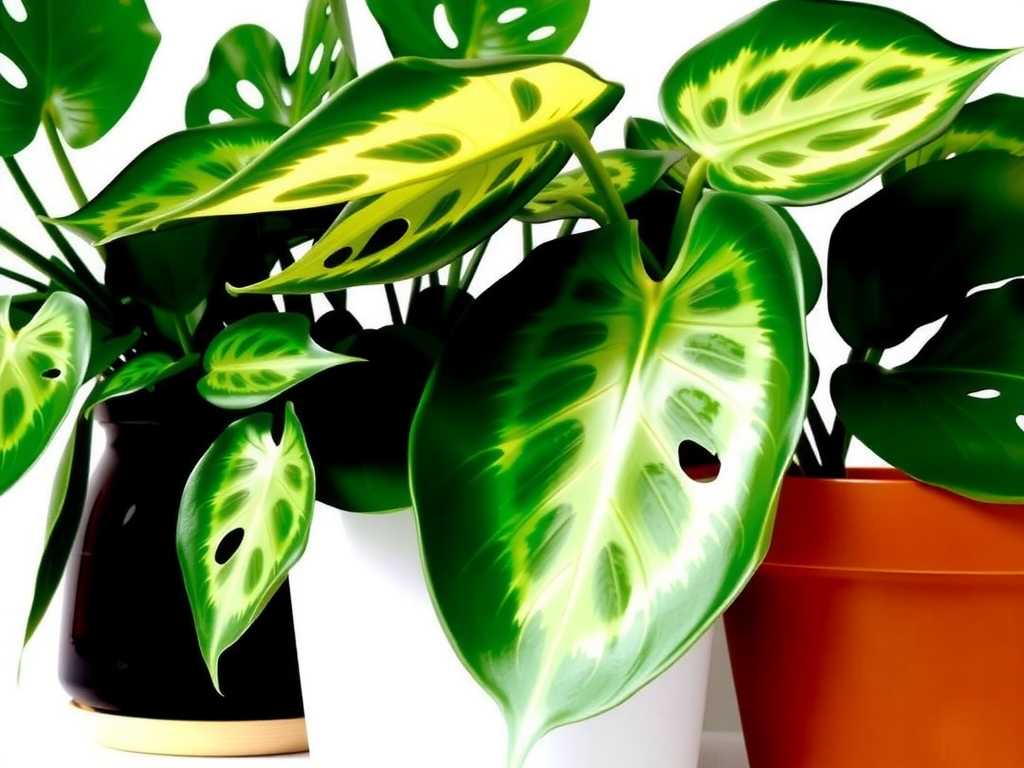
Monstera variegata variegation is primarily chimeric. This means the plant has two different sets of genetic code in its layers. The stunning white or cream sections lack chlorophyll, while the green parts are normal. This is a random cell mutation, which makes it inherently unstable. When you propagate, you are essentially gambling with which cells will dominate the new growth. Horticulturists note that this instability is why careful selection of your cutting node is the most critical step in the entire process.
How to Propagate Variegated Monstera Successfully
Propagation might seem straightforward, but with variegated varieties, every detail matters. The goal is to encourage growth that mirrors the mother plant's pattern.
Selecting the Perfect Stem Cutting
Your entire propagation success hinges on this one decision. Do not cut randomly.
Look for a stem section with a healthy, plump node. The node is the brownish bump on the stem where leaves and roots emerge. Most importantly, you must choose a node that is already attached to a stem with strong variegation. The new growth will emerge from this node, and its potential is dictated by the stem it's connected to. If the stem leading to your chosen node is all green, the new growth will almost certainly be green. As one expert puts it, "You are not just propagating a node; you are propagating a section of stem."
Identifying Optimal Variegation on the Stem
A node alone isn't enough. You need to assess the variegation on the stem itself.
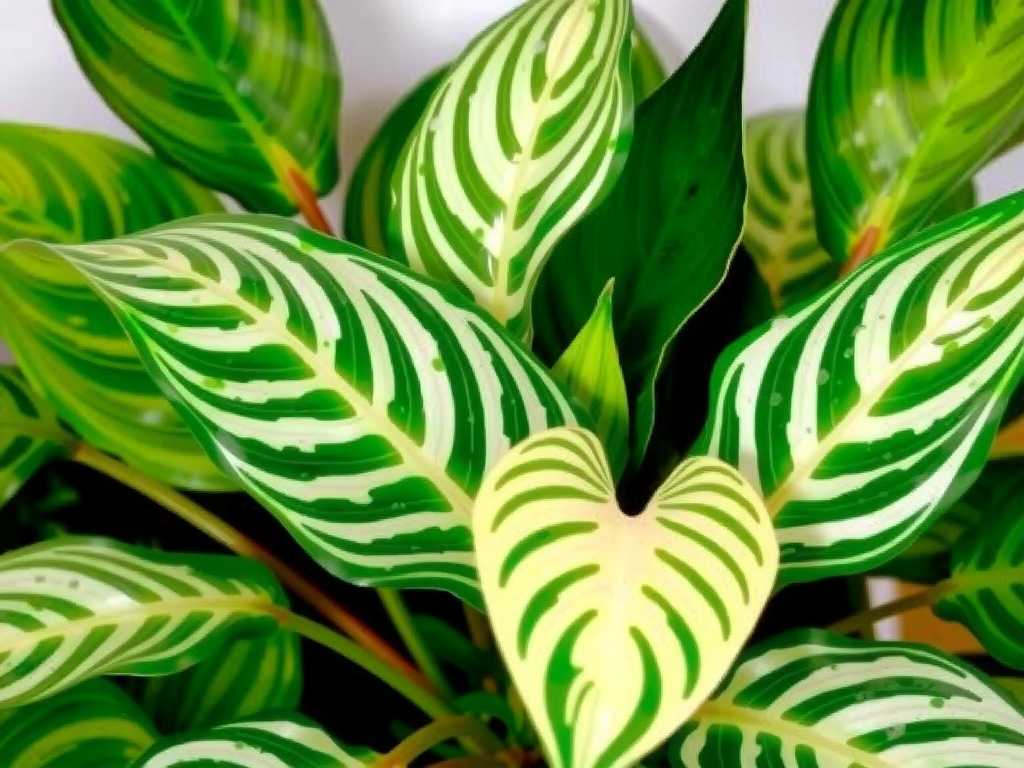
The stem should display a mix of green and white or cream coloring. The more variegation on the stem around the node, the higher the chance the new growth will also be variegated. Avoid nodes that come from stems that are entirely white or entirely green. A fully white stem lacks the chlorophyll needed for the plant to create energy and will likely die. A fully green stem has reverted and will only produce green leaves.
Propagation Methods for Variegated Monstera
Once you have your perfectly selected cutting, you need to choose a method that promotes healthy root development without stressing the plant.
Water Propagation
This is the most popular method because it allows you to monitor root growth.
Place your cutting in a clear glass jar with fresh, clean water. Ensure the node is fully submerged, but the leaf petiole is not. Change the water every 5-7 days to prevent bacterial growth. Place the jar in a spot with bright, indirect light. Roots should begin to appear in 2-4 weeks. The key advantage here is visibility; you can watch for healthy, white roots.
Sphagnum Moss Propagation
Many growers prefer this method for variegated Monsteras as it provides a gentle, airy environment for roots.
Soak sphagnum moss in water until it is fully hydrated, then wring it out so it is damp but not dripping. Place the moss in a small container and nestle your cutting inside, ensuring the node is in contact with the moss. Keep the moss consistently moist by misting it regularly. This method often encourages stronger, more adapted roots than water propagation, potentially reducing transplant shock later.
Essential Care Tips to Maintain Variegation
Propagation is only half the battle. How you care for the new plant determines if the variegation will persist.
Providing Adequate Light
Variegated plants have less chlorophyll, so they need more light to photosynthesize effectively.
Position your propagated cutting and established plant in a location with plenty of bright, indirect light. Insufficient light will cause the plant to compensate by producing more green leaves to capture more energy. Direct, harsh sun, however, can scorch the delicate white sections. If your plant starts putting out green leaves, increasing its light exposure is often the first and most effective solution.
Pruning to Encourage Variegation
Sometimes, your plant will try to revert. You must be vigilant.
If you notice a new stem or leaf emerging that is completely green, you need to act. Prune that stem all the way back to its point of origin. This redirects the plant's energy back to the variegated sections and encourages new growth from nodes with better color distribution. Letting a reverted stem grow will only strengthen the "all-green" genetics, and the plant may fully revert over time.
Troubleshooting Common Variegation Issues
Even with perfect care, problems can arise. Knowing how to respond is key.
What to Do with an All-White Leaf
A fully white leaf is a sign of poor selection or extreme luck. While beautiful, it cannot sustain itself.
A leaf with no green has no chlorophyll and cannot contribute to the plant's energy production. It will eventually brown and die. If your plant produces multiple all-white leaves in a row, it is a sign that the stem's variegation is too high. The plant is struggling to photosynthesize. In this case, you may need to prune back to a lower node on the stem that has a better green-to-white balance to save the plant.
Can a Reverted Monstera Regain Variegation?
This is a common question with a disappointing answer.
Once a stem has fully reverted and is producing only green leaves, it cannot spontaneously regain its variegation. The genetic mutation for variegation in that specific stem is lost. The only way to get variegation back is to prune that stem away completely. This is why selecting a well-variegated stem for propagation is non-negotiable for preserving the pattern.
Why did my propagated Monstera cutting grow a green leaf? This typically happens when the node was taken from a part of the stem that was already reverting to green. The new growth reflects the genetics of the stem section it came from. Always ensure the stem leading to your chosen node displays clear variegation.
Is it better to propagate in water or moss for variegated Monsteras? Both methods can be successful. Water propagation allows for easy monitoring of root health. Sphagnum moss propagation often produces hardier roots that experience less shock when transplanted to soil. The choice of propagation medium is less critical than the initial selection of a properly variegated stem cutting.
How can I increase the chances of variegation in new growth? The two most effective strategies are providing ample bright, indirect light and strategic pruning. High light levels prevent the plant from feeling the need to revert to green for more efficient photosynthesis. Pruning any all-green stems immediately redirects energy to the variegated parts, encouraging their growth.
Successfully propagating a Monstera Variegata and maintaining its stunning patterns is a rewarding achievement. It requires a keen eye for selecting the right cutting, patience during the rooting process, and consistent care focused on high light and proactive pruning. By understanding that you are working with a unique genetic mosaic, you can make informed decisions at every step. Your efforts will be rewarded with a thriving, beautifully variegated plant that continues to produce those breathtaking, marbled leaves for years to come.

发表评论