 admin
admin Monstera Albo Propagation: How to Propagate White Variegated Plants Successfully
Seeing those stunning, highly variegated white leaves on a Monstera Albo can take your breath away. But the thought of actually propagating this rare and expensive plant can be terrifying. What if your precious cutting turns brown, rots, or worse, loses its beautiful white variegation? You're not alone in this fear. Many plant enthusiasts hesitate, worried about making a costly mistake. This comprehensive guide is designed to eliminate that uncertainty. We will walk you through every critical step, from selecting the perfect cutting to nurturing a robust, beautifully variegated new plant, ensuring you can multiply your Monstera Albo with confidence.
Understanding Your Monstera Albo
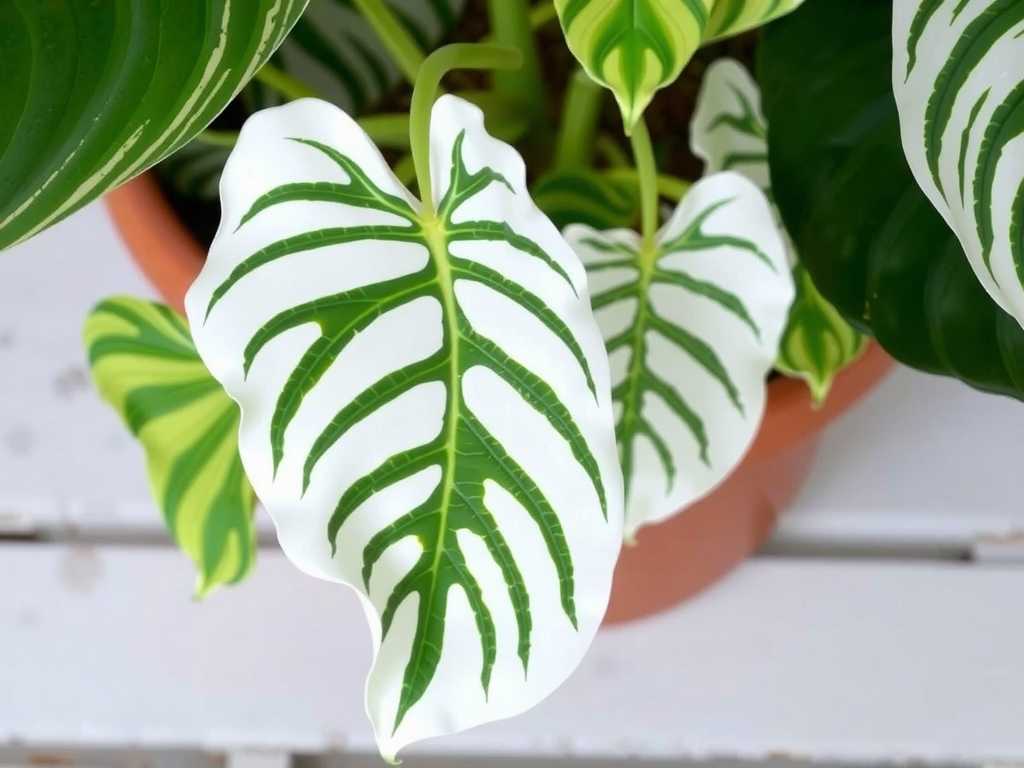
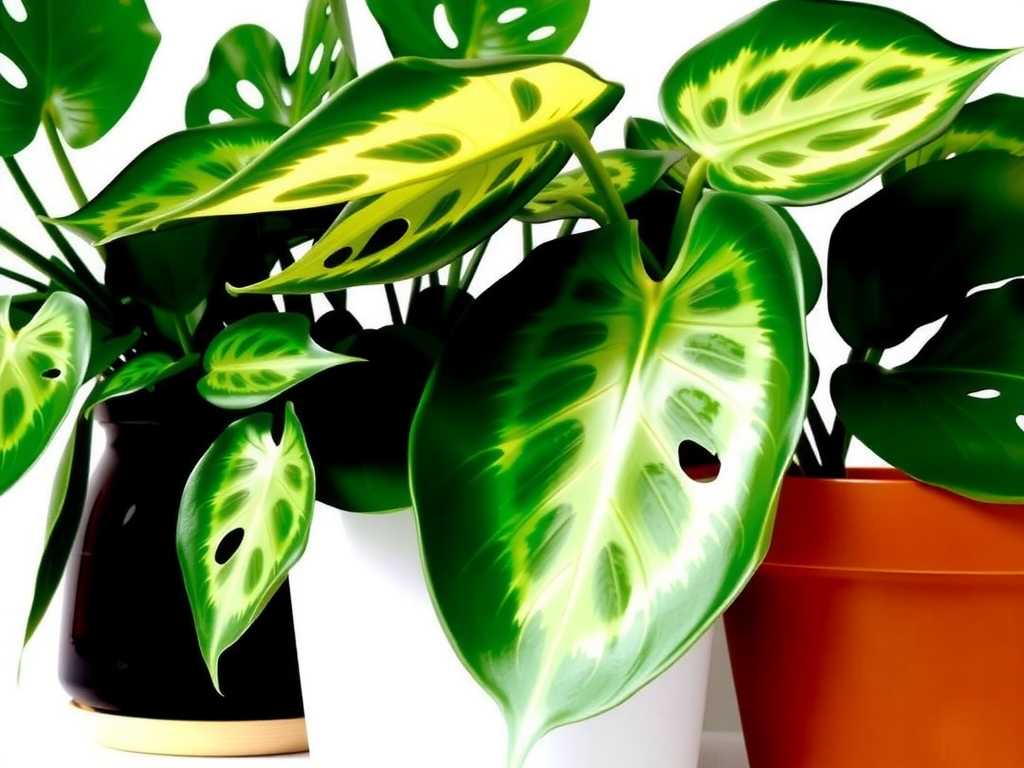
Before you make the first cut, it's crucial to understand what makes this plant special. The Monstera Albo, a variegated form of Monstera deliciosa, possesses a genetic mutation that causes sections of its leaves to lack chlorophyll. This results in those stunning white or cream-colored patches. However, this very feature is also its greatest vulnerability. Plants need chlorophyll for photosynthesis, which creates the energy they need to grow and root. A cutting with too much white may struggle to survive, making the selection process the most important first step.
Essential Tools and Materials for Propagation
Gathering the right tools beforehand sets you up for success. You don't need a laboratory, but a few key items are non-negotiable.
- Sharp, Sterilized Pruners or Scissors: A clean, sharp cut is essential. Use isopropyl alcohol to sterilize your blades before and after use to prevent introducing bacteria or disease.
- Rooting Hormone (Gel or Powder): While not strictly mandatory, a quality rooting hormone significantly increases your success rate by encouraging faster root development and protecting against rot.
- Clear Propagation Vessels: Small glass jars or clear plastic cups are perfect. Transparency allows you to monitor root growth without disturbing the cutting.
- Well-Draining Potting Mix: For when you're ready to pot. A chunky aroid mix containing orchid bark, perlite, and coconut coir is ideal.
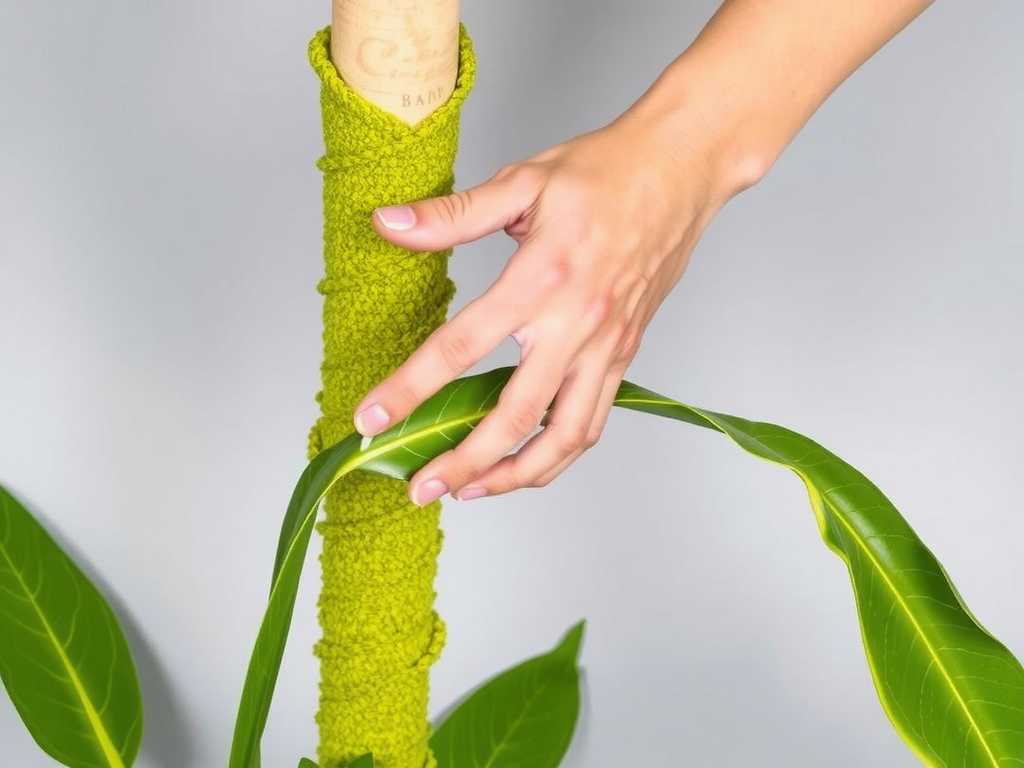
- Support System: Have small pots and moss poles or stakes ready for when your new plant begins to grow.
Choosing the Perfect Stem Cutting
This is the single most critical decision in the entire process. A poor choice here can lead to failure, regardless of your propagation skills. Your goal is to find a stem section that promises both survival and beautiful variegation.
Identifying a Healthy Node and Aerial Root Look for a section of stem that is firm, healthy, and shows no signs of pests or disease. The node is a brownish, ring-like bump on the stem where leaves, branches, and aerial roots emerge. You must have at least one node on your cutting; this is where the new root system will develop. An existing aerial root near the node is a massive advantage, as it can quickly convert into a primary water root, speeding up the propagation timeline.
Balancing Variegation for Success A common mistake is choosing a cutting that is almost entirely white. While beautiful, these "all-white" sections lack the chlorophyll needed to produce energy. Your ideal cutting should have a balanced mix of green and white, or at the very least, one well-variegated leaf supported by a stem section that has some green on it. The stem's variegation pattern is a good indicator of future leaf variegation.
Step-by-Step Propagation Methods
There are several reliable ways to root your Monstera Albo cutting. Water propagation is the most popular due to its simplicity, but other methods can be equally effective.
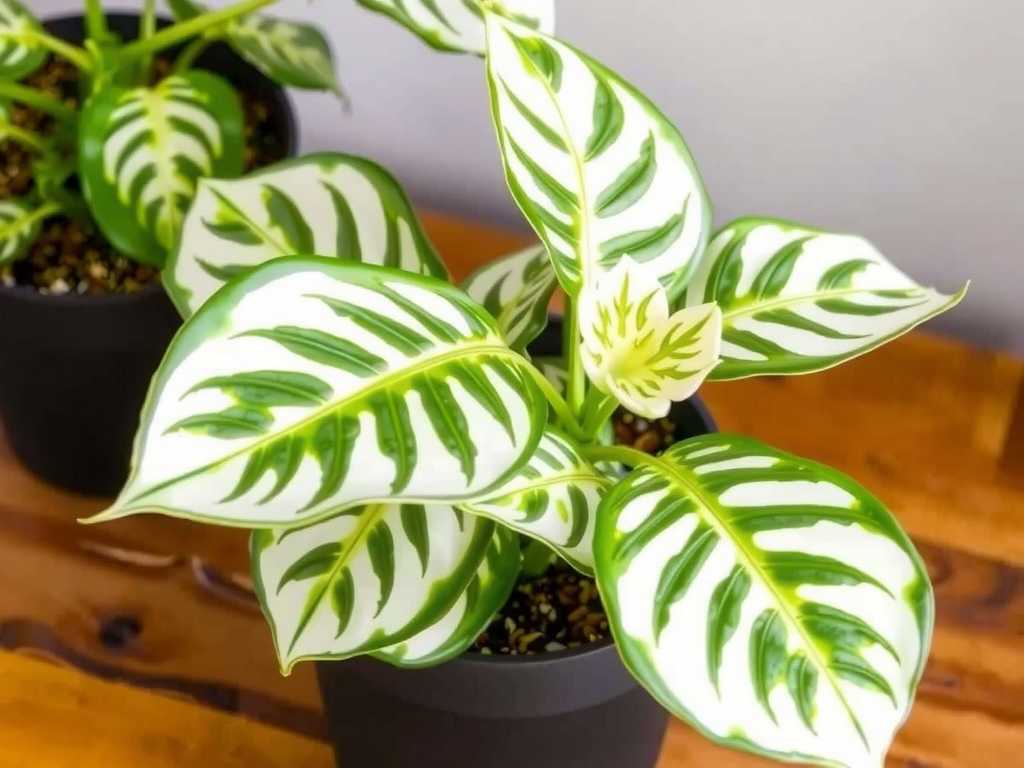
Water Propagation: The Most Popular Method This method is favored because it allows you to witness the entire root development process.
- Take Your Cutting: Make a clean, angled cut about an inch below a node using your sterilized shears.
- Prepare the Cutting: If your cutting has an aerial root, you can leave it as is. Place the cutting in your clear vessel, ensuring the node is fully submerged but the leaf stem is not.
- Water and Placement: Fill the vessel with room-temperature, filtered water. Place it in a spot with bright, indirect light. Avoid direct sunlight, which can encourage algae growth.
- Ongoing Care: Change the water completely every 5-7 days to keep it oxygenated and prevent bacterial growth. You should start to see tiny white roots emerging from the node within 2 to 6 weeks.
Moss Propagation: Creating a Humid Environment Sphagnum moss propagation provides a moist, airy environment that many plants love.
- Soak the Moss: Hydrate a batch of sphagnum moss by soaking it in water, then wring it out thoroughly so it is damp but not dripping wet.
- Set Up Your Station: Place the moist moss in a clear container. Nestle your cutting inside, making sure the node and any aerial roots are in contact with the moss.
- Maintain Humidity: You can leave the container open or loosely cover it with a plastic bag to boost humidity. Ensure there is some air circulation to prevent mold.
- Monitor Growth: Keep the moss consistently damp. Check weekly for root growth, which can be very vigorous in this method.
Transitioning Your Cutting to Soil
Once your roots are a few inches long and have developed secondary roots (roots that have smaller roots branching off them), it's time to pot. Do not rush this step; a strong root system is key to a successful transition.
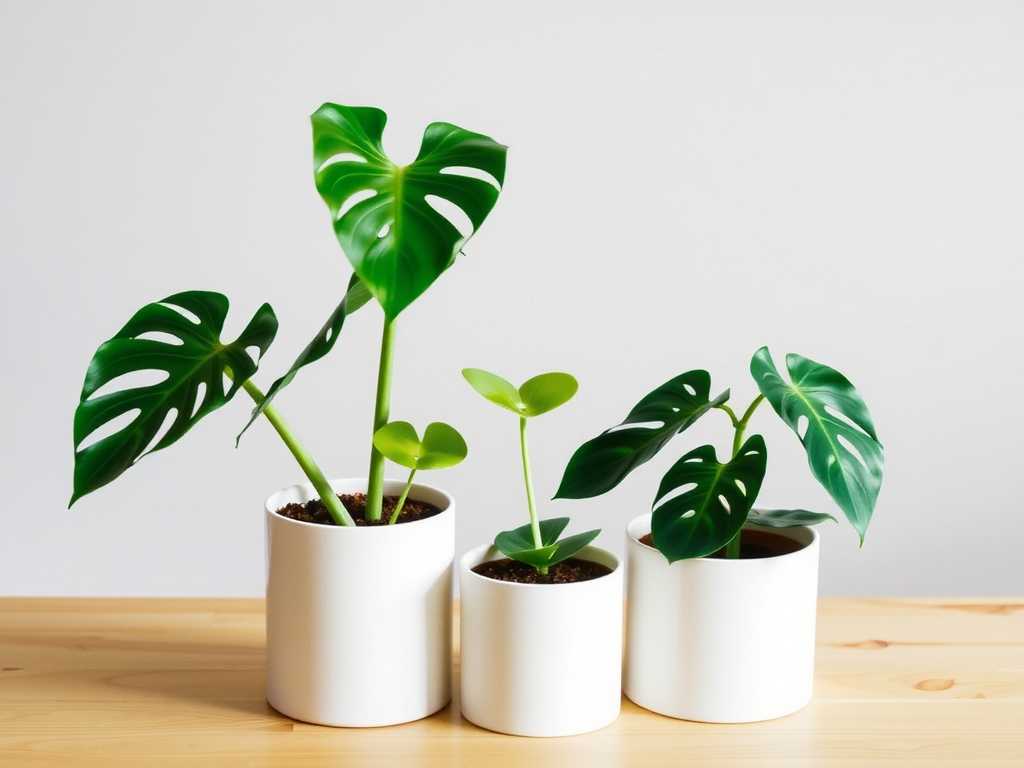
- Select the Right Pot: Choose a small pot with excellent drainage holes. A pot that is too large will hold excess moisture, leading to root rot.
- Use a Chunky Aroid Mix: Fill the pot partway with your well-draining potting mix. Gently place the rooted cutting in, holding it steady.
- Fill and Water: Carefully fill around the roots with more soil. Give the pot a gentle tap to settle the mix, then water thoroughly until it runs out of the drainage holes.
- Provide Post-Propagation Care: For the first few weeks, keep the soil slightly more moist than you normally would for an established plant to help the water roots adapt to soil. Return to a regular watering schedule once you see signs of new growth.
Troubleshooting Common Propagation Problems
Even with the best care, issues can arise. Here’s how to handle them.
- Stem or Root Rot: If the stem becomes mushy or the roots turn black and slimy, act fast. Remove the cutting from the water or moss. Cut away all affected parts with a sterilized tool until you reach healthy, firm tissue. You may need to re-root the cutting.
- Yellowing Leaves: One lower leaf yellowing can be normal as the plant redirects energy to root growth. However, multiple yellowing leaves could indicate overwatering, insufficient light, or a nutrient issue.
- Slow or No Root Growth: Ensure the cutting is receiving enough warmth and bright, indirect light. Using a rooting hormone and a heating mat can stimulate growth. Patience is essential; some cuttings simply take longer.
How to Maintain Variegation in Your New Plant
Successfully rooting your cutting is only half the battle. Maintaining that prized white variegation is the ultimate goal.
- The Role of Light: Provide plenty of bright, indirect light. While the white parts can't photosynthesize, the green parts need ample light to produce enough energy for the entire plant. Insufficient light can cause the plant to revert, producing more solid green leaves to survive.
- Pruning for Pattern Control: If your plant starts producing leaves with little to no variegation, you can prune it back to a node that preceded a well-variegated leaf. This encourages new growth from that point, which is more likely to carry the variegation trait.
Frequently Asked Questions
What is the success rate of Monstera Albo propagation? With a healthy cutting, proper sterilization, and ideal conditions, the success rate can be very high, often exceeding 80-90%. The most common causes of failure are rot from unsterilized tools or an unhealthy cutting, and insufficient light during the rooting phase.
Why is my cutting not rooting after a month? Several factors can delay rooting. The temperature might be too cold; roots develop faster in warmer environments (70-80°F or 21-27°C). The cutting may not be receiving enough light, or the variegation balance might be off, with too much white slowing down energy production. Assess these conditions and consider using a heat mat or moving it to a brighter location.
Can I propagate a Monstera Albo from a single leaf? No, you cannot. A leaf alone, without a node, will look pretty in water for a while but will never develop roots or grow into a new plant. The node contains the meristematic cells responsible for generating new growth; it is absolutely essential for successful propagation.
Propagating a Monstera Albo is a rewarding journey that deepens your connection to this remarkable plant. By carefully selecting a viable cutting, providing consistent care during the rooting phase, and ensuring your new plant receives the light it needs to thrive, you can confidently expand your collection. Remember, patience is your greatest ally. Each new white-speckled leaf that unfurls is a testament to your skill and dedication as a plant parent.

发表评论