 admin
admin Monstera Propagation from Leaves: Is It Possible?
You’ve admired your thriving Monstera deliciosa, with its magnificent, fenestrated leaves, and wondered: can I grow a whole new plant from just a single leaf? Perhaps you’ve found a stunning variegated leaf cutting online for a tempting price, or a healthy leaf broke off your plant during cleaning. The question of Monstera propagation from a single leaf is a common one, and the answer is more nuanced than a simple yes or no. Many plant enthusiasts attempt this, only to end up with a beautiful leaf sitting in water that never develops into a full plant. This guide will cut through the confusion and provide a clear, step-by-step explanation of what is truly possible, ensuring your propagation efforts lead to success.
Understanding How Monsteras Grow: The Node is Key
To understand Monstera propagation, you must first understand its growth points. The single most important concept is the role of the node in Monstera propagation. A node is a brownish, ring-like bump on the stem where leaves, aerial roots, and buds emerge. It is a hub of cellular activity containing the tissues needed to create new growth.
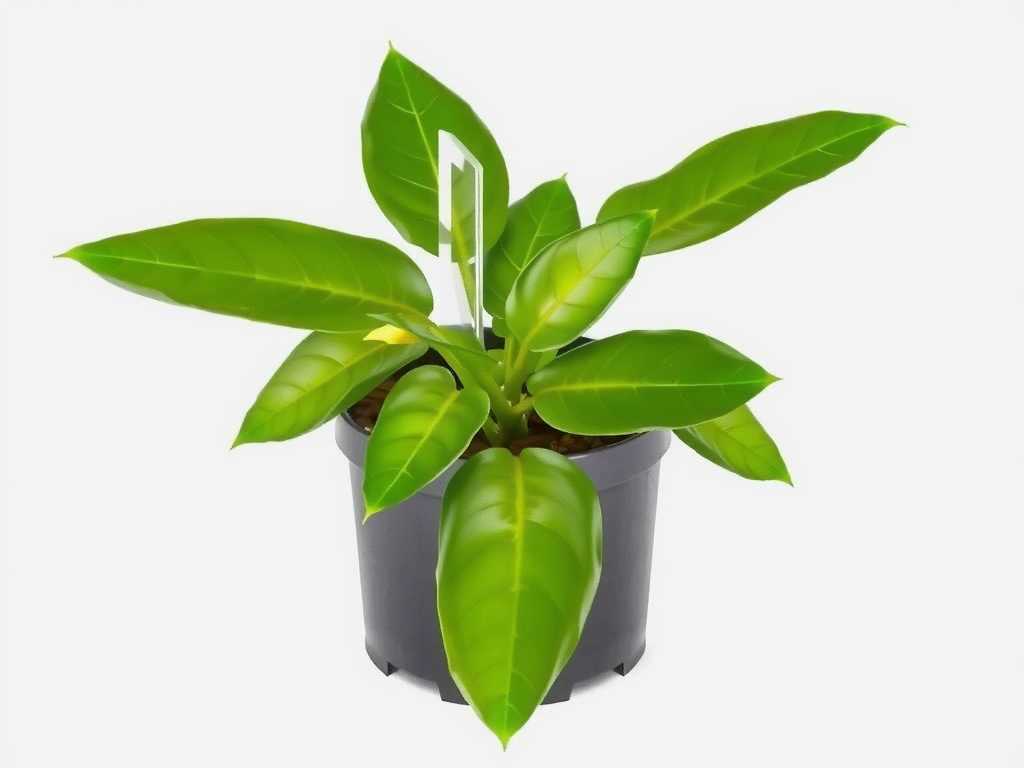
A leaf, even with its petiole (leaf stem), lacks this critical component. While a leaf cutting may develop roots in water or soil to sustain itself, it has no mechanism to produce new stems or leaves. It will remain a single, rooted leaf—a phenomenon often called a "zombie leaf"—which may survive for months or even years but will never become a vine or produce new foliage.
The Right Way to Propagate: It's All About the Cutting
Successful propagation requires a segment of the plant that contains at least one node. This is what is correctly termed a "stem cutting." The leaf is a part of this process, but it is not the sole protagonist.
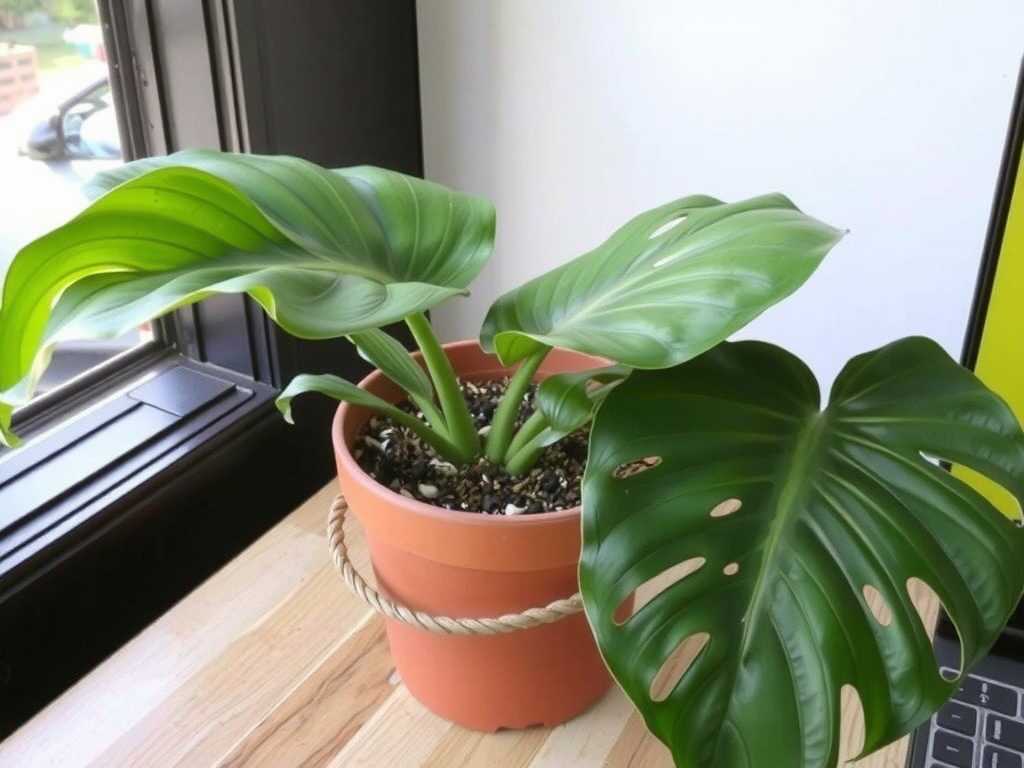
Identifying a Viable Monstera Cutting
Before you make the first snip, you need to know exactly what to look for. A viable cutting must include:
- At Least One Node: This is non-negotiable. Look for the distinct bump on the stem.
- An Aerial Root (Optional but Helpful): These are the brown, cord-like roots that grow from the stem. A cutting with an aerial root already has a head start on developing a full root system.
- One or More Leaves: A healthy leaf helps with photosynthesis, providing energy for the new plant. However, a node without a leaf can also propagate, a method used for "wet sticks."
Step-by-Step Propagation Methods
Once you have identified a healthy stem section with a node, you can choose your preferred propagation method.
Method 1: Water Propagation
Water propagation is the most popular method because it allows you to witness root development.
- Take Your Cutting: Using a clean, sharp pair of scissors or pruning shears, make a clean cut about an inch below the node. Ensure your tool is sterilized to prevent introducing disease.
- Place in Water: Submerge the node and any aerial roots in a glass or jar of fresh, room-temperature water. Ensure the leaf is not submerged, as this can cause rot.
- Provide Ideal Conditions: Place the jar in a spot with bright, indirect light. Change the water every 5-7 days to keep it oxygenated and prevent bacterial growth.
- Wait for Roots: In 2-6 weeks, you should see white roots emerging from the node. Wait until the roots are at least 3-4 inches long and have secondary roots (roots branching off the main roots) before potting.
Method 2: Moss Propagation
Sphagnum moss is an excellent medium for encouraging robust root growth, as it retains moisture while allowing for air circulation.
- Prepare the Moss: Soak a handful of sphagnum moss in water until it is fully hydrated, then squeeze out the excess water so it is damp but not dripping.
- Create a Setup: Place the moist moss in a clear container. You can use a plastic cup with drainage holes or a sealed terrarium-like container to maintain humidity.
- Insert the Cutting: Bury the node and any aerial roots within the damp moss.
- Maintain Humidity: Keep the container closed or in a humid environment, and check periodically to ensure the moss remains moist. Roots typically develop well in this controlled environment.
Method 3: Direct Soil Propagation
For those who want to skip the transfer step, planting directly into soil is an option.
- Prepare the Potting Mix: Use a well-draining aroid mix. A good recipe is two parts peat or coco coir, one part perlite, and one part orchid bark.
- Plant the Cutting: Plant the cutting in a small pot, ensuring the node is buried beneath the soil surface.
- Maintain Moisture: Keep the soil consistently moist (but not soggy) for the first few weeks to encourage root development. This method requires a bit more faith, as you cannot see the roots growing.
Why a Leaf-Only Cutting Will Fail
Let's revisit the initial question. A solitary Monstera leaf placed in water might develop some preliminary root-like structures from the petiole. However, these are often not true roots capable of sustaining long-term growth. More importantly, without a node, the leaf possesses no meristematic tissue—the plant cells responsible for division and growth. It has no "brain" or "heart" to direct the creation of a new plant. It is simply an organ trying to survive on its own, which it cannot do indefinitely. This is the fundamental difference between a leaf and a stem cutting.
Caring for Your New Monstera Plant
Once your propagated cutting has a healthy root system and is potted in soil, its care is similar to a mature Monstera.
- Potting: Choose a pot with drainage holes and use a chunky, well-aerating potting mix.
- Light: Provide bright, indirect light. Too little light will slow growth and inhibit leaf fenestration.
- Watering: Water thoroughly when the top few inches of soil feel dry.
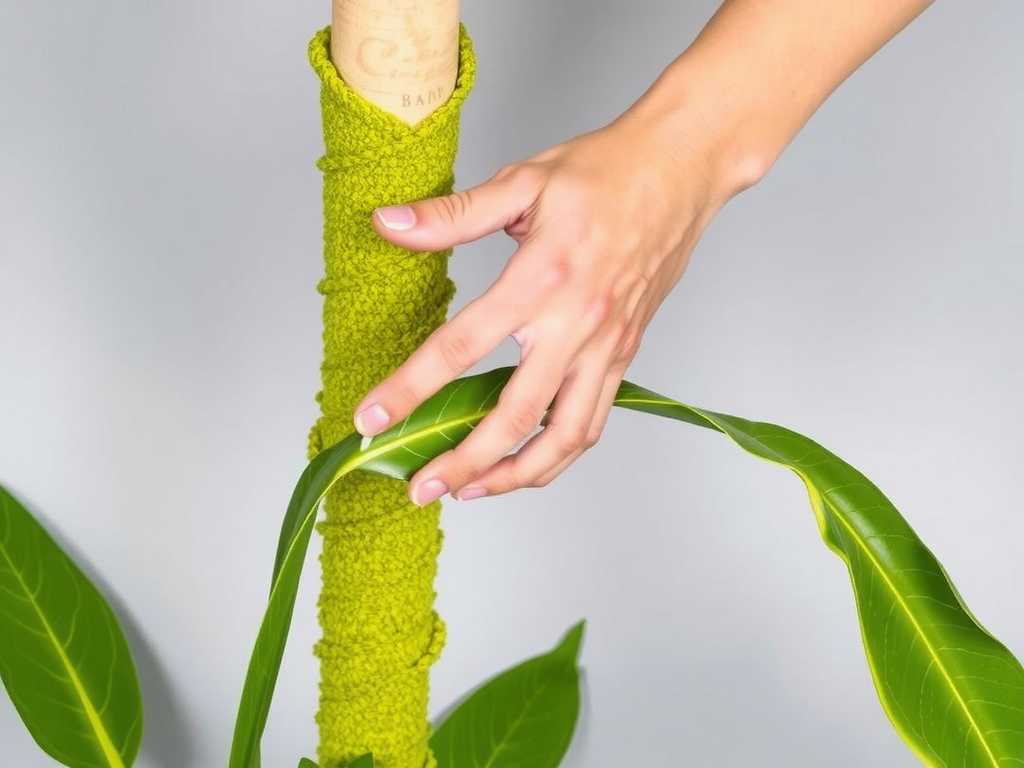
- Support: As your new plant grows, provide a moss pole or trellis for it to climb, which encourages larger, more fenestrated leaves.
How long does it take for a Monstera cutting to root? Root development can take anywhere from two to six weeks, depending on factors like temperature, light, and the season. Warmer, brighter conditions typically speed up the process.
Can you propagate a Monstera leaf without a node in water? While the leaf may sit in water and even appear healthy for a while, it will not develop into a new plant. For successful propagation that results in a growing vine, a node is absolutely essential.
My rooted leaf cutting hasn't produced a new leaf in months. Why? You likely have a leaf without a node. A true stem cutting with a node should produce a new shoot from that node once the root system is established. If your cutting is just a leaf, it will never produce new growth.
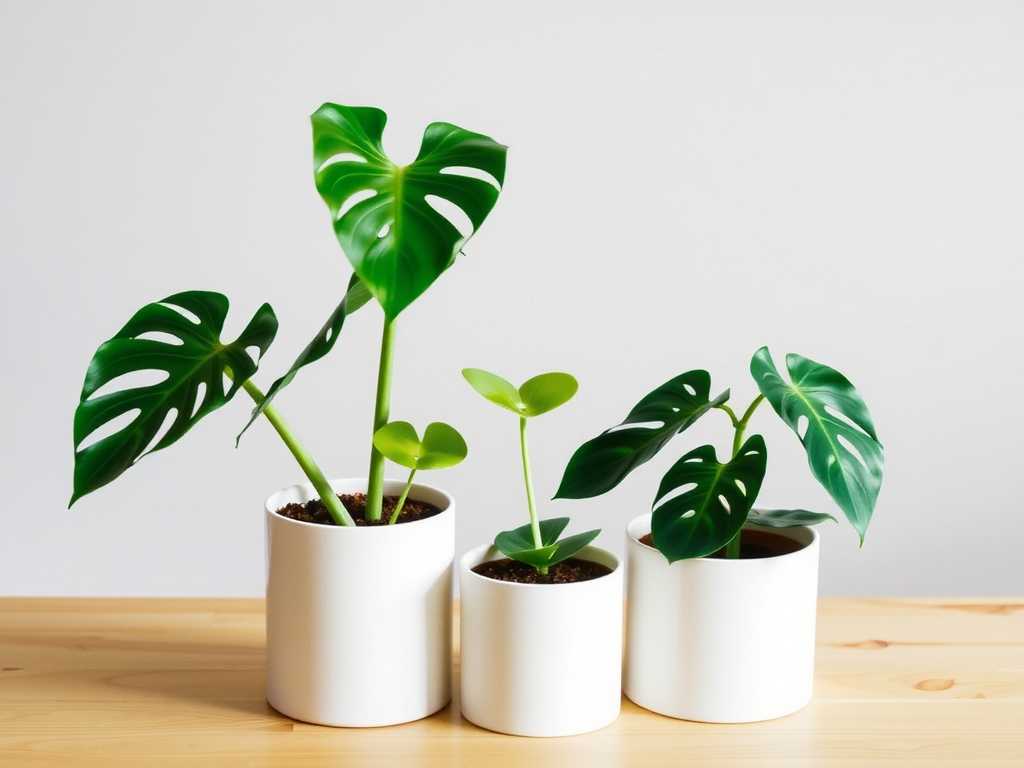
While the vision of growing a lush Monstera from a single leaf is appealing, the reality is that it's not biologically feasible. The true hero of propagation is the node. By ensuring your cutting includes this vital piece of the plant's anatomy, you set yourself up for a guaranteed successful propagation journey. Forget the disappointment of a static leaf in a vase; armed with the right knowledge, you can confidently create new, thriving Monsteras for your home or to share with fellow plant lovers.

发表评论