 admin
admin Monstera Pot Size Guide: When & How to Repot Your Plant
I’ve lost count of how many times I’ve stared at my beloved Monstera, wondering if it’s silently pleading for a new home or if I’m about to disturb its perfect peace. The fear of overpotting, the mystery of those roots, the nagging question of timing—it’s a dilemma every plant parent faces. If you’re hesitating with a new pot in one hand and shears in the other, you’re not alone. This guide is born from my own trials, errors, and a particularly enlightening two-week observation period after repotting that changed my approach completely. I’ll walk you through not just the “how,” but the crucial “when” and “why,” so you can repot with confidence.
Understanding Your Monstera’s Root Language
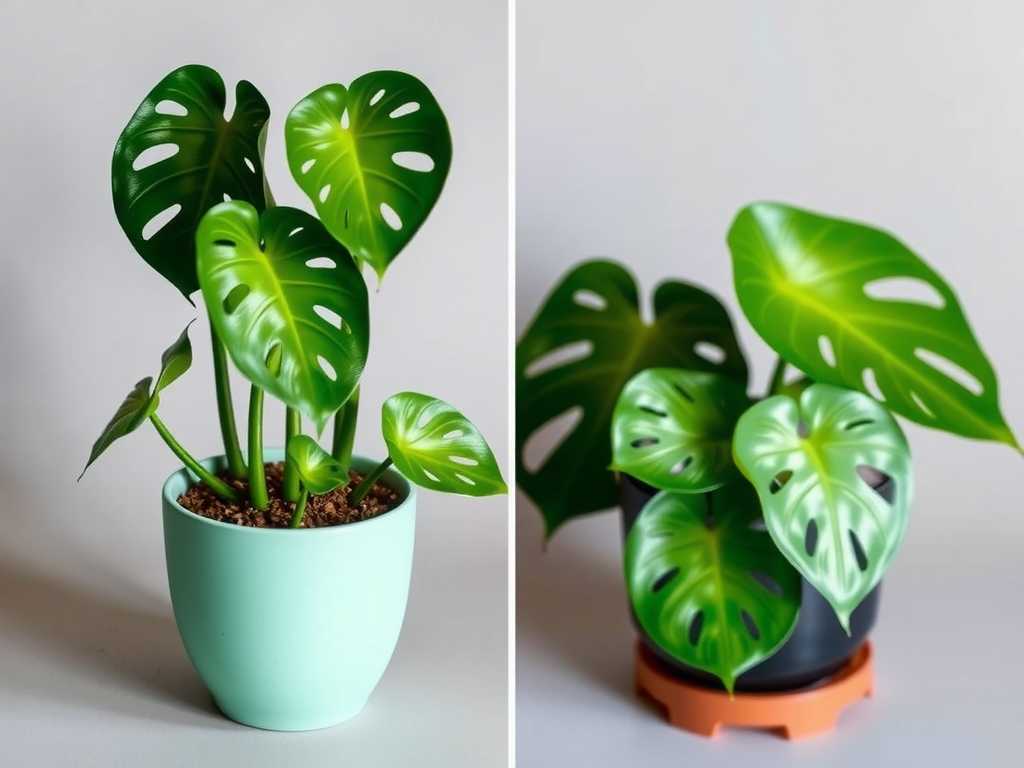
Before we talk pots, we need to listen to the roots. They tell the real story. A Monstera comfortably root-bound in its nursery pot is one thing; a plant suffering from severe root bound conditions is another. The key is proactive observation, not panic.
The Telltale Signs It’s Time to Repot
How do you know it’s time? Look for these clear signals from your plant, which go far beyond just seeing a root or two.
- The Root Check: This is the most definitive sign. Gently tilt the pot and slide the plant out. If you see a dense web of roots circling the outer edge and bottom of the root ball, it’s getting snug. If the roots are forming a tight mat and the soil is barely visible, it’s definitely time. I once waited too long, and the root ball had hardened into the shape of the pot, making it difficult to water properly.
- Watering Woes: Does water rush straight through the drainage hole without seeming to soak in? This means roots have taken up most of the space, leaving little soil to retain moisture. Conversely, if the soil stays soggy for too long, it might indicate root rot, which also necessitates repotting into fresh soil.
- Slowed Growth and Visible Discomfort: During its active growing season (spring/summer), your Monstera should push out new leaves. A noticeable halt, coupled with smaller new leaves or yellowing lower leaves, can signal it’s exhausted its current resources. Another obvious sign is roots visibly growing out of the drainage holes.
Choosing the Perfect Pot: Size, Material, and Drainage
Getting the pot right is 50% of the success. The wrong choice can set your plant back months.
The Golden Rule of Pot Sizing
The most common and devastating mistake is choosing a pot that’s too large. I learned this the hard way. A pot that’s too big holds excess soil, which retains water for too long, creating a soggy environment where roots suffocate and rot. The correct monstera pot size is typically 1-2 inches (2.5-5 cm) larger in diameter than the current pot. For a very root-bound plant, you can go up to 3 inches, but be extra cautious with watering afterward. The goal is to provide a little room for growth, not a vast, empty mansion.
Pot Material Matters: Pros and Cons
- Terracotta: My personal favorite for Monsteras. It’s porous, allowing soil to dry more evenly and reducing the risk of overwatering. The weight also provides stability for top-heavy plants. The downside? It dries out faster and can accumulate mineral salts on the outside.
- Glazed Ceramic: Beautiful and heavier, but less porous. Ensure it has an excellent drainage hole. You must adjust your watering schedule as soil stays moist longer.
- Plastic: Lightweight and retains moisture well. Ideal for those who tend to underwater. Always, always choose pots with drainage holes. As the Royal Horticultural Society (RHS) advises, good drainage is “essential” for healthy root development in most houseplants, preventing waterlogged conditions.
The Non-Negotiable: Drainage Holes
This cannot be overstated. A pot without a drainage hole is a death sentence for a Monstera’s roots. If you fall in love with a cachepot (a decorative outer pot without a hole), plant your Monstera in a standard nursery pot with holes and place it inside. Remember to empty the cachepot of any drained water after watering.
My Step-by-Step Repotting Process
Here is the exact process I follow, refined after a few messy attempts.
Gathering Your Supplies
You’ll need: the new pot, a well-draining potting mix for monstera (I use a blend of 2 parts regular potting soil, 1 part orchid bark, and 1 part perlite), clean pruning shears, a trowel, and newspaper or a workspace you can get dirty.
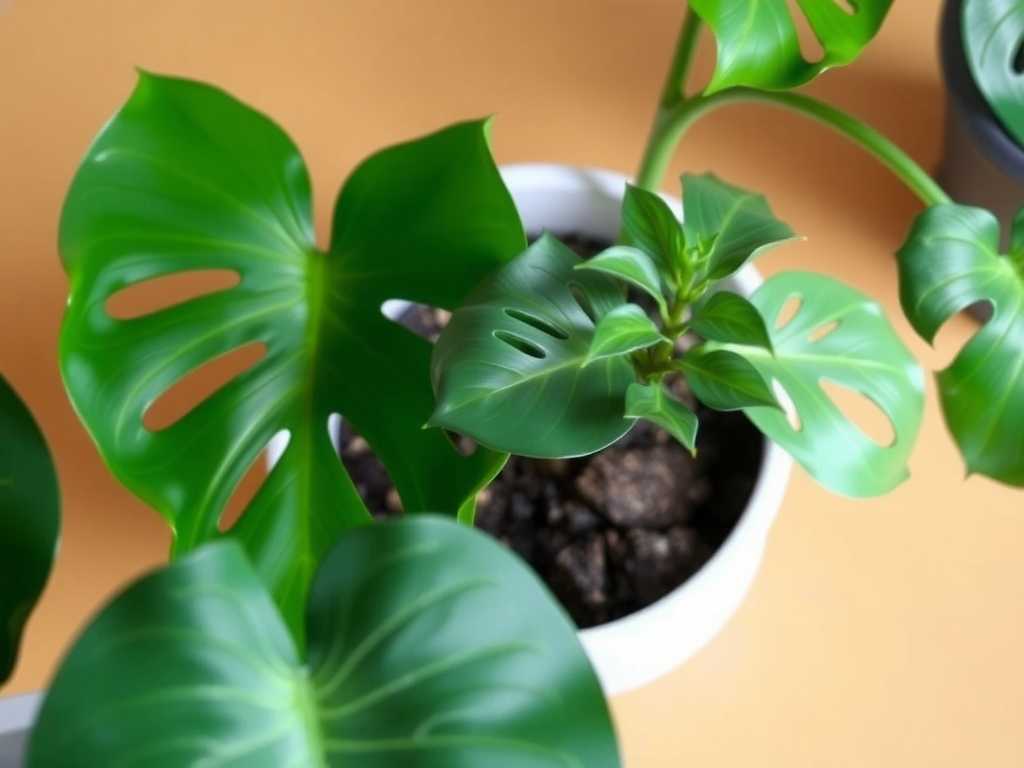
The Gentle Transition: A Photo Guide
- Water the Day Before: I lightly water my Monstera 24 hours before repotting. This reduces stress and makes the root ball easier to work with.
- Prepare the New Pot: Place a piece of broken pottery or a mesh screen over the drainage hole to prevent soil loss. Add a 1-2 inch layer of fresh potting mix to the bottom.
- The Extraction: This is where patience is key. Don’t pull the stem! Firmly squeeze the sides of the flexible nursery pot or tap it on its side to loosen the root ball. Gently guide the plant out.
- Root Inspection and Care: Now, inspect the roots. Gently loosen the outer roots with your fingers. If they are densely circled, you can make a few vertical cuts along the sides to encourage them to grow outward. This felt scary at first, but it’s beneficial. Use sterilized shears to trim away any black, mushy, or obviously dead roots.
- Positioning: Place your Monstera in the center of the new pot. The top of the old root ball should sit about an inch below the pot’s rim. Add or remove soil beneath to adjust the height.
- Backfill with Soil: Holding the plant steady, add your fresh potting mix around the sides. Gently tamp the soil down to remove large air pockets, but don’t compact it tightly. The goal is a supportive yet airy structure.
- The Initial Water: Give it a thorough, gentle watering until water flows freely from the bottom. This helps settle the soil around the roots. Let it drain completely.
Post-Repotting Care: The Critical 2-Week Window
This is where my most valuable learning happened. I used to think the job was done after watering. Not so.
Immediate Aftercare (First Week)
- Location: Place the plant back in its original light spot. Avoid direct, harsh sunlight as it’s in a sensitive state.
- The Watering Pause: Do not water again on a schedule! The fresh soil is moist. Overwatering now is the biggest risk. I check the soil moisture by sticking my finger 2-3 inches deep. I only consider watering again when the top few inches feel dry.
- Expect Some Shock: It’s normal for the plant to look a little droopy or for a leaf or two to yellow in the week following repotting. The plant is focusing energy on root establishment. I panicked the first time and over-loved it with water, which made things worse.
The Observation Period (Week Two and Beyond)
I dedicated myself to simply observing for two weeks. No fertilizing, no moving it around, just checking soil moisture and leaf posture.
- What I Saw: By day 10, the slight droopiness was gone. The stems felt firm. The soil dried out at a predictable rate, confirming my soil mix was working. Most importantly, I spotted the very tip of a new aerial root beginning to extend—a sure sign the plant had settled in and was resuming growth. This two-week observation taught me more than any article: patience and restraint are the best post-repotting care.
- When to Resume Fertilizing: Wait at least 4-6 weeks after repotting. The fresh soil contains nutrients. Fertilizing too soon can harm the new, sensitive roots.
Troubleshooting: Problems I’ve Encountered and Fixed
- The Droop That Won’t Quit: If your plant is still severely wilted after 10 days, it’s likely a root issue. You may have to gently re-check the roots for rot you missed or damage caused during repotting. Trim any rot, and repot into slightly drier, airier mix.
- Yellowing Leaves: A few lower leaves yellowing is normal shock. Widespread yellowing, especially in new growth, often points to overwatering. Let the soil dry out deeply before watering again.
- Soil Settling Too Much: If the soil level drops significantly after the first water, simply top it up with a little more fresh mix.
Frequently Asked Questions
How often should I repot my Monstera? Typically, a young, fast-growing Monstera may need repotting every 1-2 years. A mature plant might be happy in the same pot for 2-3 years, with annual soil refreshment. Always let the plant’s signs, not the calendar, guide you.
Can I repot my Monstera in winter? It’s best to avoid it unless it’s an emergency (like severe root rot). Plants are mostly dormant in winter, and repotting can cause undue stress with slow recovery. The ideal time is late spring or early summer during the peak growing season.
My pot doesn’t have a drainage hole. Can I just add rocks at the bottom? This is a persistent myth. Adding a “drainage layer” of rocks actually creates a perched water table, raising the soggy zone higher into the root ball. It’s ineffective. Always use a pot with a hole, or use a nursery pot inside a decorative cachepot.
Repotting your Monstera isn’t just a chore; it’s a conversation with your plant. By understanding its signals, choosing a suitable home only slightly larger than the last, and providing patient aftercare, you’re setting the stage for years of vigorous, stunning growth. Remember, the goal is a supportive partnership—you provide the space and care, and your Monstera responds with those breathtaking, fenestrated leaves. Now, go check those roots

发表评论