 admin
admin The Best Soil for Monstera: My DIY Potting Mix Recipe for Thriving, Fenestrated Leaves
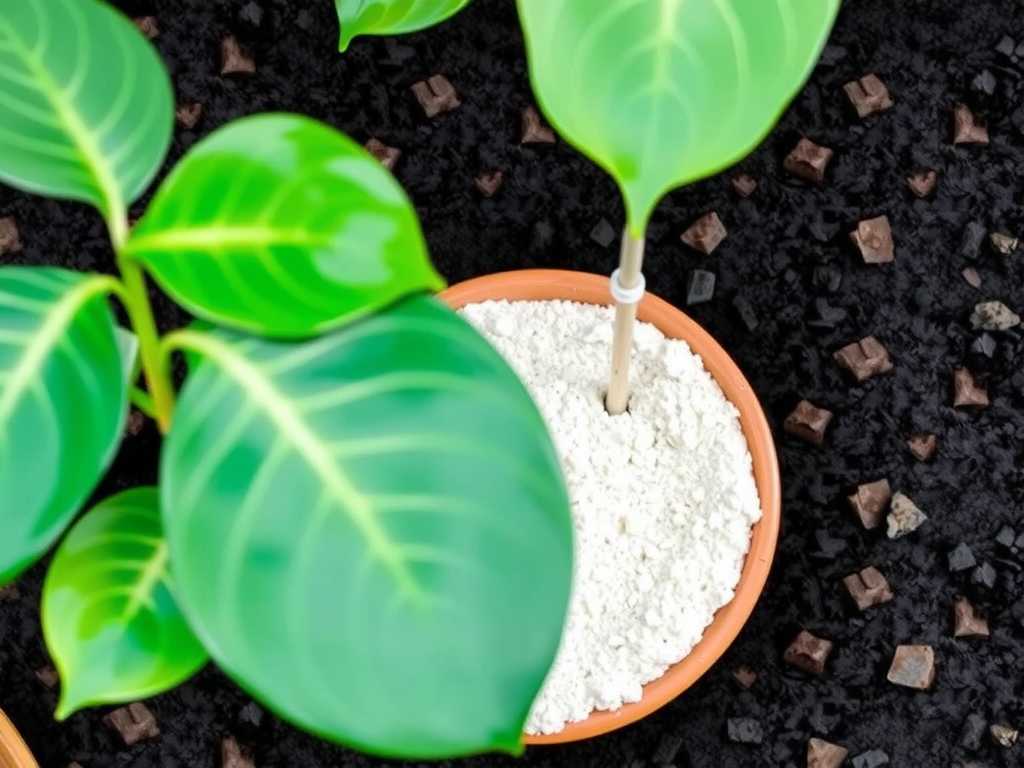
Let’s be honest. The single biggest mistake I see fellow plant lovers make with their Monstera deliciosa is using the wrong soil. It’s the silent killer. You bring home this gorgeous, vibrant plant, pot it in whatever bagged “all-purpose” mix is handy, and then… the stagnation begins. The leaves lose their shine, new growth is slow and small, and those iconic splits and holes—the fenestrations we all crave—just don’t appear. Worst of all, you water it, and the moisture just sits there for days, a soggy invitation for root rot. I’ve been there, staring at a yellowing leaf, feeling like I failed a plant I deeply loved.
That frustration is what sent me down a rabbit hole of research and experimentation. I spoke with horticulturists, devoured resources from the Royal Horticultural Society (RHS) and the American Horticultural Society (AHS), and tested more blends than I can count. What I discovered is that Monsteras aren’t just “any” houseplant. In their natural habitat, they are climbers, with roots that grasp onto trees and have access to incredible aeration and quick drainage. Our goal is to mimic that environment in a pot. After two years of tweaking, I’ve landed on a DIY Monstera soil mix that has transformed every single one of my plants. The best part? You can make it yourself with a few simple, affordable ingredients.
Why Your Monstera Hates Heavy, Dense Soil
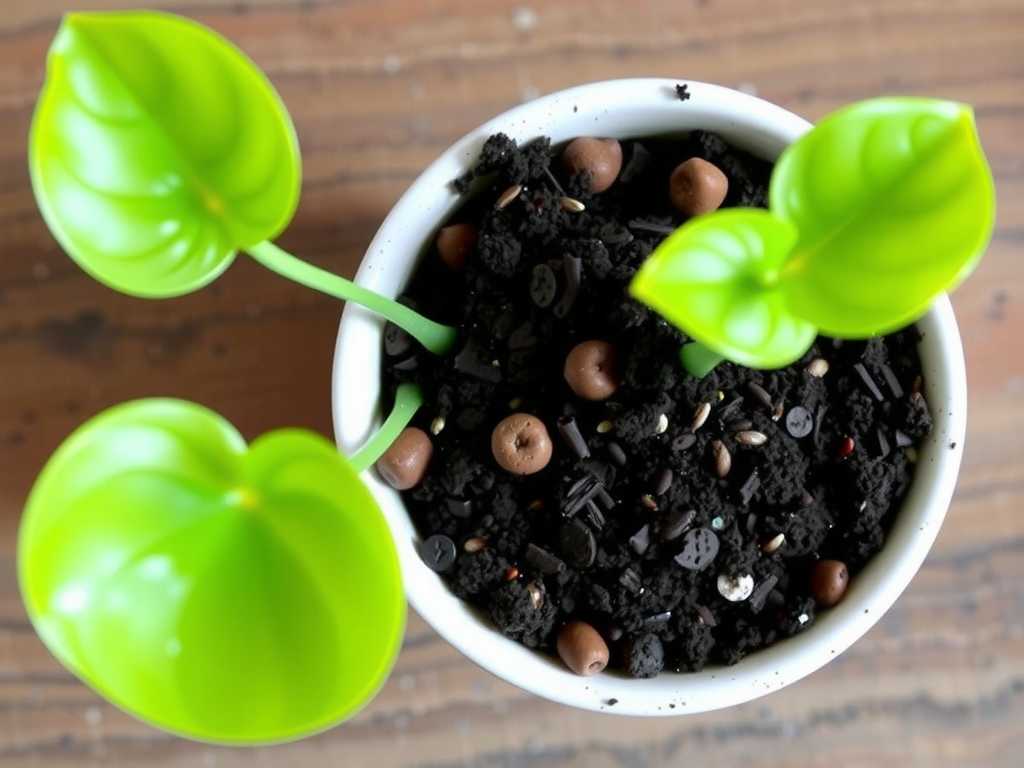
To fix the problem, we need to understand it. Monsteras are epiphytic in nature, meaning they grow on other plants for support, not in dense ground soil. Their roots are adapted to absorb moisture and nutrients quickly from the air and from debris caught in tree bark. They need oxygen at their roots almost as much as they need water.
A heavy, moisture-retentive soil creates a suffocating environment. It compacts over time, choking the roots and preventing them from breathing. This stress is what stunts growth and inhibits fenestration. Furthermore, constant wetness is the perfect condition for fungal pathogens that cause root rot—the number one cause of Monstera demise. The RHS consistently emphasizes the critical importance of “free-draining compost” for aroid plants like Monstera to prevent waterlogging. My early failures were a direct result of ignoring this fundamental need.
The Golden Rule: The Perfect Monstera Potting Mix Formula
Through trial and error, I’ve developed a foolproof, customizable recipe. The core principle is this: Your Monstera soil must be chunky, airy, and fast-draining, while still retaining some moisture and nutrients.
Here is my foundational recipe, which I’ll call the “Epiphytic Aroid Blend”:
- 2 parts High-Quality Potting Mix: This is the nutrient base. I use a premium, peat-free or coir-based mix. Avoid anything labeled “moisture control” or that feels dense and fine.
- 1 part Orchid Bark (Medium Grade): This is the star ingredient. It creates essential air pockets, mimics the chunky texture of tree bark, and provides structure. As noted by aroid specialists, bark is non-negotiable for healthy aroid root systems.
- 1 part Perlite or Pumice: For drainage and aeration. I prefer pumice as it’s heavier and doesn’t float to the top, but perlite is perfectly fine and more readily available.
- 1 part Horticultural Charcoal (Optional but Recommended): This is my secret weapon. It helps filter impurities, prevents souring of the mix, and offers mild antifungal benefits.
- A handful of Worm Castings: Instead of mixing in slow-release fertilizer pellets, I add this natural, nutrient-rich amendment. It feeds the plant gently and improves soil biology.
My Personal Customization: For my very mature, large Monsteras in high-humidity rooms, I sometimes increase the bark to 1.5 parts for even faster drainage. For a younger plant or in a drier climate, I might stick to the classic 1:1:1 ratio of mix, bark, and perlite.
Gathering Your Materials: A Step-by-Step Guide
You don’t need a lab, just a clear workspace. I mix mine on a large tarp in my garage or on a clean patio.
- The Container: Get a large, clean tub or bucket. You’ll want to make a sizable batch—it’s more efficient.
- The Ingredients: Source each component individually. I buy a large bag of orchid bark from a garden center, a big bag of perlite, and a quality potting mix. Don’t try to substitute garden soil; it’s a recipe for compaction and pests.
- Safety First: Wear a dust mask, especially when handling perlite and dry potting mix. Trust me, you don’t want to inhale that fine dust.
- The “Part” System: A “part” is any consistent measuring tool. I use a large plastic cup. So, my recipe becomes: 2 cups potting mix, 1 cup bark, 1 cup perlite, 1 cup charcoal, plus a half-cup of worm castings.
My Mixing Process and the Critical “Potting Up” Technique
Here’s where the magic happens. Dumping everything in and stirring haphazardly won’t give you a uniform mix.
The Mix: I start by adding the dry, chunky components—the orchid bark and horticultural charcoal—to the tub and giving them a preliminary mix. Then, I add in the potting mix and worm castings. Finally, I add the perlite last. I moisten the blend very slightly with water from a spray bottle. This prevents the hydrophobic peat or coir from repelling water later and keeps the perlite dust down. The mix should feel barely damp, not wet.
The Repotting: This is a surgical procedure, not a brute-force task.
- Gently Remove the Plant: Tip the pot and coax the plant out. Never pull from the stems.
- The Root Inspection: This is crucial. I gently massage the root ball to shake off the old, spent soil. I inspect every root. Healthy roots are firm and white or light tan. Rotten roots are mushy, dark brown/black, and often slip off easily, sometimes smelling foul.
- The Pruning: With clean, sharp scissors, I snip off any rotten or dead roots. Don’t be afraid; this is a life-saving operation. I’ve had to remove up to a third of a root system before. The plant will thank you.
- The New Home: Choose a pot with excellent drainage holes that is only 1-2 inches larger in diameter than the root ball. A pot too large holds excess wet soil. I place a layer of my new mix in the bottom.
- Positioning: I set the Monstera in, holding it at the desired height, and begin filling around the sides with the new mix. I tap the pot gently to settle the soil, but I do not compact it. The structure should remain loose and airy.
- The First Water: After potting, I give it a thorough, deep watering until it flows freely from the drainage holes. This helps the soil settle around the roots and eliminates large air pockets.
The 2-Week Transformation: What I Observed
The real test began after the repot. I monitored my most troubled Monstera, a medium-sized plant that hadn’t put out a new leaf in months and had mild yellowing on a lower leaf.
- Week 1: The plant showed no signs of shock—no drooping or additional yellowing. This was my first win; a sign the roots were comfortable. The soil dried out noticeably faster than before. Where the old soil stayed wet for 10+ days, this new mix was nearly dry to the touch in about 5-7 days, depending on light and temperature.
- Week 2: At the end of the second week, I noticed something incredible. The main stem felt firmer, more robust. And then I saw it—a tightly rolled, bright green sheath peeking out from the previous leaf. A new growth point was activating! This was a direct result of the roots finally having the oxygen and environment they needed to “wake up” and support new growth.
The Pitfalls I Encountered (And How You Can Avoid Them)
My journey wasn’t flawless. Here are the mistakes I made so you don’t have to:
- The “Too Much Love” Watering: Even with perfect soil, I overwatered once. I assumed because the top was dry, it needed water. I learned to always check with my finger, inserting it 2-3 inches down. If it’s damp, I wait.
- Skimping on Ingredients: I once tried using cheap, fine-grade “orchid mix” that was mostly dust. It decomposed quickly and turned sludgy. Invest in medium or large-grade bark. The chunkier, the better for aeration.
- Ignoring the Pot: I used the perfect DIY soil mix in a pot with a single, tiny drainage hole. It still drained poorly. Drainage holes are non-negotiable. Consider adding a layer of coarse gravel or broken pottery at the bottom if your pot is very deep.
- Forgetting to Fertilize: This chunky mix drains nutrients faster. After about 6-8 weeks, I start a regular feeding schedule with a balanced, liquid fertilizer diluted to half-strength during the growing season.
Frequently Asked Questions from Fellow Plant Lovers
Can I use cactus/succulent mix for my Monstera? You can, but I often find it needs amendment. Most commercial cactus mixes are still too fine and mineral-based. I recommend using it as a base (treating it as the “potting mix” in my recipe) and still adding orchid bark and extra perlite to increase aeration for your Monstera’s health.
How often should I repot with this DIY mix? Typically, every 1-2 years during spring or early summer. Signs it’s time include roots growing out of the drainage holes, the plant becoming top-heavy, or the soil drying out extremely quickly (in 2-3 days). The chunky structure of this mix breaks down slower than standard soil, so it lasts well.
My plant still isn’t putting out split leaves. What am I doing wrong? Patience is key. Fenestration is primarily a function of maturity and light. A young Monstera will not have splits. Ensure your plant is getting plenty of bright, indirect light. This is the second most important factor after soil. A Monstera in low light will survive but will not thrive or fenestrate. Give it time, the right soil, and ample light, and those beautiful holes will come.
Creating the ideal soil for your Monstera isn’t just a gardening task; it’s the foundation of a thriving relationship with your plant. It’s about understanding its origins and respecting its needs. This DIY mix gave me more than just healthier plants; it gave me confidence. I no longer fear watering day. I eagerly anticipate each new, potentially fenestrated leaf. By taking this hands-on approach, you’re not just filling a pot—you’re building an ecosystem. Start with the soil, and everything else, from watering to feeding, becomes simpler, more intuitive, and far more successful. Your Monstera is ready to show you what it can really do.
发表评论