 admin
admin Monstera Humidity Needs: How to Increase Humidity Indoors
I remember the exact moment I realized my Monstera deliciosa was silently pleading for help. It wasn’t dramatic wilting or yellowing leaves. It was the subtle, heartbreaking sight of crispy, brown edges creeping in from the leaf margins, and those iconic splits and holes—the fenestrations I waited so patiently for—seemed hesitant to develop on new growth. The air in my home felt fine to me, but to my tropical beauty, it was a desert. If you’re seeing similar signs, you’ve come to the right place. Understanding Monstera humidity needs isn’t just plant trivia; it’s the key to unlocking lush, gigantic, and phenomenally fenestrated leaves. This guide is my personal journey from struggling plant parent to confident humidity hacker, complete with real steps, a two-week experiment, and all the mistakes I made along the way.
Why Your Monstera Is Craving More Moisture in the Air
Let’s start with the basics. Monsteras are native to the rainforests of Central America, where they climb trees in a steamy, humid understory. Humidity levels there routinely hover between 60% and 80%. Compare that to the average heated or air-conditioned home, which often sits at a mere 30%-50%. This disparity is the root of our problem.
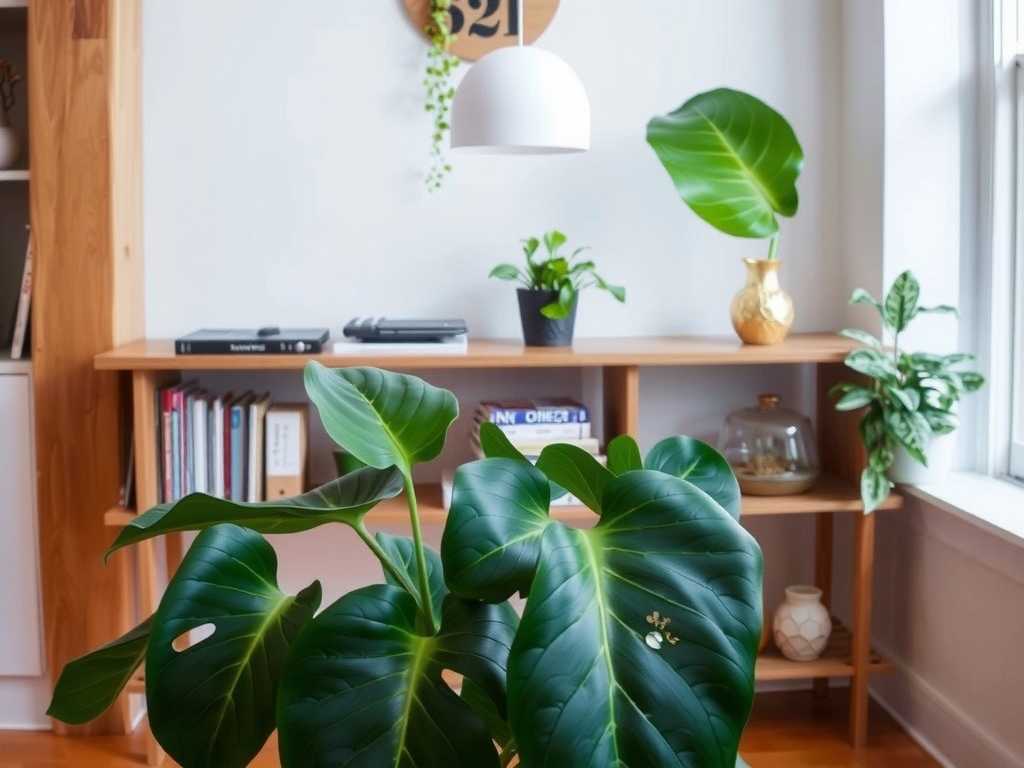
When the air is too dry, plants lose water through their leaves (a process called transpiration) faster than their roots can absorb it. To conserve resources, they slow down growth and may even seal off the edges of leaves, causing that dreaded browning. Furthermore, consistent humidity for Monstera plants directly supports the development of larger leaves with more splits. The plant feels secure enough to invest energy into those spectacular fenestrations. As an expert from the Royal Horticultural Society (RHS) notes, "High humidity is essential for many tropical foliage plants to maintain full, healthy leaves without browning at the tips."
So, how do you know if your Monstera’s indoor humidity levels are off? Look for:

- Brown, crispy leaf edges or tips.
- Slow or stunted new growth.
- Small new leaves without fenestrations.
- Leaves that curl slightly at the edges.
- Increased susceptibility to pests like spider mites, who thrive in dry conditions.
My 2-Week Humidity Boost Experiment: Methods & Results
I decided to take action and test three popular methods to increase humidity around Monstera. I dedicated two weeks to each method, monitoring my plant’s response and the environment with a simple digital hygrometer I placed right beside it. My baseline home humidity was a low 35%.
Method 1: The Humidifier – The Precision Powerhouse
This was my first and most effective investment. I chose a cool-mist ultrasonic humidifier and placed it about 3 feet away from my Monstera cluster, ensuring a gentle mist wouldn’t directly wet the leaves for prolonged periods (to avoid fungal issues).
My Steps:
- I filled the humidifier with distilled water to prevent mineral dust on nearby surfaces.
- I set it to maintain a 65% humidity level, turning it on for 8-10 hours during the day.
- I consistently refilled it every other day.
The 2-Week Observation: Within days, the hygrometer showed a stable zone of 60-65% around my plants. The most immediate change wasn’t in the old leaves, but in the feel of the new growth. A sheathed leaf that was emerging seemed to unfurl more smoothly and rapidly. After two weeks, this new leaf was significantly larger than the previous one and had developed one distinct split already—a promising sign! The existing leaves also appeared perkier.
The Pitfall I Hit & Solution: I initially placed the humidifier too close, on the same shelf. This created a constant wet patch on the wall. Solution: I moved it to a lower stool nearby, creating air circulation and protecting my wall. Also, regular weekly cleaning with vinegar is non-negotiable to prevent mold in the tank.
Method 2: The Pebble Tray – A Simple Classic
A low-tech solution I tried on a single, smaller Monstera. I took a wide, shallow tray, filled it with clean pebbles or gravel, and poured water until it sat just below the top of the stones. I then placed the plant pot on top, ensuring the pot’s drainage holes were never sitting in water.
My Steps:
- Selected a tray wider than the plant’s pot diameter.
- Used a layer of pebbles about 1.5 inches deep.
- Kept the water level topped up as it evaporated.
The 2-Week Observation: This method provided a very localized boost. The hygrometer showed an increase of about 5-10% directly above the tray. It prevented the situation from getting worse but wasn’t enough to create a truly tropical microenvironment on its own. It worked best as a supportive measure. I noticed no new browning on the test plant, but growth speed was unchanged.
The Pitfall I Hit & Solution: Evaporation is fast! In my dry air, the tray would go bone dry in under 48 hours, making it ineffective. Solution: Setting a phone reminder to check the water level every morning made this method viable. For a busy plant parent, pairing it with another method is wiser.
Method 3: Strategic Grouping – The Community Approach
Plants naturally release moisture through transpiration. I grouped several of my humidity-loving plants (like a Peace Lily and a Fern) around my main Monstera.
My Steps:
- Created a cluster on a large plant stand near an east-facing window.
- Ensured leaves had slight airflow between them to prevent pest harborage.
The 2-Week Observation: This created a pleasant microclimate. The humidity around the group consistently read 5-15% higher than the rest of the room. It was a noticeable and steady improvement over the pebble tray alone. The Monstera in this group showed improved leaf glossiness. The American Horticultural Society (AHS) affirms this, stating, "Grouping plants together raises the humidity immediately around them through collective transpiration."
The Pitfall I Hit & Solution: I initially overcrowded them. This reduced air circulation, and I spotted the first signs of a fungal gnat issue. Solution: I spaced the pots so leaves lightly touched but weren’t densely packed, and I began watering more carefully to let the topsoil dry slightly between waterings for the cluster.
Choosing the Right Method for Your Home and Lifestyle
Based on my experiment, here’s my practical advice:
- For Serious Enthusiasts or Dry Climates: A humidifier is unmatched. It’s the only way to reliably and consistently hit that 60%+ sweet spot. It’s a set-and-forget solution (aside from refills and cleaning).
- For Moderate Boost or Budget Starters: Combine plant grouping with a pebble tray. This duo is surprisingly effective and low-cost.
- Quick Fixes: Regular misting? I found it offers a fleeting spike in humidity and can promote leaf disease if water sits in the leaf sheaths. I don’t recommend it as a primary strategy. A better quick fix is moving your Monstera to a naturally humid room like a bathroom with a window.
Remember, while boosting indoor plant humidity, never compromise on other care aspects. Proper, well-draining soil and bright, indirect light remain paramount. Humidity aids the process; it doesn’t replace fundamentals.
Frequently Asked Questions
Can I just mist my Monstera every day instead? While misting provides momentary relief, its effect on ambient humidity lasts less than 30 minutes. For creating the consistently humid environment Monsteras crave, misting is largely ineffective and can increase the risk of bacterial and fungal spots on leaves if they don’t dry quickly.
What is the absolute minimum humidity for a Monstera? They can survive in humidity as low as 40%, but they will not thrive. You’ll likely see the classic signs of stress: slow growth, minimal fenestration, and brown leaf edges. Aiming for 50-60% should be your target to see healthy, happy growth.
Will increasing humidity attract mold or pests in my home? Properly increased humidity for plants (aiming for 60-65%) should not cause household mold, which typically requires sustained levels above 70% on surfaces. In fact, by preventing dry stress, you make your Monstera less susceptible to certain pests like spider mites. The key is ensuring good air circulation around your plants—a gentle fan in the room can help immensely.
Finding the right balance for your Monstera’s humidity needs is a game-changing step in your plant care journey. It transforms your plant from merely surviving to vigorously thriving, pushing out those breathtaking, perforated leaves we all dream of. Start by assessing your space with a hygrometer, pick one method to try for the next two weeks, and observe. The most rewarding part of this process was watching my Monstera respond—not with words, but with vibrant, expansive new growth that told me I’d finally listened. Your tropical companion will thank you for the humid embrace.
发表评论