 admin
admin Monstera Hanging Care: A Complete Guide to Growing as a Trailing Plant
I love the lush, tropical look of a Monstera, but for the longest time, mine just sat there, bushy and a bit awkward. I wanted that iconic, cascading jungle vibe—a living curtain of split leaves. If you’re staring at your own Monstera, wondering how to encourage those beautiful trailing vines instead of a sprawling mess, you’ve come to the right place. Achieving the perfect Monstera hanging care routine is simpler than you think, but it requires shifting your mindset from treating it as an upright climber to supporting it as a graceful trailer. I transformed my plant over several months, and I’ll guide you through every step, including the mistakes I made along the way.
Understanding the Trailing Monstera: It’s All About the Aerial Roots
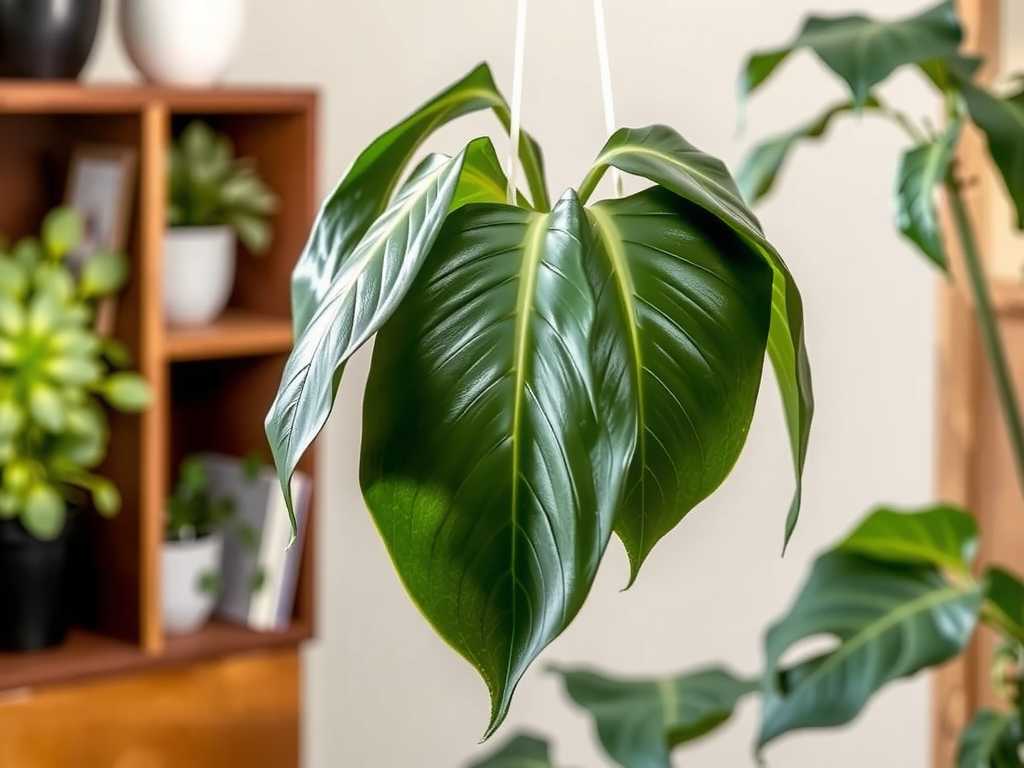
Before we dive into the how, let’s understand the why. Monsteras (Monstera deliciosa) are natural climbers in the wild, using their aerial roots to latch onto trees. When we grow them as trailing plants, we’re essentially asking them to let those vines and roots dangle freely. This changes their support and moisture-gathering strategy. According to the Royal Horticultural Society (RHS), these aerial roots are crucial for stability and can absorb moisture and nutrients from the air. For a hanging Monstera, we need to work with this anatomy, not against it.
My Two-Week Transformation Journey: From Bushy to Cascading
I decided to dedicate two intensive weeks to redirect my plant’s growth. My goal was to stimulate longer vine development and prepare it for its new life in a hanging basket.
Week 1: Assessment and Strategic Pruning I started by carefully examining my plant. I identified the longest, healthiest stems that had the potential to trail. Using sterilized, sharp pruning shears, I made strategic cuts. I removed any small, crowded, or inward-growing leaves at the base to redirect the plant’s energy to the main vines. I also pruned any leafless, long sections of stem (internodes) to encourage new growth points further back. The American Horticultural Society (AHA) emphasizes that pruning just above a leaf node (the bump where a leaf meets the stem) is key, as this is where new growth will emerge. Immediately after pruning, I noticed the plant looked a bit sparse, but I trusted the process.
The First Mistake and Fix: Overwatering After Pruning Here’s where I stumbled. In my enthusiasm, I gave the plant a heavy drink right after pruning, thinking it needed recovery moisture. Big mistake. The reduced foliage meant less water was being absorbed through transpiration, and the soil stayed wet for too long. After three days, I noticed the tips of a few remaining leaves turning slightly yellow—a classic sign of overwatering. I immediately stopped watering and placed the pot in a spot with good air circulation. I let the top two inches of soil dry out completely before even considering more water. This quick correction prevented root rot and taught me a vital lesson: always adjust watering to the plant’s current leaf mass.
Week 2: Light Optimization and Initial Training With the pruning done, focus shifted to light. For a Monstera to produce long, strong vines suitable for trailing, it needs bright, indirect light. I moved my plant from its decent spot to a prime location near a large east-facing window. This provided gentle morning sun without the harsh afternoon rays. I observed the plant daily. By the end of the week, I could swear the existing vines had visibly elongated, and tiny new buds were swelling at the nodes I had pruned. To gently encourage a trailing habit, I used soft plant ties to loosely guide the main vines over the edge of the pot, ensuring I didn’t constrict their growth.
The Perfect Hanging Monstera Care Routine
Once the initial push for growth is established, maintaining your trailing beauty comes down to a consistent, tailored routine.
Choosing the Right Hanging Planter and Soil Mix Not all hanging baskets are created equal. I learned that a lightweight plastic or fiberglass liner inside a decorative basket is ideal—it retains moisture better than porous terracotta, which dries out too quickly when suspended in warm, dry air. Drainage is non-negotiable; the pot must have holes. For soil, I mix a high-quality, well-draining aroid mix with extra orchid bark and perlite. This creates an airy, chunky medium that mimics the plant’s epiphytic nature, preventing waterlogging around the roots, which are now more exposed to air.
Watering Your Hanging Monstera: A Delicate Balance This is the most critical adjustment. Hanging plants dry out faster than their shelf-bound counterparts due to increased air circulation. However, Monsteras still dislike soggy feet. My method is the finger test: I insert my finger into the soil up to the second knuckle. If it feels dry, I water thoroughly until it runs freely from the drainage holes. I always do this in the morning, allowing excess water to evaporate during the day. In my home, this typically means watering every 7-10 days in summer and every 14-20 days in winter, but I always check the soil first.
Feeding for Long, Lush Growth To support the energy-intensive process of growing long vines and large leaves, regular feeding is essential. During the active growing season (spring and summer), I use a balanced, water-soluble fertilizer diluted to half strength every 4-6 weeks. I avoid over-fertilizing, which can lead to salt buildup and burn those delicate aerial roots. In fall and winter, I cease feeding entirely as the plant’s growth slows.
Managing Aerial Roots on a Trailing Plant Those brown, cord-like aerial roots will grow longer on a trailing Monstera. You have options. You can let them dangle naturally for a wild, jungle-like aesthetic. Alternatively, you can gently coil them back into the pot where they can root into the soil and provide additional support and nutrients. I never cut off healthy aerial roots; they are vital organs for the plant. If one gets too long and unruly, I guide it back to the soil.
Common Challenges and Solutions for a Trailing Monstera
Even with perfect care, you might encounter a few issues.
Sparse Vines or Small Leaves If your trailing vines are long but the leaves are small or far apart, the plant is likely not getting enough light. It’s stretching (etiolating) to find a brighter spot. Move it closer to a bright, indirect light source. Conversely, if you notice brown, crispy patches on the leaves, it might be getting too much direct sun. A sheer curtain can work wonders to diffuse harsh light.
Dealing with Pests in a Hanging Plant Being elevated doesn’t make your Monstera immune to pests. Spider mites love dry air, which can be more common around hanging plants. I inspect the leaves, especially the undersides, weekly. At the first sign of webbing or tiny specks, I isolate the plant and treat it immediately. My go-to remedy is a gentle shower to dislodge pests, followed by wiping the leaves with a solution of neem oil and water. Consistent humidity helps deter these pests.
When and How to Repot a Hanging Monstera Repotting a large, trailing plant can be daunting. I do it only when I see roots circling the bottom of the pot or growing out of the drainage holes. I choose a new hanging pot only 1-2 inches larger in diameter. The process involves carefully lowering the plant, supporting its vines, and gently loosening the root ball before placing it in fresh soil. It’s a two-person job for a large specimen!
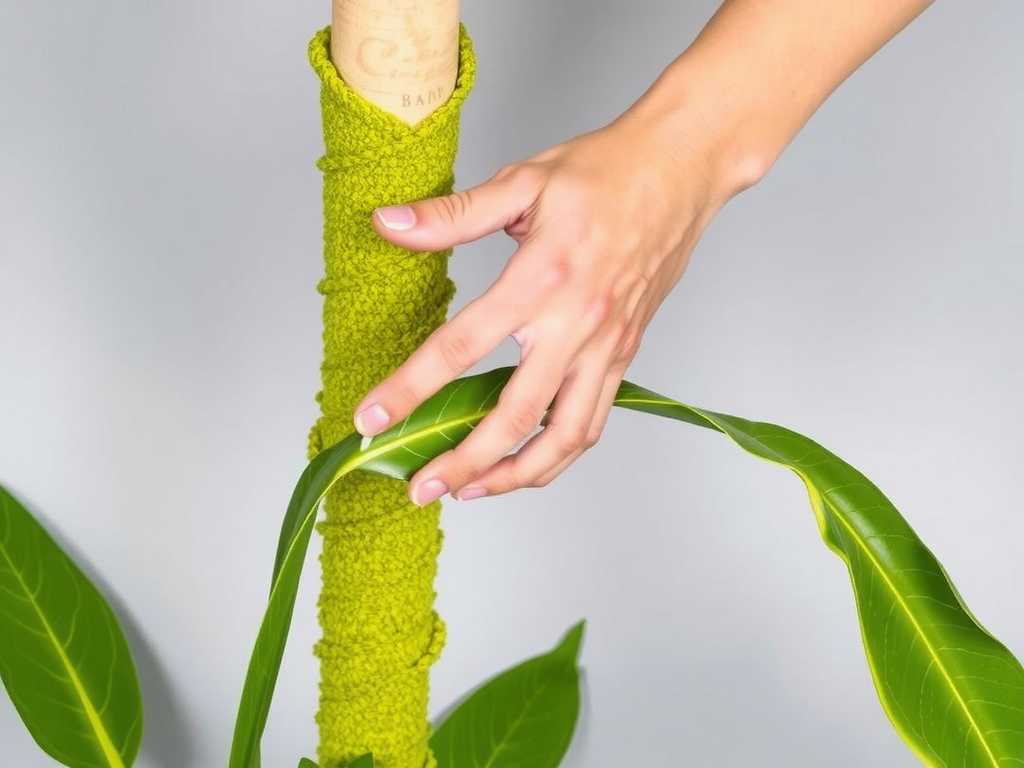
Can I train a mature, upright Monstera to trail? Absolutely. Start by gently staking and then gradually lowering the main stem over several weeks to avoid shock or breakage. Prune any lower leaves that resist the new direction. It requires patience, but the plant will adapt.

My trailing Monstera’s leaves are turning yellow. What’s wrong? The most common culprit is overwatering, especially in a hanging pot without proper drainage. Check your soil moisture immediately. Other causes could be nutrient deficiency (if you haven’t fed in a long time) or a natural shedding of older leaves at the base of the vine.
How do I increase humidity for my high-up plant? Grouping plants together creates a microclimate. You can also use a humidifier in the room. For a direct approach, I occasionally mist the aerial roots (not the leaves, to avoid fungal spots) or place the hanging pot on a tray filled with water and pebbles, ensuring the pot’s base never sits in the water.
Embracing Monstera hanging care is about partnering with the plant’s natural instincts. By providing the right light, mastering a careful watering rhythm, and respecting its aerial roots, you can cultivate a stunning, cascading centerpiece. It’s a rewarding practice that brings a dynamic, vertical element of greenery into your space. Remember, observe your plant closely—it will tell you what it needs. Happy trailing
发表评论