 admin
admin Monstera Propagation from Stem Cuttings: Your Full Guide to Success
Watching your magnificent Monstera plant grow is a joy, but seeing it become leggy or overgrown can leave you wondering what to do next. Perhaps you're dreaming of a fuller pot or want to share the beauty of this iconic plant with friends. The thought of taking cuttings might seem daunting, filled with uncertainty about root rot and failure. But what if you could confidently create new, thriving Monsteras from your existing plant? The good news is that Monstera propagation from stem cuttings is a simple and rewarding process. This comprehensive guide will walk you through every step, turning your initial apprehension into green-thumbed confidence.
Understanding Monstera Anatomy for Successful Propagation
Before you make the first cut, it's crucial to understand what you're looking at. Not every piece of leaf and stem will grow into a new plant.
The key to propagation lies in the node. A node is a brownish, ring-like bump on the stem where leaves, aerial roots, and new branches emerge. This tiny powerhouse contains the meristematic tissue responsible for generating new growth. For any chance of success, your stem cutting must include at least one node. A cutting with only a leaf, no matter how beautiful, will never develop roots.
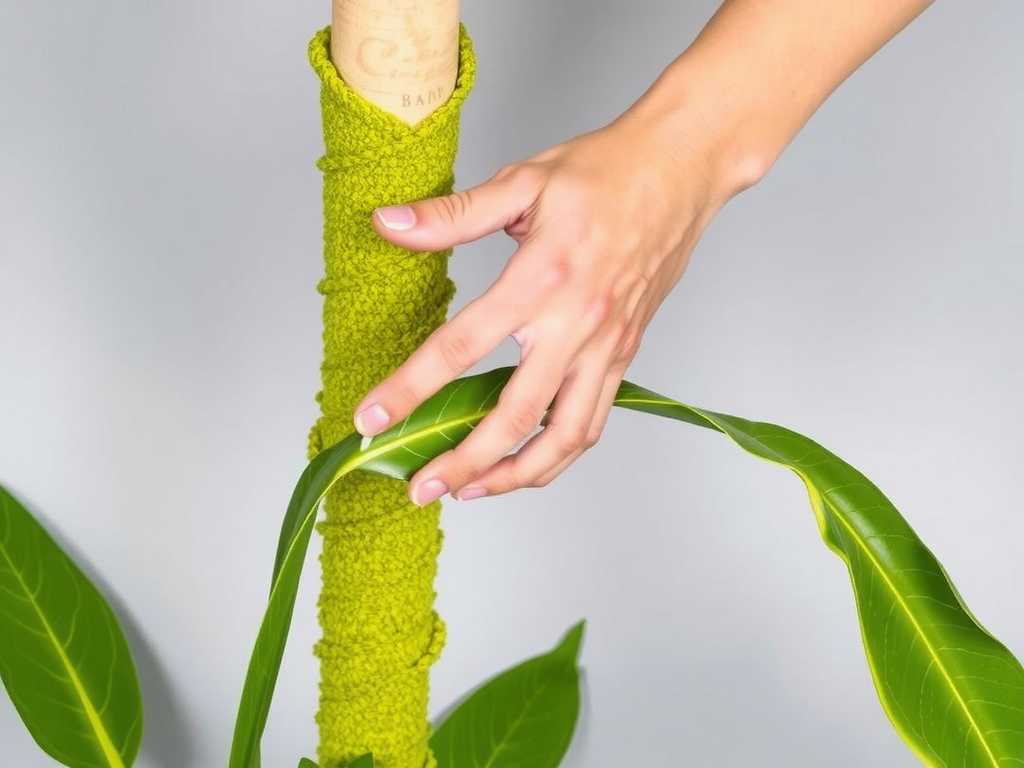
You should also identify the aerial roots, those rough, brownish extensions that grow from the stem. These are not just for show; in water or soil propagation, they readily convert into the primary water-absorbing roots for your new plant.
Gathering Your Propagation Supplies
Having the right tools ready makes the process smooth and sterile.
- Sharp Scissors or Pruning Shears: Ensure they are clean and sharp. Blunt tools can crush the stem, hindering root development.
- Rubbing Alcohol: Use this to sterilize your cutting tools before and after use to prevent the spread of disease.
- Rooting Hormone (Optional): A powder or gel rooting hormone can speed up root development and increase success rates, especially for soil propagation.
- Propagation Vessel: A clear glass jar or vase is ideal for water propagation.
- Fresh Potting Mix: A well-draining aroid mix is perfect for planting rooted cuttings.
A Step-by-Step Guide to Propagating Monstera Cuttings
Follow these clear instructions to ensure your new plant gets the best start.
Selecting and Taking the Perfect Cutting
Choose a healthy, mature stem with at least one leaf and one visible node. Look for a section that includes an aerial root, as this will give you a significant head start. Using your sterilized shears, make a clean cut about an inch below the node. Be careful not to damage the node itself. You can take a cutting with just one node, or a longer section with multiple nodes for a larger plant from the start.
Choosing Your Propagation Method: Water vs. Soil
You have two excellent options for rooting your Monstera cuttings. Each has its own advantages.
Rooting Monstera Cuttings in Water
This method is popular because it allows you to watch the roots develop in real-time.
- Place your cutting in a clear glass jar, ensuring the node is fully submerged. The leaf should remain above the waterline.
- Fill the jar with room-temperature water.
- Place the jar in a spot with bright, indirect light. Avoid direct sunlight, which can encourage algae growth.
- Change the water every 3-5 days to keep it oxygenated and prevent bacterial growth.
- In 2-6 weeks, you should see white roots emerging from the node. Wait until the roots are a few inches long, with secondary roots forming, before potting them up.
Starting Cuttings Directly in Soil
This method skips the transplanting step later and can be very effective.
- Prepare a small pot with drainage holes filled with a moist, well-draining potting mix.
- If using, dip the node and the end of the stem into rooting hormone.
- Make a small hole in the soil and place the cutting inside, gently firming the soil around the node.
- Place the pot in a location with bright, indirect light.
- Keep the soil consistently moist but not soggy for the first few weeks. You can cover the pot with a plastic bag to create a humid environment, but open it occasionally for fresh air.
Transitioning Your Water-Rooted Cutting to Soil
This is a critical stage where some propagators face challenges. The water roots your cutting has developed are different from soil roots, and they need time to adapt.
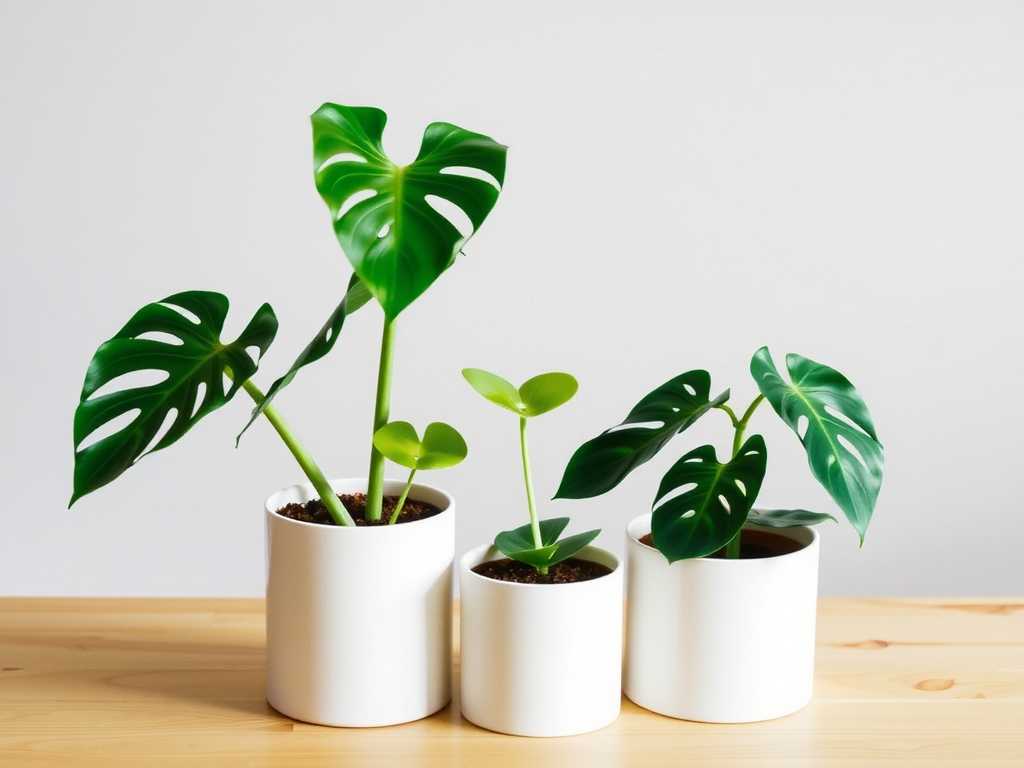
When the roots from your water propagation are 2-4 inches long, it's time to pot. Gently place the rooted cutting into a pot with fresh, pre-moistened soil. Keep the soil consistently moist (but not waterlogged) for the first 1-2 weeks to help the roots transition from water to soil. After this period, you can begin your regular Monstera watering routine, allowing the top inch of soil to dry out between waterings.
Essential Aftercare for Your New Monstera Plant
Your new plant is still establishing itself and requires a little extra attention.
Provide plenty of bright, indirect light to support rapid growth. Maintain consistent moisture, being careful not to overwater. As the plant adjusts, you will see new leaves unfurling, a sure sign that your propagation of Monstera plants has been a success.
Troubleshooting Common Propagation Problems
Even with the best care, sometimes issues arise. Here’s how to handle them.
- Yellowing Leaves: This can be a sign of overwatering, especially in soil. Ensure your pot has good drainage and adjust your watering schedule.
- Root Rot: In water, slimy, brown roots indicate rot. Clean the jar and replace the water immediately. In soil, a foul smell and mushy roots mean the soil is too wet. You may need to take a new cutting.
- No Root Growth: If weeks have passed with no progress, check that the node is healthy and submerged. Low light or cold temperatures can also slow root development.
Frequently Asked Questions
How long does it take for Monstera cuttings to root? In warm conditions with bright light, you can expect to see the first signs of roots in water within 2-3 weeks. It may take a bit longer in soil. The total time for roots to become long enough for potting is typically 4-8 weeks.
Why are the leaves on my new cutting drooping? A little drooping right after potting is normal due to transplant shock. Ensure the plant has adequate humidity and is not sitting in soggy soil. It should perk up within a week or two as the roots establish.
Can I propagate a Monstera leaf without a node? Unfortunately, no. While a leaf in water may stay green for months, it lacks the necessary node tissue to produce roots and new growth. It will eventually die. A node is an absolute requirement for successful Monstera propagation.
By following this guide, you hold the knowledge to not just prune your Monstera, but to multiply it. The process of growing a new plant from a simple stem cutting is a deeply satisfying experience that deepens your connection to houseplant care. With a sharp, clean cut, a healthy node, and a little patience, you can transform a single vine into a lush, thriving collection.

发表评论