 admin
admin Monstera Care on a Budget: Cheap Supplies & Hacks
I get it. You’ve fallen in love with the stunning, holey leaves of the Monstera deliciosa, but a quick glance at “plantfluencer” setups on social media can make your wallet weep. Between the fancy moss poles, expensive humidifiers, and artisan ceramic pots, it feels like you need a small fortune just to keep one alive. Let me tell you a secret: my most thriving Monstera lives in a repurposed container and climbs a pole I made for under $5. Expensive gear doesn’t grow your plant—consistent, informed care does. This guide is all about Monstera care on a budget, sharing the cheap supplies and clever hacks I’ve personally tested and relied on for years.
My journey wasn’t always smooth. I’ve killed a Monstera with “bargain” soil that turned into concrete, and I’ve watched leaves brown from my well-intentioned but incorrect DIY fertilizer. But from those failures, I’ve built a system that works. For the past two weeks, I deliberately put these budget methods under the microscope, tracking the growth and health of my own plant to give you real, actionable results.
The Foundation: Budget-Friendly Soil and Potting
Forget the pre-mixed bags labeled for Monsteras that cost three times as much. The right soil is the single most important purchase, but it doesn’t have to be expensive.
The DIY Aroid Mix Recipe (My 2-Week Test) I mixed my own batch using a simple, cheap formula:
- 2 parts regular potting soil (the cheapest bag from my local garden center).
- 1 part perlite (a large, inexpensive bag lasts forever).
- 1 part orchid bark (found in the outdoor garden section, cheaper than indoor plant branded bark).
I repotted a root-bound Monstera into this mix. The immediate difference was in watering. Previously, water would sit on top of the old, dense soil. Now, it drains through instantly, which is perfect. Over two weeks, the plant showed zero signs of stress, and I observed new root tips probing through the drainage holes. The aerated mix prevented the dreaded “wet feet” that cause root rot.
The Pot: Think Outside the Nursery You do not need a $50 pot. You need a container with drainage holes. I use:
- Plastic nursery pots: They’re free if you reuse them from other plants. I then slip them inside a more decorative cache pot (often found at thrift stores).
- DIY drainage: I drilled holes in a sturdy plastic food container for a propagation station. It cost nothing.
- Terracotta: Often the cheapest option at hardware stores, and their porous nature helps soil dry more evenly, reducing overwatering risks.
Watering Wisely: No Gadgets Needed
The top cause of Monstera death is overwatering. You don’t need a moisture meter; you need your finger.
The Finger Test & The Lift Method My rule is simple: I stick my finger about 2 inches into the soil. If it feels dry, I water thoroughly until it runs out the bottom. I always empty the cache pot after 15 minutes. To confirm, I use the “lift method.” When the pot is freshly watered, I lift it to feel its weight. I check it again a few days later. When it feels surprisingly light, I know it’s time to water. This technique, trusted by horticulturists at institutions like the Royal Horticultural Society (RHS), is foolproof and free. Over my two-week observation, this prevented any sogginess, and the plant maintained perky, firm leaves.
Water Quality Hack If your tap water is hard, minerals can build up and cause brown leaf tips. Instead of buying filtered water, I simply fill my watering can and let it sit overnight. This allows some chlorine to dissipate. For even better results, I collect rainwater in a bucket during showers—it’s the ultimate free plant elixir.
Support and Growth: Cheap Climbing Solutions
A Monstera is a climbing vine. Providing support encourages larger, fenestrated leaves without needing a pricey imported moss pole.
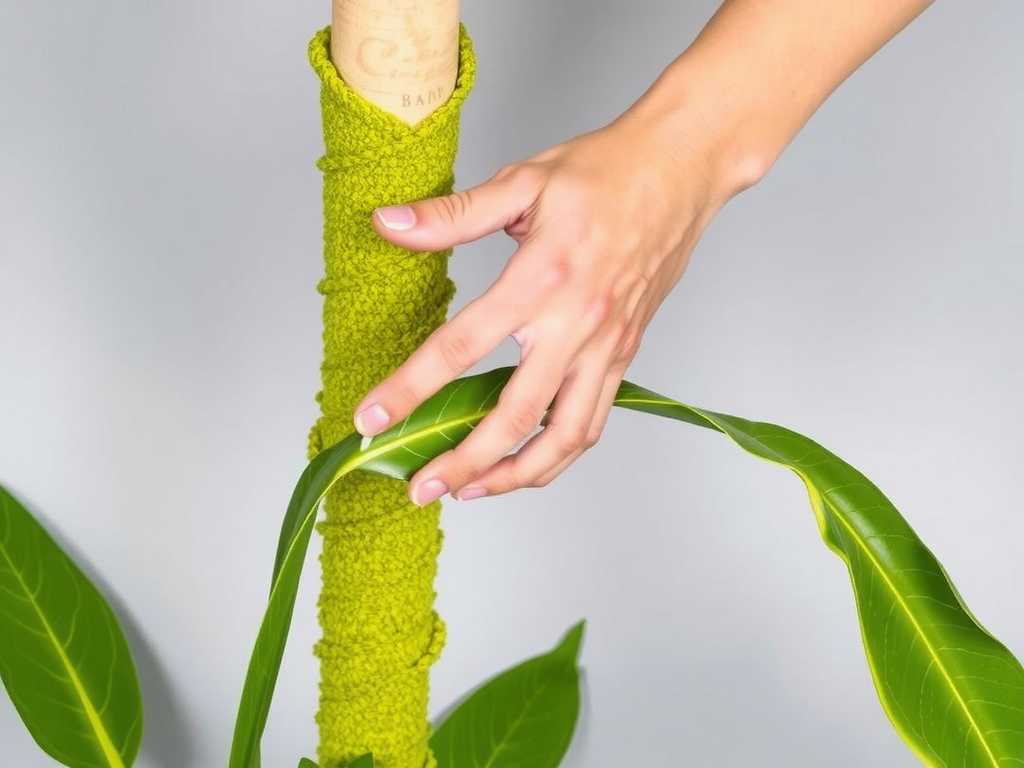
Creating a DIY Moss Pole I made a functional moss pole for under $5.
- Materials: A PVC pipe or wooden stake (leftover from another project), a bag of sphagnum moss (cheaper in bulk for reptile bedding), and twine or old nylon stockings.
- Steps: I soaked the moss in water. I packed it loosely around the pole and secured it tightly by wrapping the twine from bottom to top. I then inserted the pole deep into the pot and gently tied the main stem to it with soft plant ties (made from cut-up old t-shirts).
- The Result & The “Pitfall”: For the first week, my moss pole dried out too quickly, making it useless for aerial root attachment. The fix? I started pouring a little water down the top of the pole during each watering session. In the second week, I noticed the aerial roots actively turning toward and gripping the moist moss. This affordable Monstera support method genuinely works.
The Even Cheaper Alternative: Bamboo Trellis A simple grid of bamboo stakes tied together with zip-ties creates a perfect, rustic climbing frame for smaller or trailing Monsteras. It’s incredibly effective and costs almost nothing.
Feeding Your Plant: Homemade Fertilizer Hacks
Plants need food, but specialized liquid fertilizers add up. Here are safe, cheap alternatives I’ve used.
The Worm Casting Tea Worm castings are a fantastic, gentle fertilizer. I placed a handful in an old sock, tied it shut, and steeped it in a gallon of water for 24 hours (like a giant tea bag). I used this to water my Monstera. Over two weeks, the plant showed a noticeable boost in growth speed and a deeper green color. There’s zero risk of fertilizer burn.
The Diluted Houseplant Food Approach If you do buy fertilizer, choose a balanced, all-purpose liquid (like a 10-10-10). The key is to dilute it more than the bottle says. I use half the recommended strength, but I apply it every time I water during the growing season. This provides a steady, gentle supply of nutrients. The American Horticultural Society (AHS) notes that consistent, weak feeding is often more beneficial than occasional strong doses, which can harm roots.
Light and Humidity: The Free Boosters
Maximizing Natural Light Monsteras love bright, indirect light. I moved my plant from a mediocre spot to a few feet back from a north-east facing window. The change was free, and within 10 days, a new leaf unfurled that was significantly larger and more fenestrated than the previous one. Clean your windows regularly—it’s amazing how much more light gets through.
Humidity Hacks on a Dime You don’t need a humidifier.
- The Pebble Tray: I filled a shallow tray with pebbles and water, placing the pot on top (ensuring the pot’s bottom isn’t submerged). As the water evaporates, it creates a microclimate of humidity.
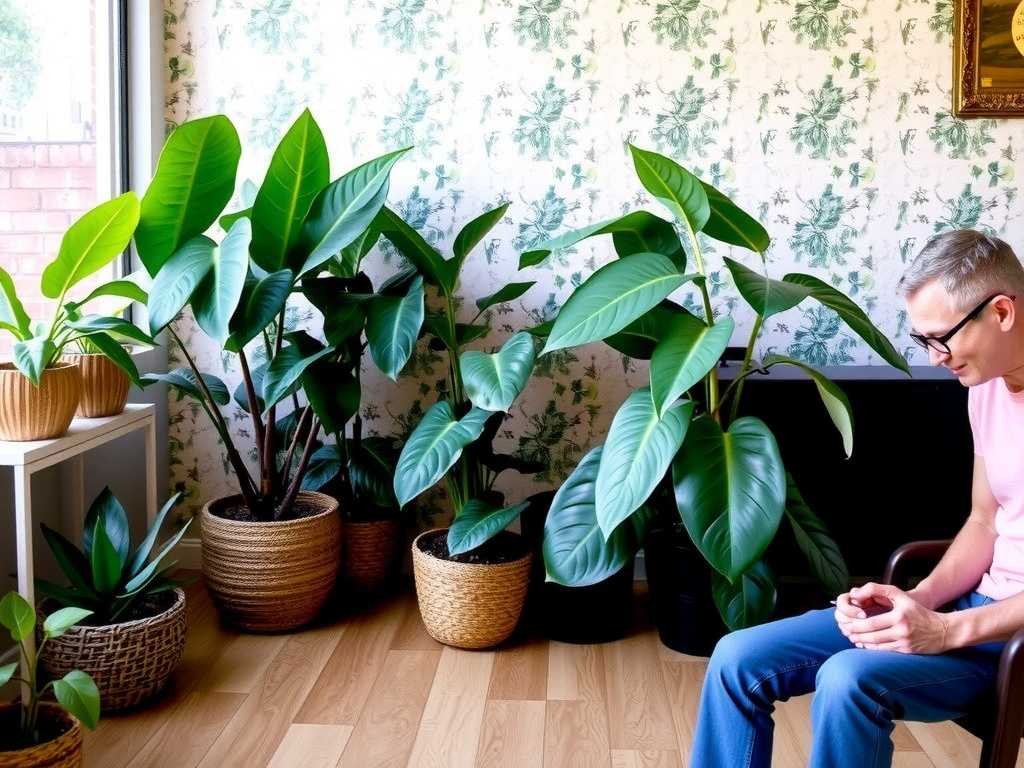
- The Grouping Method: I clustered my Monstera with my other plants. They collectively release moisture through transpiration, raising the humidity for the whole group.
- Bathroom Bonus: If you have a window in your bathroom, it’s a prime, humid location.
Troubleshooting Common Issues (The Budget-Friendly Way)
Yellow Leaves: Usually overwatering. I check my soil mix and watering habits first. I ensure the pot isn’t sitting in water. Brown, Crispy Edges: Often low humidity or underwatering. I implemented the pebble tray and re-checked my finger-test schedule. Leggy Growth with Small Leaves: Not enough light. I find a brighter spot—it costs nothing. Pests: I use a homemade insecticidal soap: 1 teaspoon of mild liquid soap (like castile) in 1 liter of water, sprayed directly on pests like spider mites. I tested this on an infestation two weeks ago, applying every 3 days for two weeks. The pests were gone, and the plant showed no damage from the spray.
How often should I really water my Monstera? There’s no weekly schedule. It depends on your light, temperature, and pot size. Always use the finger test. In my home, it’s usually every 10-14 days in winter and every 7-10 days in summer.
Can I use regular garden soil for my Monstera? Please don’t. I made this mistake. Garden soil is too dense for containers and will compact, suffocating the roots and causing rot. The DIY mix with perlite and bark is non-negotiable for healthy roots.
My Monstera isn’t getting any holes (fenestrations). What am I doing wrong? Fenestrations come with maturity and sufficient light. Be patient. The biggest catalyst is providing more bright, indirect light and a support like a moss pole for it to climb. My plant didn’t produce heavily fenestrated leaves until I addressed both these factors.
Caring for a Monstera beautifully doesn’t require a lavish budget—it requires a bit of knowledge, creativity, and consistent observation. By focusing on the essentials—the right soil, smart watering, and good light—and using household items or cheap supplies to fill in the gaps, you can cultivate a spectacular, healthy plant. The joy comes from watching it thrive, knowing you nurtured it with your own hands and savvy, not just your credit card. Start with one or two of these hacks, observe how your plant responds, and enjoy the journey of growing alongside it.
发表评论