 admin
admin Monstera Propagation from Rhizome: A Complete Guide to Splitting the Root Ball
You've nurtured your Monstera deliciosa into a magnificent, sprawling beauty, but now it's bursting from its pot, looking slightly root-bound, or perhaps you're simply itching to create more of these stunning plants for your home or to share with friends. The thought of dividing it, however, can be intimidating. The fear of damaging your prized plant is real. What if you harm the root system? What if the new divisions don't survive? Understanding the process of Monstera propagation from rhizome by splitting the root ball is the key to overcoming this fear. This method is arguably the most efficient and rewarding way to multiply your Monstera, allowing you to create mature, independent plants much faster than techniques like stem cuttings. This comprehensive guide will walk you through every step, ensuring you can divide your plant with confidence and success.
Understanding the Monstera Root System: Rhizomes and Aerial Roots
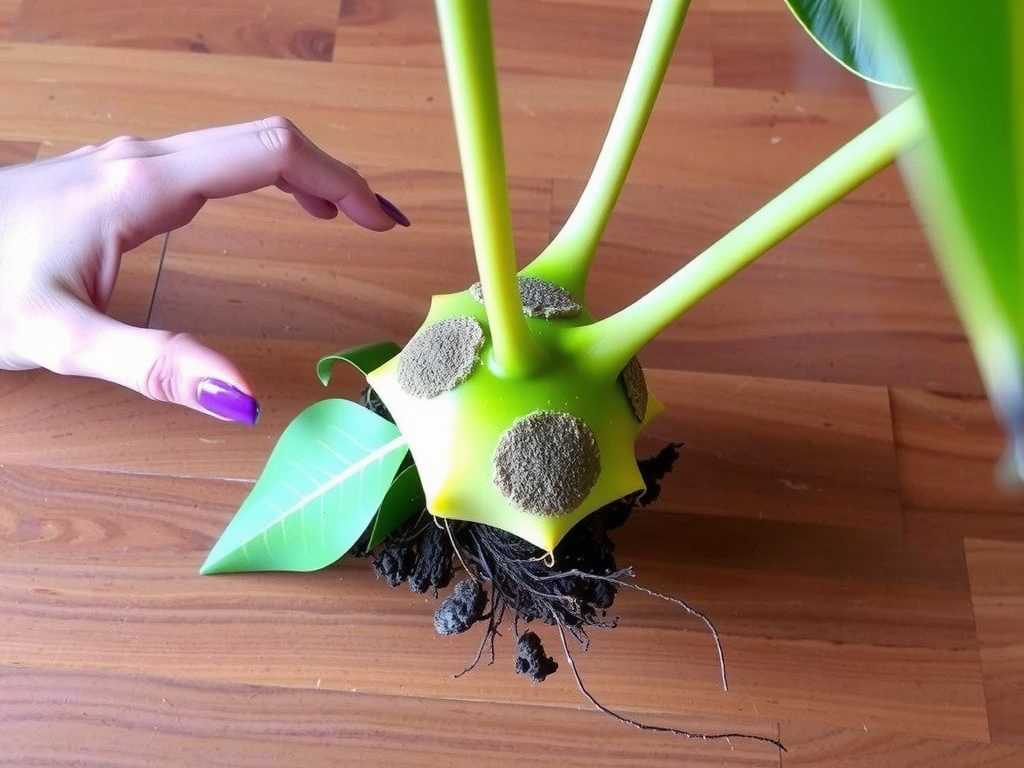
Before you make a single cut, it's crucial to understand what you're working with. A Monstera's root system is more than just the tangled mass of soil roots you see during repotting.
The rhizome is a thick, horizontal, stem-like structure that grows at or just below the soil surface. It's from this rhizome that both the aerial roots and the leafy stems emerge. Think of the rhizome as the plant's central command center for new growth. When you propagate by splitting the root ball, your primary goal is to carefully separate sections of this rhizome, ensuring each new section has both roots and at least one leaf node (the point where a leaf stem attaches, which contains growth tissue). This is different from propagating from a single aerial root, which is less reliable. A successful division hinges on each new piece having its own viable rhizome section.
Why Choose Root Ball Division Over Other Propagation Methods?
You might wonder why splitting the root ball is often recommended over simply taking a stem cutting with a node and placing it in water.
The primary advantage is the head start you give the new plant. A division already has an established root system, whereas a cutting must dedicate all its energy to developing new roots first. This means your divided Monstera will continue to grow and produce new leaves much more quickly. It's a method that leverages the plant's existing maturity, instantly giving you another full-sized plant rather than a starter cutting. According to horticulturalists at the Royal Horticultural Society, division is the preferred method for many aroids when the plant has developed multiple growth points, as it minimizes stress and accelerates establishment.
When is the Right Time to Divide Your Monstera?
Timing is everything. Performing this task at the wrong time can lead to unnecessary stress and poor recovery.
The ideal time is in the spring or early summer, as the plant enters its most active growth period. The increasing light and warmer temperatures will help your divisions recover quickly and push out new growth. Look for these specific signs that your Monstera is ready for division:
- It is severely root-bound, with roots circling densely at the bottom of the pot or growing out of the drainage holes.
- The plant has multiple, distinct stems or growth points (vines) coming from the soil, indicating separate rhizome sections.
- It appears overcrowded, and growth has slowed despite proper care.
Essential Tools and Supplies You'll Need
Gathering your tools beforehand makes the process smooth and stress-free. You will need:
- A clean, sharp knife or a pair of sterilized pruning shears. Sterilize with isopropyl alcohol to prevent introducing disease.
- Fresh, well-draining potting mix. A mix designed for aroids, containing orchid bark, perlite, and peat, is perfect.
- New pots with drainage holes, one for each division. They should be only 1-2 inches larger in diameter than the root ball of each division.
- Gloves to protect your hands.
- A tarp or large workspace to contain the mess.
- Optional: rooting hormone to dust on cut rhizome sections, which can encourage faster root development.
A Step-by-Step Guide to Splitting Your Monstera's Root Ball
Follow these steps carefully for the best results.
Step 1: Prepare the Plant Water your Monstera thoroughly one or two days before you plan to divide it. A well-hydrated plant will be more resilient and handle the stress of division much better. Do not water on the same day, as wet soil can be messy and heavy, making the roots more difficult to work with.
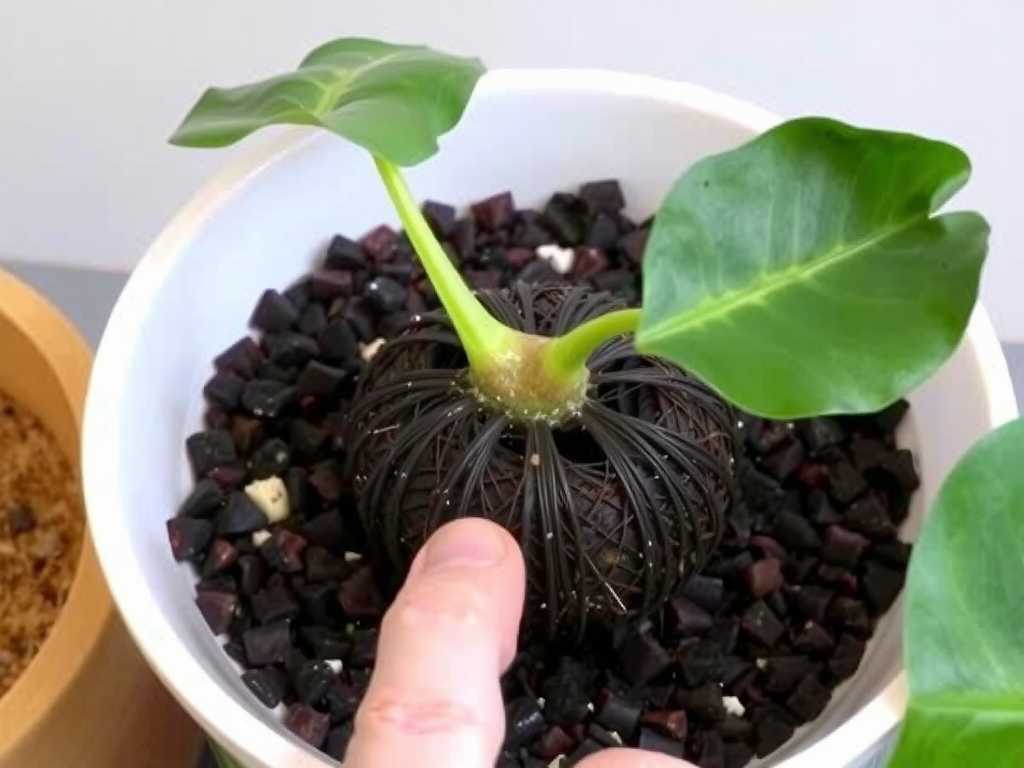
Step 2: Remove the Plant from Its Pot Lay the pot on its side and gently coax the plant out. You may need to tap or squeeze the sides of a plastic pot. For a rigid pot, carefully run a knife around the inside edge to loosen the root ball. Avoid pulling on the stems, as this can cause damage.
Step 3: Gently Loosen the Root Ball and Soil Once the plant is out, gently massage the root ball to loosen the soil and untangle the outer roots. You can use your fingers or a small tool like a chopstick to carefully tease apart the roots. Be as gentle as possible, but don't worry about breaking a few small, fine roots—it's almost inevitable.
Step 4: Identify Natural Division Points This is the most critical step. Examine the root mass and the base of the plant. Look for natural separations between stems. You will likely see distinct sections where a stem, with its own set of leaves and roots, connects to a larger rhizome. Your goal is to separate the plant at these natural weak points. Each viable division must have:
- At least one healthy stem with several leaves.
- Its own section of the rhizome.
- A substantial amount of healthy, established roots.
Step 5: Make the Cut and Separate the Rhizome Once you've identified a division point, use your sterilized knife or shears to cleanly cut through the rhizome and any tangled roots connecting the two sections. Make decisive cuts rather than tearing or pulling the plants apart. If the root ball is very dense, you might need to use two garden forks inserted back-to-back in the center to gently pry the sections apart.
Step 6: Pot Up Your New Divisions Place a layer of fresh potting mix in the bottom of each new pot. Position a division in the center, ensuring the root ball sits about an inch below the rim. Fill in around the sides with more soil, gently firming it down to remove large air pockets. Avoid packing the soil too tightly.
Step 7: Aftercare for Your Divided Monsteras Your new plants will need some extra TLC as they settle in.
- Water the divisions thoroughly after potting, until water runs freely from the drainage holes. This helps settle the soil around the roots.
- Place them in a location with bright, indirect light. Avoid direct sun, which can stress the recovering plants.
- Hold off on fertilizing for at least 4-6 weeks to avoid burning the new roots.
- You may notice some wilting or drooping in the days following division. This is normal as the plant focuses its energy on root establishment. Maintain consistent moisture (but not sogginess) and high humidity if possible, and the plants should perk up within a week or two.
Troubleshooting Common Issues After Division
Even with the best care, you might encounter a few hurdles.
If the leaves are yellowing, it could be a sign of overwatering, especially if the plant hasn't yet established roots to absorb the moisture. Ensure your pot has good drainage and let the top inch of soil dry out before watering again. If the plant is wilting severely, ensure it's not in direct sunlight and consider placing a clear plastic bag over it for a few days to create a mini-greenhouse and boost humidity. If a division seems to have stalled and isn't producing new growth, be patient. It is likely focusing all its energy below the soil. As long as the leaves are healthy, it is simply establishing a strong root foundation for future growth.
Frequently Asked Questions
My divided Monstera has a large aerial root. Should I bury it in the new pot? Yes, you can gently coil the aerial root and bury it in the potting mix. It will adapt and function as a soil root, helping to anchor the plant and absorb water and nutrients.
Can I divide a very young or small Monstera plant? It is not recommended. Division is best for mature, multi-stemmed plants. A young Monstera typically has only one growing point and a single rhizome. Dividing it would likely result in two non-viable pieces. Wait until your plant is larger and has clearly developed multiple, separate vines.
How long does it take for a divided Monstera to recover and show new growth? With proper aftercare, you should see signs of recovery like perked-up leaves within 1-2 weeks. New leaf growth typically begins within 4-8 weeks during the growing season, a clear indicator that the plant has successfully established itself in its new pot.
Splitting the root ball of your Monstera is a straightforward process that becomes simple once you understand the plant's structure. By focusing on the rhizome and ensuring each new section has roots, a stem, and a node, you set your divisions up for immediate success. This method not only manages the size of your existing plant but also provides you with fully-formed new specimens, deepening your connection to the fascinating process of plant growth and propagation. With the right timing, tools, and technique, you can confidently multiply your Monstera collection and enjoy the rewards of your gardening prowess.

发表评论