 admin
admin Monstera Long-Term Care: 5 Tips for Years of Growth
You brought home that stunning Monstera deliciosa, its glossy, fenestrated leaves promising a touch of the tropics. It thrived for months, maybe even a year. But now? New leaves are smaller, lacking those dramatic splits. Older leaves might be yellowing at the edges, or the whole plant seems to have just… stopped. The initial excitement fades into worry. Is this it? Will my Monstera just survive, not thrive?
I’ve been there. My own large, “Swiss cheese” plant, which I named Magnus, hit a wall after two years. It became leggy, and the new leaves were solid and underwhelming. I realized I was just watering it occasionally, not truly caring for its long-term needs. True Monstera long-term care isn’t about crisis management; it’s about understanding and replicating the steady, supportive conditions of its natural habitat. Through trial, error, and a lot of patience, I developed a system. Here are the five pillars that transformed Magnus from stagnant to spectacular, ensuring years—hopefully decades—of vigorous growth.
1. It’s All About the Roots: Strategic Repotting and Soil Science
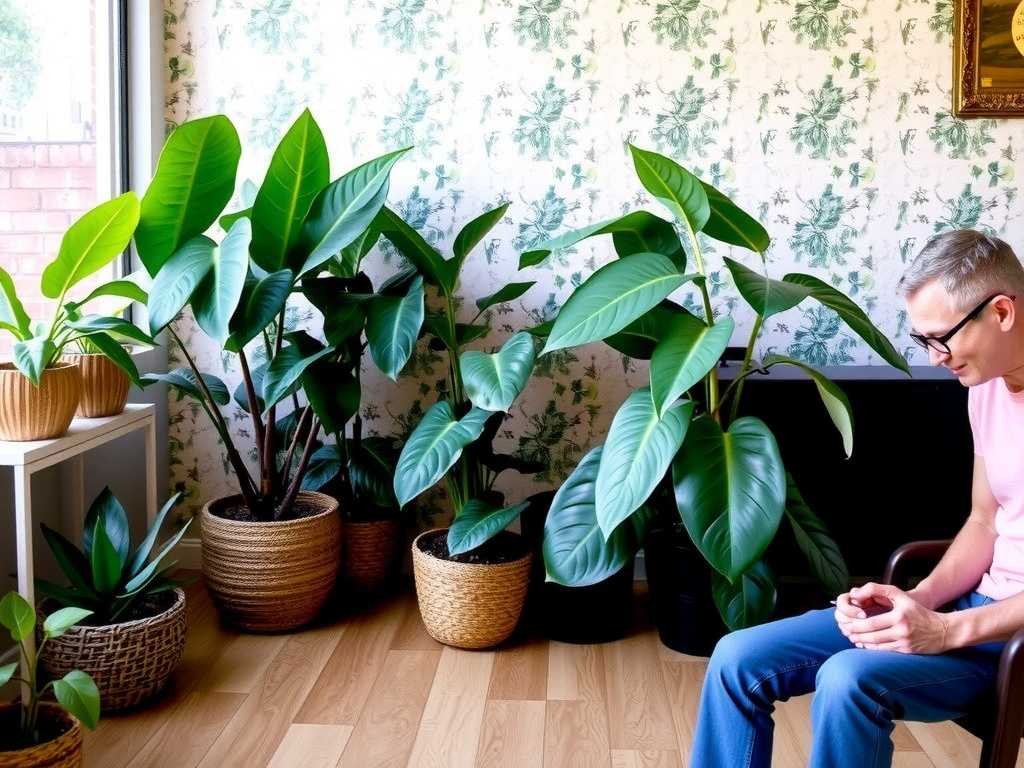
We obsess over leaves, but the secret to decades of growth lies unseen. Monstera are hemiepiphytes; in the wild, they start on the forest floor and climb, sending aerial roots into the air and bark. Their root system needs both structure and breathability. A common long-term killer is soggy, compacted soil suffocating the roots.
My Process & The Two-Week Observation: When Magnus stopped pushing out size, I knew it was time to investigate. I gently tipped the pot and saw roots circling densely at the bottom. I didn’t jump to a much larger pot—that can lead to waterlogging. Instead, I chose a pot only 2 inches wider in diameter.
The mix was crucial. I abandoned generic potting soil. My recipe: 40% high-quality potting mix, 30% orchid bark (for chunkiness and aeration), 20% perlite, and 10% horticultural charcoal (to keep the mix fresh and absorb impurities). This creates a well-draining, airy environment that mimics the organic litter of a forest floor.
The Mistake I Made: The first time I repotted a Monstera years ago, I used heavy soil and a deep pot with poor drainage. Within weeks, leaves yellowed rapidly from the bottom up—a classic sign of root rot. The fix was painful: unpotting, washing the roots, cutting away all mushy, brown parts with sterilized shears, and repotting in the proper mix. It set the plant back months.
After repotting Magnus into the new chunky mix, I placed him in bright, indirect light and withheld water for a week to let any minor root injuries callous. Then, I resumed a careful watering routine. Within two weeks, the change was subtle but clear: the existing leaves looked perkier and more rigid (a sign of good water uptake by healthy roots), and I spotted a new, tightly rolled leaf sheath (a cataphyll) emerging from the stem—a sure sign of renewed growth energy.
2. The Art of the Climb: Providing Superior Support

A Monstera without support is a Monstera confused. In your home, it won’t develop those massive, fenestrated leaves without something to climb. Those aerial roots aren’t just for show; they seek to anchor and absorb moisture and nutrients. Letting them dangle or burying them in soil wastes their potential.
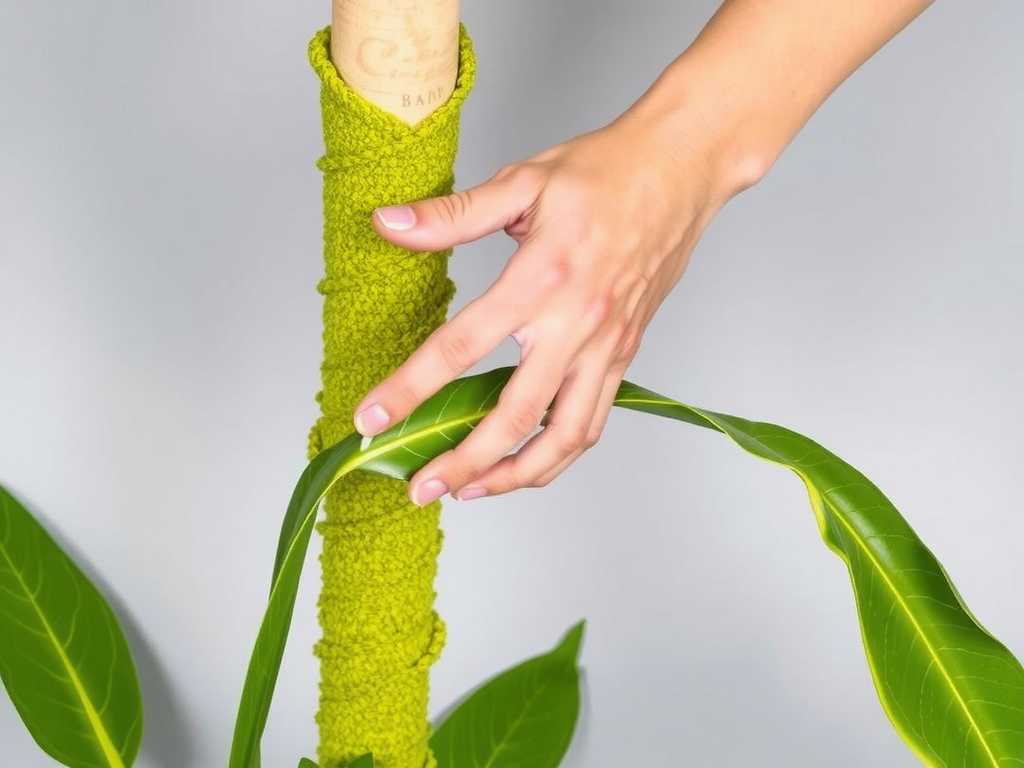
My Process & Long-Term Setup: I used a sturdy, 4-foot tall moss pole. Not a thin coir stick, but a thick pole I could keep moist. When repotting, I positioned the pole firmly in the pot, close to the main stem. Using soft plant ties, I gently attached the thickest stem to the pole, encouraging its growth front to face the light source. I did not tightly bind it; the goal is guidance, not constriction.
The key is moisture. As the Royal Horticultural Society (RHS) notes, plants like Monstera that produce aerial roots “will appreciate the humidity provided by a moist moss pole.” I make it a habit to pour water down the top of the pole when I water the plant. This encourages the aerial roots to attach directly into the moss, turning them into secondary, supportive root systems. This direct attachment is what signals the plant to mature and produce larger, more fenestrated leaves.
The observation over time: Before the pole, Magnus grew outwards, sprawling and taking up too much space. After securing him to the moist moss pole, his growth direction shifted vertically. New leaves emerged closer to the pole, and their petioles (leaf stems) were shorter and sturdier. Over several months, the increase in leaf size and fenestration complexity was undeniable. He was finally behaving like his true climbing self.
3. Feeding for the Future: Beyond Basic Fertilizer
Think of long-term care like a retirement plan for your plant. Occasional feeding keeps it alive, but a consistent, appropriate nutrient schedule builds resilience and fuels spectacular growth. Monsteras are not heavy feeders, but in a pot, they exhaust available nutrients.
My Regimen & Avoiding Burn: I follow a simple mantra: “Weakly, weekly, during the growing season.” I use a balanced, liquid fertilizer (with an equal NPK ratio like 10-10-10 or a slightly higher nitrogen one for foliage) but I dilute it to half or even a quarter of the recommended strength. Every time I water in spring and summer, I use this diluted solution. This provides a steady, gentle supply of nutrients, mimicking the constant, slow nutrient trickle of a rainforest.
I completely stop fertilizing in late autumn and winter when growth naturally slows. For an annual boost, in early spring, I top-dress the pot with an inch of fresh compost or worm castings, gently working it into the top layer of soil. This adds beneficial microbes and slow-release nutrients.
The Mistake I Made: Early on, I once gave Magnus a full-strength dose of fertilizer in early spring, hoping to kickstart growth. Within days, the leaf tips and edges turned crispy brown—a clear sign of fertilizer burn, where salts damage the roots. I had to flush the soil thoroughly by running copious amounts of water through the pot for several minutes to leach out the excess salts. Now, the diluted method prevents any risk of burn and supports steady, healthy growth.
4. The Delicate Dance of Light and Humidity
Light is the engine of growth. A common misconception is that Monsteras are “low-light plants.” They are tolerant of lower light, but for long-term, large, split-leaf development, they need plenty of bright, indirect light. Similarly, while they adapt to average home humidity, boosting it unlocks their full potential.
My Optimization Steps: I moved Magnus from a “decent spot” to a “prime spot”: directly in front of a large, east-facing window where he gets several hours of gentle morning sun and bright, indirect light all day. The American Horticultural Society’s (AHS) light guide would classify this as “partial shade” or “bright indirect”—ideal. I rotate the pot a quarter turn every time I water to ensure even growth and prevent leaning.
For humidity, I didn’t buy a fussy humidifier. Instead, I placed his pot on a large, water-filled pebble tray. As the water evaporates, it creates a localized humid microclimate. I also group him with other plants, which collectively raise humidity through transpiration. Most importantly, I clean the leaves monthly with a damp cloth. Dust blocks precious light, and clean leaves photosynthesize more efficiently.
The Two-Week Observation on Light: After moving Magnus to the brighter location, I monitored for sunburn (bleached, scorched spots). None appeared with the indirect light. The most dramatic change was in the new leaf development. A leaf that was unfurling when I moved him finished smaller. But the next new leaf, which initiated entirely in the brighter spot, was noticeably larger and began showing faint fenestration lines even before it fully hardened off. The plant was directly responding to the increased energy supply.
5. Proactive Pruning and Propagation: Shaping Your Legacy
Long-term care isn’t passive. Strategic pruning maintains shape, encourages bushier growth, and gives you insurance policies—new plants! A Monstera can become a sprawling, one-stemmed giant if left alone. Pruning controls this and rejuvenates the plant.
My Annual Check-Up: Each early spring, I put on my “plant doctor” hat. I look for:
- Leggy stems: Long sections with few leaves and large gaps between nodes (leaf scars).
- Damaged foliage: Yellowing, torn, or excessively small leaves.
- Crowding: Too many stems competing for light.
Using clean, sharp pruners, I cut just above a node (the brown, ring-like bump on the stem where a leaf was attached). This often stimulates a new growth point from that node, creating a bushier plant. I never remove more than 25% of the foliage at once to avoid shock.
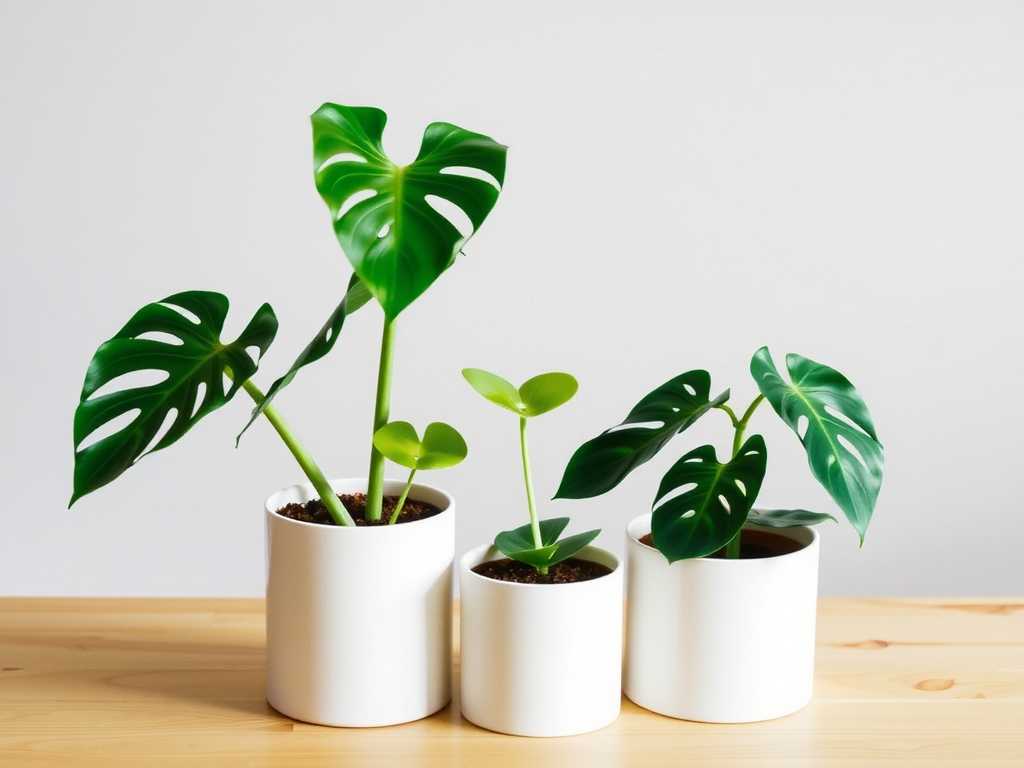
The Propagation Bonus: Instead of discarding the cuttings, I turn them into new plants. A stem cutting with at least one node and one leaf can be propagated in water or moss. I placed a pruned cutting in a vase of water, changed the water weekly, and after two weeks, I saw the first tiny, white root nub emerging from the node. In two months, it had a robust root system ready for potting. This practice, endorsed by propagation experts, means my original Monstera’s “legacy” continues, and I can share plants with friends.
You’ve had your Monstera for a while and notice it’s leaning heavily to one side. What should you do? This is almost always a response to light. The plant is stretching (etiolating) towards its light source. First, gently rotate the pot a quarter turn every week to encourage even growth. Second, assess if the plant needs more light overall. Can you move it to a brighter location? Finally, provide a sturdy moss pole and attach the main stem to it. This will support the weight and train it to grow upwards rather than sideways.
How often should I really water my mature Monstera? Throw away the calendar. The only reliable method is the finger test. Insert your finger 2-3 inches into the soil. If it feels dry, water thoroughly until water runs freely from the drainage holes. If it still feels moist, wait. In a chunky, well-draining mix, this might be every 1-2 weeks in summer and every 3-4 weeks in winter, but it varies drastically with light, temperature, and pot size. Overwatering is the fastest way to undermine all other long-term care efforts.
My Monstera is huge and root-bound again, but I don’t want a bigger pot. What are my options? You have two great choices. First, you can root prune. Gently remove the plant from its pot, shake off old soil, and trim away up to one-third of the outer and bottom root mass with clean shears. Then, repot it into the same pot with fresh soil mix. This rejuvenates the root system without increasing pot size. Second, you can divide the plant. If your Monstera has multiple separate stems/clumps, you can carefully separate them at the roots and pot each into its own container. This gives you two manageable plants instead of one giant one.
Caring for a Monstera over years is a deeply rewarding partnership. It’s about reading its signals—the direction of a new leaf, the texture of the soil, the color of its stems. By focusing on the foundation (roots and soil), supporting its natural instinct to climb, feeding it thoughtfully, optimizing its environment, and actively guiding its shape, you move far beyond basic upkeep. You create the conditions for a resilient, majestic plant that will be a centerpiece of your home for years to come. The journey with Magnus taught me that the most vibrant growth comes from consistent, informed care, not grand, occasional gestures. Start with one of these pillars, observe, and adjust. Your Monstera will show its gratitude through every new, sprawling, perfectly split leaf.

发表评论