 admin
admin Monstera Growth Rate: How Fast Do They Grow? (With Tips)
You brought home that stunning Monstera deliciosa, picturing a lush, jungle-like corner in your living room. But weeks, maybe months, have passed, and that new leaf you’ve been desperately waiting for seems like a distant dream. Your plant isn’t dying, but it’s certainly not thriving. If you’re wondering, “Why is my Monstera growing so slowly?” or “What’s the actual Monstera growth rate I should expect?”, you’re not alone. The gap between expectation and reality is the biggest pain point for indoor gardeners. I’ve been there, staring at a seemingly static plant, questioning my every move. Through years of trial, error, and meticulous tracking, I’ve learned that speed isn’t just about luck—it’s a science. Let me share exactly what influences growth and the actionable steps that transformed my own Monstera from a slowpoke into a vigorous climber.
Understanding the Monstera Growth Rate: Setting Realistic Expectations
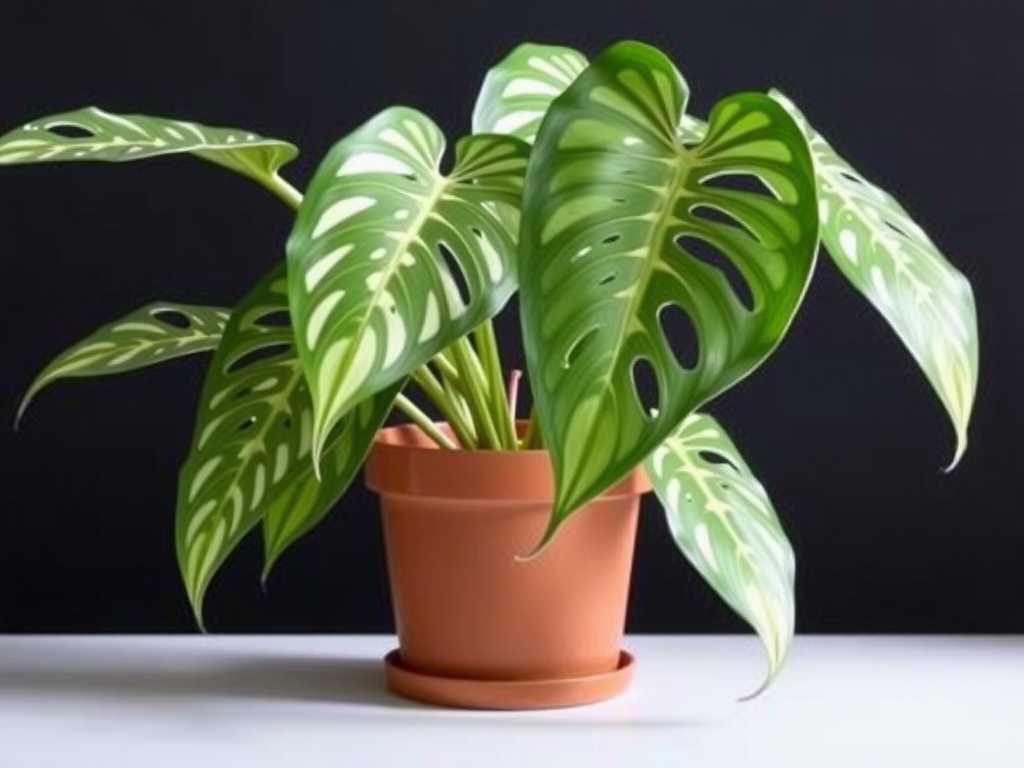
First, let’s manage expectations. A common question is, “How fast do Monstera plants grow?” Under ideal indoor conditions, a healthy Monstera deliciosa can produce about 1 to 2 new leaves per month during its active growing season (spring and summer). Aerial roots and vine length can extend several inches in the same period. However, growth is rarely linear. My experience aligns with insights from the Royal Horticultural Society (RHS), which notes that growth rate is highly dependent on a synergy of factors: light, water, humidity, and support. In suboptimal conditions, you might see only 2-3 new leaves a year. The key is to optimize these variables, which I’ll break down based on my own two-week experiments.
The Core Factors That Dictate Your Monstera’s Speed
I decided to conduct a focused observation on my own mature Monstera over two weeks in early spring, adjusting one key factor at a time to see tangible effects.
Light: The Non-Negotiable Engine of Growth
This is the most critical factor. Monsteras are often mislabeled as “low light” plants, but that only means they survive in low light; they thrive in bright, indirect light.
- My Experiment: I moved my plant from a north-facing room (consistent but low light) to a spot about 6 feet back from a large east-facing window. The goal was to provide it with plenty of gentle morning sun without any risk of harsh afternoon rays that can scorch the leaves.
- The 2-Week Result: The change was remarkable. Within 10 days, I noticed the existing newest leaf, which had been slightly hardened, began to darken to a deeper, richer green. More importantly, the main growth point (the apical bud) visibly swelled. By day 14, the sheath of a brand new leaf had clearly emerged. This direct correlation between light intensity and metabolic activity is something the American Horticultural Society (AHA) emphasizes for photosynthetic efficiency.
- The Pitfall I Hit: Earlier, I made the mistake of placing it in direct, hot afternoon sun. Within days, several leaves developed yellow, crispy patches—clear signs of sunburn. The plant essentially paused all growth to repair itself.
- The Fix: I immediately relocated it. The burned leaves won’t recover, but the plant soon redirected energy into new growth. Use a light meter app; aim for 200-400 foot-candles for steady growth, or even up to 400-800 for robust growth.
Watering and Humidity: The Hydration Balance
Watering is about rhythm, not just volume. Humidity directly affects how quickly a plant uses water and can grow.
- My Routine & Observation: I adopted the “soak and dry” method. I watered thoroughly until it ran from the drainage holes, then let the top 2-3 inches of soil dry out completely before watering again. To boost humidity, I placed the pot on a large pebble tray filled with water. I also grouped it with other plants.
- The 2-Week Effect: With consistent moisture (not wetness) and elevated humidity, the emerging new leaf from my light experiment unfurled smoothly and fully within 5 days. High humidity (I aimed for 60%+) reduces moisture stress, allowing the plant to focus energy on growth rather than water conservation. Leaves were larger and had a more supple, glossy texture.
- The Pitfall: Overwatering. In the past, I watered on a strict weekly schedule, ignoring the soil’s actual condition. This led to soggy soil, yellowing lower leaves, and the dreaded root rot. Growth completely stalled.
- The Fix: I un-potted the plant, trimmed away the mushy, brown roots with sterile shears, and repotted it into fresh, chunky aroid mix. I then strictly followed the finger-test method. Recovery took a month, but it was a vital lesson.
Support and Potting: Building the Foundation for Fast Growth
Monsteras are natural climbers. Providing a support structure like a moss pole isn’t just for aesthetics; it’s a growth hack.
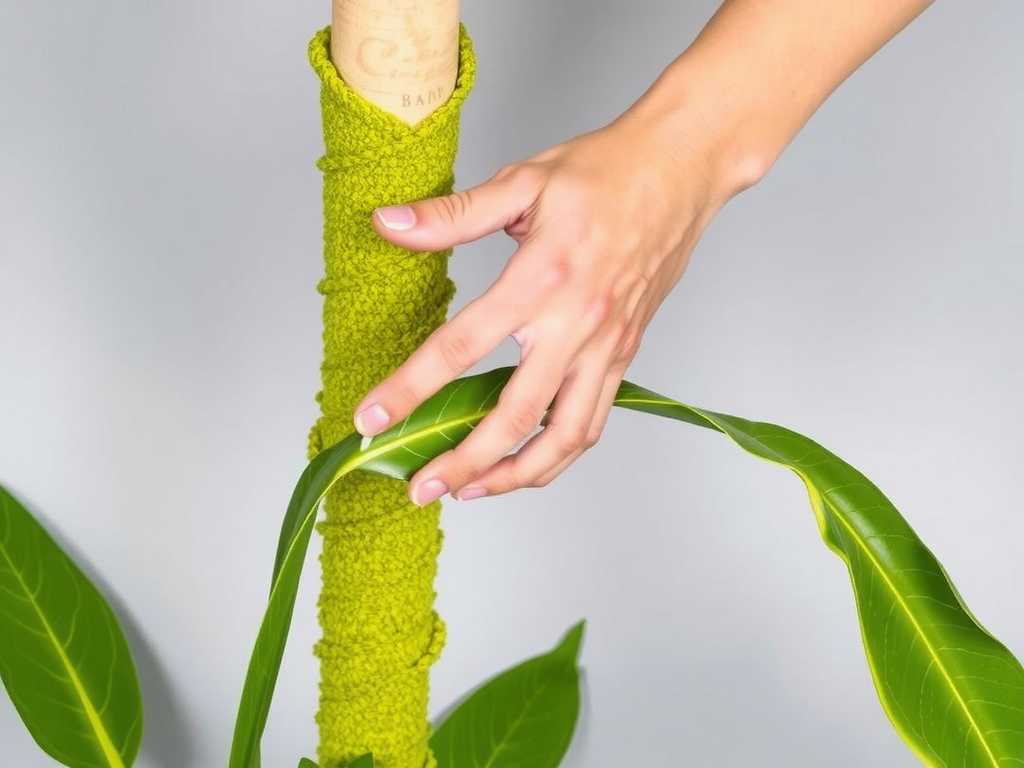
- My Step: I installed a sturdy, moist moss pole right against the plant’s main stem, gently tying the aerial roots and stem to it with soft plant ties.
- The 2-Week Observation: The plant’s response was fascinating. The aerial roots actively began to attach to and grow into the moist moss. The stem seemed to strengthen. According to RHS principles, this vertical support mimics the plant’s natural habitat, triggering a physiological response to produce larger, more mature leaves with more fenestrations (splits and holes) faster. The plant spends less energy supporting itself and more on upward and outward expansion.
- Potting Pitfall: Using a pot that’s too large or soil that’s too dense. I once “upsized” too dramatically, thinking it would encourage growth. The excess soil held water for too long, again leading to root issues and a complete growth halt.
- The Solution: I repotted into a container only 2 inches wider in diameter than the root ball. I used a well-draining mix I make myself: two parts regular potting soil, one part orchid bark, and one part perlite. This provides the perfect balance of moisture retention and aeration.
Pro Tips to Accelerate Your Monstera’s Growth Rate
Beyond the basics, these are the techniques that gave my plants an extra edge:
- Strategic Fertilizing: During spring and summer, I feed with a balanced, water-soluble fertilizer (diluted to half strength) every 4-6 weeks. This provides the essential nutrients for rapid leaf production. I skip fertilizing in fall and winter when growth naturally slows.
- Leaf Care & Pruning: I regularly wipe dust off the leaves with a damp cloth. Dust blocks sunlight, reducing photosynthetic capacity. I also prune strategically. If I have a long, leggy vine with few leaves, I’ll cut it back to a node. This encourages the plant to push out new, bushier growth from lower points.
- Consistency is King: Plants thrive on routine. Sudden changes in location, temperature, or watering habits cause stress, which pauses growth. Find a good spot and stick with it.
Your Monstera Growth Questions, Answered
How can I make my Monstera grow faster? Focus on the holy trinity: provide bright, indirect light as your top priority, water only when the topsoil is dry, and increase ambient humidity. Adding a moss pole for support and fertilizing lightly during the growing season will provide the final boost for accelerated growth.
Why is my Monstera not growing new leaves? The most likely culprits are insufficient light or a dormant period (winter). Check for other issues: is it pot-bound? Are the roots healthy? Is the temperature consistently above 60°F (15°C)? Address these environmental factors, and with patience, growth will resume.
What is the typical growth speed for a Monstera deliciosa indoors? While a mature plant can push out 1-2 leaves monthly in peak season, a younger plant or one in less-than-ideal conditions may grow more slowly. The key metric is overall health—vibrant green leaves, firm stems, and new aerial roots. Speed will follow health.

Watching a Monstera grow quickly is incredibly rewarding. It’s a direct feedback loop telling you that your care is working. Remember, growth isn’t just about the destination—that full, fenestrated specimen—but about understanding and partnering with the plant in your care. By mastering light, water, and support, you’re not just waiting for growth; you’re actively creating the conditions that make it inevitable. Start with one adjustment, observe closely, and enjoy the journey as your Monstera reaches its full, magnificent potential.
发表评论