 admin
admin Monstera Aerial Roots Care: Should You Cut Them? A Plant Lover’s 2-Week Experiment
If you’re like me, staring at your Monstera deliciosa’s wild, brown, and sometimes unruly aerial roots, you’ve probably wondered: “Should I cut these off?” It’s a common dilemma. They can look messy, get in the way, or even seem like a sign of an unhealthy plant. Before you reach for the pruning shears, let me share my journey. I decided to not just ask the question but to live it—conducting a hands-on experiment with my own Monstera to understand the true purpose of these roots and the consequences of cutting them. What I learned over two weeks changed my entire approach to Monstera care.
Understanding Aerial Roots: More Than Just Decoration
First, let’s clear the air. Those aren’t weird tentacles or a plant’s cry for help. In their natural jungle habitat, Monsteras are climbing epiphytes. Aerial roots for Monstera plants are critical survival tools. They serve three key functions: anchoring the plant to tall trees for support, absorbing moisture and nutrients from the humid air and surrounding debris, and even conducting water down to the soil-based roots. The Royal Horticultural Society (RHS) notes that aerial roots are a normal, healthy characteristic of many aroids, including Monsteras, and are essential for their growth form. Cutting them indiscriminately can remove a vital part of the plant’s natural system.
So, the core question isn’t just “can you cut them?” but “should you cut them, and if so, when and how?” I had two large aerial roots on my mature Monstera: one was long, firm, and a healthy greyish-brown. The other was shorter, dry, brittle, and seemed inactive. I decided on a two-part test for my Monstera aerial root trimming experiment.
My 2-Week Aerial Root Care Experiment: To Cut or Not to Cut
I divided my approach into managing the healthy root and addressing the problematic one. My goal was to observe the plant’s response over a full 14-day period.
Week 1: Observation and Action
I started by examining both roots closely. The healthy, long root was about 18 inches and starting to curl away from the moss pole. The dry, brittle one was only 3 inches long and had not grown in months.
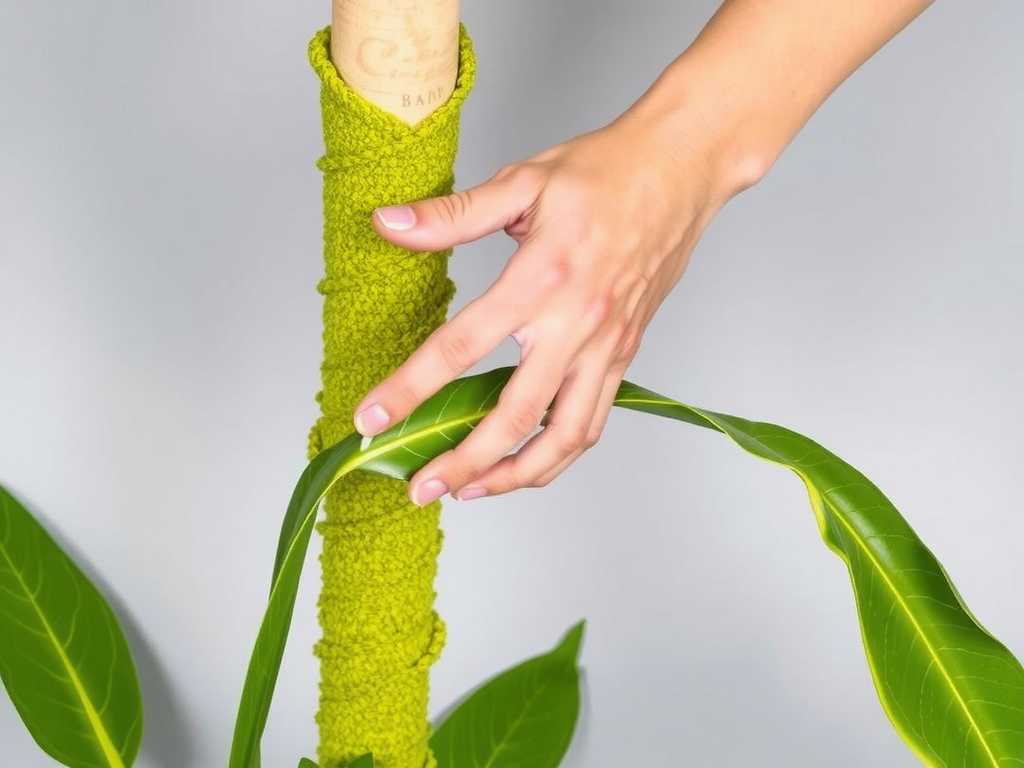
- For the Healthy Aerial Root: Instead of cutting, I chose to redirect it. I soaked a bundle of sphagnum moss, wrapped it around the root’s tip, and used plant Velcro to gently guide it back onto the damp moss pole. This method, often recommended by experts like those at the American Horticultural Society (AHS), mimics the plant’s natural environment, encouraging the root to attach and potentially develop into a supplemental nutrient-absorbing organ. I misted this moss wrap lightly every other day.
- For the Dry, Brittle Root: After confirming it was truly desiccated and pliable (a sign it was no longer functional), I made the decision to remove it. Using a clean, sharp pair of sterilized pruning shears, I made a clean cut about an inch from the main stem. I immediately dabbed the tiny cut end with a bit of cinnamon powder (a natural antifungal) to prevent any potential infection.
The First Hurdle: My Initial Mistake
Here’s where I hit my first snag. In my enthusiasm, I over-misted the moss wrap on the healthy root. By day 3, the moss was soggy, and I noticed a slight musty smell. I feared rot! I quickly unwrapped it, let the root and moss air dry for a day, and re-wrapped with just-damp moss. The lesson learned: Aerial roots need humidity, not sogginess. The goal is to provide consistent, gentle moisture, not to waterlog them.
Week 2: Monitoring and Results

The recovery and adjustment period was crucial.
- The Redirected Root: After correcting the moisture issue, this root thrived. By day 10, the tip, which had been slightly pale, turned a vibrant, creamy white and showed clear new growth—almost a quarter-inch! It began to produce tiny root hairs that gripped the moss. The attached leaf and stem section seemed perkier, with no signs of stress.
- The Cut Root: The stem where I made the cut calloused over perfectly within 4-5 days with no discoloration or softness. However, I observed a subtle change. The leaf nearest this cut root showed a slight slowdown in growth compared to other new leaves. It didn’t yellow or distress, but its unfurling paused momentarily. It seemed the plant reallocated some energy to sealing the wound. This aligns with the principle that any pruning is a wound that the plant must heal.
When Trimming Aerial Roots on Monsteras is Actually Okay
My experiment clarified that cutting should be the last resort, not the first option. However, there are valid reasons to trim:
- The Root is Dead or Damaged: If it’s completely dry, shriveled, mushy, or blackened, it’s not serving the plant. Pruning it removes a potential entry point for disease.
- It’s Becoming a Practical Nuisance: If a root is growing into a wall, furniture, or posing a tripping hazard, management is necessary.
- For Propagation: When taking a cutting, you often include an aerial root as it contains meristematic tissue and can rapidly develop into a soil root.
The key is to always use sterile tools and make clean cuts to minimize stress and infection risk.
Better Than Cutting: Proactive Aerial Root Management
What I wish I’d done earlier is provide better support. Now, I always use a sturdy, moist moss pole or a wooden plank. When a new aerial root emerges, I gently guide it toward the support. If I want to encourage absorption, I use the “moss wrap” method. For roots that reach the soil pot, I simply tuck them back into the soil, where they often adapt and become supplemental soil roots. This holistic care for Monstera’s air roots promotes a healthier, more stable, and faster-growing plant.
Your Questions, Answered
Will cutting aerial roots hurt my Monstera? It can cause mild stress, as my experiment showed. The plant will heal a clean cut, but it loses a potential source of support and hydration. Removing multiple healthy aerial roots at once can stunt growth or cause leaf loss. Always prioritize redirecting over removing.
Why are my Monstera’s aerial roots dry and crispy? Low humidity is the most common cause. While they can adapt to household air, they thrive in 40-60% humidity. Dry, brittle roots are often inactive but not necessarily harmful. You can increase local humidity with a humidifier, a pebble tray, or regular light misting around (not directly on) the plant.
Can I put aerial roots in water? You can, but it’s not always necessary. Placing the tip in a small bottle of water is a popular way to manage long roots and can keep them plump. However, ensure the water is changed weekly to prevent stagnation. Remember, the goal is to integrate them into a support system for long-term health, not just to keep them in water indefinitely.
Navigating the world of Monstera aerial roots is about working with your plant’s nature, not against it. My two-week deep dive proved that these roots are assets, not flaws. While selective trimming of damaged parts is safe, the real magic happens when you guide and incorporate them into your plant’s support structure. By providing a moss pole, maintaining decent humidity, and redirecting growth, you’ll witness a more vigorous, resilient, and truly spectacular Monstera. Put the shears down first, and try guiding that root instead—you might be surprised by the growth you see.
发表评论