 admin
admin Monstera Leaf Split Guide: How to Encourage Fenestration
I remember staring at my lush, green Monstera deliciosa, wondering what I was doing wrong. It was healthy, pushing out new leaves regularly, but they were all solid hearts. None had those iconic, beautiful splits and holes—the fenestrations—that make this plant so magical. If you’re in the same boat, feeling a bit frustrated with your “juvenile” Monstera, you’ve come to the right place. After years of trial, error, and patient observation, I’ve cracked the code on how to encourage fenestration. This guide will walk you through the exact, practical steps I took, the mistakes I made along the way, and the tangible results I saw over a dedicated two-week monitoring period.
Let’s be clear: fenestration is a sign of a mature, thriving Monstera. It’s the plant’s clever adaptation in the wild, allowing light to pass through to lower leaves and wind to flow without tearing. In our homes, it’s the ultimate badge of honor for a plant parent. Achieving it isn’t about one quick trick; it’s about mastering the synergy of its core needs.
Understanding the "Why" Before the "How"
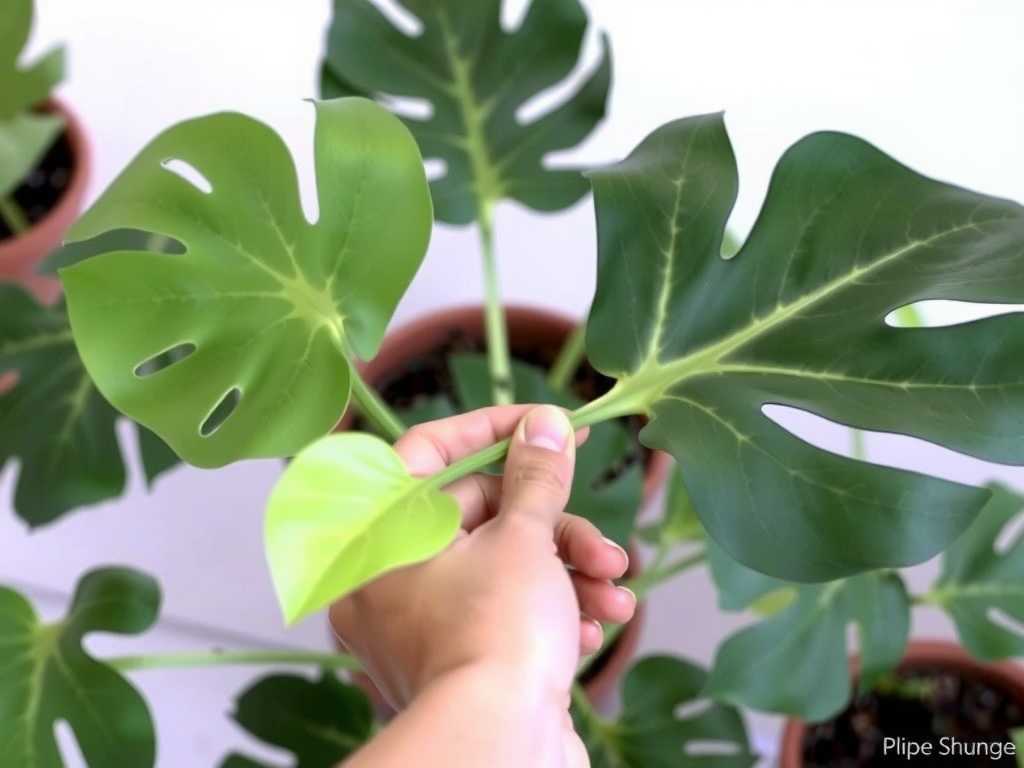
Before we dive into actions, it’s crucial to understand that you cannot force a leaf to split. Once a leaf unfurls, its shape is permanent. Our goal is to create such optimal conditions that the next new leaf emerges with those coveted fenestrations. Patience is your most important tool. According to the Royal Horticultural Society (RHS), fenestration is a natural developmental stage linked to the plant’s overall vitality and age. So, we’re setting the stage for maturity.
The Four Pillars of Perfect Fenestration
My journey taught me that four elements work in concert: light, support, watering, and feeding. Neglecting one can stall your progress.
Give It the Light It Craves
This was my biggest mistake. I had my Monstera in a “bright-ish” room, thinking it was enough. It wasn’t. Monsteras need bright, indirect light to perform at their best. They are not true low-light plants. To encourage fenestration, you must provide ample energy.
My two-week experiment started here. I moved my plant to a spot about two feet back from a large east-facing window, where it received several hours of gentle morning sun and bright, filtered light all day. I avoided harsh direct afternoon sun, which can scorch leaves.
- The Change: I used a simple light meter app on my phone to compare. The new spot measured nearly triple the light intensity (in foot-candles) of the old one.
- The Observation (Over 2 Weeks): Within days, I noticed the existing leaves seemed to orient themselves more confidently toward the light source. The newest, still-furled leaf stem (petiole) grew thicker and sturdier much faster than previous ones. This was the first sign I was on the right track—the plant was building a stronger foundation for a more complex leaf.
Provide Structural Support
In the wild, Monsteras are climbers, attaching their aerial roots to trees. This vertical growth is intrinsically linked to leaf size and fenestration. A staked Monstera is a happy, mature Monstera.
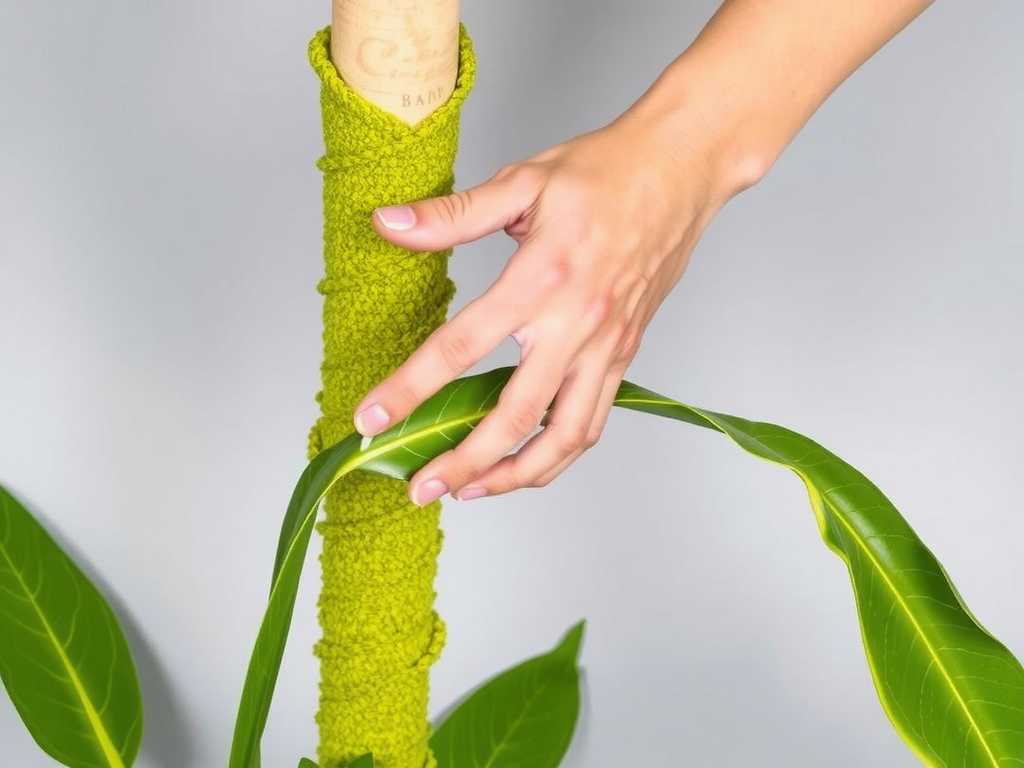
I installed a sturdy moss pole. Not just leaning it in the pot, but actually gently tying the main stem to it, encouraging the aerial roots to grip onto the moist moss.

- The Mistake: Initially, I used a thin bamboo stake. It was insufficient. The plant quickly became top-heavy.
- The Fix & Observation: I upgraded to a thick, 3-foot coir moss pole. Within the two-week window, I kept the pole consistently damp. I observed one prominent aerial root, which had previously dangled in the air, start to elongate and press itself against the moist pole. This simple act of providing a climbing structure signaled to the plant that it could invest energy in larger, more fenestrated leaves, as it would in its natural habitat.
Master the Watering Rhythm
The American Horticultural Society (AHS) emphasizes that consistent moisture stress is a major barrier to tropical plant health. The goal is consistent moisture, not swings between drought and flood.
I adopted the “soak and dry” method but with a keen eye. I’d water thoroughly until it ran from the drainage holes, but I only watered again when the top 2-3 inches of soil were dry. I used my finger as a gauge.
- The Observation: During these two weeks, with improved light, the plant’s water consumption increased noticeably. The soil dried out about 2 days faster than in its old, dimmer location. This confirmed it was actively growing and using resources. Consistent watering without sogginess kept the roots healthy and ready to support new growth.
Fuel the Growth with Strategic Nutrition
A plant building complex, fenestrated leaves needs fuel. A balanced, gentle fertilizer is key, especially during the growing season (spring and summer).
I used a liquid fertilizer with an equal NPK ratio (like 10-10-10), diluted to half the recommended strength. I applied it once at the start of my two-week focus period.
- The Mistake: In the past, I’d over-fertilized in my eagerness, leading to salt buildup and brown leaf tips.
- The Fix & Observation: The half-strength feed provided a nutrient boost without risk. While you won’t see direct fenestration results from one feeding in two weeks, I observed the emerging new leaf’s sheath was a deeper green and seemed to swell more robustly. It was getting the building blocks it needed.
The Moment of Truth: Unfurling a New Leaf
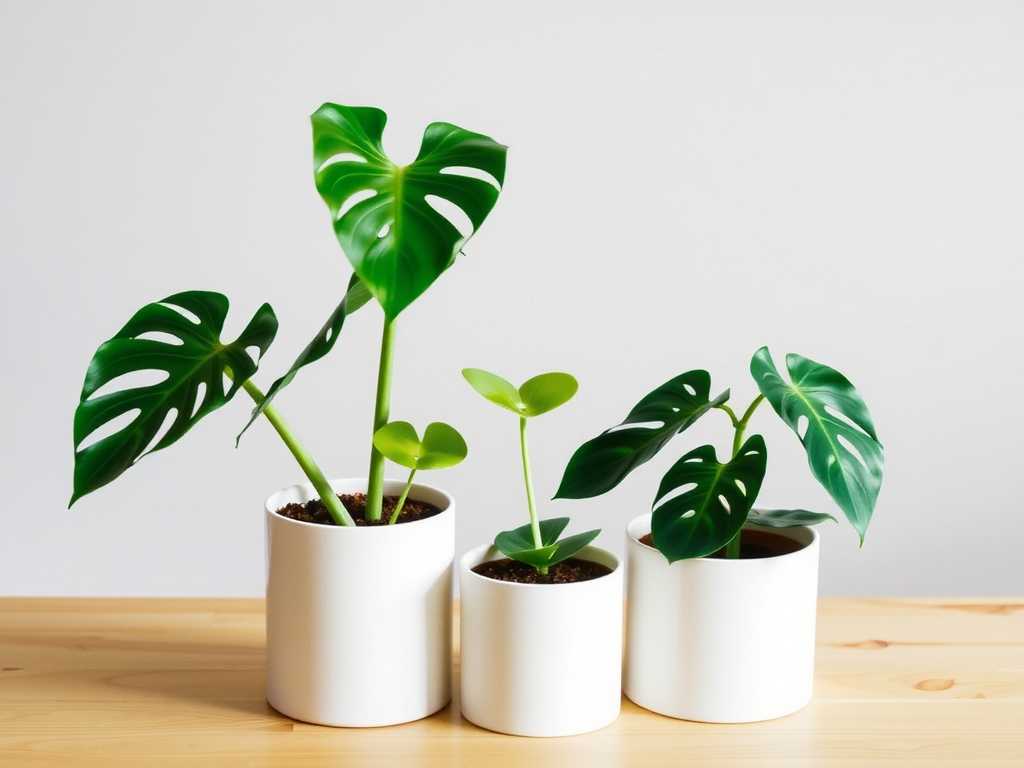
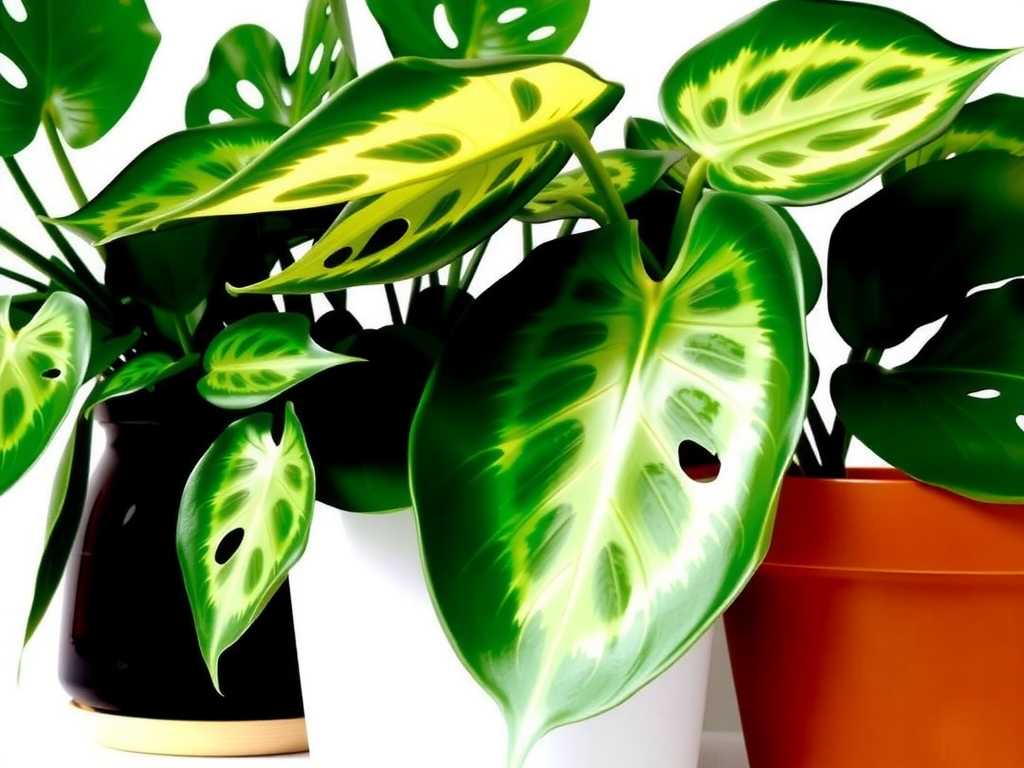
My two-week intensive focus on these pillars culminated in a thrilling moment. The leaf that had been developing during this period began to unfurl. It was noticeably larger than the previous three leaves. As the tight roll slowly loosened, I saw the very tip had a small, but distinct, split—a primary fenestration. It wasn’t a fully holed leaf yet, but it was the undeniable breakthrough. The plant had transitioned from its juvenile solid form to the beginning of its mature, fenestrated phase. The synergy of light, support, water, and food had worked.
Why Isn't My Monstera Splitting? Troubleshooting Common Issues
- "I’ve done all this, and my new leaf is still solid!" Don’t despair. Each new leaf is a step forward. Often, the plant needs to produce several larger, solid leaves to build up enough energy reserves to create the complex splits. Ensure your light is truly bright enough—this is the most common bottleneck.
- "My Monstera has splits, but no inner holes." This is a normal progression. Primary fenestration (edge splits) comes first. Secondary fenestration (the iconic inner holes) comes later as the plant reaches even greater maturity. Continue providing excellent care, especially that bright indirect light and a climbing pole.
- "Can I cut the small leaves to force fenestrated ones?" No. Never remove healthy leaves. They are the solar panels powering the plant’s future growth. Removing them robs your Monstera of the very energy it needs to create those beautiful splits. Focus on the overall health of the entire plant.
Encouraging fenestration is a journey of understanding your plant’s language. It’s about reading the signs—the orientation toward light, the grip of aerial roots, the rhythm of thirst. There are no shortcuts, only good horticulture. By providing bright, indirect light, a structure to climb, consistent watering, and gentle feeding, you are speaking directly to your Monstera’s innate needs. You are telling it, “You are safe, strong, and mature enough to show your most beautiful self.” The reward—that first peek of a split in a unfurling leaf—is worth every bit of the patient, attentive care.

发表评论