 admin
admin Small Monstera Care: Growing Young Seedlings to Mature Plants
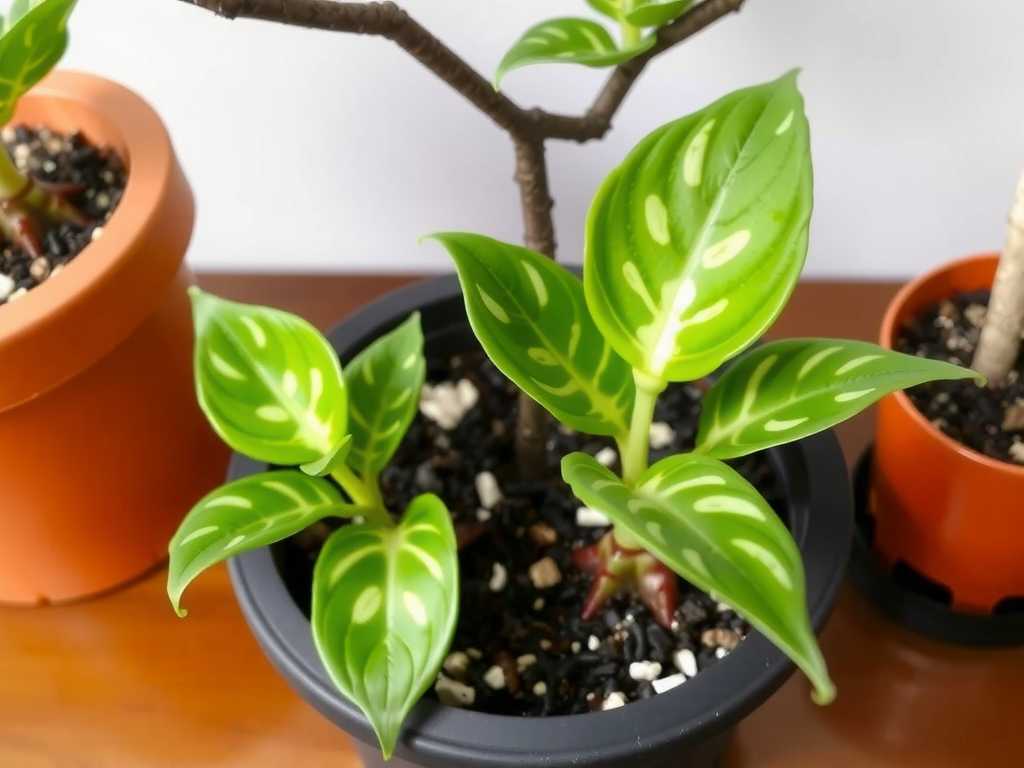
I remember the day I brought home my first small Monstera deliciosa seedling. It was a tiny, hopeful thing with just two leaves, and I was filled with equal parts excitement and dread. The excitement is easy to understand, but the dread? That came from the countless stories I’d heard—and the one I lived through. My first attempt ended with a yellowing, drooping plant that never made it past its juvenile stage. The core problem wasn’t neglect; it was a fundamental misunderstanding of what a young Monstera truly needs to transition from a fragile seedling into a stunning, fenestrated mature plant. If you’re holding a small Monstera and wondering how to not just keep it alive, but help it thrive and eventually develop those iconic split leaves, you’ve come to the right place. I’ve been through the trials, documented the results, and I’m here to guide you through every step.
Understanding Your Small Monstera’s Unique Needs
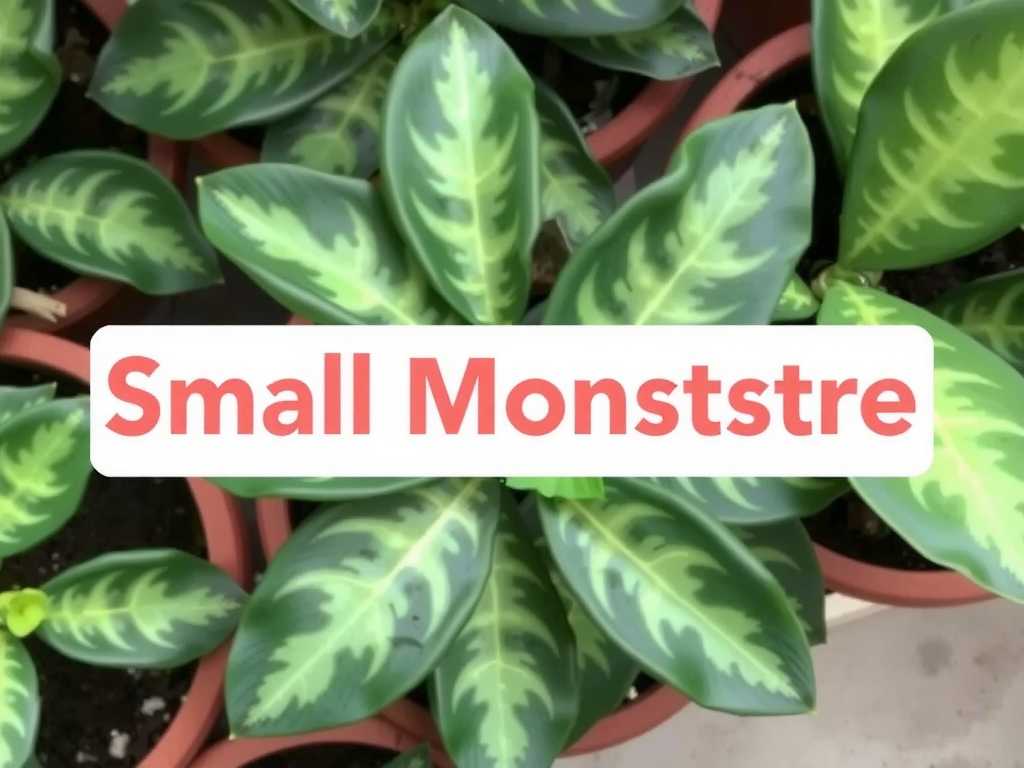
A small Monstera isn’t just a miniature version of the mature plant you see in magazines. It’s in a critical, vulnerable growth phase with priorities different from its older counterparts.
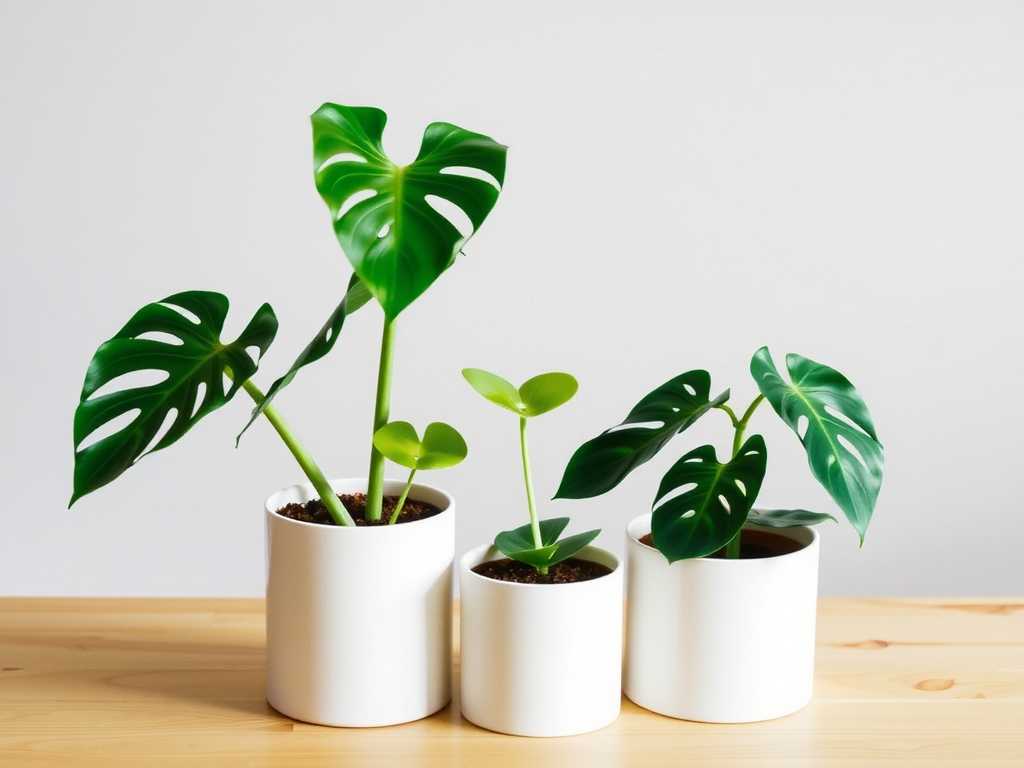
The Juvenile vs. Mature Plant Dynamic In its early stages, a Monstera seedling is focused entirely on building a robust root system and increasing its leaf count to maximize photosynthesis. Those large, dramatic fenestrations (splits and holes) are a feature of maturity, developed to allow light and rain to reach lower leaves in its natural rainforest habitat. According to the Royal Horticultural Society (RHS), fenestrations typically begin to appear only after a plant has produced 5-6 mature leaves. Expecting them too soon is a common frustration. Your goal now is to create the perfect environment to fuel that journey.
Creating the Foundation: The First Crucial Steps
Getting the basics right from day one sets the trajectory for your plant’s entire life. Here’s where my two-week observation journal begins.
Selecting the Perfect Potting Mix I learned the hard way that standard potting soil is a death sentence for small Monstera roots. It retains too much water, leading to root rot. After my initial failure, I switched to a chunky, airy aroid mix. My recipe: 40% high-quality potting soil, 30% orchid bark, 20% perlite, and 10% horticultural charcoal. This ensures rapid drainage and plenty of oxygen for the roots.
I repotted my new seedling into this mix and observed it closely. For the first week, the plant seemed to simply settle in. But by the start of the second week, I noticed a subtle change. The existing leaves looked perkier, and a tiny, glossy green nub began to emerge at the base—a new growth point! This was a clear sign the roots were happy and actively exploring their new, well-aerated home.
Mastering the Watering Rhythm Watering is the trickiest part. My early mistake was watering on a schedule. The fix? The finger test. I insert my finger about two inches into the soil. If it feels dry, I water thoroughly until it runs out the drainage holes; if it’s still damp, I wait. For my small Monstera in its new chunky mix, this translated to watering approximately every 10-12 days in my moderately lit, average-humidity home. Over a 14-day observation period, this method prevented the soggy conditions that stunted my first plant while providing consistent moisture for steady growth.
Optimizing Light for Vigorous Growth
Light is the engine of growth. Insufficient light leads to leggy stems, small leaves, and no fenestrations. Too much direct sun can scorch the delicate leaves of a seedling.
Finding the Sweet Spot The American Horticultural Society (AHS) emphasizes that Monsteras thrive in bright, indirect light. I placed my plant about three feet back from a large east-facing window. This provided the gentle morning sun and bright, filtered light for the rest of the day. Over two weeks, I tracked the plant’s response. The leaves didn’t lean or stretch dramatically toward the light source, indicating the placement was even. The new growth point developed steadily without any signs of bleaching or browning on the leaf tips.
The Support System: When and How to Stake
As your small Monstera grows, it will need support. This isn’t just for looks; it mimics its natural climbing habit and encourages larger leaf development.
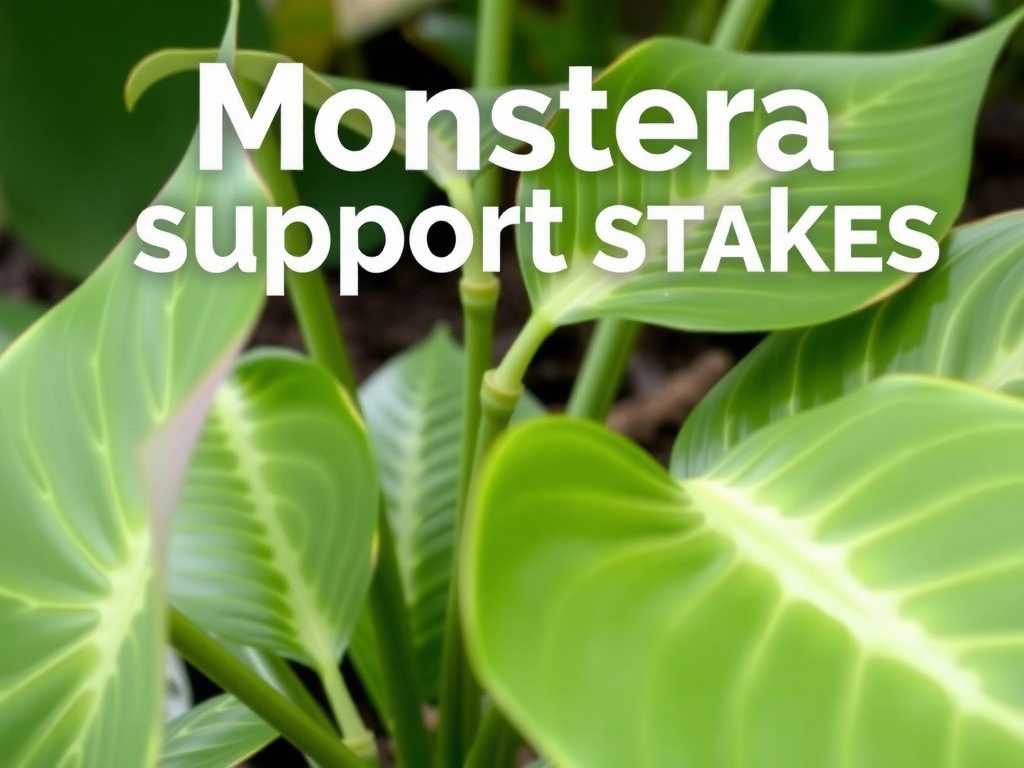
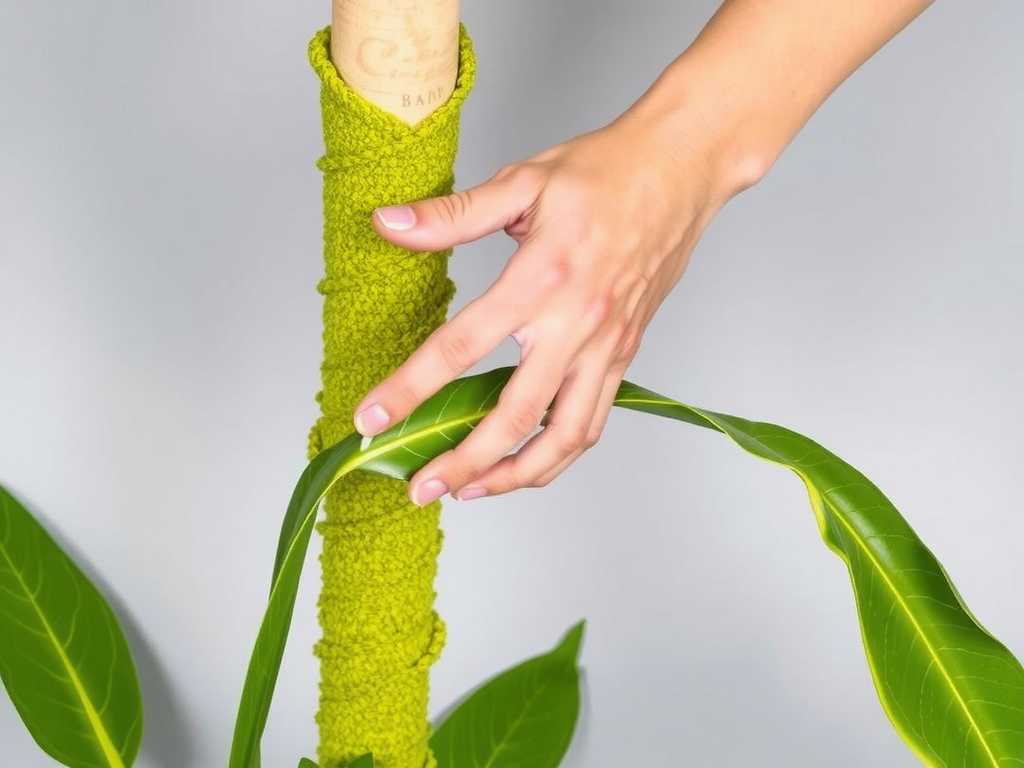
Introducing a Moss Pole I introduced a slim coir pole when my plant had about four leaves and a visible aerial root starting to reach out. I gently tied the main stem to the pole using soft plant ties. The effect wasn’t immediate, but within the two-week window, I observed that aerial root began to orient itself toward the moist pole. Providing a structure early trains the plant to climb, which ultimately stimulates the development of larger, more mature foliage with fenestrations.
Nutrition and Long-Term Health
A small plant in fresh potting mix has nutrients, but to fuel the journey to maturity, supplemental feeding is key.
A Balanced Feeding Approach I use a balanced, water-soluble fertilizer (with an equal NPK ratio like 10-10-10), but I dilute it to half the recommended strength. During the active growing season (spring and summer), I feed every four weeks. I did not fertilize during my initial two-week repotting observation, as fresh soil provides enough nutrients and fertilizing too soon can burn new roots. For ongoing care of young Monsteras, this gentle feeding prevents salt buildup and supports sustained, healthy growth without forcing it.
Troubleshooting Common Problems on the Path to Maturity
Even with perfect care, issues arise. Here are the ones I faced and how I fixed them.
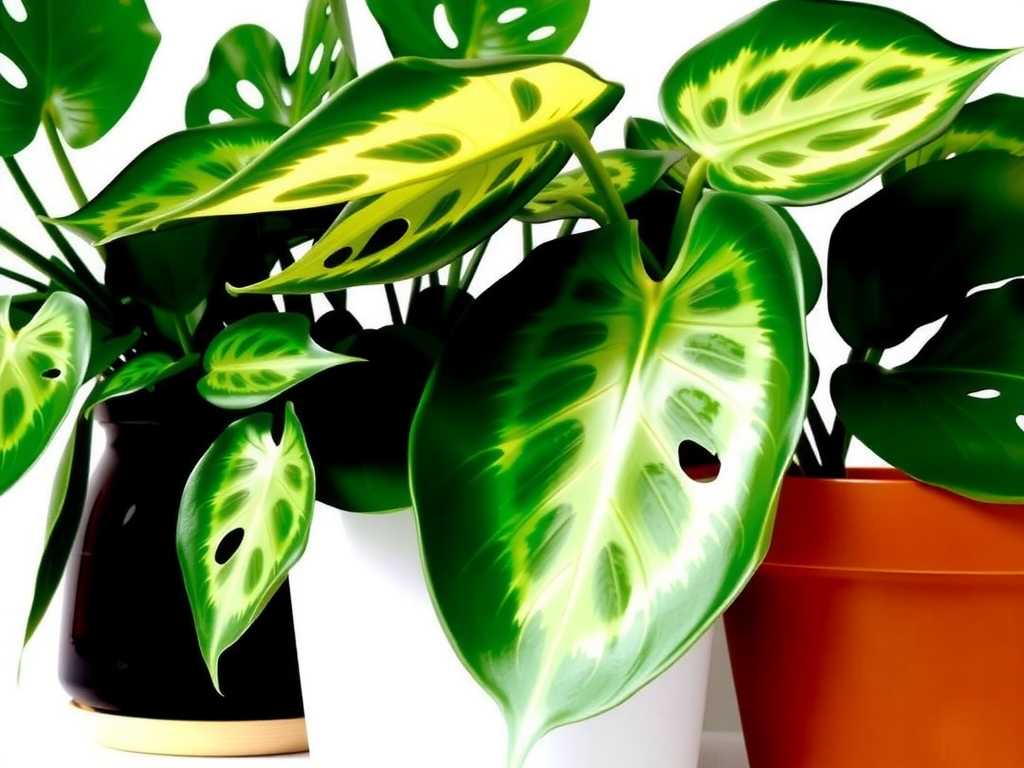
Yellowing Leaves: Diagnosis and Action Midway through my observation, one lower, older leaf on a different seedling began to yellow. I panicked, thinking it was root rot. Upon inspection, the soil was correct and not waterlogged. I realized this was natural senescence—the plant shedding an old leaf to redirect energy to new growth. I simply snipped it off at the base. If yellowing starts with newer leaves or many at once, check your watering immediately.
Dealing with Pests: Early Intervention Aphids love new Monstera growth. I spotted a few on the underside of a new leaf. I immediately isolated the plant and wiped every leaf, stem, and crevice with a solution of mild dish soap and water. I repeated this every three days for two weeks. The infestation was controlled without needing harsh chemicals. Regular inspection is your best defense.
How can I tell if my small Monstera is getting enough light? Look for signs of positive growth: new leaves emerging regularly, stems that are sturdy and not excessively long between leaves (etiolated), and leaves that are a deep, vibrant green without leaning heavily in one direction. Slow growth and small new leaves are the main clues it needs more light.
Why are the leaves on my young Monstera plant not splitting? Patience is essential. Fenestrations are a sign of maturity. Ensure your plant’s basic needs are met—especially bright, indirect light—and that it has a support to climb. Splits typically won’t appear until the plant is several years old and has produced multiple mature leaves. Focus on overall health, and the splits will come in time.
My seedling’s new leaf has been stuck for weeks. What should I do? A stuck leaf, often called a “leaf jail,” is usually due to low humidity. The new leaf needs moisture to unfurl smoothly. Increase humidity by misting the plant lightly, placing a humidifier nearby, or setting the pot on a pebble tray with water. You can also gently help by misting the stuck sheath and, with clean hands, providing the gentlest possible assistance to loosen it, but never force it.
Watching a small Monstera seedling transform is a lesson in patience and attentive care. The journey from those first solid leaves to the first fenestrated masterpiece is incredibly rewarding. It requires understanding its changing needs, from the chunky soil that cradles its roots to the bright light that fuels its ascent. By avoiding the common pitfalls of overwatering and poor lighting, and by providing early support, you’re not just keeping a plant alive—you’re architecting its future. My two-week deep dive after correcting my initial mistakes showed me that consistent, informed care yields visible, encouraging results. Stick with it, learn from your plant’s signals, and you’ll be rewarded with a thriving, mature Monstera that tells the story of your successful care.
发表评论