 admin
admin Large Monstera Care: Supporting Tall & Heavy Stems
I’ll be honest—the day my Monstera deliciosa started leaning like the Tower of Pisa was the day I realized I was in over my head. I had nurtured this plant from a small, bushy specimen into a towering, leafy giant, only to watch its once-sturdy stems bow under their own weight, threatening to snap or topple the entire pot. If you’re here, you likely share this same core pain point: the struggle to keep a mature, large Monstera upright, healthy, and aesthetically pleasing without causing damage. The joy of their dramatic growth quickly turns into anxiety when those iconic split leaves begin to sag and stems sprawl uncontrollably. Through trial, error, and a dedicated two-week support project, I’ve navigated this exact challenge. This guide is born from my hands-on experience, the mistakes I made, and the effective solutions I discovered to properly support tall and heavy Monstera stems.
Understanding Why Your Large Monstera Needs Support
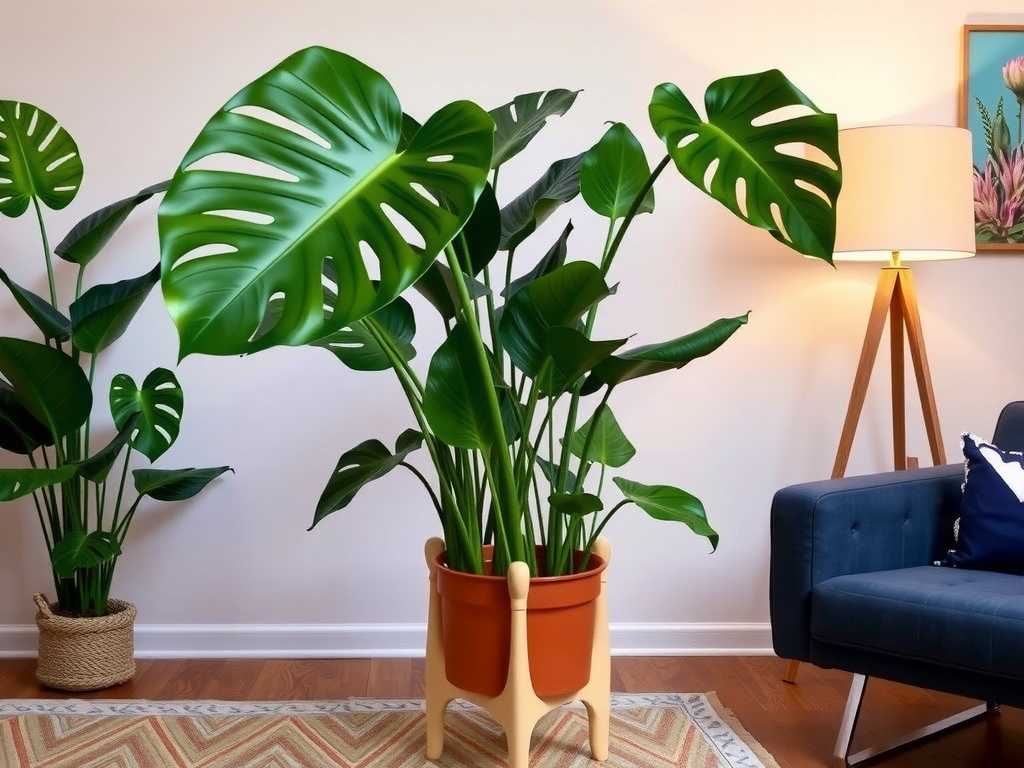
In their natural jungle habitat, Monsteras are climbing hemiepiphytes. They use their aerial roots to anchor themselves onto large trees, climbing upwards towards the canopy light. In our homes, without a support structure, they revert to a sprawling, vine-like habit. The stems, or petioles, of a mature Monstera are not true trunks; they are not designed to hold the weight of multiple large leaves vertically on their own. As the plant pushes out bigger leaves—some easily over a foot wide—the leverage and weight increase, leading to bending, leaning, and potential structural failure. Providing support isn’t just about looks; it mimics the plant’s natural growth pattern, promotes better air circulation, allows for more efficient light exposure on all leaves, and prevents physical damage to the stems and root system caused by constant strain.
Choosing the Right Support System: Moss Pole vs. Trellis vs. Stakes
This was my first major decision point, and it’s crucial to get it right based on your plant’s size and your goals. I experimented with different types over time.
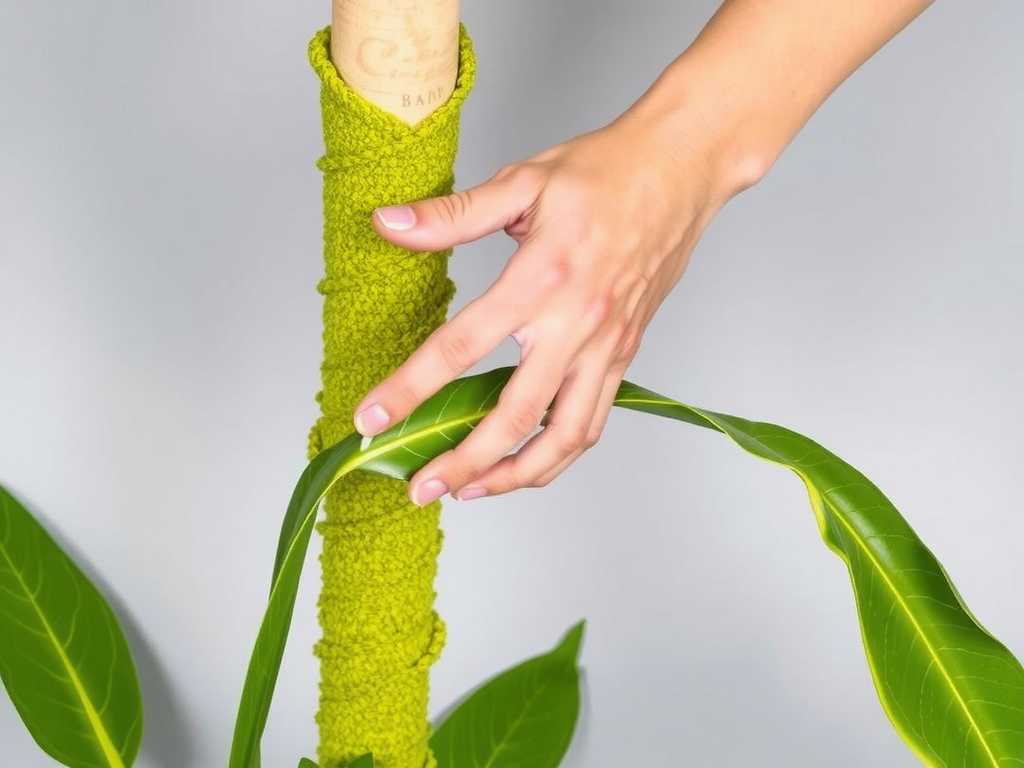
For my largest, most mature Monstera with thick, forward-facing stems, a coir or moss pole is the gold standard. The Royal Horticultural Society (RHS) notes that providing a moist, textured support like a moss pole encourages aerial roots to attach, which actively stabilizes the plant and can even provide supplemental moisture and nutrients. I initially used a thin, smooth bamboo stake, which was utterly useless for a heavy plant—it offered no grip and the plant just leaned away from it. I upgraded to a thick, 5-foot moss pole.
A trellis or obelisk is excellent for a slightly smaller large Monstera or one you wish to train in a specific shape. It offers multiple anchor points. For a single, particularly heavy, leaning stem that needed immediate correction, I found a heavy-duty wooden or metal stake (like those used for tomatoes) to be a perfect temporary fix while I installed a more permanent system.
My Step-by-Step Process: Installing Support for a Mature Monstera
Here is the exact process I followed, which took place over one intensive weekend, followed by two weeks of observation and adjustments.
Gathering Materials and Preparing the Plant I gathered my chosen moss pole (ensure it’s tall enough for current and future growth), soft plant ties (velcro straps are fantastic), a clean pair of pruning shears, and my Monstera, which I hadn’t watered for two days to make the soil firm and the plant slightly less turgid (and easier to handle). Safety first: I wore gloves, as Monstera sap can be irritating.
The Installation and Tying Technique
- Inserting the Pole: I carefully inserted the moss pole deep into the pot soil, as close to the main stem base as possible without damaging major roots. I pushed it down until it hit the pot’s bottom for maximum stability. This is critical—a wobbly pole is worse than no pole.
- The Gentle Lift: This was my first “aha” moment and my first mistake in the initial attempt. I gently lifted the entire mass of stems and leaves, supporting them from beneath, and nestled the main stem against the pole. Do not force or bend stems sharply. The goal is a gentle redirection. On my first try, I was too aggressive and heard an alarming creak from a stem. I stopped immediately.
- Strategic Tying: Using velcro ties, I began anchoring the heaviest stems to the pole. The key is to tie the tie to the pole firmly, then loop it loosely around the stem or the thickest part of the petiole (leaf stem), never around the delicate leaf itself. I left enough room for the stem to swell and grow—about a finger’s width of space. I started from the bottom and worked up, creating a secure ladder of support. According to the American Horticultural Society (AHS), improper staking can girdle and damage stems, so this loose-but-secure method is vital.
Post-Support Care and Observation After the physical work, the real observation began. I watered the plant thoroughly, as the process can stress it and dry the soil.
The First 48 Hours: The plant looked dramatic and a bit shocked. Some leaves faced away from the light. I resisted the urge to retie everything. Day 3-7: I noticed the plant starting to reorient. New aerial roots began reaching out towards the moist moss pole. The previously sagging leaves now had a clear upward trajectory. A minor issue arose: one lower, very old leaf yellowed significantly. I concluded this was due to the redistribution of energy and removed it. Week 2: The transformation was clear. The plant’s posture was vastly improved. It wasn’t just tied up; it was beginning to use the pole. The canopy was more open, and light reached inner leaves. Most importantly, the dangerous lean was completely corrected. The structure felt stable and natural.
Common Pitfalls and How I Solved Them
- Pitfall 1: Using Hard, Abrasive Ties. I initially used garden twine. Within days, it was cutting into a stem under wind pressure from the fan. Solution: I switched all ties to flexible, wide velcro straps immediately.
- Pitfall 2: Installing the Pole Too Far from the Stem. My first pole was an inch away, creating an awkward angle and putting sideways pressure on the stem. Solution: I replanted the pole directly against the main stem cluster, even though it meant repotting. It was worth it for long-term stability.
- Pitfall 3: Over-Tightening. In my zeal for a “neat” look, I tied some stems too tightly. Solution: I went back and loosened every single tie, ensuring they were secure but non-constricting.
- Pitfall 4: Ignoring the Plant’s Growth Direction. Monsteras have a front (where leaves emerge) and a back (where aerial roots appear). I initially faced the leafy front towards the wall to hide the pole. Solution: I rotated the pot so the “back” with the aerial roots faced the pole, allowing them to attach, and the leafy front faced the room. This is essential for natural attachment.
Ongoing Maintenance for a Supported Monstera
Support isn’t a “set it and forget it” task. Every month, I check the ties, loosening them as stems thicken. I keep the moss pole moist by spraying it during watering, which actively encourages aerial root attachment—this turns the pole from a passive prop into an integrated part of the plant’s system. As new growth appears, I gently train it onto the pole early, when the stem is still flexible. Regular feeding during the growing season is also key, as the plant is now channeling energy into vertical growth and larger leaves.
How do I know if my Monstera stem is too damaged to save? If a stem is completely snapped or shows deep, crushing cracks, the portion above the break may not recover. However, you can make a clean cut below the damage and propagate the top portion. If it’s just bent or creased, providing firm support immediately can often allow the plant to callus over and strengthen the area over time. My creaking stem from the initial mistake healed fully with proper support.
Can I use a moss pole on a Monstera that’s already leaning badly? Absolutely. This was my exact situation. The process requires more patience. You must lift and secure the plant incrementally over several weeks, not in one forceful session. Tighten the ties a little more every few days to gradually pull the plant upright, allowing it to adjust to the new posture without shock.
Will supporting my Monstera help it grow bigger leaves? Yes, indirectly. By providing vertical support, you mimic its natural climbing habit. This redirects energy from structural reinforcement (trying to stay upright) into vegetative growth. With stable support, better light exposure, and consistent care, your Monstera is more likely to produce larger, more fenestrated leaves, as it “feels” secure enough to invest in expansive foliage.
Seeing my Monstera stand tall and proud after its two-week journey from a slouching giant was immensely satisfying. The process taught me that supporting a large Monstera is less about brute force and more about understanding its natural instincts and providing a gentle, guiding hand. The right support system, installed with patience and maintained with care, doesn’t just prevent disaster—it unlocks your plant’s potential for healthier, more majestic growth. Your towering Monstera deserves a foundation as strong as its ambition to reach for the light.
发表评论