 admin
admin Monstera Adansonii Care: Your Guide to Growing a Thriving Swiss Cheese Vine
I remember the day I brought my first Monstera adansonii home. Its leaves, dotted with those iconic holes, looked so elegant. Yet, within weeks, I watched in dismay as the edges turned crispy brown, new growth stalled, and that vibrant green faded. I felt like I’d failed this beautiful plant. If you’ve ever worried about your Swiss Cheese Vine’s yellowing leaves or wondered why it’s not growing, you’re not alone. The gap between admiring its beauty and actually keeping it alive is real. But after years of trial, error, and a particularly revealing two-week experiment, I’ve cracked the code. This guide isn’t just theory; it’s the practical, step-by-step roadmap I wish I’d had.
Understanding Your Swiss Cheese Vine
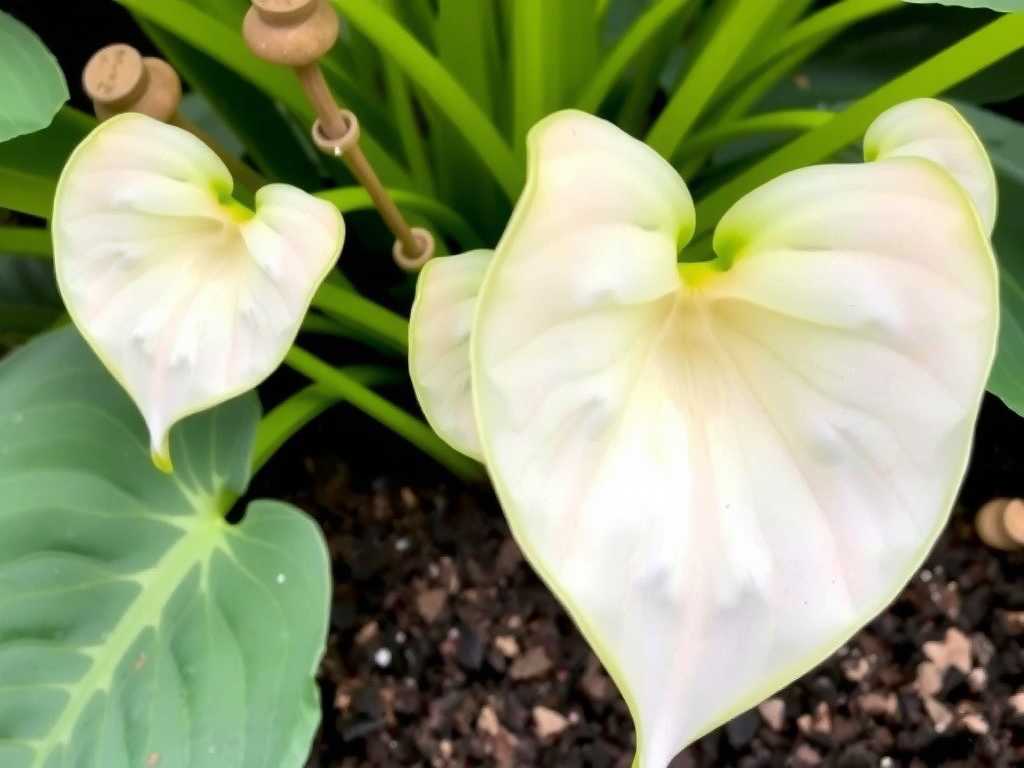
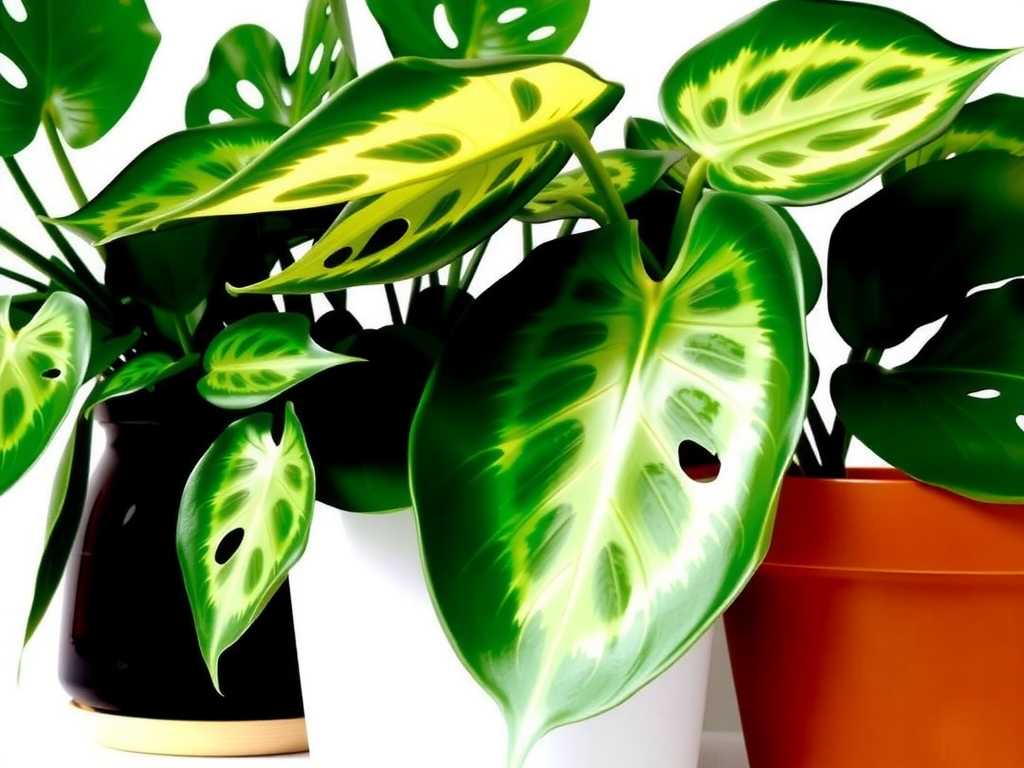
Before we dive into care, let’s understand what makes this plant tick. Native to the rainforests of Central and South America, Monstera adansonii is a climber. In the wild, it uses its aerial roots to attach to trees, reaching for dappled sunlight through the canopy. Those famous holes, called fenestrations, aren’t just for show. Botanists believe they allow light to pass through to lower leaves and help the plant withstand heavy rain and wind. Recognizing this natural habitat is the first key to success indoors. The Royal Horticultural Society (RHS) notes that replicating these conditions—bright, indirect light and high humidity—is crucial for fenestration development and overall health.
Light: The Non-Negotiable Foundation
My biggest mistake was treating light as an afterthought. I had my adansonii in a “bright-ish” room, but growth was sluggish. I decided to run a test.
For two weeks, I moved my plant to three different locations, documenting its response daily. The first spot was a north-facing window (low light). The plant did nothing—no new growth, no change. The second was a spot about 6 feet back from a south-facing window (bright, indirect light). Here, something magical happened. By day 10, I spotted a new spear-like growth point (a cataphyll). By day 14, it had unfurled into a leaf noticeably larger and more fenestrated than the previous ones. The third location, a brief 3-day trial on a direct east-facing windowsill, resulted in pale, scorched patches on two leaves.
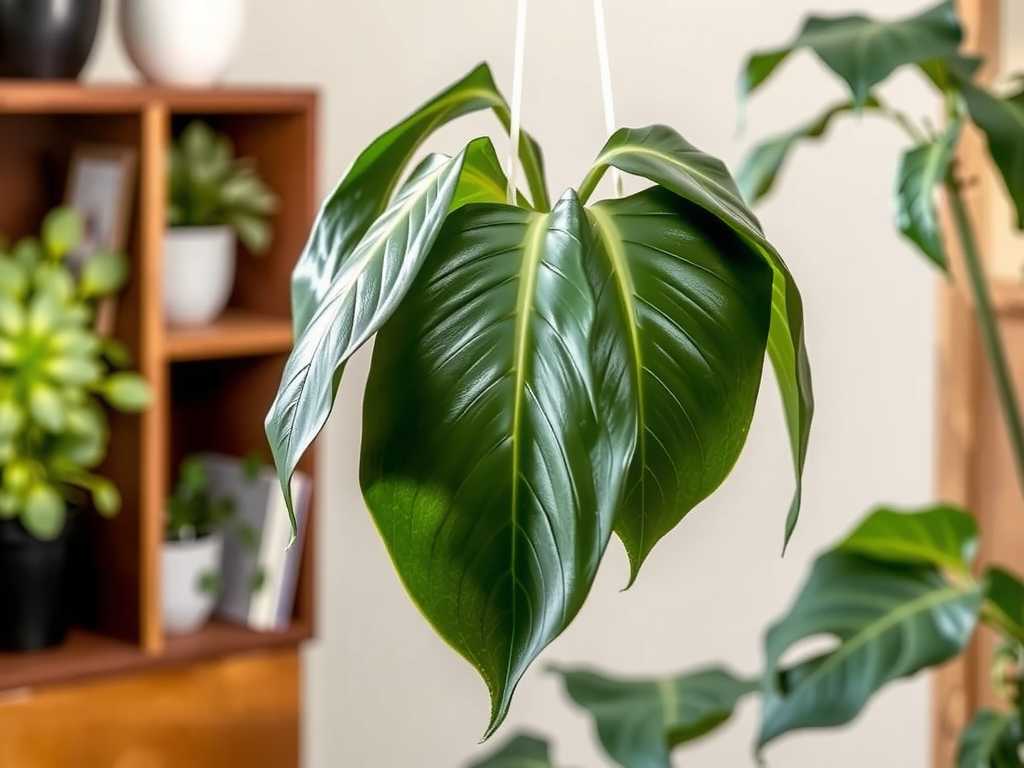
The verdict was crystal clear. Your Monstera adansonii needs bright, indirect light to thrive. Think of the light under a tree, not on the beach. An east or west-facing window shielded by a sheer curtain is ideal. A south-facing window set back a few feet works perfectly. Low light will keep it alive but stunted. Direct sun will burn it.
Watering: Learning the Language of the Soil
Overwatering is the fastest way to kill a Swiss Cheese Vine. I learned this the hard way with a plant that developed root rot. My “weekly schedule” was drowning it. The solution? Ditch the calendar.
The right way to water is to check the soil. Here’s my foolproof method:
- Insert your finger about 2 inches into the potting mix.
- If the soil feels dry, it’s time to water.
- Take the plant to the sink and water slowly and thoroughly until water runs freely out of the drainage holes.
- Let it drain completely before returning it to its decorative pot.
This method ensures the roots get moisture without sitting in a swamp. During my two-week light experiment, I noticed the plant in brighter light dried out faster, needing water about every 7-9 days. The one in low light was still moist after 14 days. This reinforces that watering frequency is directly tied to light exposure and season.
Soil and Potting: Building the Right Home
A good houseplant is only as good as its roots. That root rot incident taught me the importance of a well-draining, airy mix. A standard, dense potting soil holds too much moisture.
I now use a chunky aroid mix. You can make your own easily:
- 2 parts high-quality indoor potting soil
- 1 part perlite
- 1 part orchid bark (or coconut coir)
The perlite and bark create air pockets, preventing compaction and allowing roots to breathe. Repotting is typically needed every 1-2 years in spring, when you see roots circling the bottom of the pot. Always choose a pot with drainage holes that’s only 1-2 inches larger in diameter than the old one.
Humidity and Temperature: Creating a Tropical Microclimate
While more tolerant than some tropicals, Monstera adansonii loves humidity. The American Horticultural Society (AHS) emphasizes that adequate humidity reduces stress on plants, leading to healthier growth and larger leaves. My home’s air was too dry, causing those dreaded brown, crispy leaf tips.
I tried three solutions:
- Pebble Tray: Placing the pot on a tray filled with water and pebbles (pot above the water line). It provided a slight, localized boost.
- Grouping Plants: Clustering my plants together helped create a more humid microclimate.
- Humidifier: This was the game-changer. Running a humidifier nearby, aiming for 50-60% humidity, stopped the crispy tips entirely. Within two weeks of consistent use, a new leaf unfurled with a perfectly smooth, intact edge.
Keep your plant in temperatures between 65-80°F (18-27°C) and away from cold drafts or heating vents.
Feeding and Support: Fueling Growth
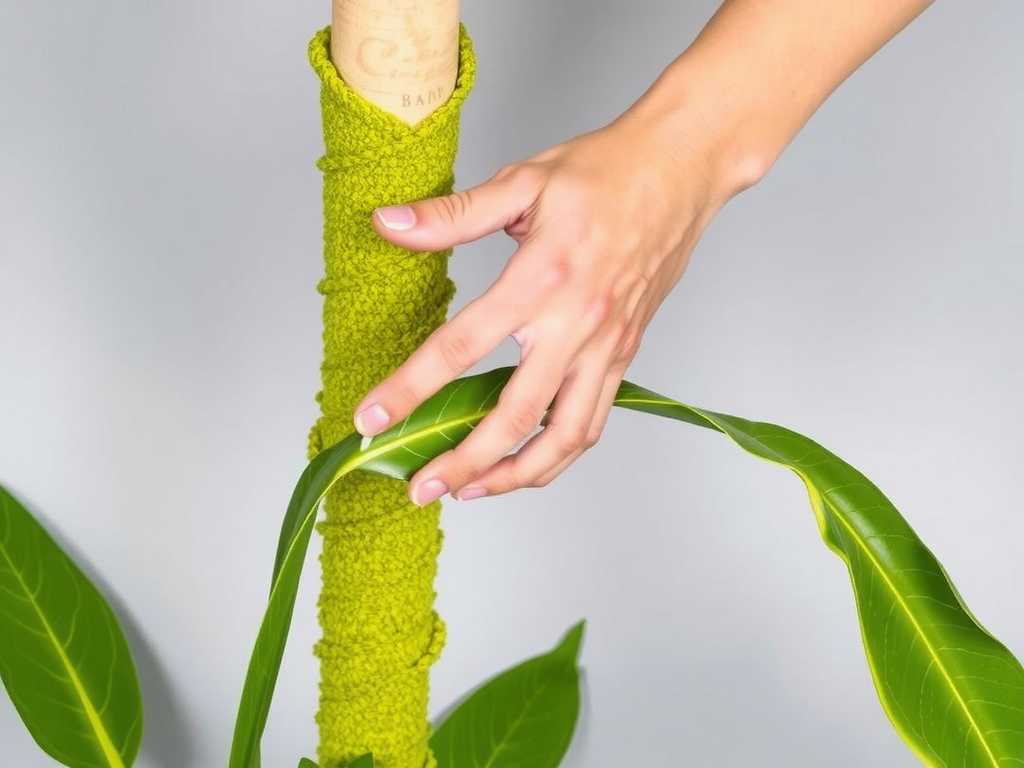
A climbing plant needs support to mimic its natural habit. I added a moss pole when my vine started getting leggy. I gently tied the stems to the pole, and the aerial roots began to attach on their own. This encourages vertical growth and larger, more mature leaves.
For feeding, I use a balanced, water-soluble fertilizer (like a 10-10-10 or 20-20-20) diluted to half strength. I feed every 4-6 weeks during the spring and summer growing season. I completely stop fertilizing in fall and winter when growth naturally slows. Over-fertilizing can burn roots and cause salt buildup in the soil.
Troubleshooting Common Swiss Cheese Vine Problems
- Yellow Leaves: This is often a sign of overwatering. Check your soil moisture and ensure the pot drains well. Could also be a need for fertilizer if it’s been many months.
- Brown, Crispy Edges: Low humidity is the most common culprit. Increase ambient moisture. It can also be from underwatering or fertilizer burn.
- Leggy Growth with Small Leaves: The plant is not getting enough light. Move it to a brighter location.
- No Fenestrations (Holes): Immature plants won’t have them. On a mature plant, lack of holes means it needs more bright, indirect light.
Propagation: Sharing the Love
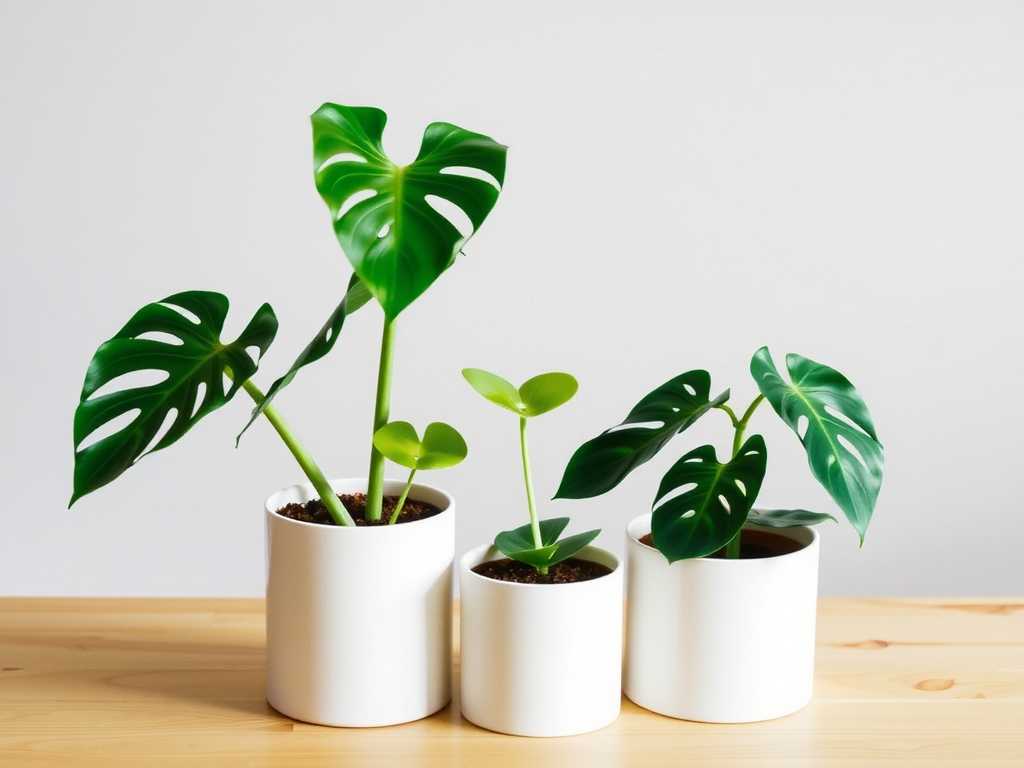
Propagating Monstera adansonii is incredibly rewarding. My favorite method is water propagation.

- Using clean shears, cut a stem section just below a node (the bump where a leaf meets the stem, and where aerial roots may emerge).
- Ensure the cutting has at least one node and one or two leaves.
- Place the node in a jar of water, keeping the leaves dry.
- Put it in bright, indirect light and change the water weekly.
- In about 2-4 weeks, you’ll see white roots sprouting from the node. Once they’re a few inches long, you can pot it up in soil.
Watching those roots grow never gets old, and it’s a fantastic way to expand your collection or share with friends.
How often should I water my Monstera adansonii? There’s no set schedule. Always water based on soil moisture, not the day of the week. In most indoor settings with good light, this typically means watering every 1-2 weeks in summer and less often in winter. The finger test is your best guide.
Can I grow a Swiss Cheese Vine in a bathroom? Yes, if the bathroom receives adequate bright, indirect light (e.g., from a frosted window). The naturally higher humidity from showers can be a major benefit for the plant’s foliage.
Is Monstera adansonii toxic to pets? Yes. Like other plants in the Araceae family, it contains calcium oxalate crystals, which can cause oral irritation, drooling, and vomiting if ingested by cats or dogs. It’s best to place this plant out of reach of curious pets.
Growing a magnificent Monstera adansonii comes down to honoring its rainforest origins: give it bright, filtered light, water it thoughtfully, boost the humidity, and offer it a structure to climb. Pay attention, and it will tell you what it needs. The journey from a single vine to a lush, fenestrated curtain of green is immensely satisfying. Start with the light, master the watering, and enjoy the process. Your Swiss Cheese Vine is ready to thrive.

发表评论