 admin
admin Monstera Siltepecana Care: Your Complete Variegated Vine Growing Guide
I remember the day my variegated Monstera siltepecana arrived. I was thrilled by its stunning silver-veined, juvenile leaves, but a wave of anxiety quickly followed. How do I keep this beautiful, somewhat rare plant thriving? Will the variegation fade? Online information felt scattered and often contradictory. If you’re holding a new cutting or a struggling plant, you’ve likely felt the same confusion. After extensive research, trial, error, and a dedicated two-week observation period with my own plant, I’ve compiled this hands-on guide from one plant lover to another. We’ll move beyond generic advice and into the specific, actionable steps that actually work for the variegated Monstera siltepecana.
Understanding Your Variegated Monstera Siltepecana
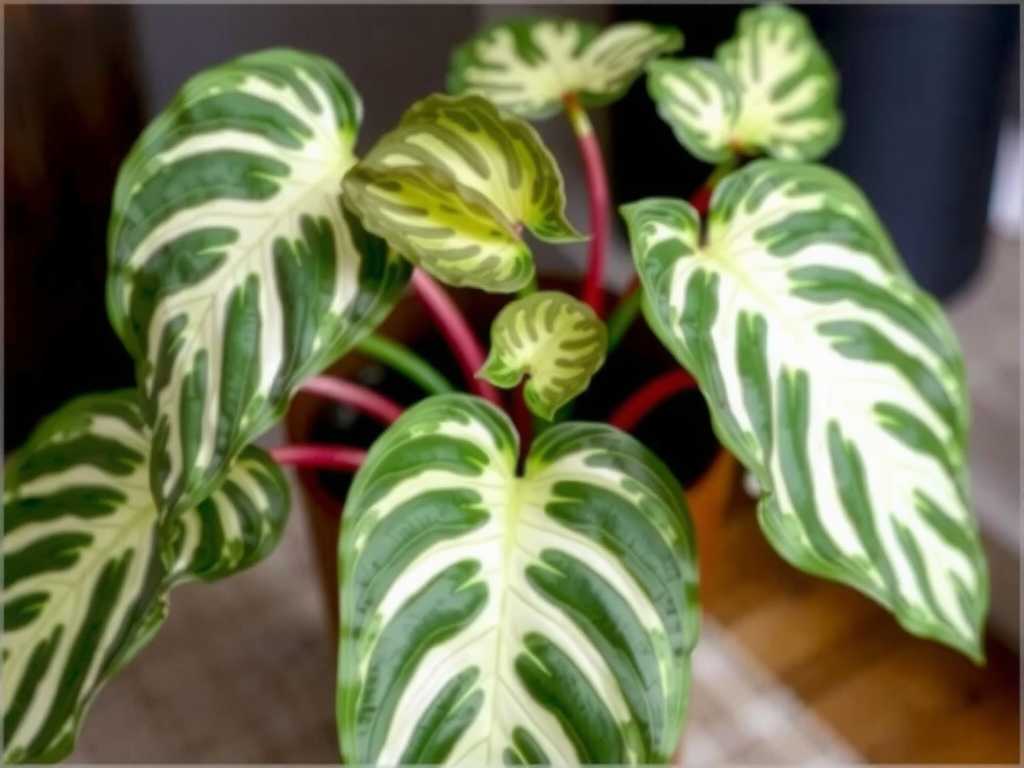
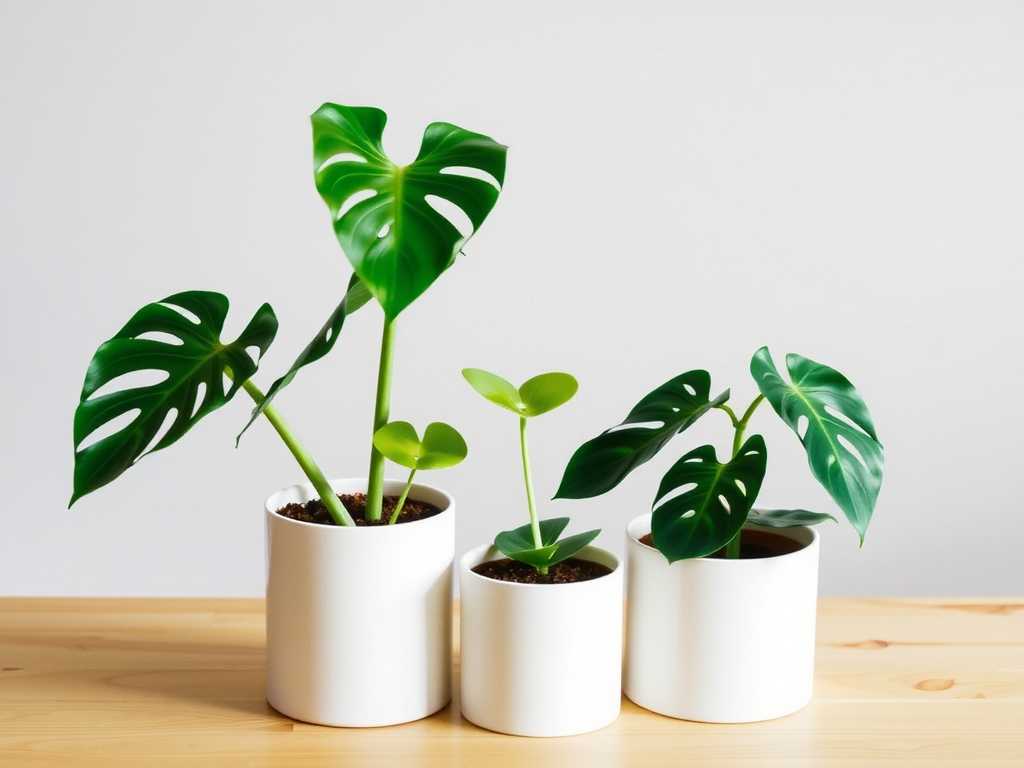
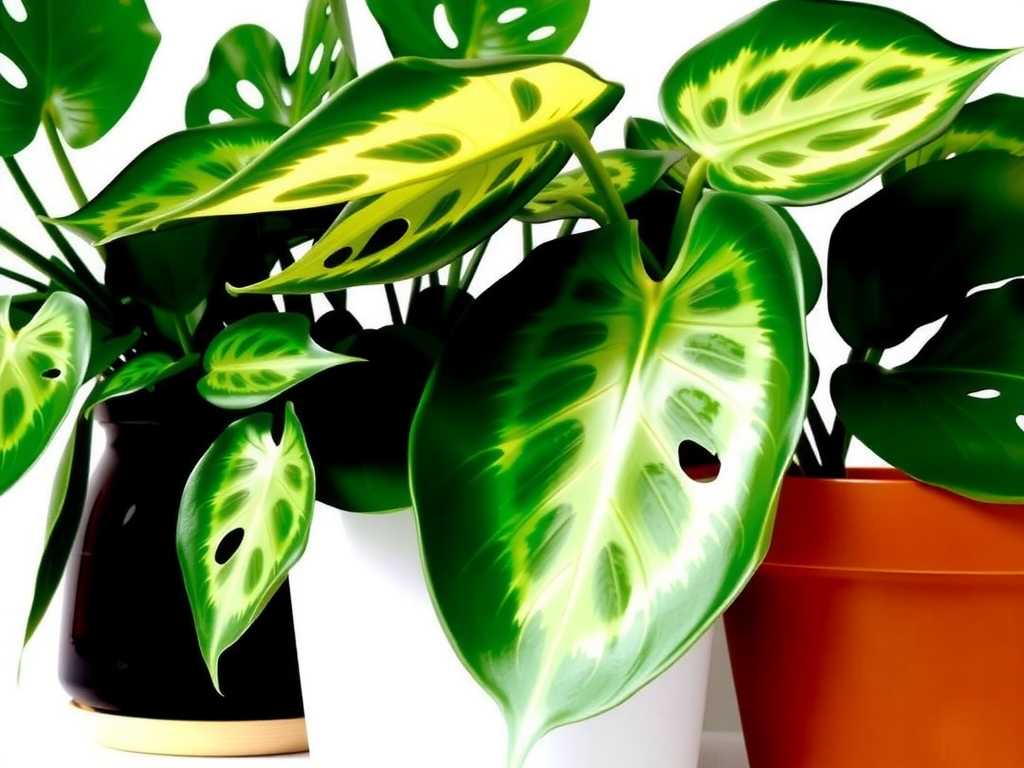
Before we dive into care, let’s understand what makes this plant special. The standard Monstera siltepecana is known for its metamorphic leaves—starting small, silver, and full of holes as a juvenile, eventually maturing into large, solid green, split leaves when it finds a support to climb. The variegated version adds another layer of complexity. Its leaves display stunning patches, streaks, or marbling of white, cream, or pale yellow alongside the classic silver and green.
This variegation is due to a genetic mutation that causes a lack of chlorophyll in certain cells. While breathtaking, it means those sections can’t contribute to photosynthesis. This makes the plant slightly more delicate than its all-green counterpart. It grows slower and requires more attentive light management to sustain its variegated parts without stressing the plant. The Royal Horticultural Society (RHS) notes that variegated plants often need brighter, indirect light to compensate for their reduced chlorophyll, a principle that directly applies here.
Essential Care Requirements for a Healthy Vine
Getting the basics right is non-negotiable. Here’s where I fine-tuned my routine after noticing some early issues.
Light: The Key to Vibrant Variegation This is the most critical factor. Your plant needs bright, indirect light to maintain its variegation and support growth. Direct sun, especially afternoon rays, will scorch those beautiful leaves. Too little light, and the plant will revert—pushing out more solid green leaves to maximize energy production, and the existing variegation may dull.
- My Setup & 2-Week Observation: I placed mine about 3 feet back from a large east-facing window. For the first week, I noticed minimal growth. Suspecting it needed a bit more light to energize the variegation, I moved it to a spot with bright light from a south-facing window, filtered by a sheer curtain. Within the next 7 days, I observed a visible difference: the newest small leaf began to unfurl with noticeably sharper, brighter silver variegation. The plant just looked perkier.
- The Pitfall & Solution: My initial spot was too dim. The solution was incremental movement toward better light, not a drastic shift. If you only have lower light, consider supplementing with a grow light. I use a basic LED strip for 4-6 hours on cloudy days, and it prevents any reversion.
Watering: Finding the Perfect Balance Overwatering is the fastest way to kill a Monstera siltepecana. These plants are epiphytic in nature, meaning they hate soggy feet.
- My Method: I use the “finger test.” I insert my finger into the soil up to the second knuckle. I only water when the top 1-2 inches of soil are completely dry. In my environment, this translates to watering approximately every 10-12 days.
- The Pitfall & Solution: I initially watered on a weekly schedule. By the end of week one, the soil was still moist, and I saw the very tips of two leaves turning yellow—a classic sign of overwatering. I immediately stopped, let the plant dry out thoroughly for nearly two weeks, and removed the slightly damaged leaves. Now, I strictly follow the finger test, not the calendar. Ensure your pot has excellent drainage holes.
Soil and Potting: Building the Right Foundation A well-draining, airy mix is crucial. A heavy, moisture-retentive potting mix will lead to root rot.

- My Mix Recipe: I use a blend of 50% high-quality indoor potting mix, 30% orchid bark (for chunky aeration), and 20% perlite. This creates a loose medium that allows water to flow through quickly while retaining slight moisture and oxygen around the roots.
- Repotting Tip: Repot only when you see roots circling the bottom of the pot, typically every 1-2 years. Choose a pot only 1-2 inches larger in diameter. A pot too big holds excess wet soil, risking root rot.
Humidity and Temperature: Creating a Comfortable Environment Native to tropical rainforests, this Monstera appreciates humidity above 50%. Average home humidity (around 30-40%) is often tolerable, but higher levels promote larger, healthier leaves.
- My Simple Solution: I use a pebble tray. I filled a shallow tray with pebbles and water, placing the pot on top (ensuring the pot’s base is not sitting in the water). As the water evaporates, it increases humidity around the plant. I noticed the leaves, especially during my focused observation period, remained taut and glossy without any brown, crispy edges since implementing this.
- Temperature: Keep it in a warm spot between 65°F and 80°F (18°C - 27°C). Avoid cold drafts from windows or air conditioning vents.
Advanced Tips for Propagation and Climbing
How to Propagate Monstera Siltepecana Successfully Propagating is the best way to expand your collection or share with friends. The most reliable method is stem cuttings.
- Identify a Node: Find a healthy stem with at least one node (the brown, ring-like bump where leaves and roots emerge) and one leaf.
- Make the Cut: Using sterilized scissors, cut about a quarter-inch below the node.
- Rooting Medium: You can root in water or sphagnum moss. I prefer moss for a smoother transition to soil later. I moisten the moss, wrap it around the node, and place it in a clear container with a lid (for humidity).
- My 2-Week Propagation Journal: I took a cutting with two leaves and one aerial root nub. I placed it in a vase of water, changing the water every 5 days. After 10 days, tiny white roots about 1 cm long emerged from the node. By day 14, they had grown to nearly 3 cm, and a new, tiny growth point (a bud) became visible at the node. Success!
- The Pitfall & Solution: My first attempt in soil failed because the cutting had no visible roots. It rotted. The solution is patience: always wait for roots that are at least 2-3 inches long before potting in soil.
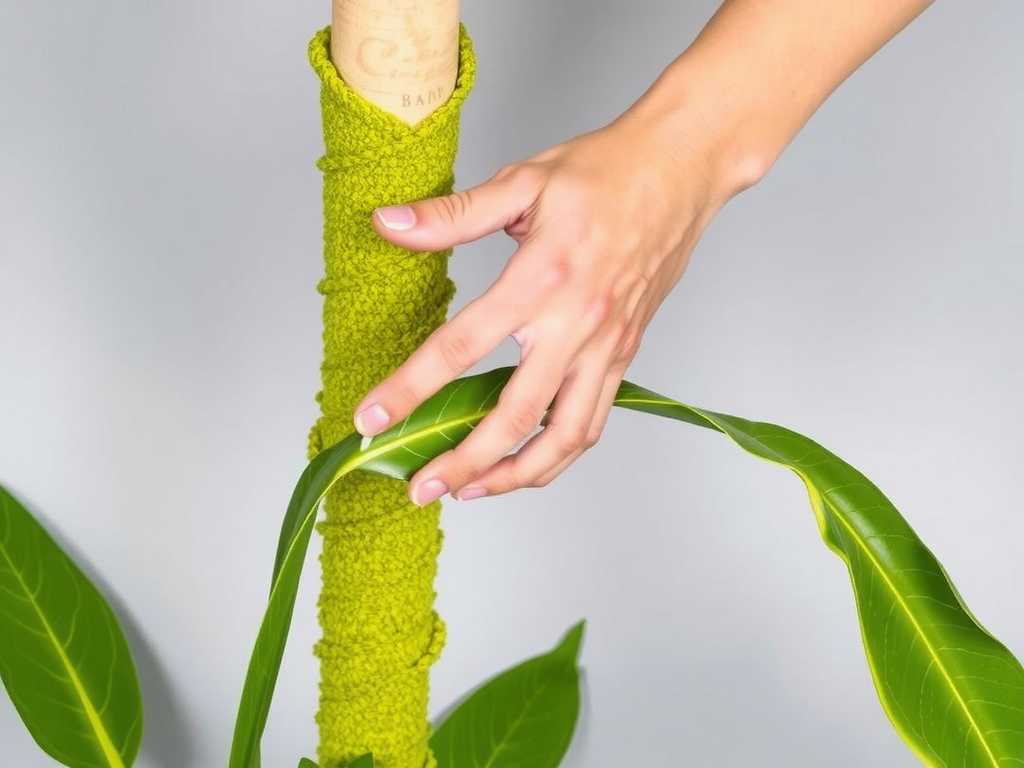
Supporting Its Climbing Habit To encourage larger, mature leaf development (with splits and lobes), give it something to climb. A moss pole is ideal.
- My Process: I inserted a moss pole into the pot when repotting. I then gently used soft plant ties to secure the main stem to the pole. I keep the moss pole slightly damp, which encourages the plant’s aerial roots to attach to it, mimicking its natural growth. According to the American Horticultural Society (AHS), providing appropriate support for climbing plants like Monstera is essential for achieving their characteristic mature foliage form.
Troubleshooting Common Problems
- Yellowing Leaves: Usually a sign of overwatering. Check your soil moisture and watering frequency.
- Brown, Crispy Leaf Edges: Typically caused by low humidity or underwatering. Increase humidity with a pebble tray or humidifier and ensure you’re watering thoroughly when you do.
- Fading or Lost Variegation: The plant isn’t getting enough light. Gradually move it to a brighter location with indirect light.
- Leggy Growth with Small Leaves: This indicates insufficient light. The plant is stretching to find a light source.
- Pests: Keep an eye out for spider mites or mealybugs. Wipe leaves regularly with a damp cloth and treat any infestations early with insecticidal soap or neem oil.
Frequently Asked Questions
How fast does variegated Monstera siltepecana grow? It’s a moderately slow grower, especially compared to all-green varieties. In ideal conditions, you might see a new leaf every 4-8 weeks during the growing season (spring and summer). My plant produced one new leaf in the first month after acclimating.
Can I make a reverted plant variegated again? If a stem has reverted to producing all-green leaves, that specific stem will not magically become variegated again. Your best course is to prune it back to a point where the last variegated leaf emerged. This encourages new growth from nodes that may carry the variegated genetics. Always propagate from the most highly variegated stems.
Is the variegated Monstera siltepecana toxic to pets? Yes. Like all Monsteras, it contains calcium oxalate crystals, which are irritating if ingested. It’s advisable to keep this plant out of reach of curious cats and dogs.
Caring for a variegated Monstera siltepecana is a deeply rewarding journey. It teaches patience and observation. The key takeaways are to provide bright, indirect light, water only when needed, offer a chunky soil mix and a moss pole to climb, and don’t stress over minor imperfections. Pay attention to what your plant is telling you—a slight change in leaf color or posture is its way of communicating. Start with the fundamentals outlined here, adjust based on your specific home environment, and you’ll be rewarded with a stunning, healthy vine that brings a touch of the tropical forest into your space.
发表评论