 admin
admin Monstera Pest Control: How to Get Rid of Mealybugs for Good
There's a special kind of dread that washes over a plant lover when you spot that first fluffy, white speck on your prized Monstera. It looks innocent enough, almost like a tiny piece of cotton. But I know, and you probably do too, that it's the calling card of the dreaded mealybug. My heart sank when I found them nestled in the crevices of my Monstera deliciosa's new leaf sheath and along the stems. These sap-sucking pests don't just mar the beauty of our lush, fenestrated leaves; they weaken the plant, stunt its growth, and can spread like wildfire if ignored. After successfully battling an infestation and restoring my plant to health over a focused two-week period, I'm here to guide you through a proven, step-by-step plan for Monstera pest control, specifically how to get rid of mealybugs.
Understanding Your Enemy: The Mealybug
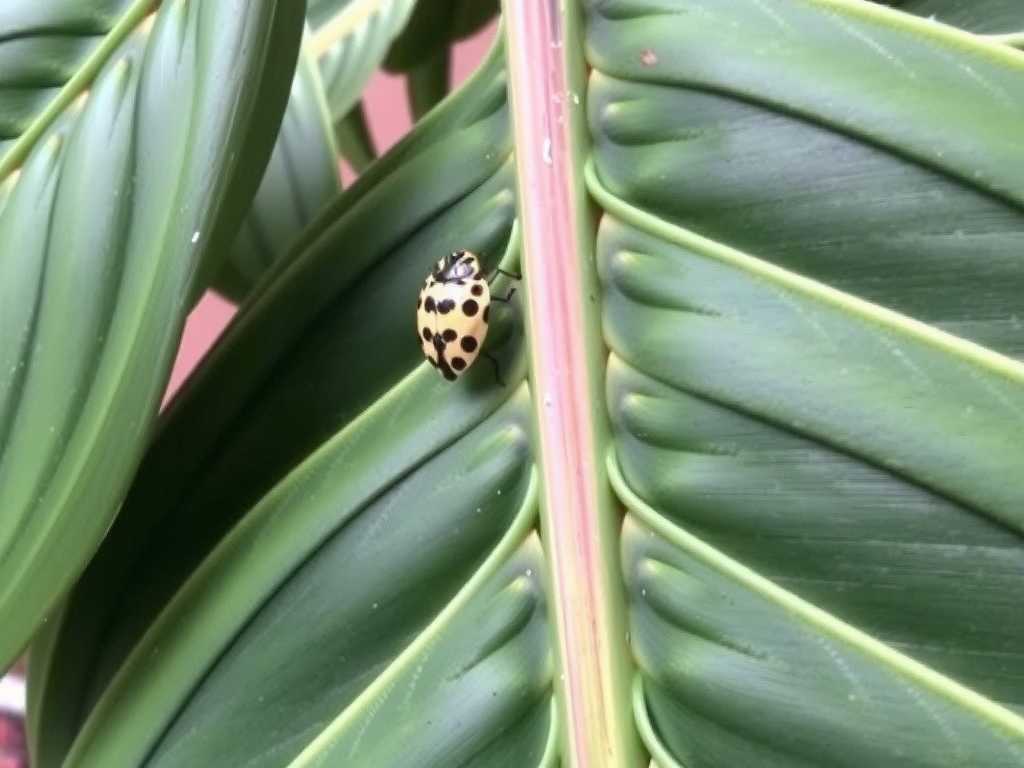
Before declaring war, you need to know what you're fighting. Mealybugs are soft-bodied insects that protect themselves with a white, waxy coating. They cluster in hard-to-see spots: the undersides of leaves, the point where the leaf meets the stem (the axil), and especially in the tight rolls of new growth. They feed by piercing plant tissue and sucking out the sap, which drains the plant's vitality and can introduce harmful pathogens. The Royal Horticultural Society (RHS) notes that their sticky honeydew excretion often leads to sooty mold, further complicating the problem by blocking sunlight from leaves.
My Two-Week Battle Plan: A Step-by-Step Guide
This isn't a one-spray fix. Mealybugs have a life cycle, and their waxy coating makes them resilient. Persistence over a 14-day period is absolutely key to breaking that cycle.
Phase 1: Immediate Isolation and Assessment (Day 1)
The moment I confirmed mealybugs, my Monstera was moved to a quarantine area away from all other plants. This is non-negotiable. I then performed a thorough inspection under bright light, using a magnifying glass to identify every single cluster. I marked heavily infested leaves with soft ties to monitor them. For severe infestations, the American Horticultural Society (AHA) suggests considering immediate removal of the worst-affected leaves to drastically reduce the pest population. I had to make the tough call to prune one beautiful but heavily-infested leaf to give the rest of the plant a fighting chance.
Phase 2: The Initial Eradication Assault (Day 1)
Physical removal is your most effective first strike. I prepared a simple solution: lukewarm water with a few drops of mild liquid dish soap (like Castile soap) in a spray bottle. Then, armed with cotton swabs and a soft toothbrush dipped in rubbing alcohol (isopropyl 70%), I got to work.
- The Alcohol Dab: I meticulously dabbed every visible mealybug and white mass with the alcohol-soaked swab. The alcohol dissolves their waxy shield on contact, effectively killing them. The toothbrush was gentle enough for the sturdy stems but effective at dislodging bugs from textured surfaces.
- The Soapy Shower: After spot-treating, I took the plant to my shower and sprayed it down thoroughly with the soapy water solution, paying special attention to the undersides of leaves and stem junctions. I let this sit for about 15 minutes, then rinsed the plant completely with a gentle stream of lukewarm water to wash away dead bugs, honeydew, and soap residue. I was careful to tip the pot to avoid over-saturating the soil.
Phase 3: The Treatment and Observation Cycle (Days 2-14)
This is where most people falter, but consistency is everything. I adopted a rotating treatment schedule to prevent the bugs from building resistance.
- Neem Oil Application (Days 2, 6, 10): I used a ready-to-use neem oil spray, ensuring it was labeled for indoor plants. Following the instructions, I sprayed every inch of the plant in the evening (to prevent potential leaf burn from sunlight) until it dripped. Neem oil works as both an insecticide and a fungicide, disrupting the pests' life cycle. The smell is strong but dissipates.
- Insecticidal Soap Spray (Days 4, 8, 12): On alternating intervals, I used a commercial insecticidal soap. Like my initial soapy spray, this coats and breaks down the pests but is formulated to be gentler on plants with repeated use. Again, complete coverage is vital.
- Daily Inspection Ritual: Every single morning, I spent 5 minutes with my magnifying glass checking all the known hideouts. Any new, tiny white specks (often crawlers, the juvenile stage) were immediately dabbed with alcohol. This daily vigilance is what truly turns the tide.
The Pitfalls I Encountered and How I Solved Them

My journey wasn't perfectly smooth. Here's where I stumbled and what I learned:
- The Overwatering Pitfall: After the first shower treatment, I was so eager to rinse the soap away that I drenched the soil. My Monstera, already stressed, started showing signs of overwatering. Solution: For subsequent treatments, I used plastic wrap to securely cover the soil surface before showering, protecting it from excess water. For spot treatments, I simply avoided spraying the soil.
- The "Out of Sight, Out of Mind" Trap: A week in, I thought I was winning. Then I spotted a healthy colony in the one place I'd forgotten: inside the aerial root sheaths. Solution: I learned to gently peel back the dry, papery sheath on the aerial roots and check inside. A cotton swab with alcohol cleaned these out perfectly.
- The Impatience Temptation: By Day 10, I saw no bugs and almost stopped treatment. Thankfully, I continued. On Day 13, I found a few newly hatched crawlers in a leaf axil. Solution: This reinforced the critical need to complete the full two-week cycle to catch any newly hatched insects before they mature and reproduce.
Signs of Success and Plant Recovery
By the end of the two weeks, my daily inspections yielded zero mealybugs. The plant, while initially stressed, began pushing out a new, healthy leaf about three weeks after the battle ended. The existing leaves regained their firmness and glossy sheen as the plant was no longer under siege. The sooty mold faded away after I gently wiped the leaves with a damp cloth.
Preventing Future Mealybug Invasions
Victory is maintaining a pest-free plant. My routine now includes:
- Weekly Inspection: A quick check of every new leaf and stem junction during my regular watering.
- Proactive Cleaning: I wipe down my Monstera's leaves monthly with a damp cloth to remove dust, which can attract pests.
- Quarantine for New Plants: Any new plant addition now spends a full month in isolation before joining the main collection.
- Optimal Health: I ensure my Monstera has the right light, nutrients, and watering schedule. A healthy plant is naturally more resistant to pests, a principle strongly supported by both RHS and AHA guidelines.
How long can mealybugs live in soil? While most feed on stems and leaves, some species, like the root mealybug, can live in soil. If you suspect this, unpot the plant, gently wash all soil from the roots, and repot in fresh, sterile potting mix. My infestation was aerial, so this wasn't necessary.
Can I use hydrogen peroxide on my Monstera for mealybugs? A diluted hydrogen peroxide solution (1 part 3% peroxide to 4 parts water) can be used as a soil drench if you suspect root mealybugs or fungal gnats, but it is not typically the primary treatment for foliage mealybugs. Spot treatment with rubbing alcohol is more targeted and effective for the bugs on the plant itself.
Will mealybugs eventually go away on their own? No, they will not. Ignoring an infestation allows the population to explode, severely weakening and potentially killing your plant. Proactive, consistent intervention is the only reliable path to success.
Winning the war against mealybugs on your Monstera is entirely possible with a methodical, patient approach. It requires accepting that it's a campaign, not a single battle. By combining immediate physical removal with a strict, rotating treatment schedule over a minimum of two weeks, and coupling that with relentless daily inspections, you can eradicate these pests. The effort is worth it to see your Monstera return to its vibrant, pest-free glory, growing vigorously once more. Remember, the best offense is a good defense—make plant inspection a regular part of your care routine.


发表评论