 admin
admin Monstera Spider Mites: My Battle-Tested Guide to Signs & Effective Treatment Methods
I’ll never forget the day I noticed my prized Monstera deliciosa looking… off. Its usually glossy, vibrant leaves seemed dull, speckled with tiny yellow dots, and a faint, almost invisible webbing clung to the underside of a new leaf. My heart sank. After years of nurturing houseplants, I knew the dreaded signs: my Monstera had spider mites. If you’re here, you might be seeing similar warning signals on your own plant. That feeling of panic, the worry about losing a beloved green companion—I’ve been there. This guide is born from that very experience. I’ll walk you through exactly how I identified the infestation, the effective treatment methods I used over a critical two-week period, the mistakes I made along the way, and how my Monstera not only recovered but thrived.
Understanding Your Enemy: What Are Spider Mites?
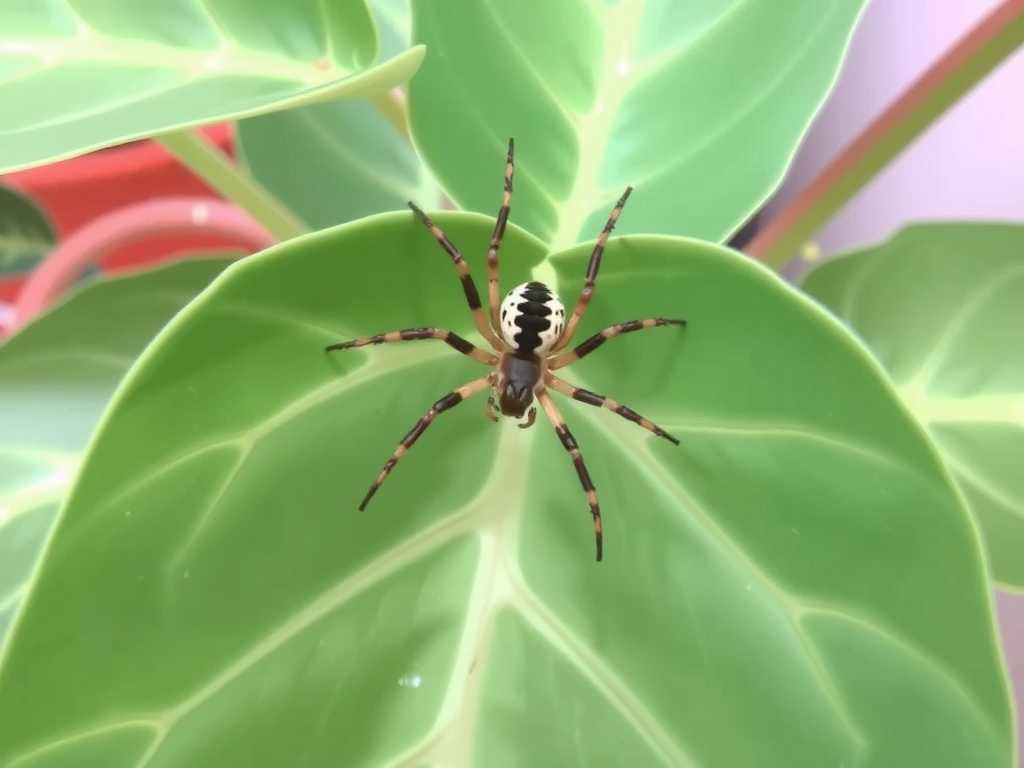
Before we dive into the battle plan, let’s understand the adversary. Spider mites are not insects but tiny arachnids, related to spiders. They’re nearly microscopic, often requiring a magnifying glass to see clearly. According to the Royal Horticultural Society (RHS), the two-spotted spider mite (Tetranychus urticae) is a common culprit on indoor plants like Monsteras. They thrive in warm, dry conditions—exactly what we often have in our homes. They pierce plant cells to feed, sucking out the chlorophyll, which leads to the characteristic stippling or speckling on leaves.
The Unmistakable Signs of a Spider Mite Infestation
Catching these pests early is half the victory. Here are the signs of spider mites on Monstera I learned to spot:
- Fine Silken Webbing: This is a classic sign, though often in later stages. Look for delicate, dusty webs at leaf junctions or under leaves. It’s their highway and breeding ground.
- Leaf Stippling: The earliest sign I missed. Tiny yellow or white dots appear on the leaf surface where the mites have fed. Initially, it looks like dust, but it doesn’t wipe away.
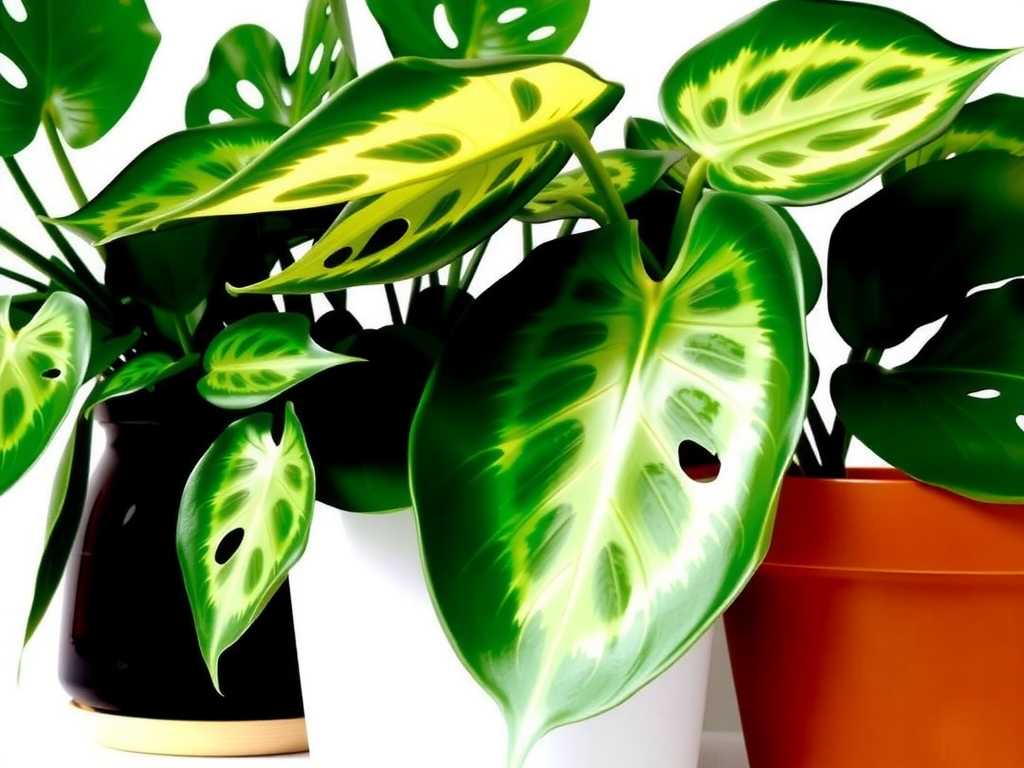
- Leaf Discoloration and Loss of Vibrancy: As feeding continues, the stippling merges into larger yellow patches. The lush green fade into a sickly, bronzed, or grayish hue.
- Leaf Drop: In severe cases, leaves turn completely yellow, curl, dry out, and fall off. My plant lost two older leaves during the worst of it.
- Visible Mites (With a Closer Look): Hold a white piece of paper under a leaf and tap it. If you see tiny, moving specks (like pepper) that start to crawl, you’ve confirmed their presence.
My 2-Week, Step-by-Step Treatment Protocol
This isn’t just theory. This is the exact how to treat spider mites on Monstera plan I executed, observing daily and adjusting as needed.
Week 1: The Initial Assault (Days 1-7)
The goal here is immediate physical removal and disruption of the colony.
- Day 1: Isolation and Inspection. I immediately moved my Monstera away from all other plants to prevent spreading. I then performed a thorough inspection with a magnifying glass, marking the worst-affected leaves with soft ties.
- Day 1: The Shower Power Wash. I took the plant to my shower or sink. Using lukewarm water and a gentle spray setting, I thoroughly rinsed the entire plant—top and bottom of every leaf, every stem, and the top layer of soil. This dislodges a massive number of mites and eggs. I let it drain completely.
- Day 2: Manual Wiping with Soap Solution. After the plant dried, I mixed a solution of 1 teaspoon of mild liquid Castile soap per liter of water. Using a soft, clean cloth, I gently wiped down every single leaf and stem. This physically removes remaining mites and smothers others. My Mistake & Fix: I used a dish soap that contained degreasers and fragrances on one leaf. It caused slight leaf burn (brown edges). I immediately switched to pure Castile soap for the rest of the plant and rinsed the affected leaf.
- Day 3: First Application of Miticide. I chose an insecticidal soap spray labeled for mite control. Following the RHS’s advice on thorough coverage, I sprayed until the solution dripped off all plant surfaces, especially the undersides. The plant was in a well-ventilated area.
- Days 4 & 5: Observation. No treatment, just close observation. I saw reduced webbing but still some active mites under magnification.
- Day 6: Second Soap Wipe/Spray. I repeated the manual wipe-down with the soapy solution to catch the next cycle of hatchlings.
- Day 7: Humidity Boost. Spider mites hate moisture. I started running a humidifier near the plant daily, aiming for above 60% humidity. I also grouped it (while still isolated) with other humidity-loving plants to create a microclimate.
Week 2: Persistence and Break the Cycle (Days 8-14)
Spider mite eggs can hatch days after initial treatment. Consistency is key.
- Day 8: Second Miticide Application. I applied the insecticidal soap spray again, ensuring full coverage. The American Horticultural Society (AHS) emphasizes that most treatments only affect nymphs and adults, not eggs, hence the need for repeated applications.
- Day 10: Neem Oil Drench. To add another mode of action, I used a neem oil solution (mixed as per instructions) as a soil drench and light foliar spray. Neem works as an anti-feedant and growth disruptor. Important: I tested it on one leaf first and applied it in the evening to avoid potential phototoxicity.
- Day 12: Another Thorough Rinse. Another gentle shower rinse to wash away dead mites, old webbing, and any residue.
- Days 13 & 14: Vigilant Monitoring. By day 14, using my magnifying glass and the paper test, I could find no signs of living mites. The yellow stippling on older leaves remained (it’s permanent damage), but the new growth emerging was clean, healthy, and unblemished.
Key Factors for Success and Common Pitfalls to Avoid
- Persistence is Non-Negotiable: One treatment won’t work. You must break their reproductive cycle over 7-14 days.
- Undersides Are Everything: 90% of the population lives here. If you don’t treat the undersides, you’re not treating the plant.
- Isolate Immediately: I cannot stress this enough. My initial delay of one day likely allowed a few mites to drift to a nearby Pothos, which I then had to treat.
- Avoid Broad-Spectrum Insecticides: Many common insecticides are ineffective against mites and can kill their natural predators, making the problem worse long-term. Stick to miticides, horticultural oils, or soaps.
- Boost Plant Health: A stressed plant is a target. After treatment, I ensured my Monstera had optimal light, consistent watering (without overwatering), and a light feeding to support recovery.
Natural Remedies vs. Chemical Miticides: My Perspective
For a moderate indoor infestation, I firmly believe a persistent, physical, and natural approach works. Insecticidal soaps, neem oil, and humidity were my primary weapons. However, for severe, recurring infestations, consulting with a professional or considering stronger miticides like abamectin or bifenazate (used as a last resort and with extreme caution indoors) might be necessary. The RHS notes that biological controls (like predatory mites Phytoseiulus persimilis) can be highly effective in greenhouse settings but are challenging to manage indoors.
How long does it take for a Monstera to recover from spider mites? The active infestation can be controlled in 2-3 weeks with consistent treatment. However, the cosmetic damage (yellow stippling) on existing leaves is permanent. The true sign of recovery is the emergence of new, perfectly healthy leaves, which can take a few months depending on the plant’s growing conditions.

Can a Monstera fully recover from spider mites? Absolutely. Monsteras are resilient plants. With prompt and thorough treatment, they will recover and continue to grow. The damaged leaves may eventually be shed naturally as the plant puts energy into new growth. I chose not to prune the speckled leaves immediately, as they were still photosynthesizing and aiding recovery.
How do I prevent spider mites from coming back? Prevention is about making your plant an inhospitable host. I now regularly mist my Monstera’s leaves (undersides too), wipe them down monthly, and maintain higher humidity, especially in winter. Quarantining any new plant for at least two weeks before introducing it to your collection is the single best preventative habit you can adopt.
Spider mites on your Monstera can feel like a crisis, but it’s a manageable one. The journey from discovering those first specks to seeing a pristine new leaf unfurl is incredibly rewarding. It taught me to be a more observant plant parent. Success lies not in a single magic potion, but in a disciplined, multi-pronged approach executed with patience over the critical two-week window. Your Monstera has the will to live; it just needs your informed and persistent help to fight back.

发表评论