 admin
admin Monstera Aphids: How to Eliminate These Tiny Pests for Good
I’ll never forget the day I spotted them. My prized Monstera deliciosa, with its magnificent, fenestrated leaves, was looking a little… off. Upon closer inspection, I saw them: clusters of tiny, pear-shaped insects, mostly a pale green, crowding the tender new growth and the undersides of leaves. My heart sank. Aphids had invaded. If you’re reading this, you likely know that sinking feeling too. These tiny pests suck the sap from your plant, causing yellowing, curling leaves, and a sticky residue called honeydew that can lead to sooty mold. But don’t panic. After a dedicated, two-week battle and learning from my mistakes, I successfully saved my Monstera. This is my complete, step-by-step guide on how to get rid of aphids on Monstera plants, based on real, hands-on experience.
Understanding Your Enemy: The Monstera Aphid
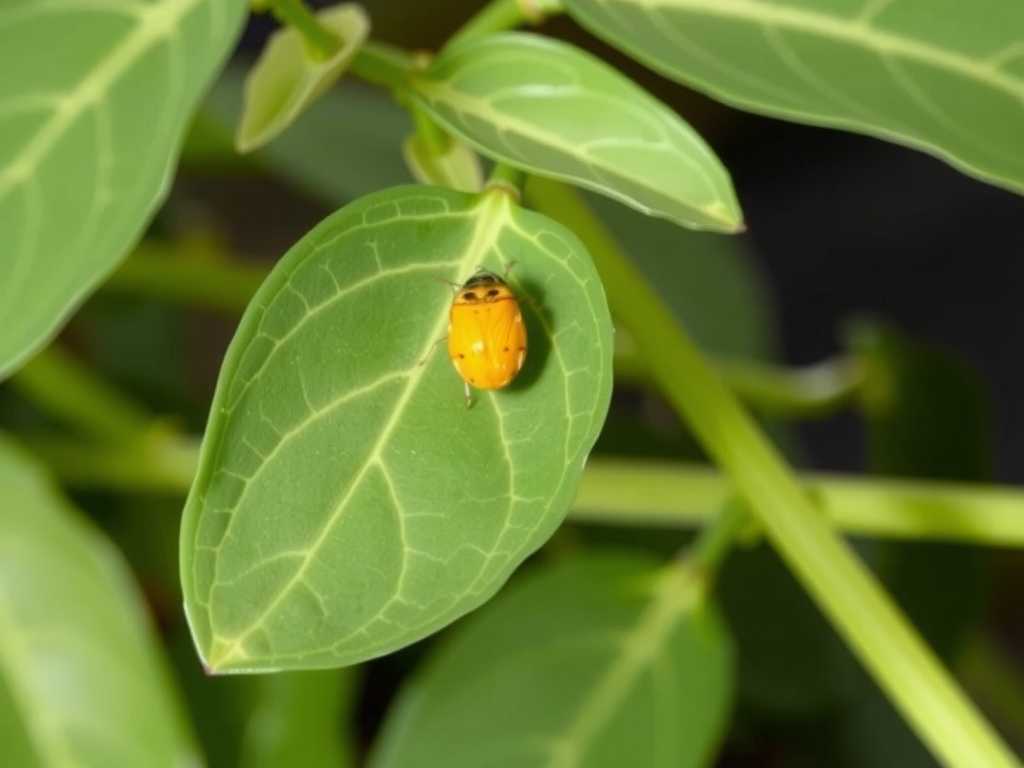
Before you start any treatment, it’s crucial to know what you’re dealing with. Aphids are soft-bodied insects that reproduce incredibly fast. They’re often found on new shoots and the undersides of leaves because the tissue is softer there, making it easier for them to pierce and feed. The honeydew they excrete is a double curse—it’s not only unsightly but also attracts ants and fosters fungal growth. The Royal Horticultural Society (RHS) notes that while aphids rarely kill a mature, healthy plant outright, a severe infestation can severely weaken it, stunt growth, and make it susceptible to viruses. My goal wasn’t just to knock back the population but to eliminate them completely and prevent their return.
My 2-Week Elimination Protocol: A Step-by-Step Journey
This wasn’t a one-spray fix. Aphids have a rapid life cycle, so any effective treatment must be persistent over time to catch newly hatching nymphs. I committed to a two-week protocol, inspecting and treating my plant every 3-4 days.
Week 1: The Initial Assault and Isolation
The moment I confirmed the infestation, I sprang into action. My first step was immediate isolation. I moved my Monstera away from all my other houseplants to prevent the aphids from spreading. This is non-negotiable.
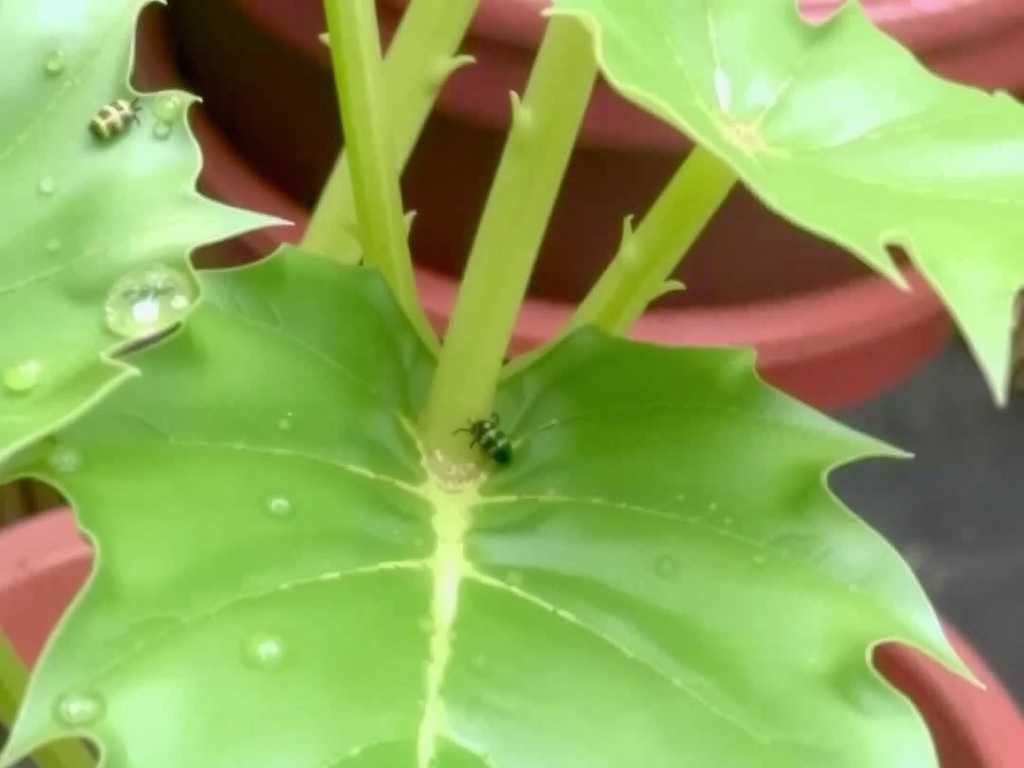
- Step 1: The Initial Physical Removal and Shower. I took the plant to my shower or bathtub. Using a gentle stream of lukewarm water, I thoroughly sprayed down the entire plant, paying special attention to the undersides of every single leaf and the crevices where the leaf meets the stem. This dislodged a significant number of aphids. I let the plant drip-dry in the tub.
- Step 2: Manual Wiping and Pruning. For leaves with heavy clusters, I used a soft cloth or cotton swab dipped in a mild soapy water solution (1 teaspoon of mild liquid Castile soap per liter of water) to gently wipe the pests away. I also made the tough decision to prune one severely infested new leaf. It hurt, but it removed a major breeding ground. The American Horticultural Society (AHS) recommends similar non-chemical controls first, emphasizing that physically removing pests is a highly effective first line of defense.
- Step 3: First Application of Insecticidal Soap. After the plant was dry, I applied a ready-to-use insecticidal soap spray, coating all surfaces until they were dripping. I made sure to get every nook and cranny. The plant went back to its isolated spot.
The First Mistake and Correction
Here was my first mistake: I treated the plant but not its environment. Three days later, during my check, I saw a few aphids crawling on the outside of the pot and on the shelf nearby. I realized they must have fallen off during the shower and hitchhiked back. Correction: For the next treatment, I thoroughly cleaned the pot’s exterior, the saucer, and the entire isolation area with soapy water. I also placed the pot on a clean surface.
Week 2: Persistence and Breaking the Cycle
Mid-week, I inspected again. I saw a handful of live aphids on a lower leaf—likely survivors or newly hatched from eggs I missed. The battle wasn’t over.
- Step 4: Second Treatment and Diligent Inspection. I repeated the shower and insecticidal soap process. This time, I was even more meticulous, using a magnifying glass to check the tiniest crevices. I found a few hiding in the sheath of an unfurling leaf—a spot I’d missed before.
- Step 5: Introducing a Neem Oil Follow-Up. Two days after the soap spray, I applied a neem oil solution as a preventative measure. I mixed neem oil concentrate (as per label instructions) with a little Castile soap as an emulsifier. Neem oil works as both an antifeedant and a growth disruptor for insects. I sprayed it in the evening to prevent potential leaf burn from sunlight.
- Step 6: The Final Check and Environmental Tweaks. At the end of the two weeks, after three rounds of treatment, I conducted a final, thorough inspection. No live aphids were found. I also assessed my plant’s growing conditions. Stressed plants are more vulnerable. I ensured my Monstera was getting appropriate, bright indirect light and that I wasn’t over-fertilizing (excess nitrogen can promote the soft, sappy growth aphids love).
Observations and Results After 2 Weeks
The transformation was clear. The stickiness (honeydew) on the leaves was gone. The new growth, which had been slightly distorted, began to unfurl normally without any pests attached. The existing leaves regained their vigor and showed no further yellowing. Most importantly, through consistent, repeated efforts, I broke the aphid reproductive cycle. The plant was clean, healthy, and pest-free.
Preventing Future Aphid Infestations on Your Monstera
Elimination is only half the victory. Prevention is key. I now make a habit of closely inspecting all my plants, especially new additions which I quarantine for at least two weeks. I regularly wipe down my Monstera’s large leaves with a damp cloth, which not only keeps them dust-free but also allows me to check for pests. I’ve also become more mindful of not overwatering or over-fertilizing, as healthy plants are naturally more resilient.
What are the first signs of aphids on a Monstera? Look for clusters of tiny, pear-shaped insects on new growth and leaf undersides. Other telltale signs include a sticky residue on leaves or surfaces below the plant, yellowing or curling leaves, and the presence of ants, which are attracted to the honeydew.
Can I use homemade sprays to kill aphids on Swiss Cheese Plants? Yes, a simple spray of mild liquid soap (like Castile soap) and water can be very effective for mild infestations. It works by breaking down the aphids’ protective outer layer. Always test it on a small part of a leaf first and rinse the plant after a few hours to prevent soap buildup. For persistent problems, commercial insecticidal soaps or neem oil are more reliable.
Will aphids from my Monstera spread to my other houseplants? Absolutely, and very quickly. Aphids can crawl or be carried by wind or even on clothing. This is why immediate isolation of the infested plant is the most critical first step you can take to protect your entire plant collection.
Dealing with Monstera aphids requires patience, consistency, and a keen eye. There’s no single magic solution, but a multi-step approach of physical removal, targeted treatment, and persistent follow-up is overwhelmingly effective. By acting quickly, learning from oversights like cleaning the surrounding area, and committing to a two-week plan, you can rescue your plant. Remember, a healthy Monstera is your best defense. With regular care and inspection, you can enjoy those beautiful, split leaves without the worry of these tiny, sap-sucking pests.
发表评论