 admin
admin Monstera Scale Insects: Your Complete Guide to Identification and Removal
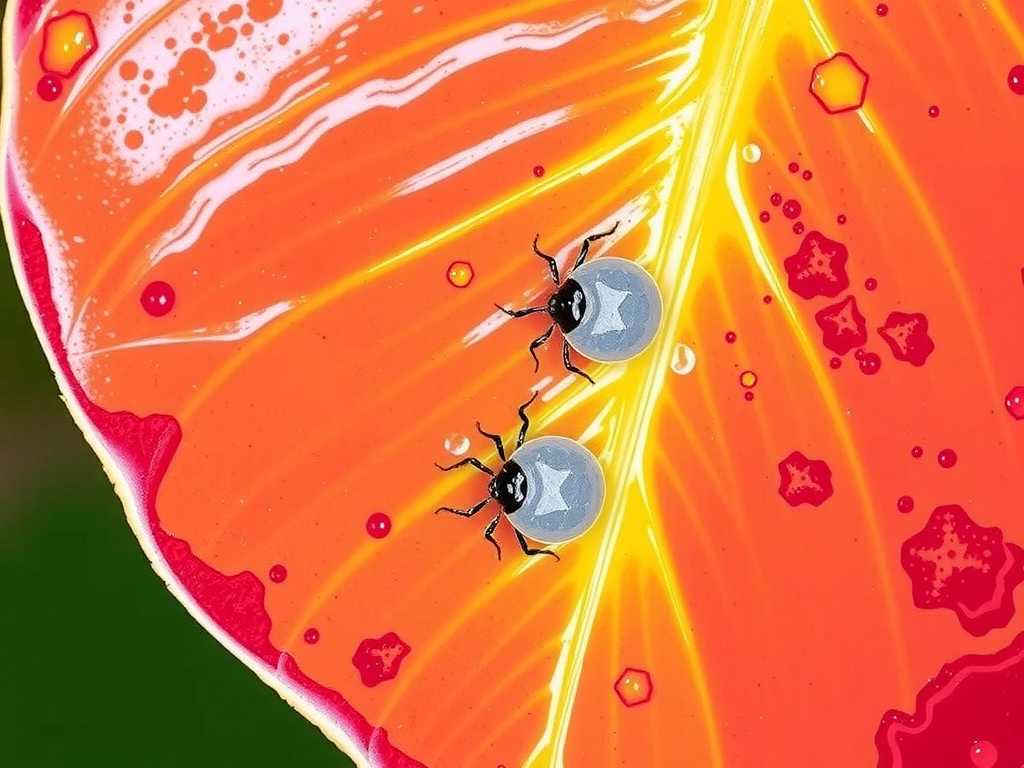
I’ll never forget the day I noticed something was off with my prized Monstera deliciosa. Its usually glossy, vibrant leaves had lost their luster, feeling sticky to the touch. Upon closer inspection, I found strange, brownish, bump-like growths clinging stubbornly to the stems and the undersides of the leaves. My heart sank. My beautiful plant was under attack by Monstera scale insects. If you’re here, you’ve likely spotted similar signs. That sticky residue (honeydew) and those odd bumps are classic indicators of a scale infestation, a common but daunting problem for indoor plant enthusiasts. This guide is born from my two-week battle to save my plant, packed with practical scale insect removal tips and hard-earned lessons.
Understanding Your Enemy: What Are Scale Insects on Monsteras?
Before you can fight them, you need to know what you’re dealing with. Scale insects are sap-sucking pests that protect themselves with a hard or soft, shell-like covering. They attach themselves to your Monstera and barely move, making them look more like a plant disease than an insect. According to resources from the Royal Horticultural Society (RHS), there are two main types you’ll encounter: hard scale (like the common brown scale) and soft scale. On Monsteras, you often find soft scale insects, which are the primary producers of that frustrating honeydew.

This honeydew is more than just a nuisance; it creates the perfect environment for sooty mold, a black, fungal growth that can further block sunlight from your plant’s leaves, hampering photosynthesis. Left unchecked, a severe infestation will lead to yellowing leaves, stunted growth, and a severely weakened plant.
Step-by-Step: How to Get Rid of Scale on Monstera Plants
This is the exact, multi-pronged strategy I followed over a dedicated two-week period. Patience and consistency are your greatest tools.
1. Isolation and Initial Assessment The moment I confirmed the infestation, I moved my Monstera away from all other houseplants. Scale can spread, so quarantine is non-negotiable. I then placed the plant in my bathtub and gave it a gentle but thorough shower with lukewarm water. This helped dislodge some of the younger, less secure crawlers (the mobile juvenile stage) and wash away existing honeydew.
2. The Manual Removal Process This is the most critical and labor-intensive step. Armed with cotton swabs and a bowl of 70% isopropyl alcohol (rubbing alcohol), I inspected every single leaf—top and bottom—and every stem.
- Method: I dipped a swab in alcohol and dabbed it directly onto each scale insect. The alcohol dissolves the insect’s waxy coating and kills it on contact. For larger clusters, I used a soft toothbrush dipped in the alcohol solution to gently scrub them away.
- The Key Lesson: You must be meticulous. I missed a few scales hidden in the crevices where the leaf meets the stem, and they repopulated within days. After this realization, I used a magnifying glass for my second and third inspections.
3. Applying an Insecticidal Soap Treatment After manual removal, I treated the entire plant with a ready-to-use insecticidal soap spray, ensuring complete coverage, especially under the leaves. Insecticidal soap works by breaking down the insects’ outer layer and is effective against the softer-bodied crawlers. I applied this once every 4-5 days over the two weeks, for a total of three applications. Always test any spray on a small, inconspicuous part of the leaf first and follow the product label instructions.
4. Introducing a Systemic Insecticide (For Persistent Cases) Because my infestation was moderate, I decided to use a systemic insecticide as a backup measure. I used a product containing imidacloprid, in the form of a granule that I mixed into the top layer of soil. As the plant takes up this solution through its roots, it makes the sap toxic to sucking insects. The American Horticultural Society (AHA) notes that systemics can be highly effective for hard-to-control pests like scale but should be used judiciously and kept away from pollinators if used on outdoor plants.
5. Ongoing Care and Monitoring I did not repot my Monstera immediately, as the stress could have been too much. Instead, I focused on providing optimal care to help it recover: bright, indirect light, consistent watering (allowing the top inch of soil to dry out), and I held off on fertilizing until I saw new, healthy growth.
My Two-Week Observation Log and The Pitfalls I Encountered
Days 1-3: After the initial shower and first manual removal/insecticidal soap application, the plant looked cleaner but slightly stressed. The sticky honeydew was gone. Pitfall #1: I used a neem oil solution I had mixed myself, but it was too concentrated. It caused some minor leaf burn on a few older leaves. Solution: I immediately rinsed the leaves and switched to a commercial, pre-diluted insecticidal soap for subsequent treatments.
Days 4-7: I spotted a few new, tiny scale insects. This was disheartening but expected—I had likely missed their eggs or very young crawlers. I repeated the manual dabbing with alcohol. Pitfall #2: I was not checking the neighboring plants thoroughly enough. I found a single scale on a nearby Pothos. Solution: I immediately treated all plants in the vicinity as a preventative measure, not just the infected Monstera.
Days 8-14: By the second manual removal and third insecticidal soap spray, I found dramatically fewer scales. The systemic insecticide had likely started working. New growth emerged without any signs of pests. The leaves began to regain their shine, and there was no new honeydew.
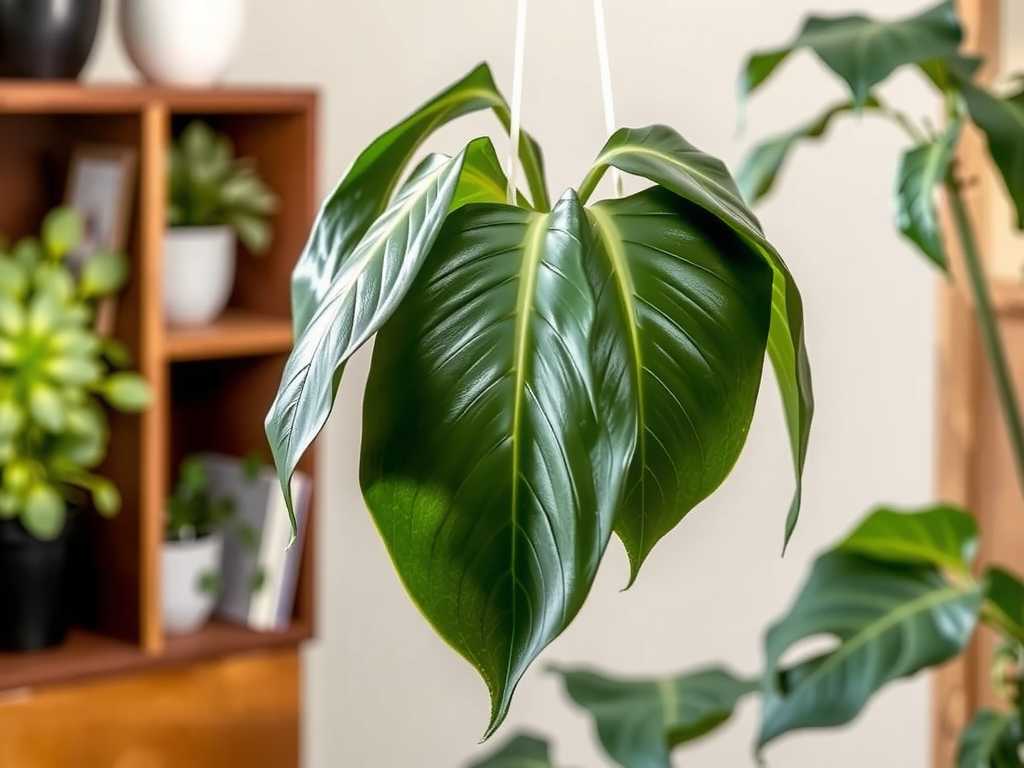
The Outcome: After two weeks of relentless monitoring and treatment, my Monstera was declared scale-free. It took another month of observation to be completely confident. The plant has since put out several large, healthy, and perfectly clean leaves.
Preventing Future Scale Infestations on Your Monstera
The best cure is prevention. My routine now includes:
- Regular Leaf Inspections: Every time I water, I quickly check the undersides of a few leaves.
- Prompt Isolation: Any new plant stays in quarantine for at least two weeks before joining the others.
- Optimal Health: A healthy, unstressed plant is more resistant. I ensure proper light, water, and humidity levels.
- Cleaning: I occasionally wipe down leaves with a damp cloth to remove dust, which also gives me a chance to inspect.
How long does it take to get rid of scale on Monsteras? With consistent, thorough treatment, you can control an active infestation within 2-3 weeks. However, eggs can hatch in cycles, so continued monitoring for a full month is crucial to ensure they are completely eradicated.
Can I use vinegar to kill scale on plants? While some home remedies suggest diluted vinegar, I do not recommend it. Vinegar is acidic and can easily damage or burn the delicate leaves of your Monstera. Safer, proven options like isopropyl alcohol (for spot treatment) and insecticidal soaps are far more reliable and less risky for your plant.
Will scale spread to my other houseplants? Yes, scale insects can spread, especially via the mobile crawler stage. They can be carried by wind, on clothing, or by the plant leaves touching. This is why immediate isolation of the infected plant and preventative checks on nearby plants are absolutely essential steps.
Dealing with scale insects is a test of patience for any plant lover. The journey from that first sticky leaf to a thriving, pest-free Monstera taught me the importance of observation, consistency, and not being afraid to use the right tools for the job. Remember, early detection is your biggest advantage. By combining immediate physical removal with targeted treatments and fostering a healthy environment, you can absolutely save your plant and enjoy its magnificent foliage for years to come.

发表评论