 admin
admin Monstera Thrips: How to Treat & Prevent Infestations
I remember the exact moment my heart sank. I was admiring the glossy, fenestrated leaves of my prized Monstera deliciosa when I noticed them: tiny, slender, pale-yellow insects darting across the underside of a leaf. Worse, the leaf itself had a strange, silvery sheen and small black specks. My plant had Monstera thrips. If you're reading this, you might be facing that same wave of panic and frustration. These tiny pests are incredibly destructive, often going unnoticed until significant damage is done. But don't worry—after battling them firsthand and saving my plant, I'm here to guide you through a proven, step-by-step process to eliminate them for good.
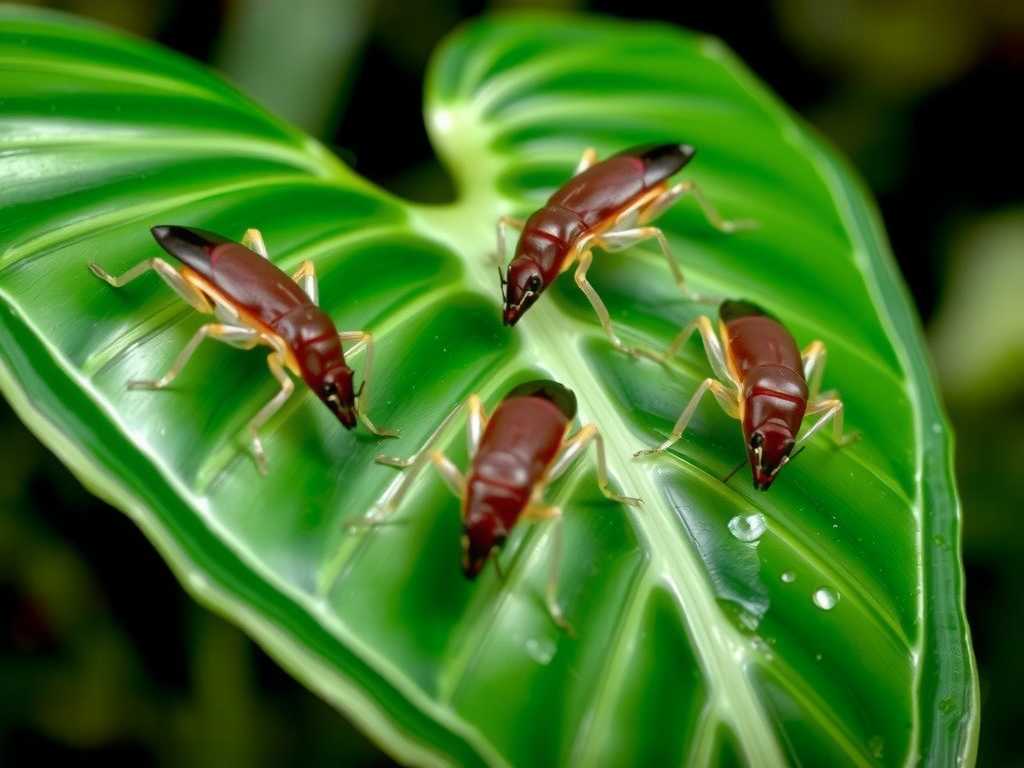
Understanding your enemy is the first step. Thrips are minuscule, fringe-winged insects that pierce plant cells and suck out the contents. On Monsteras, they love the tender new growth and the undersides of leaves. The damage starts as silvery streaks or speckles (from the emptied cells), progresses to distorted, stunted growth, and leaves behind those tell-tale black specks, which is their excrement. According to research cited by the Royal Horticultural Society (RHS), thrips can also transmit harmful plant viruses, making early control critical.
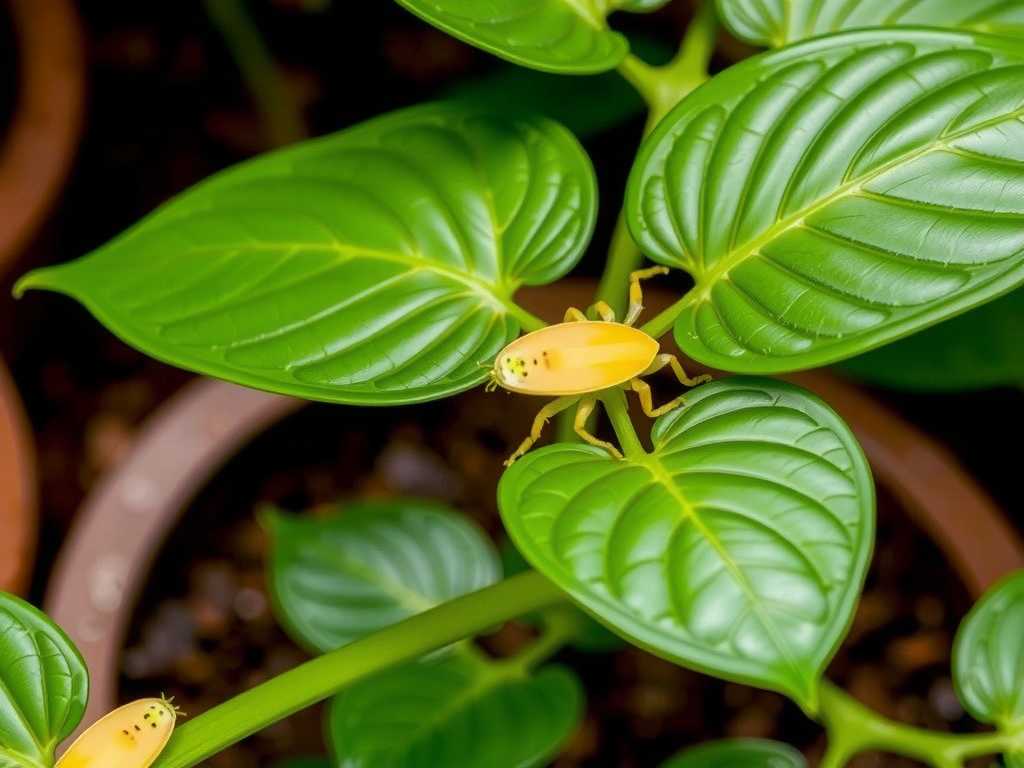
Identifying a Thrips Infestation on Your Monstera
Before you start any treatment, confirm you're dealing with thrips. Look for these unmistakable signs:
The most obvious symptom is the silvery, scarred patterning on the leaves. It looks almost like the leaf has been lightly sandpapered or is reflecting light in a strange, speckled way. You might also see tiny black "varnish-like" flecks scattered around. These are the thrips' droppings.
New leaves are particularly vulnerable. They may emerge twisted, torn, or fail to unfurl properly, as thrips feed on the delicate tissue before it hardens. In severe cases, leaves will turn brown, crisp up, and die.
For a positive ID, take a piece of white paper and gently tap the affected leaf over it. Those tiny, fast-moving specks that fall? Those are likely thrips. Adults can be yellowish or blackish and are just visible to the naked eye, while the larvae are even smaller and pale.
My 2-Week Battle Plan: How to Treat Monstera Thrips
This isn't just theory; this is the exact regimen I followed to rescue my plant. It requires consistency and patience over at least two weeks to break the thrips' life cycle.
Week 1: The Initial Assault
Step 1: Immediate Isolation and Physical Removal The moment I confirmed thrips, I moved my Monstera away from all other plants. Thrips can fly and jump, so quarantine is non-negotiable. Next, I took it to the shower or outdoors and gave it a thorough, gentle but forceful spray with lukewarm water. This dislodges a large number of adults and larvae. I paid special attention to the undersides of every single leaf and along the stems.
Step 2: Pruning and Sanitation I assessed the damage. Any leaf that was more than 50% damaged or severely distorted, I pruned off at the stem. This removes a significant portion of the pest population and eggs embedded in the tissue. I immediately sealed these clippings in a plastic bag and disposed of them in the outside trash—never in the compost.
Step 3: First Application of Insecticidal Soap After the plant dried, I applied a ready-to-use insecticidal soap spray. I made sure to coat every millimeter of the plant—top and bottom of leaves, stems, petioles, and even the surface of the soil. The key is complete coverage, as the soap only kills on contact. I did this in the evening to prevent potential leaf burn from sunlight.
The Mistake I Made and How I Fixed It: After the first spray, I thought I was on track. But three days later, I saw a few live thrips. I had made a classic error: I didn't repeat the treatment soon enough. Thrips eggs are laid inside the leaf tissue and are immune to sprays. They hatch a few days later, restarting the cycle. My fix was to immediately commit to a strict schedule.
Week 2: Breaking the Cycle
Step 4: Introducing a Systemic Insecticide For the next phase, I incorporated a systemic insecticide containing imidacloprid (for the soil) and continued with contact sprays. As per the American Horticultural Society's (AHS) integrated pest management guidelines, combining methods is often most effective for persistent pests. I carefully applied the systemic granules to the soil and watered it in. This gets absorbed by the roots, making the plant itself toxic to sucking insects for several weeks.
Step 5: Consistent Follow-Up Sprays I re-applied the insecticidal soap spray every 4-5 days for two weeks. This timing is crucial to catch the newly hatched nymphs before they mature and lay more eggs. I alternated between insecticidal soap and a neem oil solution (mixed with a little mild soap as an emulsifier) to prevent the pests from potentially building tolerance.
Step 6: Sticky Trap Monitoring I placed bright blue sticky traps in the pot. Blue is particularly attractive to thrips. These didn't control the infestation alone but served as an excellent monitoring tool. Seeing fewer and fewer thrips stuck on them each week was a huge morale booster and confirmed my treatment was working.
The Observation Log: What Happened Over 14 Days
- Days 1-3: After the initial wash and spray, the plant looked wet and somewhat stressed, but the visible adult thrips were gone.
- Days 4-5: I spotted a few new nymphs (my wake-up call to be more diligent). The sticky trap caught several adults.
- Days 6-10: After the second soap spray and the systemic taking effect, I noticed a dramatic decline. New nymphs were absent, and traps had fewer insects.
- Days 11-14: By the end of the second week, I could not find a single live thrip on inspection or on the traps. The existing leaf damage remained (it's permanent), but the newest emerging leaf was clean, unfurled normally, and showed no signs of distortion.
Preventing Future Thrips Infestations
Treatment is only half the battle. Prevention is how you keep your Monstera thriving.
Routine Inspection is Your Best Defense I now make it a habit to closely inspect my Monstera, especially new growth and leaf undersides, every time I water. Early detection makes any problem infinitely easier to manage.
Boost Your Plant's Natural Health A stressed plant is a target. I ensure my Monstera gets appropriate, bright indirect light, and I water it only when the top few inches of soil are dry. I also feed it with a balanced, diluted fertilizer during the growing season to support robust growth.
Quarantine All New Plants This is the rule I learned the hard way. Every new plant now spends at least 2-3 weeks in a separate room. I inspect and often give a preventative spray of neem oil before it ever joins my collection.
Maintain a Clean Environment I regularly wipe down my Monstera's leaves with a damp cloth. This not only keeps them photosynthesizing efficiently but also disturbs any potential pest that might try to settle. I also keep the area around my plants free of fallen leaf debris.
What is the fastest way to get rid of thrips on Monstera? The fastest effective method combines immediate physical removal (strong water spray, pruning), followed by consistent applications of an insecticidal soap or neem oil spray every 4-5 days for two weeks. For severe cases, incorporating a systemic insecticide into the soil provides longer-lasting protection from the inside out.
Can a Monstera recover from thrips damage? Yes, absolutely. While the silvery scars and black specks on existing leaves are permanent, the plant itself can fully recover. Once the pests are eliminated, your Monstera will direct its energy into producing new, healthy, undamaged leaves. You can prune away the most severely damaged older leaves over time as the plant puts out new growth.
How did my Monstera get thrips in the first place? They most commonly hitchhike in on new plants. They can also come in through open windows, on cut flowers, or even on your clothing if you've been near an infested plant outdoors. This is why quarantine and regular inspection are so vital for prevention.
Winning the war against Monstera thrips is entirely possible. It demands a vigilant eye, immediate action, and unwavering consistency over a two-week period. The process I followed—isolation, physical cleaning, targeted sprays on a strict schedule, and the strategic use of systemics—saved my plant. Remember, the damage you see tells the story of the past; your consistent care now writes the story of your Monstera's healthy, pest-free future. Stay patient, be thorough, and your leafy friend will thank you with lush, beautiful growth.

发表评论