 admin
admin Monstera Whiteflies: A Complete Guide to Control Methods for Indoor Plants
I’ll be honest—the first time I saw those tiny, moth-like insects fluttering up from my beloved Monstera deliciosa, my heart sank. I’d nurtured that plant from a single leaf, and suddenly it was under siege. Whiteflies on Monsteras aren’t just a nuisance; they’re a persistent threat that can weaken your plant, cause yellowing and leaf drop, and spread rapidly to your entire indoor jungle. If you’re staring at a cloud of tiny white pests every time you brush against your plant’s leaves, you’re in the right place. This guide is born from my own frustrating, two-week battle against a severe Monstera whiteflies infestation. I’ll walk you through every control method I tried, what actually worked, the mistakes I made along the way, and how you can save your plant.
Understanding Your Enemy: The Monstera Whitefly
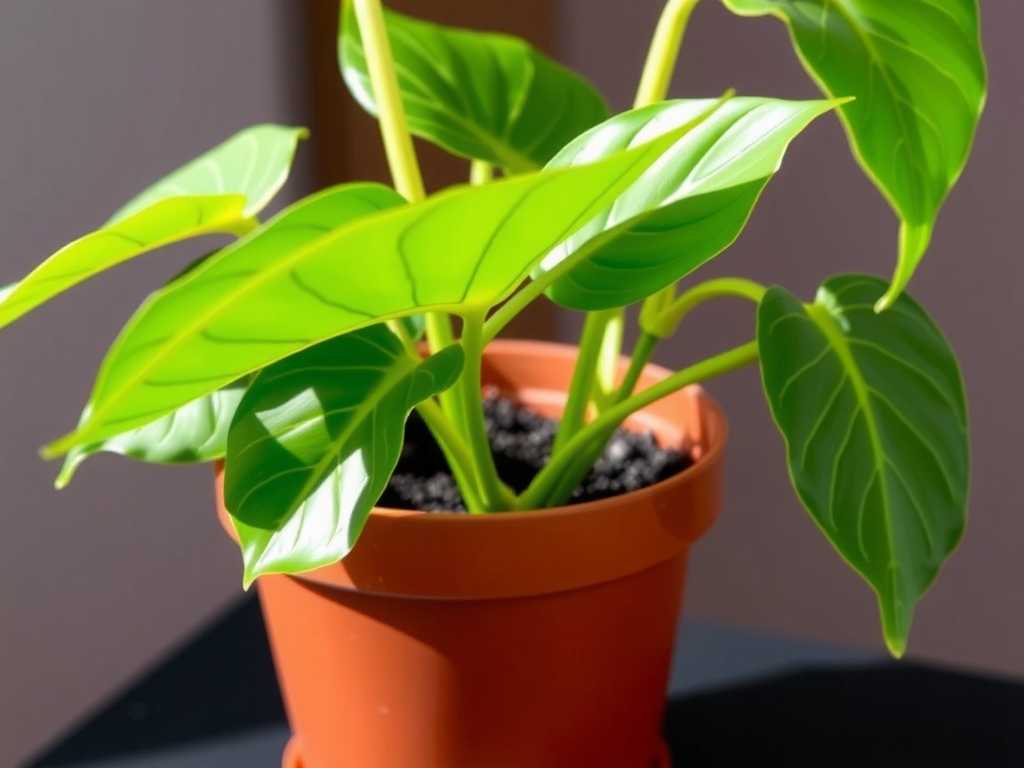
Before you can win the war, you need to know what you’re fighting. Whiteflies are not true flies but are related to aphids and scale. They congregate on the undersides of leaves, where both adults and nymphs suck sap, draining your Monstera’s vitality. Their feeding secretes a sticky substance called honeydew, which leads to sooty mold—an ugly black fungus that further stresses the plant. According to the Royal Horticultural Society (RHS), whiteflies thrive in warm, sheltered environments, making our cozy homes and greenhouses perfect breeding grounds. Their rapid lifecycle means a small problem can explode in a matter of weeks.
My Initial Assessment and Immediate Action
Upon confirming the infestation (a gentle shake of the stem sent up a small cloud), I immediately quarantined my Monstera. This is non-negotiable. I moved it to a separate room, away from all other plants. My first goal was to reduce the adult population. I grabbed a handheld vacuum with a soft brush attachment and gently vacuumed the leaves, especially the undersides, every morning for three days. This physically removed a startling number of adults. It’s a quirky but highly effective first strike I learned from a veteran horticulturist.
The Two-Week Treatment Protocol: What I Did
I committed to a consistent, multi-pronged approach for a full 14 days, knowing that breaking the reproductive cycle was key.
Week 1: Aggressive Intervention
My strategy combined physical, biological, and low-toxicity chemical methods.
1. The Soap and Water Blitz (Days 1-7) I started with a classic insecticidal soap spray. I mixed 1.5 teaspoons of a pure, liquid Castile soap with 1 liter of lukewarm water in a spray bottle. Here’s my crucial step: I first wiped down every single leaf, top and bottom, with a soft cloth dampened with plain water to remove honeydew and sooty mold. Then, in the evening (to avoid sun-scorch), I thoroughly drenched the entire plant, ensuring the soapy solution coated every inch, particularly the leaf undersides. I repeated this every other day for the first week.
- The Mistake I Made: On day 3, I got overzealous and sprayed in the morning before work. My Monstera was near a bright window, and the soapy water magnified the light, causing slight leaf burn on two older leaves. The Fix: I immediately rinsed the leaves with clean water and stuck strictly to evening applications.
2. Introducing Sticky Traps (Day 1 Onward) I placed bright yellow sticky traps in the pot and hung one nearby. These are fantastic for monitoring and trapping adult whiteflies. Within hours, they were dotted with white. The American Horticultural Society (AHS) notes that yellow sticky traps are a cornerstone of integrated pest management (IPM) for flying pests. They don’t solve the nymph problem but drastically cut down on egg-laying adults.
3. The Alcohol Swab Detail (Days 2, 4, 6) On alternate days from the soap spray, I performed a targeted attack. Using a cotton swab dipped in 70% isopropyl alcohol, I meticulously wiped the underside of every leaf, focusing on the pale, scale-like nymphs and the tiny, oval eggs. This is labor-intensive but incredibly effective for spot treatment.
Week 2: Persistence and Observation
The fluttering had reduced dramatically, but I knew nymphs were still hatching.
1. Shifting to Neem Oil (Days 8, 11, 14) For the second week, I switched to a neem oil solution. I combined 1 teaspoon of cold-pressed neem oil and ½ teaspoon of Castile soap with 1 liter of warm water, shaking vigorously. Neem oil works as both an insecticide and a growth disruptor. I sprayed just as thoroughly as before, every three days. The key is consistency—neem breaks down and must be reapplied.
2. Soil Inspection and Top-Dressing I carefully scraped back the top inch of soil. Whitefly pupae can sometimes hide there. I removed this soil and replaced it with a fresh, sterile potting mix. I also let the soil dry out more between waterings, as whiteflies are attracted to moist, humid conditions.
The Results After 14 Days
By day 10, the sticky traps showed only a couple of new adults. By day 14, a vigorous shake of the plant yielded no white cloud. The nymphs were gone. The plant’s new growth, which had been slightly stunted, began to unfurl clean and healthy. The existing leaves remained slightly speckled from the old damage, but the active infestation was defeated. The most important lesson? Persistence is everything. I didn’t miss a single treatment.
Long-Term Prevention and Plant Health
Eradicating whiteflies on indoor plants is only half the battle. Keeping them away requires a shift in care.
- Regular Leaf Inspection: I now make inspecting the undersides of my Monstera leaves part of my weekly watering routine.
- Optimized Environment: I increased air circulation around my plant with a small, oscillating fan. Whiteflies dislike breezy conditions.
- Avoiding Over-Fertilization: Lush, soft growth from excess nitrogen is a whitefly magnet. I now use a balanced, diluted fertilizer only during the growing season.
- Quarantine for New Plants: Any new plant addition now spends a mandatory 2-3 weeks in isolation after a thorough preventative neem oil spray.
When to Consider Stronger Measures
For minor infestations, the above protocol is sufficient. However, for severe, recurring problems with controlling whiteflies on Monsteras, you may need to consider systemic insecticides. These are taken up by the plant’s roots and make the sap toxic to sucking insects. Products containing imidacloprid can be very effective but should be used as a last resort indoors, especially if you have pets or children. Always follow label instructions precisely.
How do I know for sure it’s whiteflies and not another pest? The tell-tale sign is behavior. Gently disturb the plant. If tiny, white, triangular-shaped insects immediately flutter up from the undersides of the leaves and then resettle, they are almost certainly whiteflies. Mealybugs and aphids don’t fly in this manner.
Can I just use a shower to wash them off? A strong shower blast can dislodge many adults and nymphs and is a great immediate first step. However, it rarely removes all eggs, which are firmly glued to the leaf. You must follow up with consistent treatments like soap or neem oil to break the lifecycle.
My Monstera’s leaves are yellow and sticky. Will it recover? Yes, with proper care. The yellowing caused by sap loss may stabilize on existing leaves, but new growth will be healthy. Gently wipe the sticky honeydew off the leaves with a damp cloth to prevent sooty mold. Your plant’s recovery will be signaled by new, unblemished leaves unfurling. Be patient; it redirects energy to healing.
Winning the fight against Monstera whiteflies requires a calm, systematic, and persistent approach. There’s no single magic bullet, but a combination of immediate physical removal, consistent treatment with gentle insecticides like soap and neem, and diligent monitoring is profoundly effective. My two-week journey transformed a crisis into a valuable lesson in plant stewardship. By understanding the pest’s lifecycle and interrupting it methodically, you can restore your Monstera to health and protect your indoor oasis for the long term.

发表评论