 admin
admin Monstera Fungus Gnats: How to Get Rid of Soil-Dwelling Pests for Good
If you’ve noticed tiny, dark flies fluttering around your beloved Monstera, especially when you water it, you’re not alone. I’ve been there, staring in frustration at the cloud of pests that seemed to materialize from my plant’s beautiful, chunky soil. These are fungus gnats, and while the adults are a nuisance, their larvae lurking in the top few inches of soil are the real problem, munching on organic matter and, more worryingly, delicate root hairs. This can stunt your plant’s growth, leaving your Monstera looking sad and struggling. After battling multiple infestations, I developed a proven, step-by-step strategy that finally broke the cycle. This guide is my firsthand account of exactly how to get rid of fungus gnats on Monstera plants, sharing what worked, what didn’t, and the critical observations from my two-week treatment window.
Understanding Your Enemy: The Fungus Gnat Life Cycle
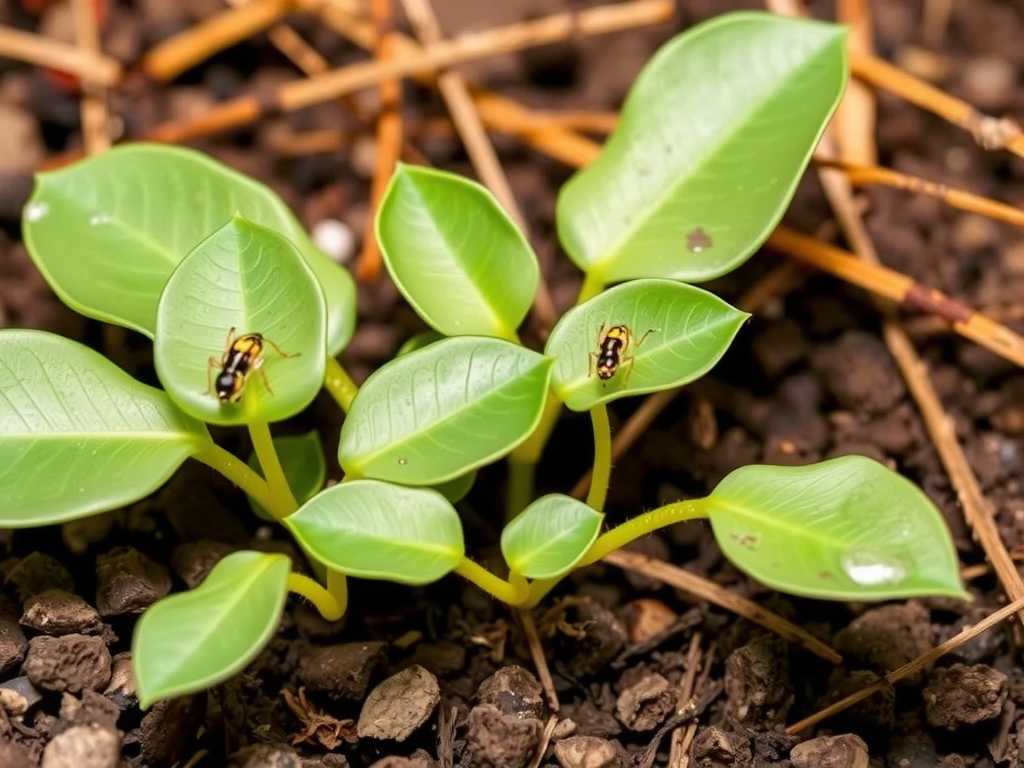
To win this war, you need to know what you’re fighting. Fungus gnats thrive in moist, organic-rich soil—exactly the conditions our Monsteras often enjoy. The adult flies live only about a week, but in that time, a single female can lay 100-200 eggs in the soil. These eggs hatch into larvae within 4-6 days. The larvae feed for about two weeks before pupating and emerging as new adults, restarting the cycle. The key is to interrupt this cycle at multiple points: killing the adults to stop immediate egg-laying and eliminating the larvae in the soil to prevent future generations. The Royal Horticultural Society (RHS) confirms that consistent overwatering is the primary catalyst for infestations, creating the perfect nursery for these pests.
My Two-Week, Multi-Pronged Attack Plan
I decided to tackle the infestation aggressively but safely, using a combination of physical, biological, and cultural controls. I started on a Saturday morning, giving myself time to monitor closely.
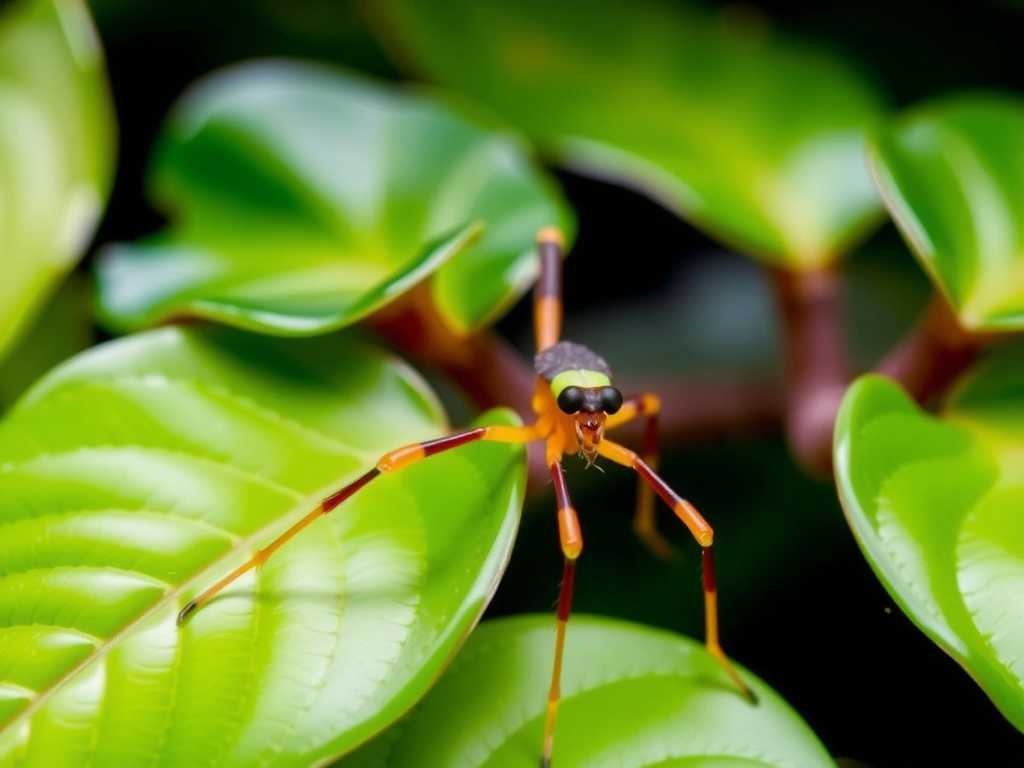
Week 1: The Initial Assault
My first goal was to immediately reduce the adult population and begin treating the soil. I gathered yellow sticky traps, a bottle of 3% hydrogen peroxide, and a product containing Bacillus thuringiensis israelensis (Bti), a natural bacteria toxic to gnat larvae.
-
Day 1-2: Trapping and Drenching I inserted several yellow sticky traps horizontally into the soil surface around the base of the Monstera. Within hours, I saw adults stuck to them—a grim but satisfying sight. Next, I prepared a soil drench. I mixed one part 3% hydrogen peroxide with four parts water. This solution kills larvae and eggs on contact through oxidation and aerates the soil. I thoroughly watered the plant with this mix until it drained freely from the bottom, ensuring the top 2-3 inches of soil were treated. I placed the pot in a bright spot with good airflow to help the soil dry more quickly.
-
Day 3-5: Introducing the Biological Control Once the soil had dried out significantly (I checked with my finger), I applied the Bti product. Following the label, I mixed the granules with water and drenched the soil again. This is a crucial step. As the American Horticultural Society (AHS) notes, Bti is a highly specific and effective biological control for fungus gnat larvae, harmless to plants, pets, and beneficial insects. The bacteria produce toxins that target the larvae’s digestive systems. I continued to monitor the sticky traps, which were already filling up.
-
Day 6-7: Enforcing Dry Discipline This was the hardest part: not watering. I let the soil dry out completely, even to the point where the top few inches were quite dry. Fungus gnat larvae cannot survive in dry soil. I increased airflow around the plant with a small fan on low, set a few feet away. I also gently scraped off the very top layer of soil (about half an inch) and replaced it with a thin layer of horticultural sand, creating a dry, inhospitable barrier for any remaining eggs.
Observations at the End of Week 1: The adult fly population had plummeted. The sticky traps were covered, but I saw very few new flies in the air. My Monstera showed no signs of distress from the treatments; in fact, it seemed perkier, likely due to the soil aeration from the peroxide. However, I knew the battle wasn’t over, as any pupae in the soil would soon emerge.
Week 2: Consolidation and Monitoring
The second week was about vigilance and ensuring no new generation could establish itself.
-
Day 8-10: The Second Bti Application As per the product instructions for severe infestations, I applied a second Bti soil drench after the soil had dried. This was to catch any larvae that hatched from eggs that survived the initial treatment. I replaced the full sticky traps with new ones.
-
Day 11-14: The Waiting Game I resumed watering, but only when the soil was dry 1-2 inches down. I used the “soak and dry” method thoroughly but infrequently. I kept the fan for airflow and watched the new sticky traps closely. By Day 12, I caught only 2-3 new adults. By Day 14, the traps were virtually clean. No flies buzzed up when I watered the plant. The infestation was effectively broken.
The Pitfalls I Encountered and How I Fixed Them
My success didn’t come without mistakes. Early on, I made a critical error: I only used sticky traps. This addressed the adults but did nothing to the larvae in the soil, so the cycle continued endlessly. It was a lesson in the importance of a multi-pronged approach.
Another issue was inconsistent drying. I have a tendency to be an over-waterer. I solved this by switching to a moisture meter, which removed the guesswork and helped me stick to a stricter watering schedule tailored to my home’s humidity and light levels.
Finally, I learned that not all “gnat treatments” are equal. I tried a cinnamon sprinkle method, which had zero effect on my infestation. Relying on peer-reviewed methods like Bti and hydrogen peroxide drenches, backed by institutions like the RHS, proved infinitely more effective.
Preventing Future Fungus Gnat Infestations
Eradication is only half the victory. Prevention is your long-term shield.
- Master Your Watering: This is the single most important factor. Always allow the top layer of soil to dry out between waterings. Use a moisture meter or your finger to check.
- Improve Soil and Drainage: Repot your Monstera in a well-draining aroid mix with plenty of perlite, orchid bark, and charcoal. Ensure your pot has adequate drainage holes.
- Use Preventive Barriers: A top dressing of horticultural sand or fine aquarium gravel can prevent adults from accessing the soil to lay eggs.
- Quarantine and Inspect New Plants: Always isolate new plants for a few weeks and inspect them for signs of pests. Consider giving them a preventive Bti drench as part of your welcome routine.
Are fungus gnats harmful to Monstera plants? While the adults are mostly just annoying, a severe infestation of larvae can damage roots, especially on seedlings or stressed plants. This leads to yellowing leaves, stunted growth, and increased susceptibility to root rot. For a mature, healthy Monstera, they are more of a persistent nuisance than an immediate death sentence, but they should be dealt with promptly.
Can I use neem oil for fungus gnats on Monstera? Neem oil can be part of a treatment plan as a soil drench, as it has insecticidal properties. However, in my experience, it was less effective than the Bti and hydrogen peroxide combo for a heavy infestation. It works better as a mild preventive or for very light cases. Always do a patch test on a leaf first, as some plants can be sensitive.
How long does it take to completely eliminate fungus gnats? With a consistent, multi-method approach like the one I used, you can see a dramatic reduction in adults within 3-4 days and break the life cycle within 2-3 weeks. Complete elimination requires ongoing vigilance with watering and possibly keeping a sticky trap in the pot for early detection. Persistence is key—one treatment is rarely enough.
Seeing those tiny black flies disappear from around my Monstera was incredibly rewarding. It required patience, a willingness to try different methods, and most importantly, a change in my own watering habits. The combination of immediate adult control with sticky traps, targeted larval elimination with Bti and hydrogen peroxide, and a strict regimen of letting the soil dry out created an environment where fungus gnats could not survive. Remember, healthy soil practices are the foundation of a healthy, pest-free plant. By understanding the pest’s lifecycle and interrupting it at multiple stages, you can reclaim your indoor jungle from these frustrating soil-dwellers. Your Monstera will thank you with lush, vibrant growth.

发表评论