 admin
admin Monstera Root Rot: Causes, Signs & Treatment Guide
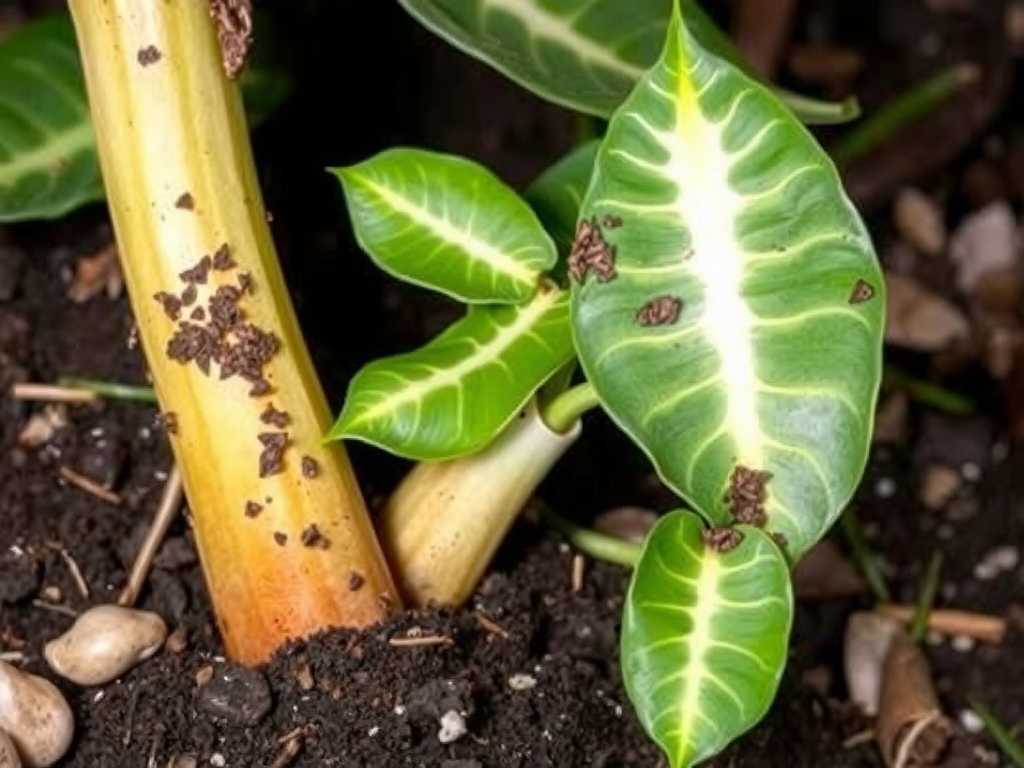
I’ve been there. You walk over to your beloved Monstera, ready to admire those magnificent, fenestrated leaves, and your heart sinks. The soil smells… off. A leaf is turning yellow from the center out. A once-firm stem feels suspiciously soft. If this sounds familiar, you’re likely facing the single most common and dreaded issue for houseplant enthusiasts: Monstera root rot. It’s a silent killer that can take down even the most established plant seemingly overnight. But don’t panic. After battling this fungal foe more times than I’d like to admit, I’ve developed a clear, step-by-step rescue protocol that has saved countless Monsteras, including my own prized Monstera deliciosa ‘Albo’. This guide will walk you through exactly what causes it, how to spot the early (and late) signs, and the precise treatment I use, complete with my own two-week recovery journal and the hard lessons I learned the hard way.
What Exactly Is Root Rot?
At its core, root rot is a condition where the roots of your plant suffocate and die due to a lack of oxygen, primarily caused by prolonged exposure to soggy soil. Healthy roots are firm and white or light tan. They are the plant’s lifeline, absorbing water and nutrients. When they sit in waterlogged conditions, they can’t breathe. They begin to decay, turning mushy, brown, or black. This decay is often accelerated by soil-borne fungi like Pythium, Phytophthora, and Rhizoctonia, which thrive in wet environments. As the Royal Horticultural Society (RHS) notes, these pathogens are “often present in the soil but only become a serious problem in waterlogged conditions.” So, it’s a double whammy: drowning followed by a fungal attack.
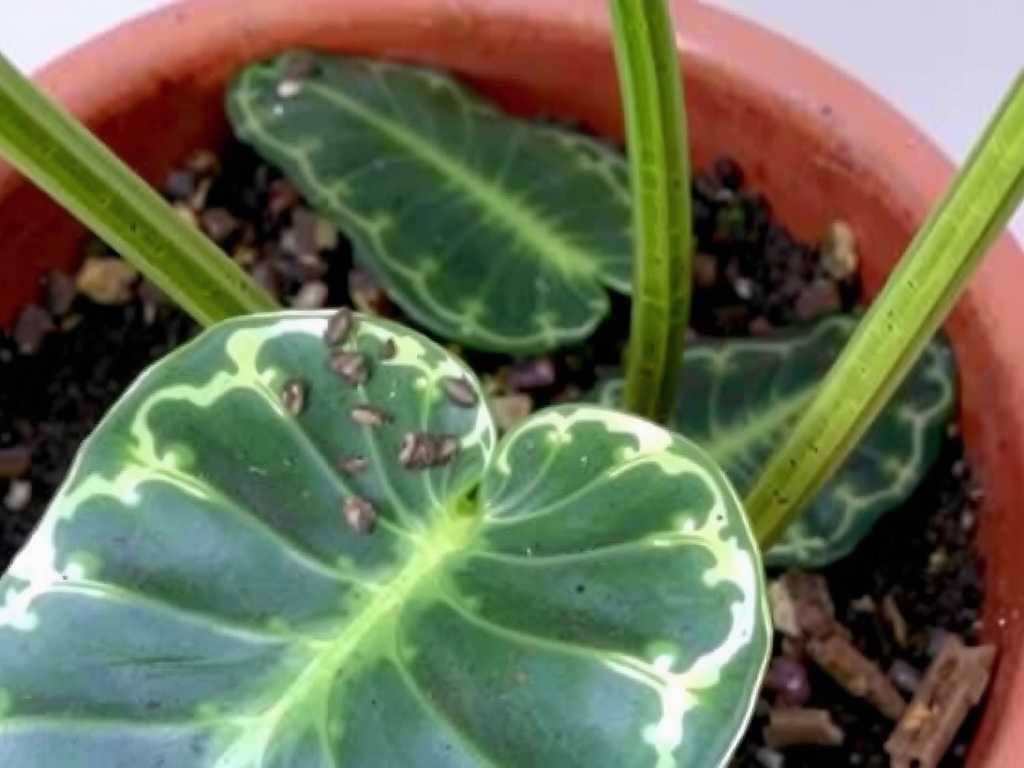
The Main Culprits: What Causes Monstera Root Rot?
Understanding the causes is the first step to prevention. It’s almost never just one thing.
- Overwatering: This is the number one cause. It’s not about the volume of water but the frequency. Monsteras prefer to dry out partially between waterings. Consistently wet soil is an invitation for trouble.
- Poorly Draining Soil: A heavy, compact soil mix acts like a sponge, holding onto moisture for far too long. Monsteras are epiphytes in nature, meaning their roots need air flow. A dense, moisture-retentive potting mix suffocates them.
- Inadequate Drainage Holes: A pot without proper drainage is a death sentence. Water pools at the bottom, creating a perpetually wet zone where roots rot.
- Pot Size: A pot that’s too large for the root system holds excess soil, which retains water long after the roots have absorbed what they need. The roots sit in damp soil they can’t reach.
- Environmental Factors: Low light, cool temperatures, and low humidity can slow a plant’s growth and water uptake, meaning the soil stays wet for longer than expected.
Early and Late Signs: Diagnosing Your Monstera
Catching root rot early is crucial. Here’s what to look for, from the first subtle hints to the undeniable red flags.
Early Warning Signs:
- Slow Growth: During its growing season, your Monstera seems to have stalled.
- Wilting: The plant droops, but the soil is damp. This is confusing but classic—rotting roots can’t take up water, so the plant acts thirsty even when wet.
- Yellowing Leaves: Starting with the older, lower leaves. A single yellow leaf might not be cause for alarm, but paired with other signs, it’s a clue.
Advanced, Tell-Tale Signs:
- Dark Brown/Black Spots on Leaves: These often start on the leaf near the stem or in the center, spreading outwards.
- Mushy, Soft Stems: Especially at the base. Gently squeeze the stem near the soil line. Healthy stems are firm.
- Foul Odor: A sour, swampy, or rotten smell emanating from the soil is a dead giveaway of anaerobic decay.
- Soil Stays Wet For Too Long: The top layer of soil is still moist a week or more after watering.
If you see several of these signs, it’s time for a root inspection. Don’t wait.
The Rescue Mission: My Step-by-Step Treatment Protocol
This is the hands-on process I follow every single time. You’ll need: clean shears or scissors, rubbing alcohol, paper towels, fresh well-draining aroid mix, a clean pot with drainage, and optionally, a fungicide.
Step 1: Unpot and Assess Gently remove your Monstera from its pot. Shake off as much old soil as possible over a trash bag. This is where the truth is revealed.
Step 2: The Root Wash and Triage Rinse the root ball under lukewarm running water to clean off all the old soil. Now, inspect every single root.
- Healthy Roots: Firm, white, or light tan, possibly with fuzzy white feeder roots.
- Rotten Roots: Mushy, brown/black, and often slimy. They may fall apart when touched. They usually smell bad. Sterilize your shears with rubbing alcohol. Without mercy, cut away every single rotten root back to healthy tissue. This feels brutal but is absolutely necessary. As the American Horticultural Society (AHA) emphasizes, “removing all diseased tissue is critical to prevent the spread of the pathogen.”
Step 3: Fungicide Treatment (Optional but Recommended) After pruning, I soak the remaining healthy root system in a fungicide solution according to the product label. I’ve used both copper-based and hydrogen peroxide dilute solutions. This helps kill any lingering fungal spores. Let the roots air dry on a paper towel for about an hour.
Step 4: Repotting in a Fresh Start Take your clean pot (I often downsize if I’ve removed a lot of roots) and fill it partway with your new, chunky aroid mix. I use a blend of orchid bark, perlite, coco coir, and a handful of worm castings. Place the plant in, spread the roots, and fill in with more mix. Gently firm it. Do not water immediately.
Step 5: The Critical Aftercare This is where many go wrong. Do not water your newly repotted Monstera for at least 5-7 days. The roots have wounds and are vulnerable. Watering now can restart the rot. Place the plant in a warm spot with bright, indirect light (no direct sun) and higher humidity if possible. This reduces stress and encourages new root growth.
My 2-Week Recovery Journal: What Actually Happened
I documented the recovery of my large Monstera deliciosa after a severe case of root rot caused by a deceptively water-retentive “well-draining” mix I’d bought.
- Day 1 (Repot Day): Plant looks sad and droopy after surgery. Several leaves have significant yellow/brown patches. Soil is bone dry. I resist all watering urges.
- Day 3: No change, maybe even a slight wilt. Anxiety is high. I mist the aerial roots and surrounding air lightly for humidity.
- Day 7: The yellowing on one leaf has progressed, but the stem remains firm. I perform the first post-op watering: a thorough soak until water runs freely from the drainage holes. The pot feels surprisingly light afterward.
- Day 10: A tiny, firm green nub appears at the base of the plant—a new aerial root! This is the first sign of life and hope.
- Day 14: The plant is no longer wilting. The existing healthy leaves look perky. The yellowed leaves are a lost cause, but the spread has stopped completely. The soil is drying out on a normal, 10-day schedule now. Success is in sight.
The Pitfall I Encountered: On Day 3, I almost caved and watered because the plant looked thirsty. I learned that “thirsty look” post-surgery is often shock, not a need for water. Waiting was the hardest but most important part.
How to Prevent Monstera Root Rot From Coming Back
Treatment is one battle; prevention wins the war.
- Master the “Soak and Dry” Method: Water deeply only when the top 2-3 inches of soil are dry. Stick your finger in to check.
- Invest in the Right Soil: Make or buy a chunky, airy aroid mix. Good drainage is non-negotiable.
- Choose Pots Wisely: Always use pots with drainage holes. Terracotta is excellent as it wicks away moisture.
- Water Based on Conditions, Not a Schedule: Water less in winter, low light, and cool temps.
- Monitor Regularly: Get hands-on. Feel the soil, lift the pot to gauge weight, and inspect the leaves weekly.
Can a Monstera recover from severe root rot? Yes, absolutely, if there is still some healthy root tissue and at least one growth node (the bump on the stem where leaves and roots emerge) remaining. The plant will use its energy to push out new roots. Patience is key—recovery can take months.
Should I use hydrogen peroxide for root rot? A diluted hydrogen peroxide solution (1 part 3% H2O2 to 4 parts water) can be used as a root soak after pruning. It oxygenates the area and has antifungal properties. I’ve used it as a cheaper alternative to commercial fungicides with good results, but it’s a treatment, not a preventative.
How do I know if the root rot is gone after treatment? The most reliable signs are new growth—a fresh leaf or a new white root tip—and the return of a normal watering cycle where the soil dries appropriately. The plant will simply look stable and healthy again, with no new yellowing or mushy stems.
Facing root rot can feel like a plant parent’s failure, but it’s a common rite of passage. The key is swift, decisive action and understanding that your Monstera’s resilience is remarkable. By creating an environment that mimics its natural preference for airy roots and intermittent moisture, you’ll not only nurse it back to health but set it up for a lifetime of vigorous, stunning growth. Remember, the goal isn’t just to save the plant, but to learn from the experience and become a more attentive grower.

发表评论