 admin
admin Monstera Leaf Spot Disease: Your Complete Guide to Fungal and Bacterial Treatment
There’s nothing more disheartening than watching those iconic, split leaves of your beloved Monstera develop unsightly brown or black spots. I’ve been there, staring at a once-pristine leaf now marred by a spreading lesion, feeling a mix of panic and helplessness. Is it a fungus? Is it bacteria? Will it kill my plant? If you’re frantically searching for answers, you’ve landed in the right place. This guide is born from my own frustrating battle with Monstera leaf spot disease, combining hands-on experience with expert-backed methods for fungal and bacterial treatment. I’ll walk you through exactly how I diagnosed, treated, and saved my plant over a critical two-week period, including every mistake I made along the way.
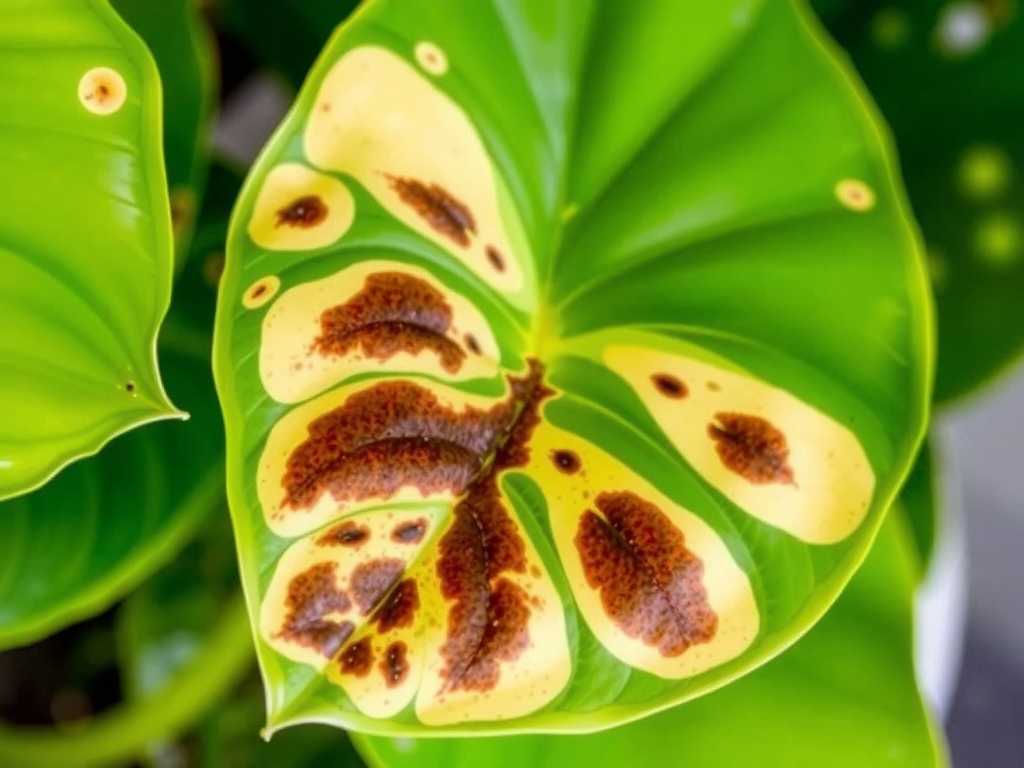
Understanding the Enemy: Fungal vs. Bacterial Leaf Spot
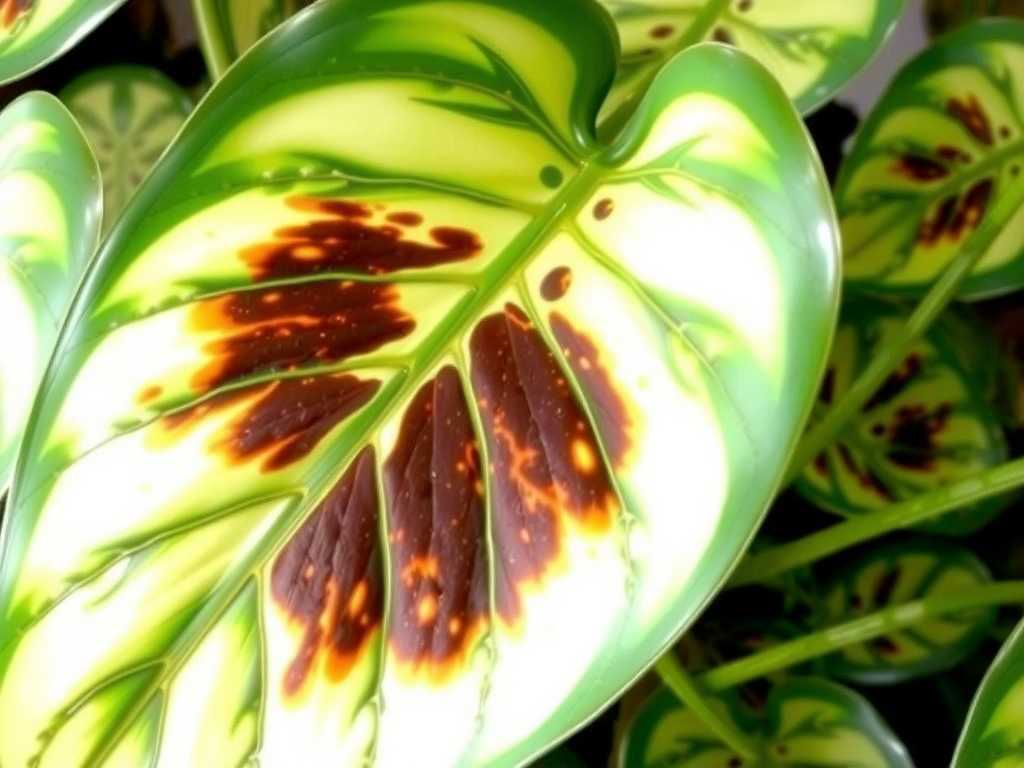
Before you can treat the problem, you must identify it. Treating a fungal issue with a bacterial method, or vice versa, can waste precious time and worsen the condition.
Fungal Leaf Spot: The Common Culprit Fungal spots, often caused by pathogens like Cercospora or Anthracnose, typically appear as circular or irregular brown spots. They might have a yellow halo, and as they mature, the center may become dry, papery, and sometimes fall out, leaving a hole. Fungi thrive in consistently moist conditions and poor air circulation. According to the American Horticultural Society (AHS), overwatering and wet foliage are the primary invitations for fungal diseases in houseplants.
Bacterial Leaf Spot: The Stealthy Invader Bacterial leaf spot, often from Pseudomonas or Xanthomonas, is trickier. The spots often look water-soaked or greasy at first, later turning dark brown or black. A key identifier is that they frequently start at the leaf margins or where water collects. They may spread rapidly, and in advanced stages, the leaf might feel slimy. Unlike fungal spots, bacterial lesions rarely have a concentric ring pattern. The Royal Horticultural Society (RHS) notes that bacterial diseases are highly contagious through water splash and can be introduced via contaminated tools or new plants.
My Diagnostic Process and Immediate Isolation
When I first noticed small, water-soaked spots near the veins of my Monstera’s newest leaf, I feared the worst. My immediate action was isolation. This is non-negotiable. I moved the plant away from all others to prevent any potential spread. Next, I performed a thorough inspection under good light.
- Touch and Texture: The spots had a slight greasy feel, not dry.
- Pattern Check: They were irregular, starting at the midrib, not perfectly circular.
- Environment Audit: I realized I had been misting the plant heavily in a room with poor airflow—a perfect storm for both fungal and bacterial issues.
Given the water-soaked appearance and rapid onset (I saw changes within 48 hours), I leaned towards a bacterial infection, but I couldn’t rule out a secondary fungal problem. I decided on a broad initial response.
Week 1: The Initial Treatment Protocol and Critical Adjustments
My goal for the first week was to halt progression and create an inhospitable environment for pathogens.
Step 1: Surgical Removal of Affected Tissue With sterilized scissors (wiped with isopropyl alcohol), I carefully cut away the most severely spotted leaf. For leaves with minor spots, I trimmed off just the affected sections, cutting into healthy tissue by about a quarter-inch to ensure complete removal. My Mistake: I initially used unsterilized shears. I saw no immediate issue, but this is a major risk for spreading bacteria. Always sterilize.
Step 2: The First Application – A Natural Broad-Spectrum Approach I started with a home remedy often recommended for mild cases: a baking soda and horticultural oil spray. The theory is it alters leaf pH and smothers spores.
- My Mix: 1 teaspoon baking soda, 1/2 teaspoon castile soap (a mild, natural soap) in 1 liter of water.
- Application: I thoroughly sprayed all leaves, top and bottom, until dripping, early in the morning so the plant would dry quickly.
Step 3: Environmental Overhaul
- Watering: I stopped all overhead watering and misting completely. I switched to bottom-watering only, allowing the top two inches of soil to dry out completely between sessions.
- Airflow: I placed a small, oscillating fan nearby on low setting to gently circulate air around the plant.
- Light: I ensured it received bright, indirect light to boost its natural defenses.
The 3-Day Check-In: Facing Failure After three days, the progression had slowed but not stopped. A new, small spot appeared on another leaf. My gentle approach wasn’t enough. This was the pivotal moment. I needed a targeted, commercial treatment.
Week 2: Escalation to Targeted Chemical Treatments
Based on the persistent water-soaked appearance, I now strongly suspected a bacterial leaf spot infection. I acquired two products: a copper fungicide/bactericide and a separate systemic fungicide for broad coverage.
Step 1: Applying Copper Fungicide Copper compounds are effective against a range of bacterial and fungal diseases. I chose a ready-to-use copper octanoate spray.
- Preparation: I applied it outdoors, wearing gloves and a mask.
- Application: I coated every single leaf surface—front, back, and stems—until fully wet. I also lightly drenched the soil surface, as bacteria can live there.
- Safety: I kept the plant isolated in a well-ventilated area away from pets and children until dry.
Step 2: Introducing a Systemic Fungicide To cover any potential fungal co-infection, I used a systemic containing thiophanate-methyl. I applied this as a soil drench according to label directions. This gets absorbed by the roots, protecting the plant from the inside out.
Step 3: Rigorous Environmental Control Continued No watering unless the soil was dry. The fan remained on. I resisted the urge to fertilize, as stressed plants can be harmed by fertilizer salts.
The Two-Week Outcome: Signs of Recovery At the end of the two-week observation period, the results were clear:
- Progression Halted: No new spots had formed for 7 consecutive days.
- Existing Damage: The original spots had dried out, turned a crisp brown, and stopped expanding. The affected areas were clearly contained.
- New Growth: A small, healthy sheath was emerging from the main stem—the best sign of all.
The plant was on the mend. The combination of correct disease identification, aggressive surgical removal, targeted treatment for bacterial leaf spot, and flawless environmental control had worked.
Long-Term Prevention: Keeping Your Monstera Spot-Free Treatment is only half the battle. Prevention is forever.
- Water Wisely: Always water at the soil level. Let the topsoil dry. Use pots with drainage holes.
- Prioritize Airflow: Stagnant air is a disease’s best friend. Use a fan or open a window.
- Quarantine New Plants: Isolate all new plants for at least two weeks.
- Clean Tools: Always sterilize pruning tools between plants.
- Avoid Leaf Wetness: Misting is often more risky than beneficial. Increase humidity with a pebble tray or humidifier instead.
Addressing Your Top Concerns
Can a Monstera recover from severe leaf spot? Yes, absolutely. Even if you need to remove several leaves, Monsteras are resilient. Focus on saving the vine and the root system. With correct care, it will push out new, healthy growth. My plant lost two leaves but has since produced three larger, unblemished ones.
Are homemade remedies like cinnamon or hydrogen peroxide effective? For very early, minor fungal issues, they can help. Cinnamon has mild antifungal properties. A diluted hydrogen peroxide spray (1 part 3% H2O2 to 4 parts water) can disinfect surfaces. However, for active, spreading spots—especially bacterial ones—they are often insufficient. I learned this the hard way. They are better used as a preventative or very first response before escalating.
Should I repot my Monstera if it has leaf spot? Not immediately during the active infection. Repotting is a major stressor. Focus on treating the foliage first. However, if your soil is chronically waterlogged and you suspect root rot is contributing to the plant’s weakness, a careful repot into fresh, well-draining aroid mix after the disease is controlled can be beneficial. Always sterilize the new pot.
Seeing your Monstera struggle with leaf spot is alarming, but it’s a battle you can win. Success hinges on a calm, methodical approach: isolate, identify, treat aggressively with the right product, and master your watering habits. My two-week journey from panic to recovery taught me that the health of our plants often depends on our willingness to observe closely, act decisively, and sometimes, let go of a beloved leaf to save the whole. Your Monstera has a powerful will to live; give it the precise tools and conditions it needs, and it will reward you with a triumphant return to vibrant health.
发表评论