 admin
admin Monstera Powdery Mildew: How to Treat White Powdery Growth
Discovering a strange, white, powdery substance on your beloved Monstera deliciosa can be alarming. This unwelcome guest is powdery mildew, a common fungal disease that, while rarely fatal if caught early, can weaken your plant and mar its stunning foliage. Left untreated, it can stunt growth, cause leaves to yellow and curl, and spread rapidly to other houseplants. Understanding how to identify, effectively treat, and prevent this fungal issue is crucial for any plant enthusiast looking to restore their Monstera to full health.
What is Powdery Mildew on Monsteras?
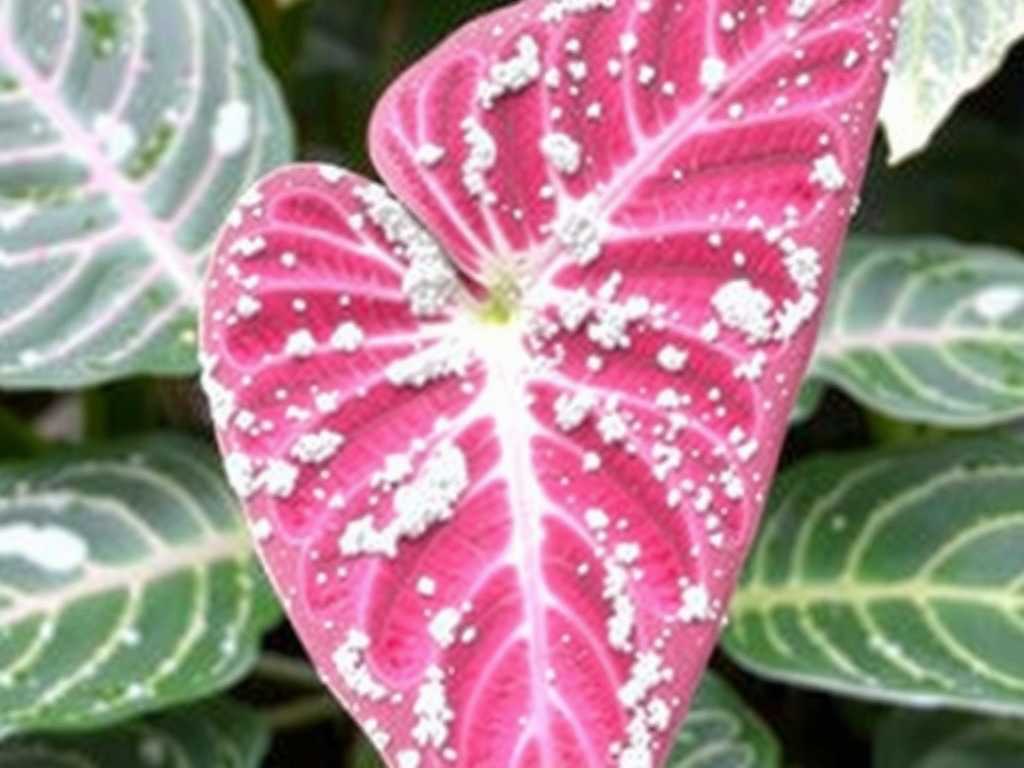
Powdery mildew is a fungal disease caused by various species of obligate parasites in the order Erysiphales. Unlike many fungi, it thrives in warm, dry to moderately humid conditions with poor air circulation. The characteristic white or grayish powdery growth you see consists of fungal threads (mycelium) and spores. On Monsteras, it typically first appears as isolated powdery spots on the upper surfaces of the leaves, often on newer growth. These spots can quickly merge to cover large areas, resembling a dusting of flour or talcum powder.
Identifying the Signs and Symptoms
Early detection is your best defense. Look for these key indicators:
- White Powdery Patches: The most obvious sign. Starts as small circular spots that expand.
- Leaf Distortion: Affected leaves may begin to curl, twist, or become deformed as the fungus disrupts normal cell growth.
- Yellowing Leaves: The areas underneath the white powder often turn yellow.
- Stunted Growth: A severe infection can cause the plant to focus energy on defense rather than producing new, healthy leaves.
Primary Causes: Why Your Monstera is at Risk
Several environmental factors create the perfect storm for powdery mildew:
- Poor Air Circulation: Stagnant air around your Monstera allows fungal spores to settle and germinate on leaf surfaces. This is a common issue in crowded indoor spaces.
- Inconsistent or Improper Watering: While powdery mildew likes drier foliage, stressed plants are more susceptible. Both underwatering and overwatering (which can lead to root issues) weaken your Monstera’s natural defenses.
- Low Light Conditions: Monsteras in dim light grow slower and are less vigorous, making them easier targets for fungal infections.
- Moderate Humidity with Dry Leaves: Interestingly, powdery mildew favors moderate humidity (around 50-70%) but dry leaf surfaces. Spores germinate more easily on dry plant tissue in these conditions.
- Temperature Fluctuations: Warm days and cool nights, common near windows in certain seasons, can encourage spore production and spread.
Step-by-Step Guide to Treating Monstera Powdery Mildew
Act quickly and methodically to control the outbreak.
1. Isolate and Inspect Immediately move the affected Monstera away from all other plants. This prevents the airborne spores from spreading. Carefully inspect all leaves, stems, and the soil surface.
2. Remove Severely Infected Foliage Using clean, sharp pruning shears, cut off any leaves that are heavily coated or severely distorted. Dispose of these leaves in a sealed bag—do not compost them, as spores can survive. Wipe your shears with isopropyl alcohol between cuts to avoid cross-contamination.
3. Clean the Remaining Leaves For leaves with mild to moderate spots, physically remove the fungus. Create a gentle solution of 1 part mild liquid soap (like castile soap) to 3 parts water. Using a soft cloth or sponge, gently wipe both the top and bottom of every leaf. This removes a significant portion of the fungus and its spores. Rinse the leaves with clean water afterward.
4. Apply a Treatment Solution After cleaning, choose and apply a fungicidal treatment. For best results, apply in the evening or away from direct sunlight.
- Baking Soda Spray: A classic homemade remedy. Mix 1 tablespoon of baking soda and 1/2 teaspoon of liquid soap in 1 gallon of water. Spray thoroughly on all plant surfaces weekly until the infection clears. Note: Test on a small area first, as baking soda can sometimes cause leaf burn in strong light.
- Milk Spray: Surprisingly effective, as compounds in milk have antifungal properties. Mix 1 part milk (whole or skim) with 2-3 parts water and spray weekly. Research, such as a study noted in the Australian Journal of Dairy Technology, has supported its efficacy against powdery mildew.
- Neem Oil Solution: An excellent organic option. Neem oil acts as both a fungicide and a natural insecticide. Mix according to label instructions (typically 1-2 tsp per gallon of water with an emulsifier like soap) and spray every 7-14 days. It leaves a protective layer on the foliage.
- Potassium Bicarbonate: More potent than baking soda, it directly kills fungal spores. Available at garden centers, mix as directed and spray.
- Commercial Fungicides: For persistent cases, consider a sulfur-based or copper-based fungicide labeled for use on ornamental plants. Always follow the manufacturer's instructions precisely.
5. Adjust Environmental Conditions Treatment is only half the battle. Correct the environment to prevent recurrence:
- Improve Airflow: Use a small oscillating fan on a low setting near your plant collection to keep air moving. Avoid placing Monsteras in cramped corners.
- Optimize Watering: Water only when the top few inches of soil are dry. Water deeply at the soil line, avoiding splashing the leaves. Ensure your pot has excellent drainage.
- Provide Adequate Light: Move your Monstera to a spot with bright, indirect light to promote strong, resilient growth.
- Manage Humidity: While Monsteras enjoy humidity, ensure leaves dry out between misting sessions. A pebble tray can provide ambient humidity without wetting the foliage.
Preventing Future Powdery Mildew Outbreaks
Consistent care is the ultimate prevention strategy. As noted by horticulturist and author Jane Perrone, "Prevention in houseplant care always trumps cure. Creating a stable environment that mimics a plant's natural habitat is key to avoiding most common issues, including fungal diseases."
- Practice Regular Leaf Cleaning. Wipe leaves with a damp cloth every few weeks to remove dust and potential spores.
- Conduct Weekly Plant Check-Ups. Make inspecting your plants part of your routine to catch any problems early.
- Quarantine New Plants. Always isolate new plants for 2-3 weeks before introducing them to your main plant area.
- Avoid Overcrowding. Give your Monstera room to breathe.
Frequently Asked Questions
Can powdery mildew spread to my other houseplants? Yes, absolutely. Powdery mildew spores are lightweight and easily carried by air currents. This is why immediate isolation of the infected plant is the very first step you should take.
Is the white stuff on my Monstera mold or mineral deposits? Mineral deposits from hard water appear as crusty, crystalline spots or edges and don’t wipe off easily. Powdery mildew is fluffy, spreads, and can be smudged off with your finger. It also causes accompanying symptoms like leaf yellowing.
Will my Monstera leaves recover after powdery mildew? The white powdery growth itself can be removed, but the yellow discoloration or distorted shape of severely affected leaves is permanent. These leaves will not return to their normal color or form. It is often best to prune them so the plant can direct energy into producing new, healthy growth.
By combining immediate action with targeted treatment and long-term environmental adjustments, you can successfully eradicate powdery mildew from your Monstera. Remember, a healthy plant in optimal conditions is your strongest defense. With consistent care and vigilance, you can ensure your Monstera continues to thrive with its iconic, lush, and hole-filled leaves free from fungal invaders.



发表评论