 admin
admin Monstera Downy Mildew: Signs & Prevention Tips to Save Your Swiss Cheese Plant
You’ve nurtured your Monstera deliciosa, watching its iconic split leaves unfurl with pride. But suddenly, you notice strange yellow patches, a fuzzy growth underneath, or leaves that seem to be withering from the inside out. A wave of panic hits—what’s wrong with your beloved plant? If these symptoms sound familiar, your Monstera might be facing a serious and highly contagious threat: downy mildew. This fungal-like disease can devastate your plant collection if not identified and addressed early. This comprehensive guide is designed to equip you with the knowledge to accurately spot the signs of Monstera downy mildew and implement effective, actionable prevention strategies to keep your greenery thriving.
Understanding Monstera Downy Mildew: A Stealthy Foe
Unlike the more common powdery mildew, which appears as white dust on leaf surfaces, downy mildew is caused by water molds (oomycetes), specifically Peronospora sparsa. It’s a notorious pathogen in commercial nurseries and can quickly spread to houseplants under the right conditions. The disease thrives in cool, wet, and humid environments with poor air circulation. It doesn’t just sit on the surface; it penetrates the plant’s tissues, disrupting its ability to photosynthesize and absorb nutrients, leading to rapid decline.
Early and Advanced Signs of Downy Mildew on Monstera
Catching this disease early is crucial for management. Here’s what to look for, progressing from early symptoms to advanced stages.
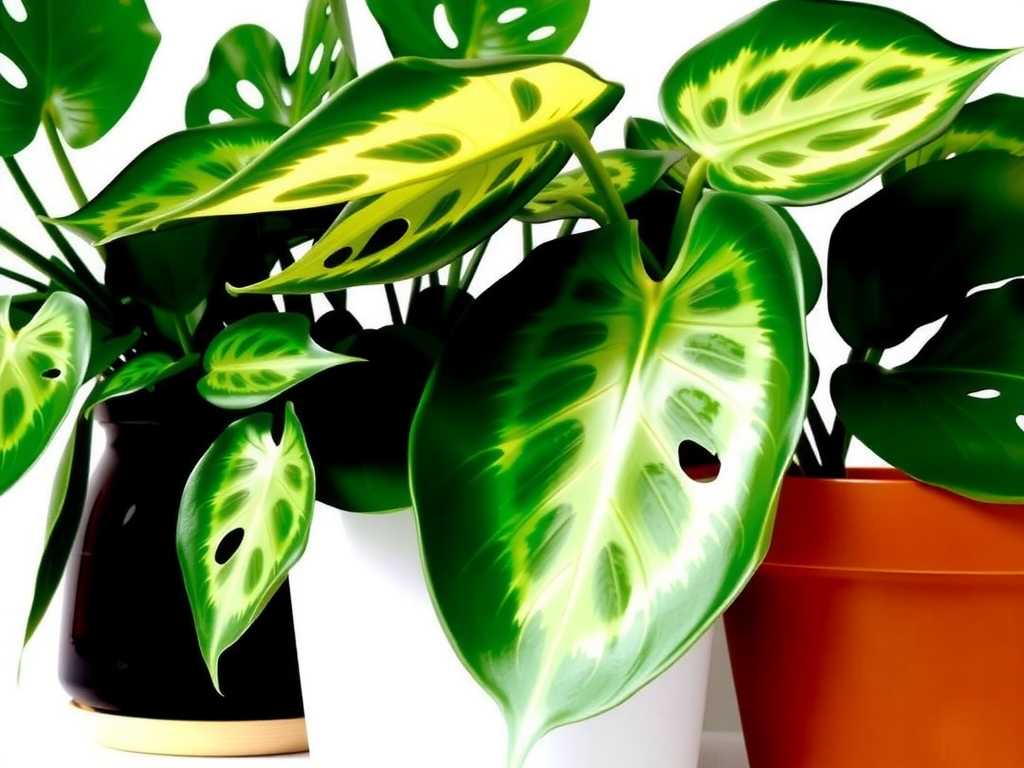
Initial Symptoms on Leaves The first signs often appear on the upper surfaces of the newest leaves. You’ll see angular, yellow to pale green spots or blotches that are delineated by the leaf veins, giving them a somewhat geometric pattern. These chlorotic areas are easy to miss or mistake for a nutrient deficiency. Simultaneously, inspect the underside of Monstera leaves. This is where the pathogen becomes more visible. In the early morning or in high humidity, you may find a subtle, grayish-purple to brown fuzzy or downy growth corresponding to the yellow spots above. This is the sporulation of the disease.
Progression and Severe Damage As the Monstera fungal infection advances, the yellow spots on top turn brown and necrotic. The leaves may become severely distorted, stunted, or curled. The fuzzy growth underneath can become more pronounced and darker. In severe cases, leaves will drop prematurely, starting from the oldest to the newest, potentially defoliating the entire plant. Young shoots and stems can also be affected, showing blackened streaks or lesions.
How to Prevent Downy Mildew on Monstera Plants
Prevention is infinitely more effective than cure, especially with downy mildew. By managing your plant’s environment and care routine, you can create conditions where the pathogen cannot thrive.
Optimize Environmental Conditions Since moisture is the primary catalyst, controlling humidity and airflow is your strongest defense. Ensure your Monstera is in a space with good ventilation. Use a ceiling fan or a gentle oscillating fan to keep air moving, which helps leaves dry faster. Avoid misting your Monstera, as this leaves standing water on foliage—a perfect breeding ground for spores. Instead, use a pebble tray or a room humidifier placed at a distance to increase ambient humidity without wetting the leaves.
Master Watering and Soil Practices Always water at the base of the plant, directly onto the soil, and never overhead. Allow the top few inches of soil to dry out between waterings. Ensure your pot has excellent drainage holes and is filled with a well-aerated, chunky potting mix. A blend containing orchid bark, perlite, and coco coir promotes root health and prevents waterlogging. According to a study in the Plant Disease Journal, proper soil aeration reduces the persistence of water-mold pathogens in the root zone.
Implement Strict Quarantine and Inspection Protocols Every new plant should be quarantined away from your main collection for at least 2-3 weeks. During this time, inspect it thoroughly, especially the leaf undersides, for any signs of disease or pests. Regularly check your existing Monsteras during routine cleaning. Wiping leaves with a damp cloth not only removes dust but gives you a chance to spot early warning signs.
Effective Treatment Steps for an Infected Plant
If you’ve confirmed or strongly suspect downy mildew, act immediately and isolate the plant.
Immediate Isolation and Pruning Move the infected Monstera to a separate room immediately. Using sterilized pruning shears (wipe with isopropyl alcohol between cuts), remove all severely affected leaves and stems. Bag and discard this material in the trash—do not compost it, as spores can survive. This reduces the pathogen load and helps the plant focus energy on recovery.
Applying Fungicidal Treatments For downy mildew, specific fungicides are required. Standard baking soda solutions are ineffective. Look for products containing potassium bicarbonate, copper-based fungicides (e.g., copper octanoate), or those specifically labeled for downy mildew on ornamentals. Bio-fungicides containing Bacillus subtilis can also be effective as a preventive or early curative treatment. Always follow the label instructions meticulously, covering both the top and bottom of all remaining leaves. Multiple applications may be necessary.
Environmental Correction and Recovery Care After treatment, reassess the plant’s location. Increase airflow, reduce humidity around the foliage, and ensure optimal watering. Hold off on fertilizing until you see new, healthy growth, as the plant is under stress. Monitor closely for several weeks to ensure the disease does not recur.
FAQ: Your Monstera Downy Mildew Questions Answered
Can a Monstera recover from downy mildew? Yes, with prompt and aggressive action, a Monstera can recover. Success depends on early detection, thorough removal of infected material, and correct fungicide application. However, severely compromised plants with systemic infection may not survive.
Is downy mildew contagious to other houseplants? Absolutely. The spores are easily carried by air currents, water splash, or even on your hands and tools. This high contagion risk is why immediate isolation of the infected plant and preventative care for neighboring plants are non-negotiable steps.
What’s the difference between downy mildew and powdery mildew on Monsteras? The key difference is location and appearance. Powdery mildew forms white, talcum-powder-like spots primarily on the upper leaf surface and is often linked to high humidity with moderate temperatures. Downy mildew causes yellow angular spots on top and a distinct fuzzy, grayish growth on the underside of leaves, flourishing in cool, wet conditions. They require different treatment approaches.
Protecting your Monstera from downy mildew hinges on vigilant observation and proactive environmental control. By learning to recognize the early signs—particularly those distinctive angular yellow patches and the telltale fuzz underneath the leaves—you gain a critical advantage. Integrating preventative habits like strategic watering, ensuring strong air movement, and quarantining new plants forms a robust defense system. Remember, plant care is a blend of art and science; your informed attention is the most powerful tool in keeping your Swiss Cheese Plant not just surviving, but flourishing for years to come.
发表评论