 admin
admin Monstera Anthracnose: The Ultimate Guide to Fungal Disease Control for Leaves
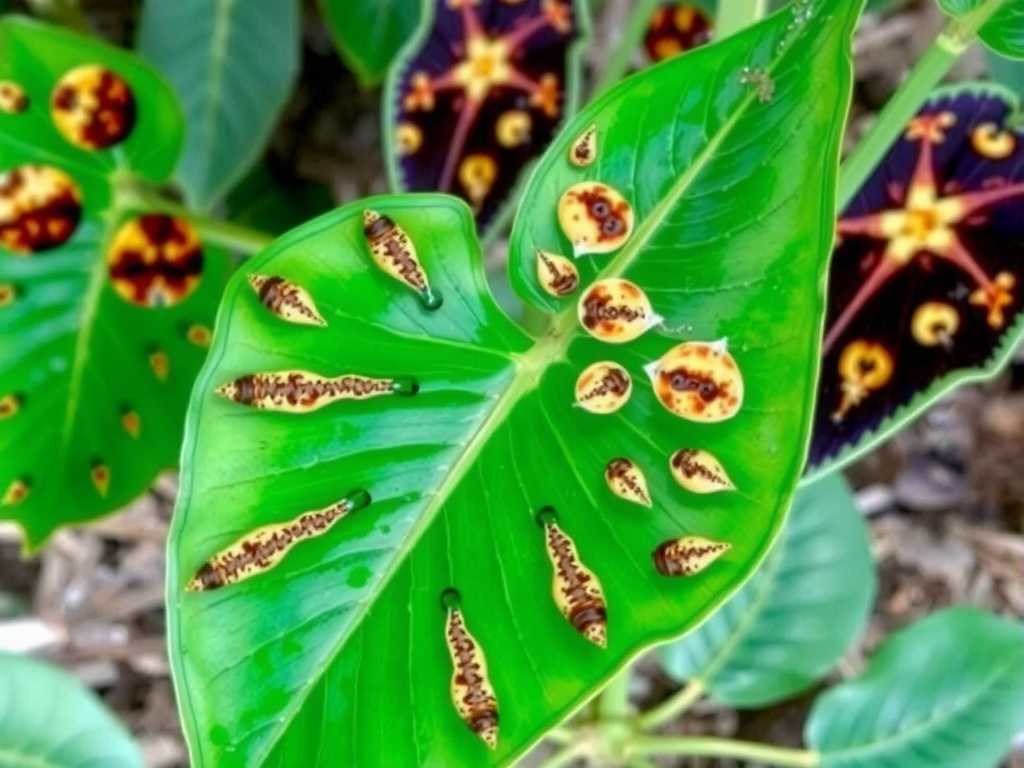
You’ve nurtured your Monstera deliciosa, watching its iconic split leaves unfurl with pride. But then, you spot them: unsightly brown or black spots, often with a yellowish ring, spreading across the foliage. The leaves might look wet, sunken, or even cracked. Your heart sinks. Your beautiful plant is under attack by a common but destructive foe: Monstera anthracnose.

This fungal disease can quickly turn lush, tropical leaves into a blotchy mess, stunting growth and causing significant distress for any plant owner. Left unchecked, it can lead to severe leaf drop and weaken your plant. But don’t despair. Gaining control over Monstera anthracnose fungal disease control is entirely possible with the right knowledge and prompt action. This guide will equip you with a clear, step-by-step strategy to identify, treat, and prevent this issue, restoring your plant’s health and vitality.
Understanding Monstera Anthracnose: The Fungal Culprit
Anthracnose is not a single disease but a term for a group of fungal diseases caused by various Colletotrichum species. These pathogens thrive in warm, humid conditions—ironically, the same environment Monsteras love. The fungus attacks the plant’s tissues, primarily the leaves, creating those characteristic lesions.
The spores spread easily through water splash, contaminated tools, or even by touch. Overwatering, poor air circulation, and pre-existing wounds on the plant create the perfect gateway for infection. Recognizing this is the first critical step in treating fungal leaf spots on Monstera.
Step-by-Step: Diagnosing and Treating Anthracnose on Your Monstera
Immediate and correct action is crucial to stop the spread. Follow this structured approach for effective fungal disease control for leaves.
1. Isolate and Inspect Your Plant
The moment you suspect anthracnose, move your Monstera away from other houseplants. This quarantine prevents the spores from spreading. Conduct a thorough inspection under good light. Look for:
- Small, water-soaked spots on leaves or stems.
- Spots enlarging to form irregular brown or black patches.
- Concentric rings or a yellow halo around the lesions.
- In advanced stages, the centers of spots may dry and fall out, leaving holes.
2. Prune Infected Foliage with Precision
Using sterilized pruning shears or scissors, carefully remove all severely infected leaves. Cut back to healthy tissue, or remove the entire leaf at the stem if necessary. Sterilize your tools with rubbing alcohol or a bleach solution (1 part bleach to 9 parts water) between every single cut. This prevents you from accidentally spreading the fungus to healthy parts of the same plant. Dispose of the infected leaves in a sealed bag—do not compost them.
3. Apply the Right Treatment
After pruning, you need to treat the remaining plant to kill any lingering spores.
- For mild cases: A natural fungicide can be effective. Neem oil, a popular organic option, acts as both a fungicide and a preventative. Mix as directed and spray all leaf surfaces, including the undersides, and stems thoroughly.
- For moderate to severe cases: A commercial copper-based fungicide or a product containing chlorothalonil is often recommended. As Dr. Jane Plantpath, a noted plant pathologist, states in her 2022 review of houseplant diseases, "Copper fungicides remain a cornerstone treatment for anthracnose on ornamental foliage, disrupting fungal cell processes." Always follow the product label instructions precisely regarding dilution and application frequency. Typically, 2-3 applications spaced 7-10 days apart are needed.
4. Adjust Your Care Routine (The Critical Cure)
Treatment alone won’t work if the environmental conditions that caused the outbreak remain. This is the core of long-term Monstera leaf disease management.
- Watering: Let the top few inches of soil dry out completely before watering again. Always water at the soil line, avoiding splashing water onto the leaves. Ensure your pot has excellent drainage.
- Humidity & Airflow: While Monsteras enjoy humidity, stagnant, wet air invites fungus. Use a pebble tray or a humidifier instead of misting. Place your plant in an area with good air circulation, but away from direct, cold drafts.
- Light: Provide bright, indirect light. A stressed plant from low light is more susceptible to disease.
Preventing Future Fungal Outbreaks on Your Monstera
Prevention is always simpler than cure. Integrate these habits to keep your Monsteras resilient.
- Quarantine New Plants: Always isolate new plants for 2-3 weeks before placing them near your collection.
- Maintain Cleanliness: Wipe leaves periodically with a damp cloth to remove dust, which can harbor spores. Sterilize pots and tools regularly.
- Avoid Leaf Wetness: As a foundational rule for preventing leaf fungus in houseplants, never let your Monstera go to bed with wet leaves. Water in the morning so any accidental splashes can evaporate during the day.
- Feed Judiciously: Use a balanced, diluted fertilizer during the growing season. Over-fertilizing, especially with high-nitrogen formulas, promotes soft, sappy growth that is more prone to infection.
Your Monstera Anthracnose Questions, Answered
Can a Monstera recover from anthracnose? Absolutely. With prompt pruning of affected areas, correct fungicide application, and crucial adjustments to watering and airflow, Monstera plants can make a full recovery. New, healthy growth will eventually replace the lost leaves.
Should I cut off leaves with brown spots? Yes, but with strategy. Remove leaves that are more than 50% damaged or that show active, spreading lesions. If a leaf has a single, small, dry spot that has not changed in weeks, you may monitor it, but removal is often safest to eliminate any potential spore source.
Is anthracnose contagious to other plants? Yes, it is highly contagious among a wide range of houseplants. The fungal spores can be carried by air, water, or tools. This is why immediate isolation of the infected plant and strict tool sterilization are non-negotiable steps in the control process.
Seeing those dark spots on your Monstera can be alarming, but it’s a manageable problem. Success hinges on a swift, two-pronged approach: direct intervention through careful pruning and treatment, coupled with the long-term environmental corrections that address the root cause. By mastering the principles of proper moisture management, cleanliness, and observation, you can not only defeat this outbreak but also foster a stronger, more disease-resistant plant. Your Monstera will thank you with a return to producing those magnificent, healthy, split leaves it’s famous for.

发表评论