 admin
admin Monstera Bacterial Leaf Blight: Your Complete Guide to Treatment and Prevention
You’ve nurtured your Monstera deliciosa, watching its magnificent, fenestrated leaves unfurl with pride. Then, you spot it: dark, water-soaked lesions spreading from the leaf edges, a yellow halo encircling the decay, turning your plant’s vibrant green into a sickly mess. This isn’t just an aesthetic issue; it’s a fast-moving bacterial infection threatening your plant’s life. Understanding Monstera bacterial leaf blight treatment and prevention is crucial to saving your plant and protecting your entire collection. This aggressive disease, caused by pathogens like Xanthomonas campestris or Pseudomonas cichorii, can swiftly devastate a prized Monstera if not addressed with immediate and correct action.
This guide provides a clear, step-by-step protocol grounded in horticultural science to help you diagnose, combat, and ultimately prevent this destructive disease, restoring health to your Swiss Cheese Plant.
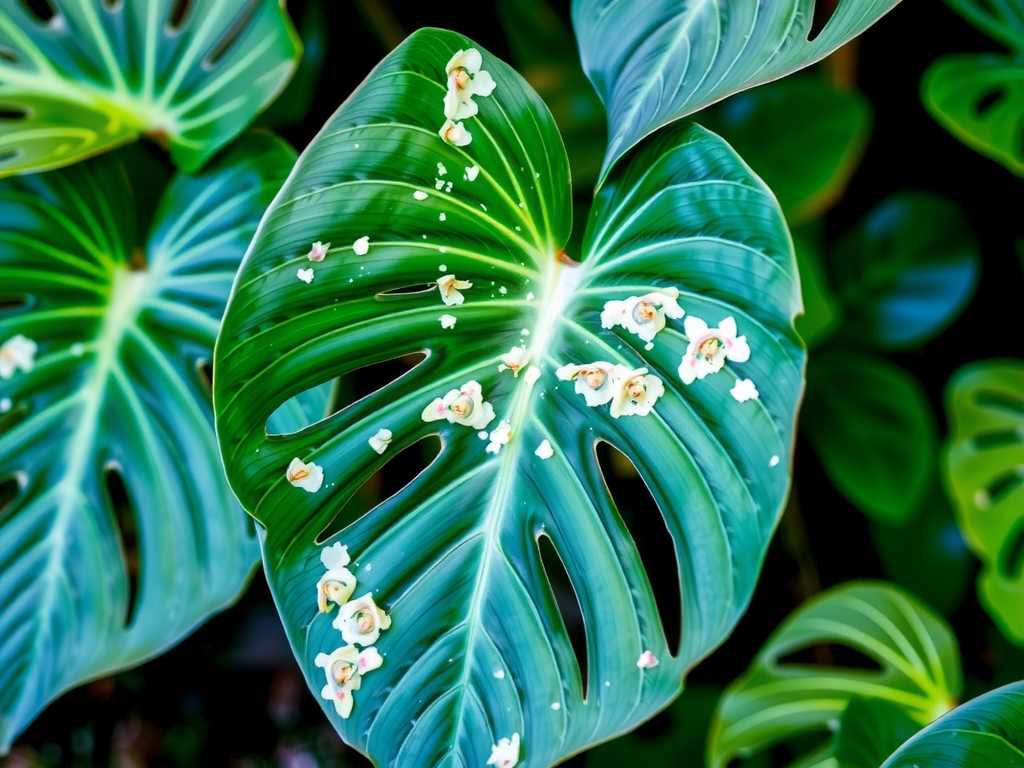
Accurate Diagnosis: Is It Really Bacterial Blight?
Before acting, confirm the problem. Bacterial leaf blight symptoms are distinct but can be confused with fungal issues or even sunburn.
- Early Signs: Look for small, angular, water-soaked spots on the leaves. These spots look wet and translucent, as if the leaf tissue is saturated.
- Progression: The spots rapidly enlarge, often following the veins, and merge into large, irregular black or dark brown patches. A pronounced yellow halo frequently surrounds the necrotic (dead) tissue.
- Key Differentiator: In humid conditions, you might see a sticky, slimy exudate on the underside of lesions. Fungal diseases typically show powdery spores, not this bacterial ooze.
If you gently hold an infected leaf up to the light, the water-soaked nature of the lesions becomes even clearer. Misdiagnosis can lead to ineffective treatment, such as applying a fungicide to a bacterial problem.
Immediate Isolation and Initial Response
At the first suspicion of blight, your immediate goal is containment.
- Isolate the Plant: Immediately move the infected Monstera away from all other plants. Bacterial pathogens can spread via water splash, touch, or even airborne moisture.
- Assess the Severity: Determine how much of the plant is affected. This dictates your treatment aggressiveness.
- Sanitize Your Tools: Before and after any contact with the plant, sterilize your pruning shears or scissors. Use a 70% isopropyl alcohol solution or a 1:9 bleach-to-water mix, wiping blades thoroughly.
Step-by-Step Treatment Protocol for Monstera Bacterial Blight
There is no true “cure” for systemic bacterial infections in plants, but aggressive intervention can halt the disease and allow the plant to recover.
1. Surgical Removal of Infected Tissue Using your sterilized tools, prune away all heavily infected leaves and sections. Make cuts well into healthy, green tissue, at least an inch beyond any visible discoloration. Do not compost this material; seal it in a bag and dispose of it with household waste. After each cut, re-sterilize your tools to avoid spreading bacteria on the blade.
2. Applying Bactericidal Treatments For remaining leaves with minor spots or as a protective measure, apply a copper-based bactericide. Products containing copper octanoate or copper sulfate are common options.
- Application: Follow the product label instructions meticulously. Thoroughly spray all leaf surfaces—front and back—and stems until they are wet but not dripping. Apply in a well-ventilated area, away from direct sun.
- Important Note: Copper treatments are preventative and suppressive, not eradicative. They create a hostile surface environment for bacteria. Repeat applications as directed on the label, typically every 7-10 days.
3. Critical Environmental and Care Adjustments Bacteria thrive in wet, stagnant conditions. Altering the plant’s environment is as vital as pruning.
- Watering: Immediately switch to watering at the soil level. Avoid all overhead watering or misting that wets the leaves. Allow the top few inches of soil to dry out more than usual between waterings.
- Humidity: While Monsteras enjoy humidity, excessive levels above 70% can fuel bacterial spread. Improve air circulation around the plant using a gentle fan (not pointed directly at it) to reduce stagnant, moist air pockets.
- Light & Airflow: Ensure the plant receives bright, indirect light. Consider spacing plants further apart to improve overall airflow in your plant area.
Effective Prevention Strategies for Bacterial Leaf Blight
The best treatment for bacterial leaf blight on Monstera is to never let it start. A robust prevention routine is your strongest defense.
Quarantine and Inspection of New Plants Always quarantine new plants for at least 2-3 weeks before placing them near your established collection. Inspect them closely during this time for any signs of disease or pests.
Mastering the Watering Technique Overwatering is the most common contributor to disease. Water only when the top 25-50% of the soil feels dry. Use pots with adequate drainage holes and never let the plant sit in a saucer of standing water. As emphasized by Dr. Linda Chalker-Scott, a horticulture professor and author, “Many root and foliar diseases are directly linked to chronic overwatering and poor soil drainage.”
Optimizing Plant Health and Immunity A stressed plant is a susceptible plant.
- Balanced Fertilization: Feed your Monstera with a balanced, diluted fertilizer during the growing season, but avoid excess nitrogen, which can promote soft, vulnerable growth.
- Proper Potting Mix: Use a well-aerated, chunky potting mix. Incorporating ingredients like orchid bark, perlite, and coco coir ensures excellent drainage and root health, discouraging pathogen-friendly environments.
Maintaining a Clean Growing Environment Regularly remove fallen debris or dead leaves from the soil surface. Wipe down large leaves occasionally with a damp cloth to remove dust, which can harbor pathogens. Periodically clean your pots and trays.
Can a Monstera fully recover from a severe bacterial infection? Recovery depends on the infection’s extent. If the bacterial blight has reached the main stem or crown (the growing point), the prognosis is poor. However, if you catch it early, remove all infected tissue, and the plant still has several healthy leaves and nodes, it can recover. It may require significant time—months—to regrow and may look sparse initially. The key is consistent, optimal care post-treatment to support new growth.
Are there any effective homemade remedies for bacterial blight? While some gardeners suggest sprays with cinnamon, diluted hydrogen peroxide, or baking soda, these are largely ineffective against established bacterial infections. They may have mild antifungal properties but lack the potency to suppress systemic bacterial diseases. For a suspected bacterial issue, a copper-based bactericide is the most reliable over-the-counter option. In severe cases, commercial antibiotics like streptomycin are sometimes used but are generally not available or recommended for home gardeners due to regulatory and resistance concerns.
How can I tell the difference between bacterial blight and root rot? Both can cause yellowing and wilting, but their primary symptoms differ. Bacterial leaf blight presents with distinct, often angular, water-soaked leaf spots that turn black/brown with a yellow halo. Root rot, typically fungal, originates below the soil. Leaves may yellow uniformly, stems may become mushy at the base, and roots will be dark, soft, and slimy upon inspection. A plant with root rot will often have healthy-looking leaves that suddenly wilt, while blight shows clear foliar lesions.
Successfully managing Monstera bacterial leaf blight hinges on swift diagnosis, aggressive removal of infected parts, and the diligent application of supportive bactericidal treatments. More importantly, a shift towards preventative care—focused on proper watering, optimal airflow, and strict plant quarantine—will build resilience in your Monstera. By creating an environment where bacteria struggle to gain a foothold, you can ensure your fenestrated beauty remains a vibrant and healthy centerpiece in your home for years to come.
发表评论