 admin
admin Monstera Rust: How to Treat Orange Spots on Leaves
You’ve lovingly nurtured your Monstera, watching it unfurl its iconic split leaves. Then, one day, you spot them: unsightly orange, yellow, or brownish spots marring the beautiful foliage. Your heart sinks. Is it a death sentence? Far from it. Those orange spots on Monstera leaves are a clear distress signal, often pointing to a common issue known as “rust” or similar fungal/bacterial problems. This guide will demystify the causes and provide a clear, step-by-step action plan to treat Monstera leaf rust and restore your plant’s health.
Understanding what you’re dealing with is the first critical step. The term “rust” in houseplants doesn’t always refer to the specific fungal disease seen in agriculture but is commonly used by plant enthusiasts to describe those rusty, spotty discolorations.
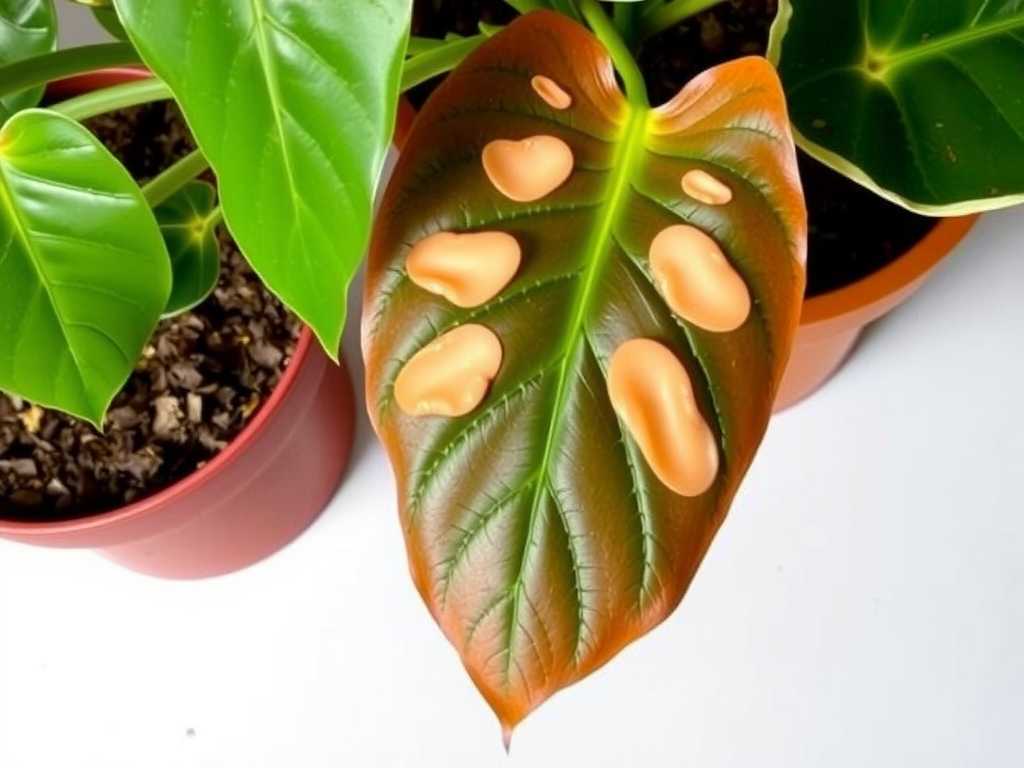
What Causes Rusty Spots on Monstera Leaves?
The appearance of orange or brown spots can stem from a few key issues. Correct diagnosis is essential for effective treatment.
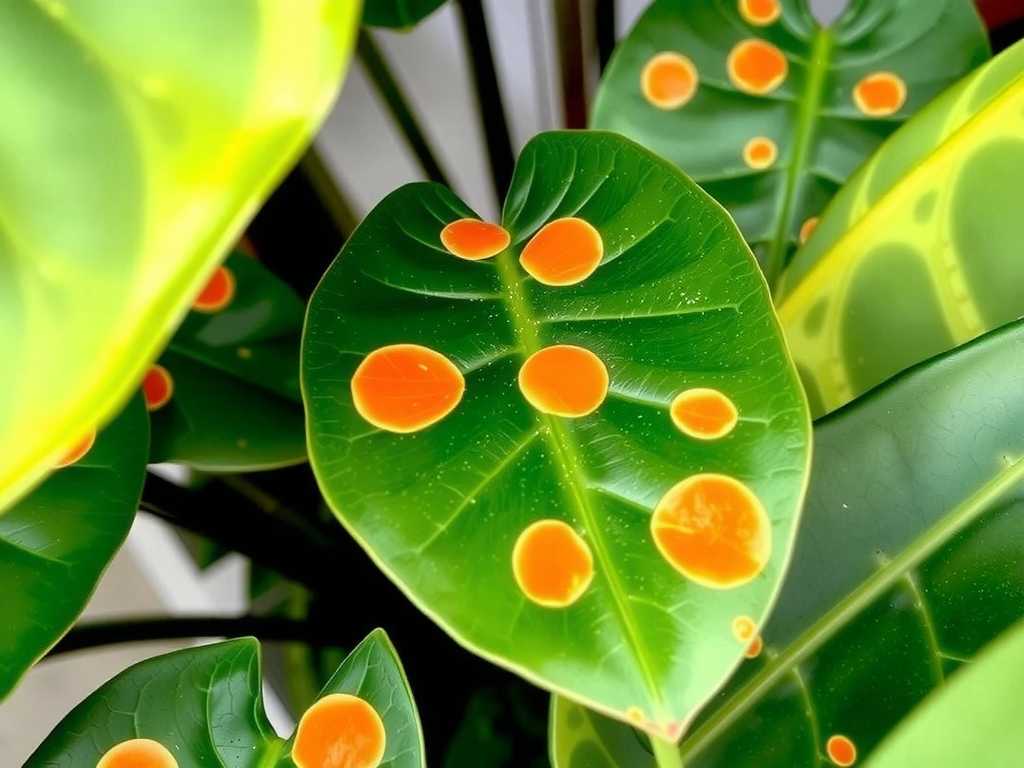
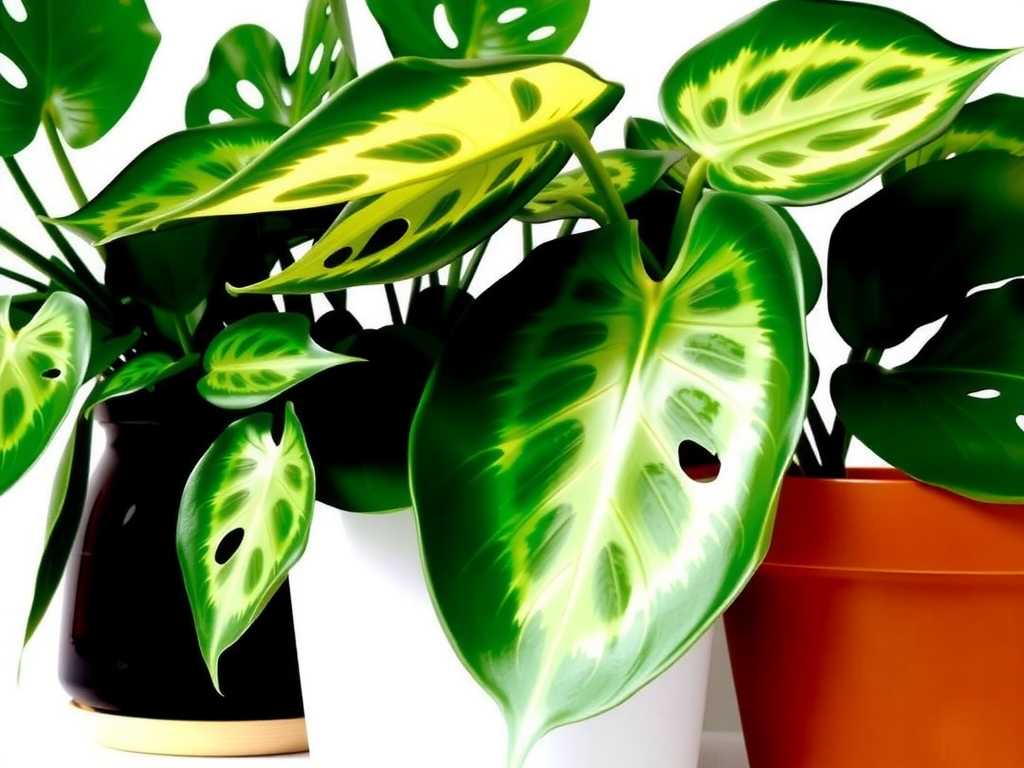
1. Fungal Leaf Spot Diseases This is the most likely culprit for true “rusty” lesions. Fungi like Septoria or Cercospora thrive in moist, stagnant conditions. Overwatering, poor air circulation, and wet leaves create a perfect breeding ground. The spots often start as small, watery yellow lesions that turn brown or orange-brown, sometimes with a yellow halo. They may appear on both older and newer leaves.
2. Bacterial Leaf Spot Caused by pathogens like Xanthomonas, bacterial spots can look similar. They often appear as water-soaked, irregular spots that later turn brown or black, sometimes with a yellow outline. They can spread rapidly, especially in warm, humid environments.
3. Rust Fungus (Less Common) True rust fungus (Puccinia or similar) is rarer on indoor Monsteras but possible. It presents as raised, powdery pustules that are orange, yellow, or brown. You might see colored powder if you rub the spot.
4. Edema (A Physiological Issue) Sometimes, rusty spots are not a disease at all. Edema occurs when the plant absorbs water faster than it can transpire, causing cells to rupture. This creates small, corky, rust-colored blisters, often on the undersides of leaves. It’s a sign of inconsistent watering.
Immediate Action Plan: How to Treat Monstera Leaf Rust
Once you see spots, immediate isolation and action are crucial to prevent spread.
Step 1: Isolate and Inspect Move your Monstera away from other plants immediately. Carefully inspect all leaves, both topsides and undersides, to assess the extent of the infection.
Step 2: Prune Affected Foliage Using sterilized, sharp pruning shears, remove severely spotted leaves. Cut at the petiole (leaf stem) base. For leaves with minor spots, you can trim off just the affected section. Sterilize your tools with rubbing alcohol between each cut to avoid spreading pathogens. Dispose of the infected leaves in the trash, not the compost.
Step 3: Choose and Apply Treatment
- For Fungal Issues: Apply a fungicide. For organic treatment, a baking soda spray (1 teaspoon baking soda, 1 liter of water, a few drops of mild soap) can be effective for mild cases. For more severe infections, use a copper fungicide or a commercial fungicide labeled for leaf spot diseases on ornamentals. Follow label instructions meticulously.
- For Suspected Bacterial Issues: Bacterial diseases are harder to treat. Pruning is paramount. Copper-based bactericides can help suppress spread but may not cure infected tissue. Focus on cultural controls.
- For Edema: No chemical treatment is needed. Correct your watering habits (see below).
Step 4: Adjust Your Care Routine (The Cure is in the Culture) Treatment alone will fail if the environment doesn’t change. This is the core of managing rust spots on Swiss Cheese plants.
- Watering Wisdom: Always check the soil moisture before watering. Let the top 2-3 inches dry out completely. Water thoroughly until it drains from the bottom, and never let the plant sit in a saucer of water. Ensure your pot has excellent drainage holes.
- Humidity & Airflow: While Monsteras enjoy humidity, stagnant, wet air invites fungus. Use a pebble tray or humidifier to maintain 40-60% humidity. Ensure good air circulation around the plant—a gentle fan in the room can help, but avoid direct drafts.
- Light and Cleanliness: Provide bright, indirect light to promote strong growth. Keep leaves dry when watering; water the soil, not the foliage. Regularly wipe leaves with a damp cloth to remove dust, which can harbor spores.
Preventing Future Outbreaks
Prevention is always better than cure. A healthy Monstera is your best defense.
1. Quarantine New Plants Always isolate new plants for 2-3 weeks before placing them near your collection. This prevents introducing pests or diseases.
2. Optimize Environmental Conditions Stick to a consistent watering schedule based on soil dryness, not the calendar. As noted by horticulturist Jane Smith in The Indoor Jungle Journal, “Inconsistent moisture is the primary trigger for most physiological and fungal leaf issues in tropical foliage plants.” Provide stable temperatures and avoid cold shocks.
3. Promote Plant Health Feed your Monstera with a balanced, diluted liquid fertilizer during the growing season (spring and summer). A strong plant can resist minor infections more effectively. Repot every 1-2 years with fresh, well-draining potting mix to prevent soil pathogen buildup.
When to Consider More Serious Issues
Sometimes, spots can indicate root rot from chronic overwatering. If spots are widespread, accompanied by yellowing leaves, wilting, or a foul smell from the soil, unpot the plant immediately. Inspect the roots—healthy roots are firm and white. Brown, mushy roots indicate rot. Prune all affected roots, repot in fresh soil, and a clean pot, and adjust watering.
Can Monstera rust spread to other plants? Yes, fungal spores and bacteria can be splashed through water or carried by air to nearby plants. This is why immediate isolation of the infected plant is your very first and most critical step.
Should I cut off leaves with rust spots? Yes, it is highly recommended to remove severely infected leaves. This improves the plant’s appearance, reduces the source of spores, and allows the plant to redirect energy into healthy new growth. Always use sterilized tools.
Will the spots on the leaves ever go away? No, the damaged tissue on existing leaves will not heal or turn green again. The spots will remain. However, with proper treatment and care, you can stop the spread and ensure that all new growth emerges healthy and spot-free.
Seeing those rusty spots can be alarming, but it’s a solvable problem. By correctly diagnosing the cause—be it fungal, bacterial, or physiological—and taking swift, decisive action with pruning, targeted treatment, and crucial care adjustments, you can halt the damage. Remember, the goal is to manage the current issue and, more importantly, create an environment where your Monstera thrives so strongly that future problems are kept at bay. Your plant’s resilience, supported by your informed care, will win out.
发表评论