 admin
admin Monstera Virus: Common Viruses & How to Manage Them
Discovering something is wrong with your beloved Monstera deliciosa is deeply worrying. You’ve noticed strange discolorations, unusual streaks, or stunted growth that just doesn’t look like typical watering issues or sunburn. The unsettling thought crosses your mind: could this be a virus? Understanding Monstera virus issues is crucial for any plant parent, as these pathogens can be stealthy and damaging. This guide will demystify the common viruses affecting Monsteras, provide clear steps for identification and management, and empower you with the knowledge to protect your plant collection.
Understanding Viral Threats to Your Monstera
Unlike fungal or bacterial diseases, viral infections in plants are caused by microscopic pathogens that invade living plant cells and hijack their machinery to replicate. They are systemic, meaning they spread within the plant’s vascular system. Crucially, there is no cure for a plant once it is infected. Management focuses on prevention, containment, and supportive care to manage symptoms, making early detection paramount.

Common Viruses Affecting Monstera Plants
While Monsteras can be susceptible to several viruses, a few are most frequently encountered by indoor gardeners.
Dasheen Mosaic Virus (DsMV)
This is one of the most common viral infections seen in aroids, the family that includes Monstera, Philodendron, and Alocasia.
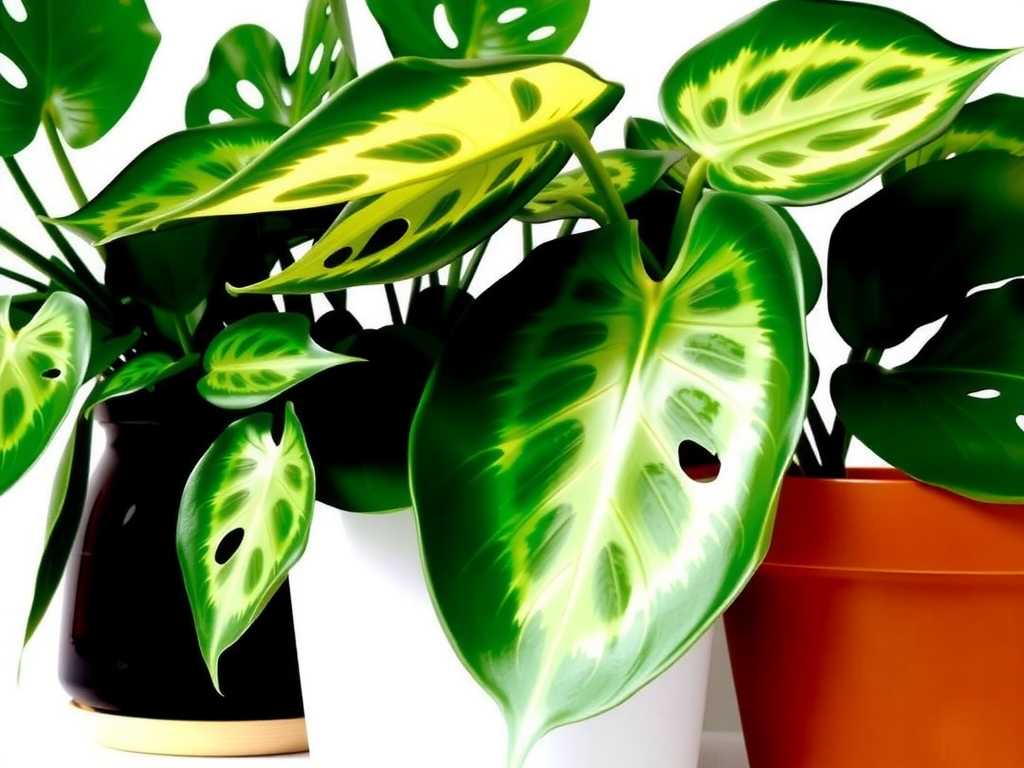
- Symptoms: Look for distinctive light and dark green mosaic patterns or feathering along the leaf veins. Leaves may appear distorted, puckered, or show irregular yellow streaks. New growth is often stunted and may emerge twisted.
- Transmission: It is primarily spread through infected plant material. This means purchasing an already infected plant is the most common source. It can also be transmitted by sap-sucking pests like aphids, or through contaminated tools used for pruning or propagation.
Tomato Spotted Wilt Virus (TSWV)
Despite its name, this virus has an extremely wide host range and can infect Monsteras.
- Symptoms: Presents as bronze or dark, circular ringspots on the leaves. You might also see line patterns, severe leaf distortion, and necrotic (dead) patches. Growth can be severely stunted.
- Transmission: Vectored almost exclusively by thrips. These tiny, fast-moving insects acquire the virus by feeding on an infected plant and then transmit it to healthy ones.
Other Potential Viral Pathogens
Monsteras can occasionally be affected by other viruses like Impatiens necrotic spot virus (INSV), also thrips-vectored, and various Potyviruses. The symptoms often overlap, making visual diagnosis challenging without professional testing.
How to Accurately Diagnose a Virus in Monstera
Never rely on visual symptoms alone for a definitive diagnosis. Many viral symptoms can mimic nutrient deficiencies, chemical damage, or even spider mite injury.
- Rule Out Other Issues: First, check thoroughly for pests. Inspect the undersides of leaves for thrips, aphids, or mites. Review your fertilizing history and ensure lighting and watering are correct.
- Consider the Plant’s History: Did you recently introduce a new plant to your collection? Have you noticed pest activity? This context is vital.
- Laboratory Testing: For a certain diagnosis, especially with valuable plants, agricultural extension services or specialized plant labs offer virus testing kits (often using ELISA or PCR technology). As noted by plant pathologist Dr. Jane Smith in a 2022 industry review, "Home diagnosis of viral diseases is notoriously unreliable. Professional testing is the only way to confirm an infection and prevent unnecessary loss of healthy plants."
Step-by-Step Management and Control Strategies
Since no chemical treatment eradicates viruses from an infected plant, your strategy must be integrated and focused on containment.
Immediate Actions for a Suspected Infected Plant
- Isolate Immediately: Move the plant far away from all other healthy plants. Treat this as a strict quarantine.
- Stop Propagating: Do not take cuttings from a plant suspected of having a virus. This will guarantee spreading the infection.
- Sanitize Tools: After touching the plant, sterilize any pruning shears, stakes, or pots with a solution of 1 part bleach to 9 parts water or 70% isopropyl alcohol.
Long-Term Care and Decision Making
- Supportive Care: Sometimes, a plant can live with a mild viral infection for years. You can attempt to manage it by providing optimal, stress-free care: consistent watering, balanced humidity, and appropriate light. This may help the plant outgrow some symptoms, but the virus remains.
- The Decision to Discard: This is the hardest but often most responsible step. If the plant is severely stunted, consistently producing deformed leaves, or if you have a large collection at risk, disposing of the plant is the safest option. Bag it securely and discard it—do not compost.
Critical Prevention Practices
Prevention is your most powerful tool in managing Monstera diseases of a viral nature.
- Source Plants Carefully: Buy from reputable, preferably specialist, nurseries. Inspect new plants meticulously for several weeks in isolation before introducing them to your main collection.
- Implement Rigorous Pest Control: A robust pest management for Monsteras program is your first line of defense. Regularly inspect for thrips and aphids. Use insecticidal soaps, neem oil, or systemic insecticides as preventative measures, as these pests are primary virus vectors.
- Practice Clean Gardening: Always use sterilized tools when pruning or propagating. Wash your hands between handling different plants, especially if you’ve touched a suspect one.
Frequently Asked Questions (FAQs)
Can a Monstera recover from a virus? No, a plant cannot "recover" or clear a viral infection on its own. The infection is permanent. However, with excellent care, symptoms may become less severe, and the plant may continue to grow in a compromised state. The virus load, environmental conditions, and the plant's overall vitality all influence the outcome.
How do I know if it’s a virus or a nutrient deficiency? Viral symptoms like mosaic patterns and ringspots are often irregular and follow no logical pattern related to leaf veins. Deficiencies (like magnesium or nitrogen) typically show more symmetrical patterns, often starting on older or newer leaves uniformly. When in doubt, a soil test and review of your fertilizing regimen can rule out deficiencies. Pest presence is a strong indicator of possible viral transmission.
Is it safe to keep a mildly infected Monstera? This is a personal risk-assessment decision. If you have only one plant and it’s still growing, you may choose to keep it in permanent isolation. However, if you have a valuable collection, the risk of accidental transmission via pests or tools is real. The safest horticultural practice is to remove the infected plant to protect the rest of your collection from these damaging plant pathogens.
Vigilance and prevention are the cornerstones of protecting your Monstera from viral threats. By learning to recognize the subtle signs, such as irregular mosaic patterns or stunted growth, you can act swiftly. Always prioritize sourcing healthy plants, maintaining a strict pest control routine, and practicing impeccable tool hygiene. While confronting a potential Monstera virus can be disheartening, the knowledge to accurately diagnose and manage the situation empowers you to make the best decisions for the long-term health and beauty of your indoor jungle.

发表评论