 admin
admin Keeping your Monstera deliciosa healthy and vibrant is a joy, but the discovery of pests like spider mites, thrips, or fungus gnats can quickly turn that joy into frustration. You want to protect your beloved Swiss Cheese Plant, but the thought of using harsh chemical pesticides indoors is concerning. What if they harm your plant, your pets, or your family? The good news is that you have effective, safer alternatives. This comprehensive guide explores the world of organic pesticides for Monstera, detailing safe products you can use with confidence to tackle common infestations while aligning with a natural plant care philosophy.
Understanding Why Organic Pest Control is Ideal for Monstera
Monstera plants, often placed in living spaces, require a pest control approach that prioritizes safety. Chemical pesticides can leave residual toxins on those large, beautiful leaves, potentially affecting indoor air quality and posing risks to curious children and pets. Organic pesticides for Monstera, derived from natural sources, offer a targeted approach. They typically work by disrupting pests' life cycles or physical structures without leaving harmful, long-lasting chemical residues. This method supports a balanced mini-ecosystem in your home and is often sufficient for managing the sporadic pest outbreaks that indoor plants experience.
Key Principles of Effective Organic Pest Management
Before reaching for any treatment, remember that organic does not automatically mean harmless to plants. Always test any spray on a small, inconspicuous leaf area and wait 24-48 hours to check for adverse reactions. Consistency is also crucial; organic products often require repeated applications at specific intervals to break the pest reproduction cycle. Furthermore, treatment should always be combined with mechanical removal—like wiping leaves with a damp cloth or using a strong water spray—and cultural controls, such as isolating the affected plant and optimizing watering habits to avoid creating a pest-friendly environment.
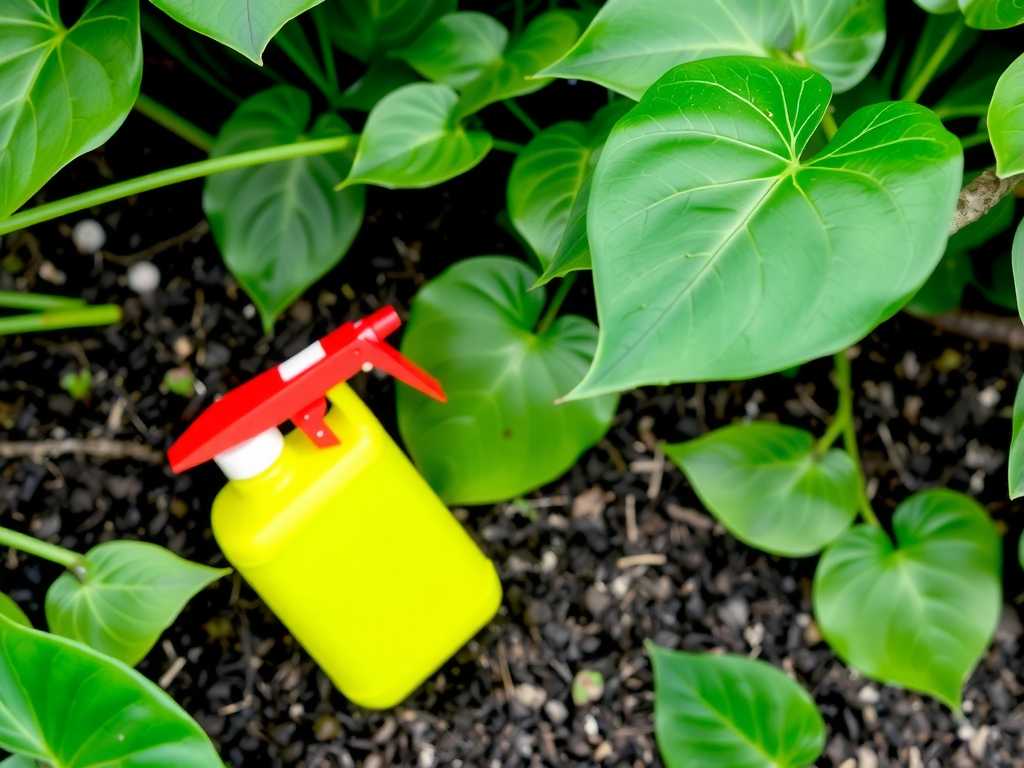
Top Safe and Effective Organic Pesticide Options for Monstera
Here, we break down the most reliable safe products to use on your Monstera, explaining how they work and their best applications.
Insecticidal Soaps: The Gentle First Line of Defense
Insecticidal soaps are potassium fatty acid salts that work by breaking down the protective outer coating of soft-bodied insects like aphids, mealybugs, and spider mites, causing dehydration. They are contact pesticides, meaning you must thoroughly coat the pest for it to be effective.
- How to Use: Purchase a ready-to-use organic insecticidal soap or make a dilute solution with a pure castile soap. Apply thoroughly to all leaf surfaces, especially the undersides, until dripping. Repeat every 4-7 days for 2-3 weeks.
- Best For: Light to moderate infestations of common soft-bodied pests. It's a excellent initial treatment.
Neem Oil: The Broad-Spectrum Organic Standard
Neem oil is a powerhouse extracted from the seeds of the neem tree. It acts as both a repellent and a pest disruptor, interfering with feeding, molting, and reproduction. It's one of the most recommended organic treatments for Swiss Cheese Plants due to its effectiveness against a wide range of pests including scale, thrips, and fungus gnats.
- How to Use: Always use a clarified, hydrophobic neem oil extract mixed with water and an emulsifier (like a mild soap). Spray in the evening or away from direct light to prevent leaf burn. Apply weekly for prevention or every 3-5 days during an active infestation.
- Best For: Persistent or broader infestations, and as a regular preventative treatment.
Horticultural Oils (Dormant & Summer Oils)
These are highly refined oils (like mineral or plant-based oils) that smother pests and their eggs by coating them. Summer oils are lighter and safe for use on growing plants, while dormant oils are heavier and used on leafless plants.
- How to Use: Dilute according to label instructions meticulously. Spray a fine mist over the entire plant, ensuring complete coverage. Do not apply in high heat or on water-stressed plants.
- Best For: Scale insects, mite eggs, and other stubborn pests that form protective shields.
Diatomaceous Earth (DE): The Physical Barrier
Diatomaceous earth is a fine powder made from fossilized algae. Its microscopic sharp edges physically damage the exoskeletons of crawling insects, leading to dehydration. It is completely non-toxic but must be kept dry to work.
- How to Use: Wear a mask to avoid inhalation. Lightly dust a thin layer on the top of the soil to combat fungus gnat larvae. You can also create a barrier around the plant's base.
- Best For: Soil-dwelling pests like fungus gnats, and as a deterrent for crawling insects.
Biological Controls: Introducing Natural Predators
This method involves adding beneficial insects that prey on pests. It’s a highly effective, hands-off organic solution for Monstera pest problems.
- How to Use: For indoor use, hypoaspis mites or beneficial nematodes can be introduced to the soil to control fungus gnat and thrip larvae. Predatory mites like Amblyseius swirskii can help control thrips and spider mite populations.
- Best For: Enthusiasts looking for a sustainable, long-term management strategy, especially in enclosed plant cabinets or rooms.
A Step-by-Step Treatment Plan for Common Monstera Pests
- Identification and Isolation: Immediately isolate your Monstera to prevent the pests from spreading. Correctly identify the pest (e.g., webbing for spider mites, white fluff for mealybugs).
- Initial Physical Removal: Wipe large leaves with a soapy water solution. Use a soft brush for mealybugs or a strong jet of water (in the shower) to dislodge many pests.
- Apply Your Chosen Organic Pesticide: Select from the options above based on the pest type. Follow dilution and application instructions precisely. Ensure full coverage.
- Monitor and Repeat: Inspect the plant every few days. Most organic pesticides require reapplication in 5-7 days to target newly hatched eggs or surviving pests. Continue for at least 2-3 life cycles of the pest.
- Correct Cultural Conditions: Address the root cause. Overwatering often leads to fungus gnats, while stressed or dusty plants attract spider mites. Ensure proper light, watering, and humidity for a resilient Monstera.
Frequently Asked Questions
Can I use homemade sprays like vinegar or garlic on my Monstera? It is not generally recommended. While sometimes suggested online, vinegar is highly acidic and can severely burn Monstera leaves. Garlic sprays can also cause phytotoxicity and may harm soil microbiology. Safer, proven options like insecticidal soap or neem oil are more reliable and less risky for your plant's health.
How often should I apply neem oil as a preventative? For prevention, applying a diluted neem oil solution once every 2-4 weeks is sufficient. Focus on the leaf undersides and stems. Always apply during low-light conditions and ensure your plant is not under water stress before application to minimize any risk of leaf damage.
Are organic pesticides safe for pets? While vastly safer than synthetic chemicals, "organic" does not equal "non-toxic." Keep pets away until sprays have fully dried. Neem oil, for instance, can cause stomach upset if ingested by pets. Diatomaceous earth should be food-grade and applied in a way that minimizes airborne dust, which can irritate lungs. Always store products out of reach.
Embracing organic pest control for your Monstera is a proactive choice for a healthier home and a thriving plant. By starting with the gentlest methods, like physical removal and insecticidal soap, and escalating to neem oil or biological controls if needed, you can effectively manage outbreaks. Success lies in early detection, consistent application, and pairing treatments with optimal plant care. Your Monstera can overcome pest challenges and continue to grow magnificently, all within a safe, natural environment you can feel good about.


发表评论