 admin
admin Natural Monstera Pest Control: DIY Remedies (No Chemicals)
You’ve nurtured your Monstera deliciosa, watching its magnificent, fenestrated leaves unfurl with pride. But lately, you’ve noticed something unsettling. Tiny webs cling to the undersides of leaves, or perhaps you see small, immobile bumps along the stems. Your beloved plant is under attack by pests. The immediate instinct might be to reach for a chemical insecticide, but you hesitate. You want a safer solution for your home, your pets, and the plant itself. The good news is that effective natural Monstera pest control is not only possible but often superior. This guide will walk you through proven, chemical-free DIY remedies to reclaim your plant’s health.
Why Choose Natural Pest Control for Your Monstera?
Chemical pesticides can be a blunt instrument. They may disrupt your indoor ecosystem, leave residues, and harm beneficial insects if your plant enjoys summer outdoors. More importantly, many common Monstera pests, like spider mites and mealybugs, can develop resistance to chemicals over time. Natural and DIY approaches focus on physical removal, disrupting the pest life cycle, and using gentle yet effective substances to manage infestations. These methods align with a holistic plant care philosophy, treating the cause and strengthening your Monstera’s natural defenses.
Step 1: Accurate Identification – Know Your Enemy
Before you treat, you must identify the pest correctly. Different DIY remedies for plant pests target different adversaries. Here are the most common culprits on Monsteras:
- Spider Mites: These are tiny arachnids, not insects. Look for fine, silky webbing, especially where leaves join stems. Leaves may have a stippled, dusty, or yellow appearance.
- Mealybugs: They look like small, white, cottony masses in leaf axils, on stems, and under leaves. They suck sap and excrete sticky honeydew.
- Scale: Appear as small, brown, tan, or white bumps on leaves and stems. They don’t move once settled and can be scraped off with a fingernail.
- Fungus Gnats: Small, black flies that hover around the soil. Their larvae live in the top layer of damp soil, feeding on organic matter and sometimes roots.
- Thrips: Tiny, slender insects that leave silvery streaks and black specks (excrement) on leaves.
Step 2: Initial Isolation and Physical Removal
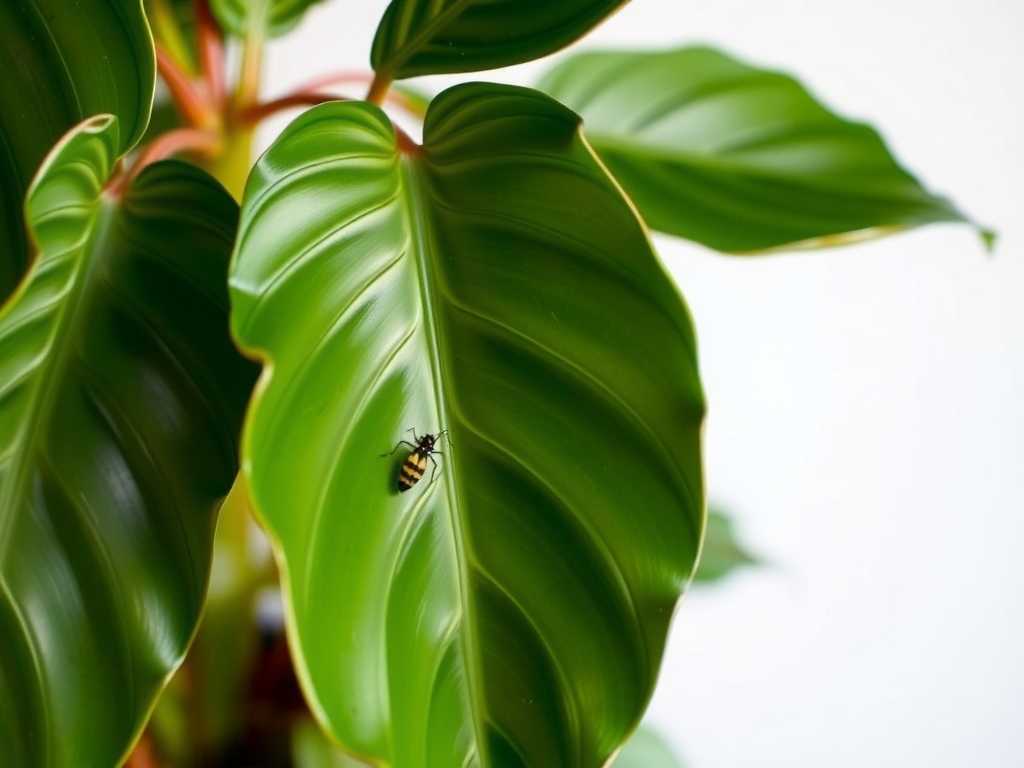
Upon detecting pests, immediately isolate your Monstera from other plants to prevent spread. Then, begin with manual methods:
- Shower Power: Gently but thoroughly rinse your plant in the shower or with a hose outdoors. Use a strong stream of lukewarm water to dislodge a significant portion of pests like spider mites and aphids. Focus on the undersides of leaves.
- Manual Wiping: For mealybugs and scale, dip a cotton swab in rubbing alcohol (isopropyl alcohol 70%) and dab each insect directly. The alcohol dissolves their protective coating, killing them on contact. Follow by wiping leaves with a soft, damp cloth.
- Pruning: Severely infested, yellowing, or damaged leaves should be pruned off with sterile shears. Dispose of them in a sealed bag, not the compost.
Proven DIY Pest Control Sprays and Treatments
After physical removal, apply one of these homemade solutions for Monstera bugs to treat remaining pests and eggs.
The Neem Oil Solution: Your All-Round Defender
Neem oil is a potent, natural insecticide, fungicide, and miticide derived from the neem tree. It works by disrupting the hormonal systems of pests, preventing them from feeding, growing, and laying eggs. Horticultural expert Dr. Linda Chalker-Scott, in her work with the Washington State University Extension, notes that neem oil is most effective when applied consistently and thoroughly, as it has low toxicity to mammals and birds.
- Recipe: Mix 1-2 teaspoons of pure, cold-pressed neem oil with 1 teaspoon of mild liquid soap (like Castile soap) in 1 liter of warm water. The soap acts as an emulsifier.
- Application: Shake vigorously and spray every inch of the plant, especially under leaves, until dripping. Apply in the evening or away from direct sun to prevent leaf burn. Repeat every 5-7 days for at least 3-4 applications to break the pest life cycle.
The Insecticidal Soap Spray: Gentle Yet Effective
This works by breaking down the insects’ outer waxy layer, causing dehydration. It’s excellent for soft-bodied pests like aphids, mealybugs, and young scale.
- Recipe: Combine 1 tablespoon of pure liquid Castile soap (avoid degreasers or harsh detergents) with 1 liter of water.
- Application: Spray thoroughly on all plant surfaces. Test on a small leaf first to check for sensitivity. Rinse the plant after a few hours. Reapply every 4-7 days as needed.
For Soil Pests: The Hydrogen Peroxide Drench
This is a specific remedy for fungus gnat larvae in the soil. A diluted hydrogen peroxide solution oxygenates the soil and kills larvae on contact without harming your plant’s roots.
- Recipe: Mix one part 3% hydrogen peroxide with four parts water.
- Application: Water your Monstera with this solution until it runs out the drainage holes. Allow the soil to dry out more than usual between waterings, as gnats thrive in moist conditions. Yellow sticky traps will catch the adult flies.
Creating a Hostile Environment: Prevention is Key
The best natural Monstera pest control is prevention. Pests often target stressed or weak plants.
- Optimize Care: Ensure proper, bright indirect light, consistent watering (allowing the top inch of soil to dry), and adequate humidity (Monsteras love 40-60% humidity). A healthy plant is more resilient.
- Regular Inspection: Make checking the undersides of leaves part of your weekly watering routine. Early detection makes everything easier.
- Quarantine New Plants: Always isolate new plants for 2-3 weeks before placing them near your collection.
- Natural Deterrents: A light monthly spray with the neem oil solution can act as an excellent preventive measure.
Frequently Asked Questions
Q: Can I use dish soap for my insecticidal spray? A: It’s not recommended. Modern dish soaps often contain degreasers, fragrances, and detergents designed for dishes, not plants. These can strip the protective cuticle from your Monstera’s leaves, causing damage. Pure Castile soap is a much safer and effective choice.
Q: How often should I apply neem oil to see results? A: Consistency is crucial. Apply your neem oil spray every 5 to 7 days. This schedule targets newly hatched pests that weren’t affected by the previous application. You typically need 3-4 applications to fully interrupt the breeding cycle and gain control. Always spray in the evening.
Q: Are these natural methods safe for my pets? A: While far safer than synthetic chemicals, caution is still advised. Keep pets away until sprays like neem oil or soap have fully dried. The concentrated forms of these ingredients should be stored out of reach. Always monitor your pet’s interaction with any treated plant.
Tackling pests on your Monstera doesn’t require harsh chemicals that compromise your home environment. By starting with accurate identification, employing diligent physical removal, and consistently applying targeted, natural sprays like neem oil or insecticidal soap, you can effectively manage infestations. Remember, the cornerstone of pest management is fostering a strong, healthy plant through optimal care. With patience and these gentle, DIY strategies, you can ensure your Monstera continues to thrive, showcasing its stunning, pest-free foliage for years to come.

发表评论