 admin
admin Chemical Pest Control for Monstera: When & How to Apply Safely and Effectively
You’ve nurtured your Monstera deliciosa, watching its magnificent, fenestrated leaves unfurl with pride. But one day, you notice tiny webs, sticky residue, or discolored specks marring its beauty. A closer look confirms your worst fear: an infestation. Pests like spider mites, mealybugs, thrips, and scale can quickly turn your thriving jungle centerpiece into a struggling plant. While neem oil and insecticidal soap are often the first line of defense, sometimes a more robust solution is necessary. Knowing when and how to apply chemical pest control for Monstera is crucial to rescuing your plant without causing harm. This guide will walk you through the safe, strategic use of chemical treatments, ensuring you act decisively at the right time and with the correct methods.
Understanding the Need for Chemical Interventions
Chemical pesticides should never be the first option, but they become a necessary tool in specific, severe scenarios. The decision to escalate from organic to chemical control hinges on the type of pest, the scale of the infestation, and the failure of gentler methods.
- Severe Infestation Levels: When pests are visible on a majority of leaves, stems, and even in the soil, manual removal and organic sprays may be insufficient. A rapidly spreading colony of spider mites or a plant completely coated in scale requires a faster, more definitive action to prevent permanent damage or plant death.
- Resilient Pest Types: Some pests, like certain scale insects or root mealybugs, have protective coatings or hidden habitats that make them less susceptible to contact-based organic treatments. Systemic chemical pesticides, which are absorbed by the plant, can target these stubborn invaders more effectively.
- Failed Organic Treatment: If you have diligently applied multiple rounds of insecticidal soap or neem oil over 3-4 weeks with no significant reduction in pest population, the infestation may be too established. As noted by entomologist Dr. Sarah Jandricic in a greenhouse management report, "Timing and persistence are key; when cultural and biological controls are overwhelmed, targeted chemical intervention can save the plant and prevent the infestation from spreading to others."
Critical Precautions Before You Begin
Your safety and the plant’s health are paramount. Always adhere to these non-negotiable rules:
- Positive Identification: Accurately identify the pest. Using a miticide for aphids is ineffective. Take clear photos or consult a local nursery.
- Isolate the Plant: Immediately move the infested Monstera away from all other houseplants to contain the outbreak.
- Read the Label. Then Read It Again: This is the law. The product label is your instruction manual. It specifies the target pests, application rates, safety gear, and re-application intervals. Never deviate.
- Gear Up: Wear long sleeves, long pants, chemical-resistant gloves, eye protection, and a mask. Apply in a well-ventilated area, ideally outdoors.
- Choose the Right Product: Select a pesticide specifically labeled for your pest and safe for use on ornamental foliage plants. Key terms to look for:
- Systemic Pesticides: These are absorbed by the plant (often through the roots) and make the sap toxic to sucking pests. Ideal for scale, mealybugs, and thrips.
- Contact Pesticides: These kill on direct contact. They are useful for exposed pests like aphids but may miss hidden eggs.
The Step-by-Step Guide to Applying Chemical Pest Control
Once you have taken all precautions and chosen the appropriate product, follow this meticulous process for how to apply chemical pesticides to houseplants like Monstera.
Step 1: Preparation and Pruning Thoroughly water your Monstera a day before application. A hydrated plant is less stressed. Put on your safety gear. Prune away the most severely infested leaves—those that are more than 50% damaged or covered in pests. Seal them in a plastic bag and discard them immediately. This reduces the pest load significantly.
Step 2: The Initial Application Mix the chemical concentrate exactly as directed on the label. Never use a "stronger" dose, thinking it will work better; this can burn leaves and harm the plant.
- For Foliar Sprays (Contact & Systemic): Spray every inch of the plant. This includes the tops and undersides of Monstera leaves, stems, and aerial roots. Pests love to hide on the leaf undersides. Spray until the liquid begins to drip off (this is called "to the point of runoff"). Ensure you cover all surfaces for comprehensive pest management on Monstera.
- For Soil Drenches (Systemic): Mix the specified amount in water and slowly pour it into the soil, ensuring even saturation. The plant’s roots will absorb the chemical, distributing it throughout its system.
Step 3: Post-Treatment Care Allow the plant to dry completely in its isolated, ventilated location before bringing it back indoors. Keep it isolated from other plants for at least 2-3 weeks. Do not fertilize for at least a month after treatment, as the plant is under stress.
Step 4: The Follow-Up Cycle One application is never enough. Most pesticides kill active nymphs and adults but not all eggs. You must break the life cycle.
- Consult the label for the re-application interval (often 7-14 days).
- Apply the treatment again for 2-3 cycles, even if you see no pests. This ensures you eradicate newly hatched insects before they can reproduce.
Monitoring and Preventing Future Infestations
After your treatment cycle, monitor the plant weekly for any signs of resurgence. Introduce preventative measures:
- Regular Inspection: Make checking the undersides of Monstera leaves part of your weekly watering routine.
- Optimal Health: A healthy Monstera is more resistant. Provide bright, indirect light, proper watering, and adequate humidity.
- Quarantine New Plants: Always isolate new plants for 2-3 weeks before placing them near your collection.
Frequently Asked Questions
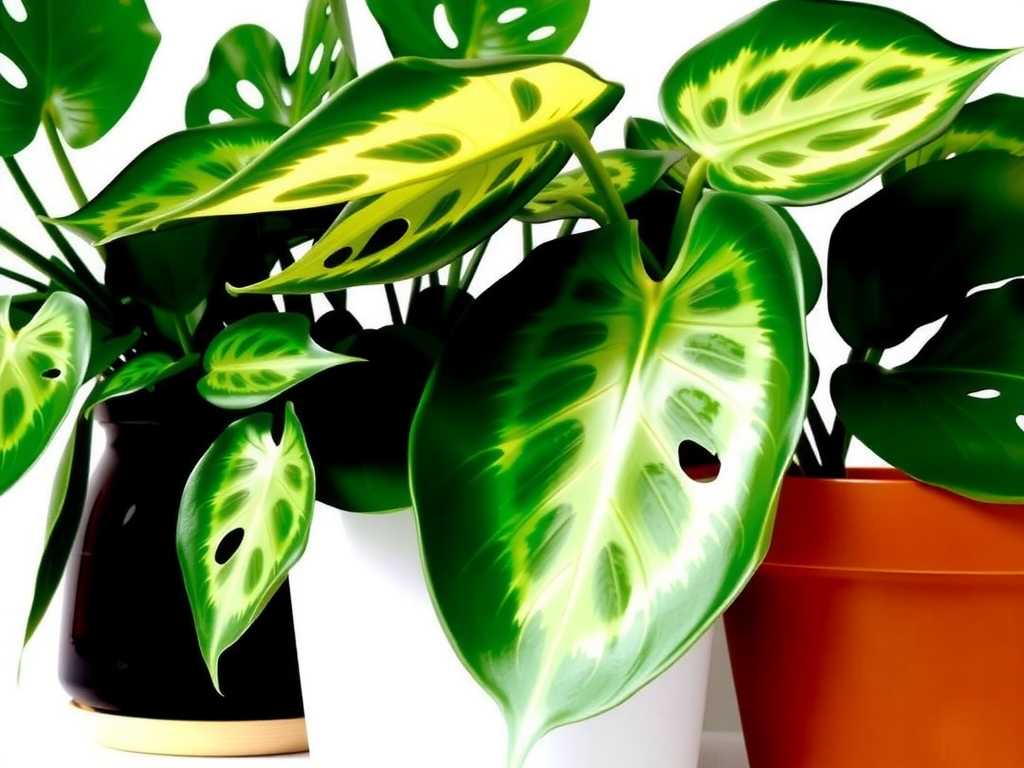
Can I use chemical pesticides on my Variegated Monstera? Extra caution is advised. Variegated Monsteras (like Albo or Thai Constellation) are often more sensitive. Before full application, test the pesticide on a small, inconspicuous part of a leaf and wait 48 hours to check for phytotoxicity (burning or damage). When in doubt, opt for a milder systemic granule applied to the soil at the lower end of the dosage range.
Is it safe to use chemical pest control indoors? It can be done safely with extreme caution. You must use products labeled for indoor use. Apply the plant outdoors or in a garage, allow it to dry completely, and ensure the room has excellent ventilation for several hours after bringing it back in. Never spray indoors near air vents, pets, or children. Consider covering the soil with a bag during spraying to prevent runoff.
How long should I wait after treatment before I can safely touch my plant? This is a critical safety question. The answer depends entirely on the specific product. Most systemics require the plant to be dry to the touch, but the residual protection can last weeks. Always refer to the product label for the specific re-entry interval (REI). As a general rule, wear gloves when handling any recently treated plant for at least several weeks, and always wash your hands thoroughly afterward.
Successfully using chemical pest control on your Monstera is about informed, careful action. It is a response reserved for serious threats, executed with precision and patience. By correctly identifying the problem, selecting the targeted solution, and following the application protocol without shortcuts, you can eliminate the infestation and give your Monstera a clear path to recovery. The goal is not just to save the plant today, but to restore it to long-term health and vitality, ensuring those iconic split leaves continue to thrive in your space for years to come.

发表评论