 admin
admin Monstera Black Spots on Leaves: Disease or Pest? (With Fixes)
Discovering ominous Monstera black spots on leaves can instantly dampen the joy of caring for your beloved Swiss Cheese Plant. Is it a fatal disease, a pest invasion, or simply a cry for help? The sudden appearance of these dark blemishes is a common and alarming issue for plant owners. This guide will demystify the causes, from fungal infections to environmental stress, and provide clear, actionable fixes to restore your Monstera’s health and vibrant beauty.
Understanding the specific pattern, location, and accompanying symptoms of the black spots is the first critical step toward an accurate diagnosis and effective treatment.
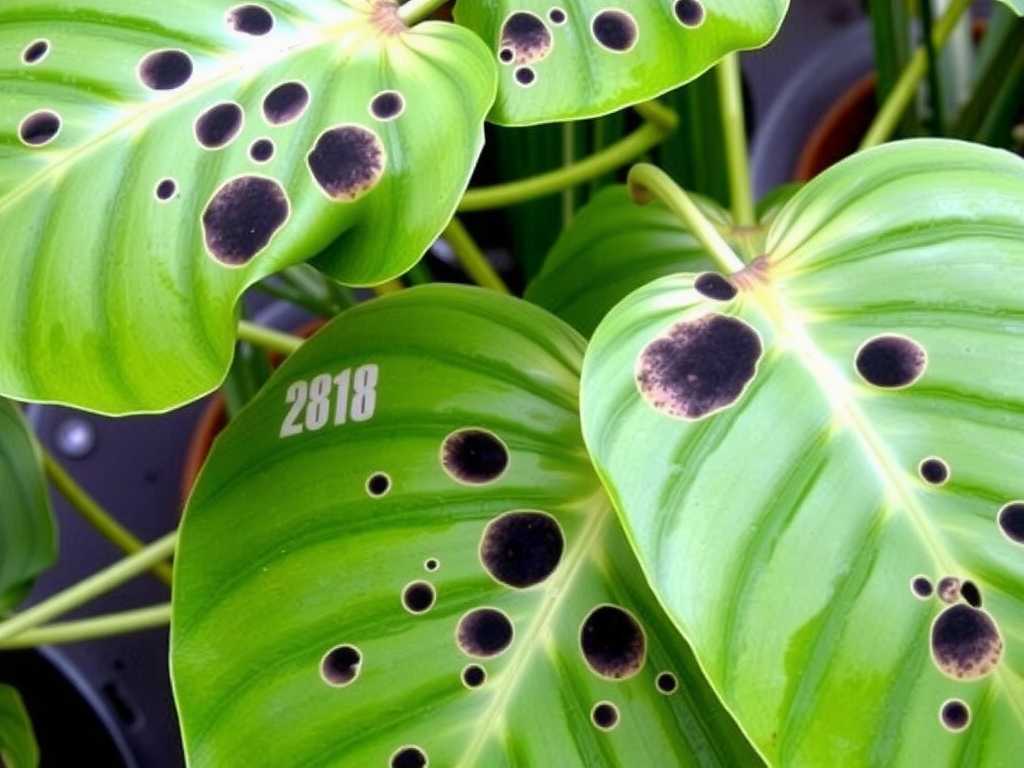
Diagnosing the Cause of Black Spots on Your Monstera
Not all black spots are created equal. Carefully examining their appearance and your plant’s overall condition will point you toward the root cause.
1. Fungal and Bacterial Diseases (The Most Common Culprits)
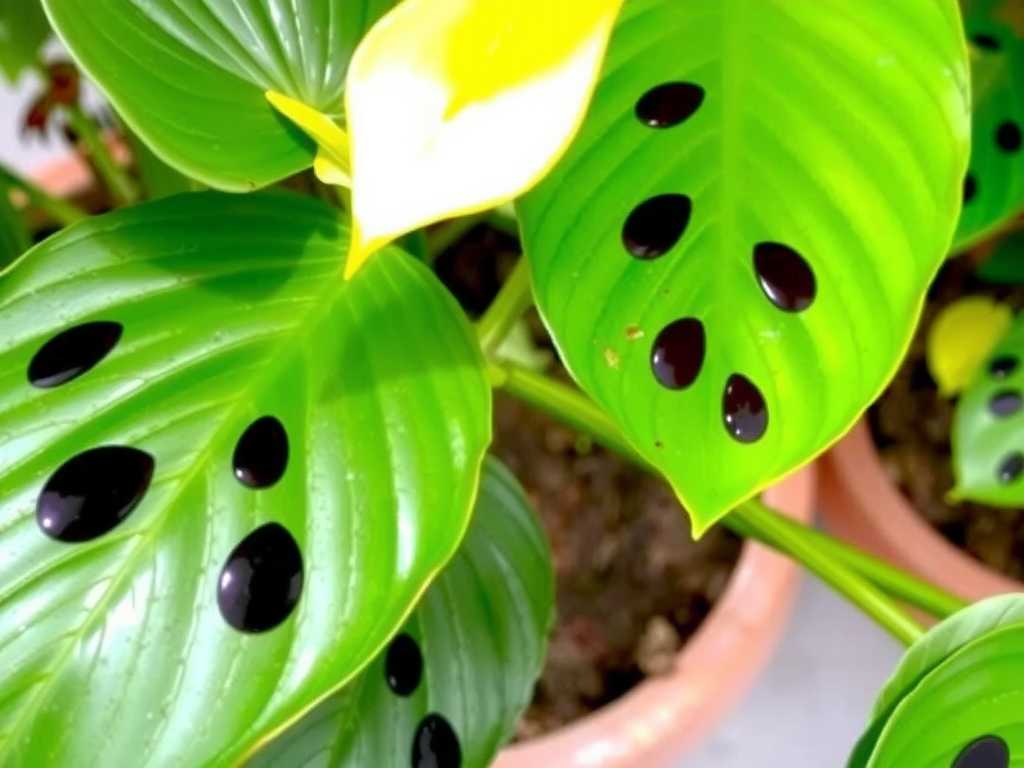
Often, black spots signal a pathogenic issue. These are among the most serious causes and require prompt attention.
- Leaf Spot Diseases (e.g., Anthracnose): This is a frequent offender. Look for irregular, dark brown to black spots that may start small and enlarge. The spots might have a yellow halo surrounding them and can appear anywhere on the leaf. In advanced stages, the centers may become brittle and fall out, leaving holes. It thrives in overly moist conditions.
- Root Rot (Often Manifesting as Leaf Spots): This is a silent killer caused by chronic overwatering. While the primary damage is underground, the above-ground symptoms include widespread yellowing leaves, stunted growth, and the development of black or dark brown spots, often starting at the base or edges of older leaves. The plant cannot uptake water or nutrients due to decaying, mushy roots.
- Bacterial Leaf Spot: These spots often appear water-soaked or greasy at first, later turning black or dark brown. They may be angular, confined by the leaf veins, and can spread rapidly in warm, humid environments. A foul odor is sometimes present in severe cases.
2. Pest Infestations
Sap-sucking pests can cause physical damage that turns into black spots.
- Scale Insects: These immobile, bump-like pests attach themselves to stems and the undersides of leaves. Their feeding weakens the plant and excretes a sticky substance called honeydew. This honeydew then encourages the growth of sooty mold—a black, powdery fungus that coats the leaf surface. While the mold itself is not pathogenic, it blocks sunlight and is a clear sign of a pest problem.
- Thrips and Spider Mites: These tiny pests scrape and pierce leaf cells to feed, leaving behind silvery speckles or stippling. This damaged tissue can later die and turn into small black spots or fecal specks.
3. Environmental Stress and Physical Damage
Sometimes, the cause is not biological but cultural. Improper Monstera care directly leads to leaf distress.
- Overwatering and Poor Drainage: This is the single most common cause of plant health issues. Consistently soggy soil suffocates roots, creating the perfect environment for root rot and fungal diseases that manifest as black spots.
- Low Humidity: While Monsteras are adaptable, very dry air, especially combined with other stresses, can cause leaf edges and tips to turn brown or black and become crispy.
- Sunburn: Direct, harsh sunlight can scorch the leaves, causing large, irregular, dry, brown or black patches, typically on the areas most exposed to the sun.
- Physical Injury: Bruises from handling, bumps, or pressure can damage internal leaf cells, leading to localized blackening.
Effective Fixes and Treatment Plans
Once you’ve identified the likely cause, follow these targeted steps to rescue your plant.
Immediate Action Steps for Any Cause
- Isolate the Plant: Prevent potential spread of pests or disease to your other houseplants.
- Prune Affected Leaves: Using sterilized pruning shears, carefully remove severely spotted leaves. For leaves with minor spots, you can trim off just the affected portion. Dispose of these leaves in the trash, not the compost.
- Inspect Thoroughly: Check the undersides of leaves, stems, and the soil surface for any signs of pests.
Treatment for Fungal or Bacterial Issues
- Adjust Watering: Let the top 2-3 inches of soil dry out completely before watering again. Ensure your pot has excellent drainage holes. Consider the "soak and dry" method.
- Improve Air Circulation: Place your Monstera in a well-ventilated area. A gentle fan can help reduce stagnant, humid air around the foliage.
- Apply Fungicide: For persistent fungal problems, use a copper-based fungicide or a product containing neem oil, following the label instructions carefully. Apply to both the tops and bottoms of leaves.
- Address Root Rot: If you suspect root rot, you must act fast. Gently remove the plant from its pot and wash away the soil. Snip off all mushy, brown, or black roots with sterile tools. Repot into fresh, well-draining aroid mix and a clean pot. Water sparingly until new growth appears.
Treatment for Pest Infestations
- Manual Removal: For scale, use a cotton swab dipped in rubbing alcohol to wipe off each insect.
- Spray Treatments: For thrips, spider mites, and other small pests, spray the plant thoroughly (especially under leaves) with a solution of insecticidal soap or neem oil. Repeat every 5-7 days for at least 3-4 applications to break the pest life cycle.
- Wipe Sooty Mold: Once the pest infestation is under control, the sooty mold can be gently wiped off the leaves with a damp cloth.
Correcting Environmental Stress
- Optimize Watering Habits: Always check the soil moisture first. Your Monstera prefers to dry out partially between waterings.
- Provide Bright, Indirect Light: Move your plant away from direct southern or western sun exposure. A spot near an east-facing window is often ideal.
- Increase Humidity: Group plants together, use a pebble tray, or employ a humidifier to raise humidity levels, especially in winter.
- Avoid Physical Harm: Handle leaves gently and place your plant where it won’t be frequently brushed against.
Prevention: The Best Long-Term Strategy
Consistent, proper care is your Monstera’s best defense. Use a well-draining potting mix, water wisely, provide stable bright indirect light, and clean the leaves regularly to allow for efficient photosynthesis and pest inspection. A healthy plant is far more resistant to diseases and pests.
Can black spots on Monstera leaves spread to other plants? Yes, if the cause is a fungal/bacterial pathogen or a mobile pest like thrips, it can easily spread. This is why immediate isolation of the affected plant is a crucial first step.
Should I cut off the leaves with black spots? Yes, it is generally recommended to prune severely affected leaves. This improves the plant's appearance, reduces the source of infection (if disease-related), and allows the plant to redirect energy into healthy new growth. Always use clean, sharp tools.
How can I tell if black spots are from overwatering or underwatering? Overwatering typically leads to soft, dark brown or black spots, often with yellowing leaves, and the soil will stay wet. Underwatering causes leaves to become uniformly crispy, dry, and brown, starting at the tips and edges, with the soil being completely dry. The black spots from overwatering are often part of a larger pattern of decline.
发表评论