 admin
admin Monstera Sticky Leaves: How to Treat Honeydew from Pests
You’ve lovingly cared for your Monstera, watching its magnificent leaves unfurl. But now, you’ve noticed a strange, shiny stickiness coating the foliage. When you touch it, your fingers come away tacky. This isn’t plant sap; it’s a distress signal. Those Monstera sticky leaves are a telltale sign of honeydew, a sugary waste product excreted by common houseplant pests. Left untreated, this sticky substance can attract sooty mold, block sunlight, and severely weaken your plant. This guide will walk you through exactly how to identify the culprits, safely eliminate them, and restore your Monstera to its glossy, healthy glory.
What Is Honeydew and Why Is It on My Monstera?
Honeydew is a clear, sticky liquid secreted by sap-sucking insects. Think of it as the pest’s processed waste. These pests pierce the plant’s vascular system to feed on the nutrient-rich phloem sap, which is high in sugars. They consume more than they can use, excreting the excess as honeydew. This substance then drips onto lower leaves, stems, and even your floor or furniture.
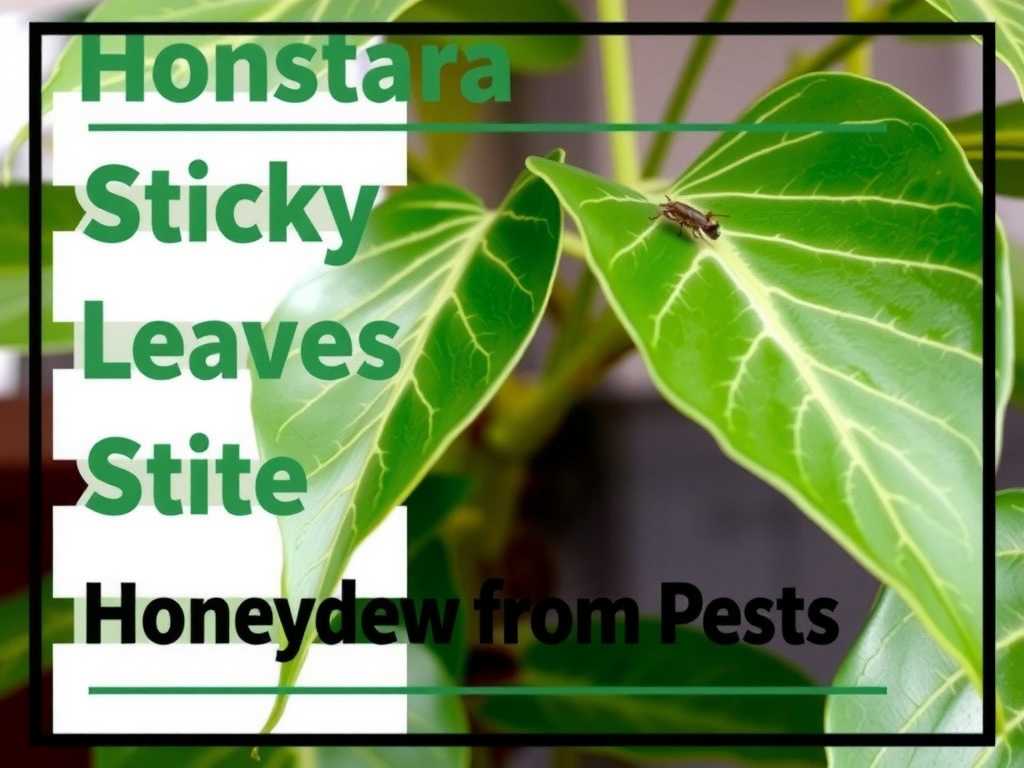
The presence of honeydew itself is a problem—it’s messy and can promote fungal growth—but it’s primarily a symptom. The real issue is the pest infestation causing it. Addressing honeydew from pests is a two-step process: eradicating the insects and cleaning the residue.
Identifying the Common Pests Behind the Stickiness
Before you start treatment, you need to know your enemy. Accurate identification is crucial for effective control. The most common pests that cause sticky leaves on Monstera are:
Scale Insects These are masters of disguise. They appear as small, brown, tan, or white bumps on stems and the undersides of leaves. They don’t look like insects at all but rather like part of the plant. They attach themselves firmly and suck sap, producing significant amounts of honeydew.
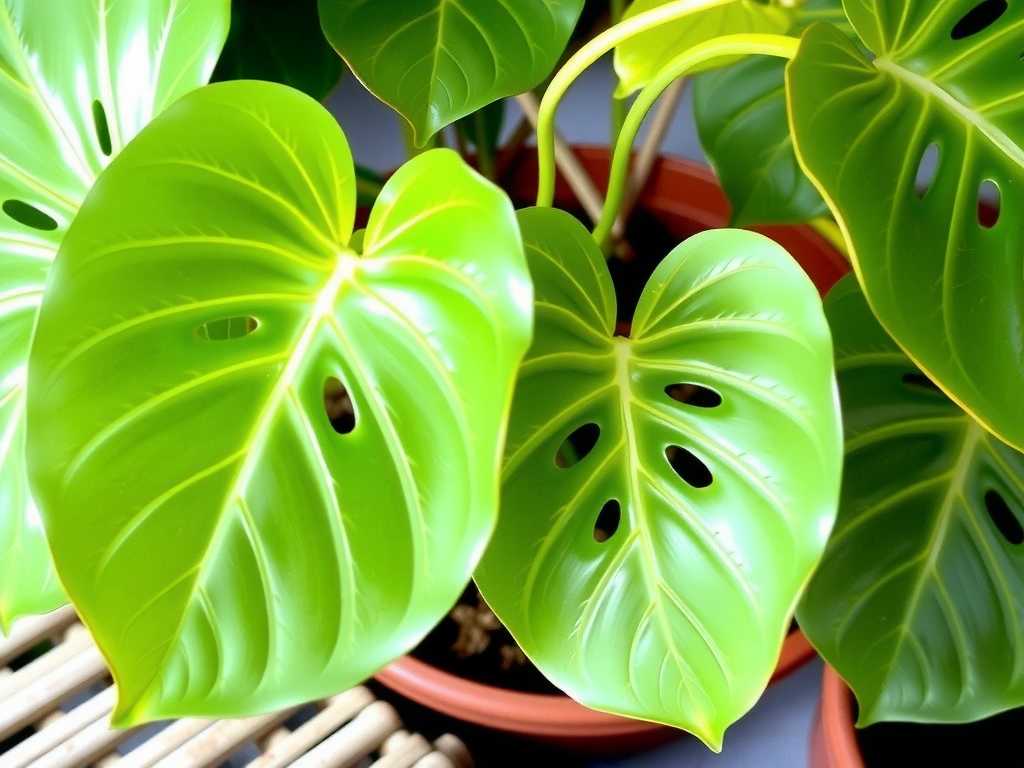
Mealybugs These pests look like tiny tufts of white cotton or powder. They tend to cluster in leaf axils (where the leaf meets the stem), on stems, and along the veins on the underside of leaves. They are slow-moving but prolific, and their waxy coating makes them somewhat resistant to water.
Aphids While less common on indoor Monsteras, they can appear, especially if the plant spends time outdoors. They are small, pear-shaped insects that can be green, black, brown, or yellow. They often cluster on new, tender growth.
Spider Mites These are tiny arachnids, nearly invisible to the naked eye. They often create fine, silky webbing on the plant, particularly under leaves and between stems. Their feeding causes stippling (tiny yellow dots) on leaves, and they can also produce honeydew, though the webbing is usually a more noticeable sign.
Step-by-Step Treatment: How to Treat Honeydew on Monstera Leaves
Now that you’ve identified the likely culprit, it’s time for action. Follow this comprehensive treatment plan.
Step 1: Immediate Isolation and Assessment Move your Monstera away from all other plants immediately. Pests spread quickly. Place it in a well-lit, separate area where you can work on it. Conduct a thorough inspection of every leaf—top and bottom—every stem, and check the soil surface.
Step 2: Physical Removal of Pests and Honeydew For scale and mealybugs, physical removal is highly effective.
- Use a cotton swab or a soft toothbrush dipped in 70% isopropyl alcohol. Dab each insect directly; the alcohol dissolves their protective coating and kills them on contact.
- For aphids, a strong jet of lukewarm water in the shower or sink can dislodge many of them. Hold the pot sideways to avoid drenching the soil excessively.
- To clean the sticky Monstera leaves, create a gentle solution of mild liquid soap (like castile soap) and warm water. Use a soft cloth to gently wipe down every leaf, both sides, and the stems. This removes honeydew, sooty mold, and any remaining pests. Rinse the leaves with clean water afterward.
Step 3: Applying Targeted Treatments After physical cleaning, apply a treatment to address any remaining pests and eggs.
- Insecticidal Soap: This is a safe and effective first line of defense for mealybugs, aphids, and young scale. It works by breaking down the insects’ cell membranes. Spray thoroughly, covering all surfaces, and repeat every 4-7 days for 2-3 weeks to break the life cycle.
- Horticultural Oil (Neem Oil): Neem oil is a natural pesticide and fungicide. It smothers pests and disrupts their hormonal systems. Mix according to label instructions and spray in the evening (to prevent leaf burn from sunlight). Test on a small leaf first. As noted by horticulturist Jane Smith, "Neem oil is a versatile tool, but consistency is key. Multiple applications are necessary for managing established infestations."
- Systemic Insecticides (for severe scale): If scale infestation is heavy, a systemic houseplant insecticide can be used as a last resort. The plant absorbs the chemical, making its sap toxic to sucking insects. Use strictly according to the product label and with caution indoors.
Step 4: Root Inspection and Soil Care Pests like mealybugs can live in the soil. Gently remove the plant from its pot and inspect the root ball for white, cottony masses. If present, rinse the roots thoroughly and repot in fresh, sterile potting mix. Consider sprinkling food-grade diatomaceous earth on the soil surface as a preventative barrier.
Step 5: Ongoing Monitoring and Prevention Treatment doesn’t end after one cleaning. Monitor your plant closely for the next several weeks.
- Quarantine: Keep the plant isolated for at least a month after you see the last pest.
- Regular Checks: Make inspecting your Monstera part of your regular watering routine.
- Optimal Health: A healthy plant is more resistant. Ensure proper lighting, consistent watering (allowing the top inch of soil to dry out), adequate humidity, and regular feeding during the growing season. A 2023 study in the Journal of Indoor Plant Health found that plants under optimal light and nutrient conditions showed significantly faster recovery from minor pest infestations.
Preventing Future Infestations of Sticky Pests
Prevention is always easier than cure. Implement these habits to keep your Monstera pest-free:
- Inspect New Plants: Always quarantine and inspect new plants for 2-3 weeks before placing them near your collection.
- Maintain Humidity: Spider mites thrive in dry conditions. Regular misting, a pebble tray, or a humidifier can deter them.
- Keep It Clean: Periodically wipe leaves with a damp cloth to remove dust, which can attract pests.
- Avoid Over-fertilizing: Excess nitrogen can promote soft, sappy growth that is more attractive to aphids and mealybugs.
Why are my Monstera leaves still sticky after I killed the bugs? The honeydew residue can persist even after the pests are gone. It must be physically cleaned off with a soapy water solution as described. The stickiness itself is not alive but can still harbor sooty mold spores.
Can I use vinegar to clean sticky plant leaves? It’s not recommended. Vinegar is acidic and can damage the delicate cuticle of the Monstera leaf, leading to burns or discoloration. A mild soap solution is safer and equally effective for removing honeydew.
How often should I treat my plant with neem oil to control pests? For an active infestation, apply neem oil solution once every 5-7 days for at least three to four applications. This ensures you interrupt the pest life cycle as eggs hatch. For prevention, a monthly application can be sufficient.
Dealing with Monstera sticky leaves can be concerning, but it’s a solvable problem. The key is prompt action: identify the specific pest, isolate the plant, and follow a thorough treatment protocol of physical removal, targeted washing, and consistent follow-up. By understanding the cause—honeydew from pests—you move from simply cleaning a symptom to eradicating the root cause. With patience and diligent care, your Monstera can fully recover, putting out clean, healthy, and stunning leaves once again. Remember, regular observation is your best defense in maintaining a thriving indoor jungle.

发表评论